
Sauces & Condiments
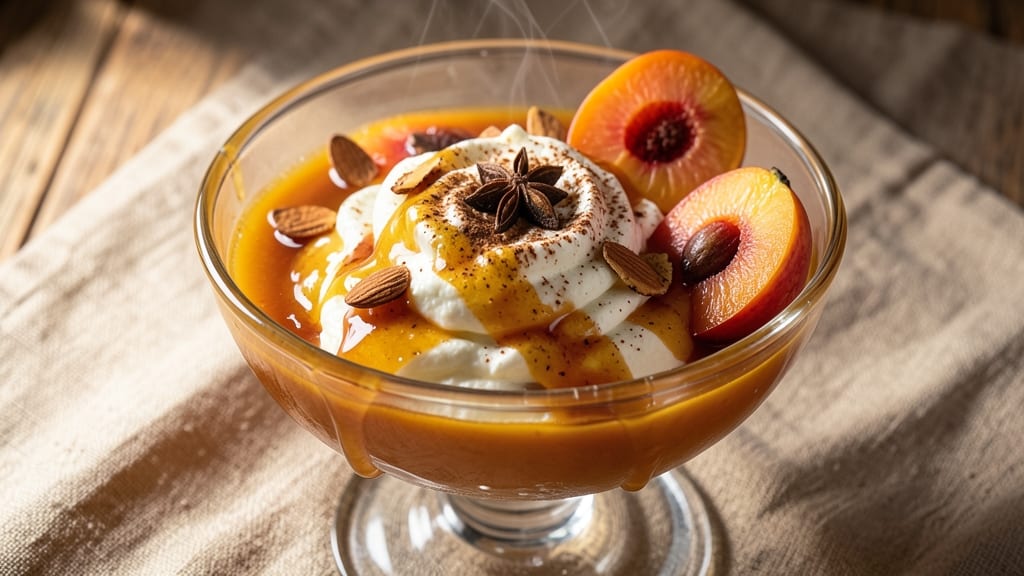
This apricot dessert sauce recipe transforms simple apricots into a velvety, spiced glaze perfect for drizzling over cakes, ice cream, or pancakes. The warm cinnamon and vanilla notes elevate any sweet treat, creating a restaurant-quality finish with minimal effort.
Simmering fresh or canned apricots with sugar and a touch of lemon juice unlocks their natural sweetness while keeping the texture smooth and spreadable.
What sets this sauce apart is its versatility—use it as a cake glaze, ice cream topping, or even a yogurt drizzle. The recipe includes a simple cornstarch slurry to thicken the sauce just enough for a glossy finish, ensuring it clings beautifully to desserts.
Optional spices like cardamom or nutmeg add depth, but the classic cinnamon-vanilla combination remains foolproof for beginners.
The process is straightforward: simmer apricots with sweetener until soft, then blend until silky. Adjust thickness with cornstarch or gelatin for different textures, from a pourable glaze to a thick spread. The result is a sauce that’s rich, aromatic, and packed with natural fruit flavor—no artificial ingredients needed.
Perfect for holiday desserts, summer fruit tarts, or a quick weeknight treat, this apricot sauce turns ordinary desserts into showstoppers. Store leftovers in the fridge for up to a week, or freeze for longer shelf life. Ready to elevate your desserts?
Ingredients for apricot sauce recipe dessert
Nine simple ingredients create a velvety apricot glaze with restaurant-quality depth for desserts.
| Ingredient | Amount | Notes |
|---|---|---|
| Fresh or Canned Apricots 🍑 | 1 ½ cups | Pitted, halved if fresh |
| Granulated Sugar 🍚 | ¾ cup | Adjust to taste |
| Water 💧 | ½ cup | Or apricot juice |
| Lemon Juice 🍋 | 1 tbsp | Freshly squeezed |
| Ground Cinnamon 🌿 | 1 tsp | Or cinnamon stick |
| Vanilla Extract 🍯 | 1 tsp | Pure vanilla preferred |
| Cornstarch 🌾 | 1 tbsp | For thickening slurry |
| Cold Water 💧 | 2 tbsp | For cornstarch slurry |
| Unsalted Butter 🧈 | 1 tbsp | Optional for richness |
| Ground Cardamom 🌿 | ¼ tsp | Optional for depth |
For apricots, fresh is ideal but high-quality canned apricots (like Mutti or Bonne Maman) work beautifully. Look for vibrant color—no brown or mushy fruit. The sugar should be fine granulated, but turbinado or brown sugar adds subtle caramel notes. Store-bought lemon juice is fine, but fresh is brighter. Cinnamon matters here: Ceylon cinnamon has a milder, sweeter profile than cassia, perfect for desserts. Vanilla extract should be pure—Madagascar Bourbon or Tahitian varieties elevate the sauce. Cornstarch is non-negotiable for thickening; Arrowhead brand is reliable and widely available.
No fresh apricots? Dried apricots soaked in warm water work in a pinch, but texture differs slightly. Short on sugar? Honey or maple syrup can replace at a 1:1 ratio, though the sauce will be slightly more liquid. Substitute vanilla with 1/2 tsp vanilla bean paste for depth without extract. The cornstarch slurry can also be made with 1/2 tsp gelatin dissolved in 2 tbsp cold water for a firmer set. For extra richness, swap butter for coconut oil—both work, but butter adds a subtle dairy note. Cardamom can be omitted if unavailable, but it’s worth seeking out for its floral complexity.
This sauce thickens as it cools, so start with a slightly thinner consistency if you prefer a pourable glaze. Store in an airtight container in the fridge for up to 1 week, or freeze for 3 months. Reheat gently in a saucepan over low heat, stirring occasionally. For a glossy finish, brush a thin layer of neutral oil over the surface before sealing. The sauce pairs beautifully with vanilla ice cream, pound cake, or fresh fruit tarts. Portion into small jars for easy use—perfect for holiday desserts or last-minute treats.
Why You'll Love This Recipe
- Five-Ingredient Magic: I swear, this is the kind of recipe where you glance at the pantry and think, "I’ve got this." Canned apricots? Check. Sugar, water, lemon juice—stuff you already have. No fancy techniques, just simmering and stirring until it’s velvety smooth. That’s it.
- Sunshine in a Jar: The moment that cinnamon hits the warm apricot syrup? Pure joy. It’s sweet but bright from the lemon, with this cozy spice warmth that makes it taste like summer in a spoonful. Honestly, I’ve made this for dessert, but I’ve also drizzled it over yogurt for breakfast—no judgment.
- Dress-Up Artist: This sauce is the ultimate flavor sidekick. Swirl it into oatmeal for a gourmet twist, spoon it over ice cream (trust me), or use it to glaze chicken for dinner. My kids ask for it on pancakes—yes, really—and I never say no.
- Make-Ahead Hero: Simmer a big batch on Sunday, and you’ve got dessert covered all week. It thickens beautifully when chilled, so you can reheat just a portion for that instant treat feeling. And between us? The canned apricots make this budget-friendly without sacrificing taste. Win-win.
Step-by-step instructions for apricot dessert sauce
This spiced glaze transforms simple apricots into a silky, aromatic sauce perfect for drizzling over cakes or ice cream.
Combine Apricots, Sugar, and Liquids
In a medium saucepan, add the 1.5 cups fresh or canned apricots (pitted and halved if fresh), 0.75 cup granulated sugar, 0.5 cup water, 1 tablespoon lemon juice, 1 teaspoon ground cinnamon, and 0.25 teaspoon ground cardamom. Stir gently to combine, ensuring the sugar dissolves completely. The mixture should smell richly spiced with warm cinnamon notes and a subtle floral cardamom aroma.
Bring the mixture to a gentle boil over medium-high heat, then reduce heat to medium-low and let it simmer for 10-12 minutes. You'll notice the apricots soften and break down, releasing their natural juices. The sauce should thicken slightly, but it will still be quite thin at this stage. Keep an eye on it—simmering too vigorously can cause the sauce to scorch or develop a bitter edge.
Prepare the Cornstarch Slurry
While the apricot mixture simmers, whisk together 1 tablespoon cornstarch and 2 tablespoons cold water in a small bowl until smooth. This slurry is essential for thickening the sauce to the perfect glaze consistency. The cold water prevents the cornstarch from activating prematurely, ensuring a clean, glossy finish.
Once the apricot mixture has simmered for 10 minutes, remove the pan from heat and let it cool slightly for 2-3 minutes. This brief pause prevents the sauce from curdling when you add the cornstarch slurry. Stir in the slurry gradually, whisking constantly to distribute it evenly. Return the pan to medium heat and bring the sauce back to a gentle simmer.
Thicken and Finish the Sauce
Simmer the sauce for an additional 3-5 minutes, stirring frequently, until it reaches a thick, glossy consistency. You're aiming for a texture that coats the back of a spoon but still flows smoothly—like a warm syrup. If the sauce thickens too quickly, add 1 tablespoon water to loosen it. The sauce should coat a spoon evenly and hold its shape when drizzled.
Once thickened, stir in 1 tablespoon unsalted butter and 1 teaspoon vanilla extract. The butter adds a velvety richness, while the vanilla enhances the apricot's natural sweetness. Let the sauce simmer for another 1-2 minutes to meld the flavors. Taste and adjust the sweetness with additional sugar if needed—this sauce should balance the natural tartness of the apricots with a touch of warmth from the spices.
Strain and Cool the Sauce
For a silky-smooth texture, strain the sauce through a fine-mesh sieve into a clean bowl, pressing gently on the solids with a spoon to extract all the flavor. This step removes any remaining apricot skins or seeds, ensuring a velvety finish. Discard the solids or reserve them for another use, like a quick compote.
Let the sauce cool to room temperature, stirring occasionally. The sauce will thicken further as it cools, developing a glossy sheen. Once cooled, transfer it to an airtight container and refrigerate for up to 1 week or freeze for 3 months. This sauce is best served warm over vanilla ice cream, pancakes, or as a drizzle for cheesecake. Its aromatic depth and balanced sweetness make it a versatile dessert companion.
Pro Tips For Making Apricot Sauce Recipe Dessert
- Simmer Slow and Steady: I learned this the hard way—rushing the apricot sauce turns it into syrup. Keep the heat at a gentle simmer (small bubbles, barely there) for 15-20 minutes. Too much heat and you’ll end up with a sticky mess instead of a rich, velvety sauce that clings to spoonfuls of yogurt or ice cream.
- Pit Your Apricots First: If using fresh apricots, take 5 minutes to remove the pits before chopping. I know it’s tedious, but those tiny stones turn bitter when cooked and ruin an otherwise perfect sauce. Use a butter knife to gently pry them out—no need for fancy tools.
- Balance the Sweetness: Taste as you go, especially when adding sugar. Canned apricots are often pre-sweetened, so you might only need half the sugar called for. Fresh apricots? Start with the full amount, then adjust—better to fix too sweet than too tart later.
- Strain for Smoothness: After simmering, strain the sauce through a fine-mesh sieve to remove any lingering skin or seeds. This isn’t just about looks—it guarantees a silky texture that’s perfect for drizzling over pancakes or swirling into cheesecake. (Yes, even if you’re impatient like me.)
Troubleshooting this dish
Sauce Too Thin?
If your apricot sauce ends up too watery, don’t panic—this is an easy fix. The most common cause is under-simmering or using too much liquid. For immediate results, whisk in ½ teaspoon cornstarch mixed with 1 tablespoon cold water, then simmer for 2-3 minutes until thickened.
For a smoother texture, strain through a fine-mesh sieve after simmering longer next time. 💫
Sauce Too Thick?
Over-thickening happens when the sauce simmers too long or the cornstarch slurry is added too quickly. To rescue it, whisk in 1 tablespoon warm water and return to low heat, stirring constantly until it reaches a pourable consistency.
For future batches, remove from heat 1 minute earlier and let it cool slightly before tasting—it thickens as it cools!
Grainy Texture?
A grainy texture usually means the apricots weren’t fully broken down or the cornstarch wasn’t dissolved properly. Before simmering, mash fresh apricots with a fork or blend canned apricots briefly to prevent lumps.
Always whisk the cornstarch slurry until completely smooth before adding. For extra silkiness, strain the sauce through a fine-mesh sieve after simmering. 🍑
Bitter or Off Flavor?
Bitterness or harsh flavors often come from overcooking or using poor-quality apricots. Avoid boiling vigorously—keep heat at medium-low to prevent scorching. For canned apricots, choose brands like Mutti or Bonne Maman, which have a sweeter, more balanced flavor.
If bitterness lingers, balance it with a pinch of sugar or a splash of vanilla extract at the end.
Sauce Separates?
Separation occurs when the sauce cools too quickly or the cornstarch isn’t incorporated evenly. To fix it, gently reheat the sauce over low heat, stirring constantly until smooth. For prevention, whisk the cornstarch slurry vigorously before adding and avoid sudden temperature changes.
If separation persists, blend the sauce briefly with an immersion blender for a seamless texture. ⚡
Storage Issues?
If your sauce develops mold or an off smell after refrigerating, it’s time to toss it. Always store in an airtight container in the fridge for up to 1 week or freeze for 3 months.
For reheating, warm gently in a saucepan over low heat—microwaving can make it grainy. If the sauce separates after reheating, stir in 1 teaspoon cold water and warm again until smooth.
Nutrition facts
Frequently asked questions
Can I use dried apricots instead of fresh or canned?
Yes! Soak ½ cup dried apricots in warm water for 20 minutes to rehydrate, then drain and use them in place of fresh or canned. The texture will be slightly thicker, so you may need to add 1-2 tablespoons extra water during simmering. Dried apricots have an intense flavor, so start with ½ the amount (about ½ cup) to avoid overpowering the sauce.
How do I adjust the sweetness for different desserts?
The sauce works beautifully with both sweet and tangy desserts. For rich cakes or cheesecake, reduce sugar to ½ cup to balance flavors. For yogurt or fruit tarts, increase to ¾ cup to complement the tartness. Taste as you simmer—adjust with 1 tablespoon sugar at a time until perfectly balanced.
Can I make this sauce ahead of time?
This sauce tastes even better the next day as flavors meld. Store in an airtight container in the fridge for up to 1 week or freeze for 3 months. Reheat gently over low heat, stirring occasionally. For a restaurant-quality touch, reheat until warm and strain again through a fine-mesh sieve before serving.
What’s the best way to drizzle this sauce without making a mess?
Use a small squeeze bottle, piping bag with a thin tip, or even a spoon with a slow, steady motion. For a professional finish, warm the sauce slightly before drizzling—it flows more smoothly. If the sauce is too thick, thin with 1 teaspoon warm water at a time. A light hand prevents clumps, so practice on parchment paper first!
Can I make this sauce without cornstarch?
Yes! For a naturally thickened version, simmer the apricot mixture for 20-25 minutes until it reduces significantly. Alternatively, blend 1 teaspoon chia seeds with 3 tablespoons water, let sit for 10 minutes to gel, then stir into the sauce. The texture will be slightly less glossy but still delicious.