
Sauces & Condiments
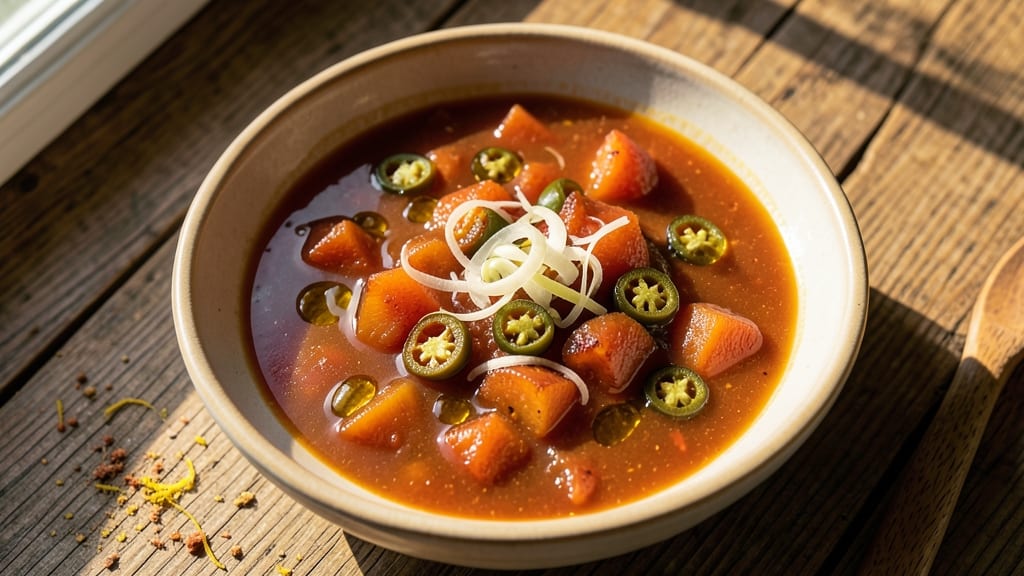
This apricot habanero sauce recipe transforms sweet and fiery flavors into a versatile condiment perfect for grilling, dipping, or drizzling. The balance of apricot's natural sweetness and habanero's bold heat creates a complex sauce that elevates everything it touches.
I developed this recipe after years of experimenting with fruit-based sauces—each batch gets better as the flavors meld and deepen.
The process is straightforward but requires patience: simmering dried apricots and habanero peppers in vinegar and sugar until the mixture becomes a thick, glossy paste. Blending creates a smooth texture, while optional thickeners like tomato paste or cornstarch adjust consistency for dipping or glaze purposes.
The heat level can be easily controlled by adjusting the number of habanero peppers or adding more apricot for sweetness.
What you’ll end up with is a glossy, vibrant sauce that’s sweet, tangy, and packed with a slow-building heat—ideal for grilled meats, seafood, or even as a spicy-sweet dip.
The sauce keeps well in the refrigerator for up to two weeks or can be canned for longer storage, making it a pantry staple for bold flavors. Whether you love heat or crave sweetness, this sauce delivers both in perfect harmony.
Use it as a marinade, glaze, or dipping sauce—its versatility makes it a must-have for any grilling season. Let’s get started on creating this sweet, fiery, and unforgettable condiment.
Ingredients for apricot habanero sauce
Sweet, spicy, and perfectly balanced—this sauce brings bold flavors to every dish.
| Ingredient | Amount | Notes |
|---|---|---|
| Dried Apricots 🍑 | 1 cup | Chopped into small pieces |
| Habanero Peppers 🌶️ | 2 whole | Seeds removed for mild heat |
| White Vinegar 💧 | 1 cup | Distilled preferred for tang |
| Granulated Sugar 🍚 | ½ cup | Adjust for sweetness preference |
| Fresh Garlic Cloves 🧄 | 3 cloves | Minced for aromatic depth |
| Extra-Virgin Olive Oil 🫒 | ¼ cup | For richness and balance |
| Tomato Paste 🍅 | 2 tbsp | Optional for thickness |
| Salt 🧂 | 1 tsp | Diamond Crystal preferred |
| Ground Black Pepper 🌶️ | ½ tsp | Freshly cracked for warmth |
| Red Wine Vinegar 🍷 | 1 tbsp | For depth of flavor |
The dried apricots should be plump and free of wrinkles—Trader Joe's or Costco often carry high-quality options. For habanero peppers, look for firm, vibrant ones with no soft spots; Mexican markets usually have the freshest selection. If you can't find habanero, jalapeño peppers work but reduce to 1 whole for milder heat. The vinegar is key here—distilled white vinegar gives a cleaner tang, while red wine vinegar adds complexity. I always grab a bottle of Bragg distilled vinegar for consistency, but any good-quality vinegar will do.
No tomato paste? Cornstarch mixed with water works as a thickener in a pinch. Fresh garlic is ideal, but if you're using dried, double the amount and toast it lightly for deeper flavor. Want to adjust the heat? Add more habanero for spice or extra apricots for sweetness. The sauce should simmer until it reaches a glossy, syrupy consistency—about 20-25 minutes. If it's too thin, simmer uncovered; too thick, add a splash of water or vinegar. The red wine vinegar is optional but adds a sophisticated depth that pairs beautifully with grilled meats.
This sauce keeps for 2 weeks in the fridge once cooled, stored in an airtight jar. For longer storage, canning is ideal—process for 15 minutes in a water bath to ensure safety. I like to portion it into small jars for easy use on the grill or as a dipping sauce. If you make a big batch, freeze half in ice cube trays for single-serving portions. The flavors actually improve over time, so don't hesitate to make extra—it disappears fast!
Why You'll Love This Recipe
- No Chopping Needed: I swear by this—just soak those dried apricots and toss in whole garlic cloves. The food processor does all the work while I sip my coffee. (Yes, even on a Tuesday night.)
- Sweet Heat Magic: That first bite of vinegar-bright tang, followed by the slow burn of habanero? It’s the kind of flavor that sticks with you. Honestly, I’ve never met a sauce that balances sweet and spice this well.
- Pantry to Plate: Use it on grilled chicken, drizzle it over seared scallops, or toss it with roasted veggies—this sauce plays well everywhere. Between us, it’s my go-to for turning simple meals into something special.
- Lasts All Week: A single batch keeps in the fridge for days, and the flavor actually deepens over time. I make a big batch on Sundays, then use it all week—no waste, no stress, just delicious leftovers.
Step-by-step instructions for apricot habanero sauce
Here's how to craft this vibrant, balanced sauce that marries sweet and spicy in perfect harmony.
Prepare the Apricots and Habaneros
Begin by cutting the 1 cup dried apricots into small, even pieces using a sharp knife. This ensures they'll soften evenly and release their natural sweetness throughout the sauce. In a separate bowl, remove the seeds from the 2 whole habanero peppers—this reduces the heat while keeping the fruity, smoky depth. Chop the habaneros into thin strips, being careful to avoid direct contact with your skin, as the capsaicin can irritate.
Real talk: if you're sensitive to heat, wear gloves while handling the habaneros. The seeds contain most of the capsaicin, so removing them makes a noticeable difference in the final sauce's spice level. Once prepped, set both ingredients aside—they'll be your sauce's signature sweet and fiery foundation.
Simmer the Base Ingredients
In a medium saucepan, combine the chopped apricots, habanero strips, 1 cup white vinegar, and 0.5 cup granulated sugar. Bring the mixture to a gentle boil over medium heat, then immediately reduce the heat to low. Let it simmer uncovered for 15-20 minutes, stirring occasionally, until the apricots have softened and the liquid has reduced by about one-third. You'll notice the sauce thicken slightly and develop a deep, caramelized aroma.
This simmering step is crucial—it allows the sugar to caramelize just enough to round out the habanero's sharpness while concentrating the fruit's natural sweetness. If the mixture looks too thick before the 20 minutes are up, add 1-2 tablespoons of water to prevent burning. The goal is a smooth, syrupy consistency that coats the back of a spoon.
Build Depth with Aromatics and Vinegar
While the apricot-habanero mixture simmers, heat 0.25 cup extra-virgin olive oil in a separate small saucepan over low heat. Add the 3 cloves minced fresh garlic cloves and cook for 1-2 minutes until fragrant but not browned—this prevents bitterness. Immediately remove the pan from heat and stir in the 2 tbsp tomato paste and 1 tbsp red wine vinegar. Let this mixture cool slightly while you prepare the next step.
The tomato paste adds a subtle umami richness that bridges the sweet and spicy notes, while the red wine vinegar introduces a bright acidity that cuts through the heat. The olive oil, infused with garlic, adds a velvety texture that balances the sauce's overall intensity. This aromatic blend is what transforms a simple sweet-spicy mixture into a complex, restaurant-worthy condiment.
Combine and Season
Once the apricot-habanero mixture has thickened, carefully pour it into a blender along with the cooled garlic-oil mixture. Blend until completely smooth, scraping down the sides as needed. Return the blended sauce to the saucepan and stir in the 1 tsp salt and 0.5 tsp ground black pepper. Bring the sauce to a gentle simmer over low heat for 5-7 minutes to meld all the flavors together.
Taste the sauce and adjust the sweetness or heat to your preference. If it needs more sweetness, add a pinch of sugar; if the heat is too intense, stir in a splash of water or a bit more apricot to dilute. The sauce should be vibrant in color, with a glossy sheen that indicates proper emulsification. Let it cool to room temperature before serving—this allows the flavors to fully develop and settle.
Rest and Serve
Transfer the finished sauce to a clean glass jar and let it rest at room temperature for at least 1 hour before using. This resting period allows the flavors to harmonize and the texture to thicken slightly, making it ideal for dipping, grilling, or drizzling. The sauce will keep in the refrigerator for up to 2 weeks, though I promise you'll use it up long before then.
Use this versatile sauce to glaze grilled meats, drizzle over roasted vegetables, or serve as a bold dipping sauce for spring rolls or fries. The balance of sweet, spicy, and tangy makes it a crowd-pleaser, and the depth of flavor will elevate any dish it touches. Store any leftovers in an airtight container, and don't forget to label it—this sauce is so good, you won't want to forget what it is!
Pro Tips For Making Apricot Habanero Sauce
- SOAK DRY APRICOTS FIRST: I learned this the hard way—tossing dried apricots straight into the pan makes them clump like stubborn glue. Soak them in warm water for 10 minutes first, then drain. They’ll soften evenly and release their sweetness without turning into a gummy mess.
- PEEL HABANEROS LIKE A PRO: Those seeds and membranes pack the worst heat. Run the habanero under hot water for 30 seconds to loosen the skin, then peel it off like a banana. Skip the seeds entirely—you’ll still get enough fire without turning your sauce into a mouthwash emergency.
- SIMMER LOW AND SLOW: Cranking the heat to caramelize the sugar fast? Bad idea. Let the sauce bubble gently for 20-25 minutes—this lets the vinegar mellow out the habanero’s edge and the garlic deepen without burning. Patience here makes the difference between "good" and "wow."
- STRAIN THE GARLIC: After smashing those cloves, strain out the pulp through a fine-mesh sieve. Raw garlic bits in the sauce taste bitter and throw off the texture. It’s a 30-second step that keeps the sauce silky, not gritty—trust me, you’ll notice.
Make-ahead tips for leftovers
Batch Prep Basics
Make a big batch—this sauce tastes even better after 24 hours as flavors meld. I double the recipe for parties or grilling seasons, storing in glass mason jars (I love Ball jars for their airtight seal).
The sauce thickens naturally as it rests, so plan to thin with 1 tbsp water if needed before serving. 💫
Freezer-Friendly Portions
Portion into ice cube trays for single-use servings—perfect for marinades or quick dips. Once frozen solid, transfer cubes to a freezer bag and flatten to save space. Thaw overnight in the fridge before using; no need to reheat. This method preserves texture and prevents freezer burn.
Canning for Long-Term
For shelf-stable sauce, can in pint-sized jars processed for 15 minutes in a boiling water bath. Use new lids and rings for safety, and check seals after cooling. Label with date—properly canned sauce lasts 12 months unopened. I add a pinch of citric acid to each jar to boost preservation.
Flavor Boosting
Enhance future batches by adding 1 tsp smoked paprika or ½ tsp cinnamon during simmering. For depth, infuse 1 bay leaf while cooking and remove before blending. These tweaks add complexity without altering the sauce's signature sweet-spicy balance.
Reheating Tips
Gently warm on low heat or in 30-second microwave bursts to avoid curdling. Stir frequently and add 1 tsp water if it thickens too much. Never boil—just until steaming hot (165°F) to maintain texture. I reheat small portions in a small saucepan for best control. 🔥
Storage Containers
Use amber glass jars to protect from light, which can degrade habanero's vibrant color and potency. For fridge storage, keep at 40°F or below—the sauce stays fresh for 3 weeks this way. If storing longer, freeze in 2-tbsp portions for easy grab-and-use convenience.
Nutrition facts
Frequently asked questions
How do I adjust the heat level in this sauce?
For milder heat, remove all habanero seeds and membranes before chopping, or reduce to 1 pepper instead of 2. To increase spice, add ½ teaspoon cayenne pepper or leave seeds intact. Always taste before blending—you can always add more apricot or sugar to balance if needed.
Can I use fresh apricots instead of dried?
Yes, but you'll need 2 cups fresh apricots (peeled and chopped) and reduce the vinegar to ¾ cup to account for their higher water content. Simmer for 10-12 minutes longer to concentrate the flavors. Fresh apricots work best in summer when they're ripe and sweet.
What's the best way to use this sauce on grilled meats?
Brush a thin layer over pork chops or chicken thighs during the last 5 minutes of grilling for a caramelized glaze. For ribs, apply after smoking and before wrapping. The sauce's sweetness helps prevent burning while the heat penetrates the meat beautifully. Let the sauce rest 30 minutes before grilling for optimal texture.
Will this sauce thicken more after refrigeration?
Yes, it naturally thickens as it cools. If you prefer a thinner consistency for dipping, add 1-2 tablespoons water when reheating. For glaze applications, the thicker texture works perfectly—simply warm gently and brush on. The sauce reaches peak consistency after 24 hours in the fridge.
Can I make this sauce without tomato paste?
Replace with 1 tablespoon cornstarch mixed with 2 tablespoons water for thickening. For extra depth, add 1 teaspoon apple cider vinegar instead. The sauce will still develop rich flavors—just slightly less umami. Test consistency during the final simmer and adjust as needed.