
Desserts
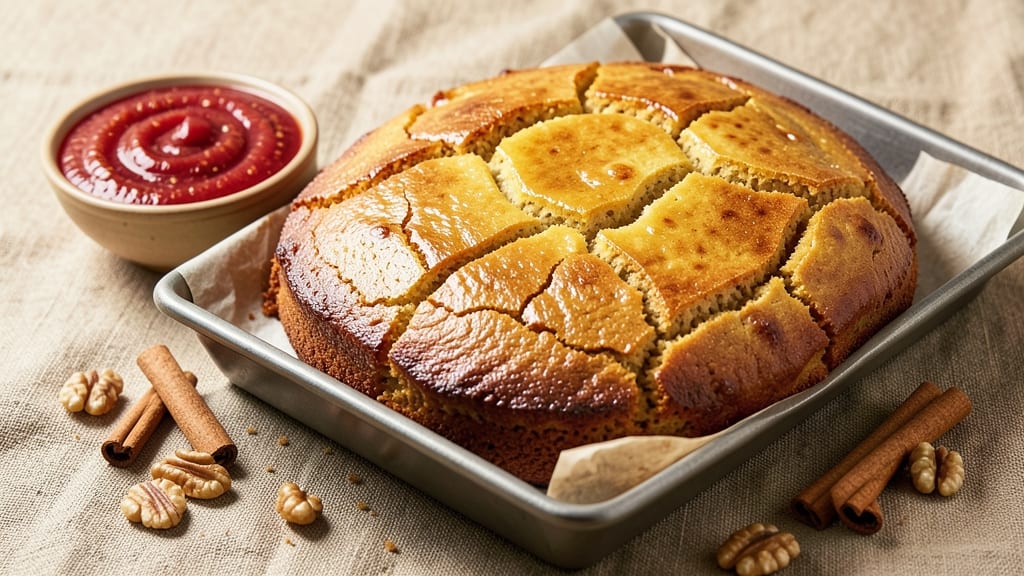
This applesauce sheet cake recipe delivers the perfect balance of tender layers and warm spice notes that make every slice irresistible. The secret lies in replacing oil with unsweetened applesauce, which keeps the cake remarkably moist without adding extra fat.
I developed this recipe after years of baking dense, dry sheet cakes—until I discovered how applesauce transforms texture while keeping flavors bright and comforting.
The recipe combines simple pantry staples like all-purpose flour, brown sugar, and cinnamon for that classic autumnal taste, but the real magic happens in the baking. A 350°F oven ensures even cooking, while the applesauce prevents dryness, even in the center.
The result? A cake with a tender crumb and subtle caramel undertones that pair beautifully with vanilla ice cream or a light cream cheese glaze.
What makes this sheet cake truly special is its versatility—it works as a foolproof base for any frosting or stays simple with a dusting of powdered sugar. The spices (cinnamon, nutmeg, and ginger) infuse every bite with warmth, while the applesauce adds natural sweetness without overpowering.
Perfect for holidays, potlucks, or a cozy weekend treat, this cake proves homemade desserts can be both impressive and effortless.
Once baked, the cake holds together beautifully for slicing, making it ideal for sharing. Whether you serve it warm or at room temperature, the moist layers and aromatic spices ensure every slice feels like a hug. Ready to bake? Let’s get started with the ingredients and step-by-step instructions.
Ingredients for applesauce sheet cake
Simple pantry staples transform into a moist, spiced sheet cake with applesauce magic.
| Ingredient | Amount | Notes |
|---|---|---|
| Unsweetened Applesauce 🍎 | 1 cup | Unsweetened, not sweetened |
| All-Purpose Flour 🌾 | 2 ½ cups | Sifted for even texture |
| Packed Brown Sugar 🍚 | 1 ½ cups | Light or dark brown |
| Granulated Sugar 🍬 | ½ cup | For balanced sweetness |
| Large Eggs 🥚 | 2 whole | Room temperature preferred |
| Unsalted Butter 🧈 | ½ cup | Melted, not watery |
| Vanilla Extract 🌸 | 2 tsp | Pure vanilla preferred |
| Ground Cinnamon 🌿 | 2 tsp | Freshly ground for warmth |
| Ground Nutmeg 🌶️ | ½ tsp | Freshly grated preferred |
| Ground Ginger 🌿 | ½ tsp | For subtle spice depth |
| Baking Powder 🍞 | 2 tsp | Freshly opened |
| Salt 🧂 | ½ tsp | Kosher or sea salt |
The applesauce is the star here—unsweetened is critical for texture, not flavor. Store-brand or local orchard varieties work just as well as premium, but avoid anything with added sugar or thickeners. I usually grab a 24-ounce jar from Trader Joe's for this recipe, and it keeps for 6 months in the fridge. The flour matters too: King Arthur or Gold Medal brands yield the best rise and tender crumb. Sift it first to avoid dense layers—don’t skip this step if you want that light, airy texture. For the spices, Penzeys or local spice shops carry the freshest ground cinnamon and nutmeg, but the grocery store’s bulk bins are fine if you’re in a pinch—just check the expiration date.
No applesauce? Pumpkin puree works beautifully—use the same amount, but reduce the liquid in other ingredients slightly. Short on brown sugar? Swap for white sugar plus 1 tbsp molasses for depth. The butter can be melted coconut oil if you’re avoiding dairy, though the flavor will shift slightly. For the eggs, aquafaba (chickpea brine) works at a 3 tbsp to 1 egg ratio if you’re baking vegan, but the texture won’t be quite as tender. The vanilla extract is non-negotiable—imitation vanilla won’t cut it here. If you’re feeling fancy, infuse the melted butter with 1 tsp cinnamon while it cools for extra warmth. And if your recipe calls for 1/2 cup butter but you only have sticks, remember 1 stick = 1/2 cup.
This cake stays moist for 3 days at room temperature if wrapped tightly in plastic, but it’s best served within 24 hours for peak tenderness. For longer storage, slice and freeze portions—they reheat beautifully in the microwave for 10-15 seconds. The spices lose potency over time, so make a double batch if you plan to keep it beyond a week. Leftovers? Toast slices lightly to revive the texture. And if you’re prepping ahead for a party, bake the day before—the flavors deepen as it sits. The cake freezes well too: wrap tightly in foil and freeze for up to 3 months. Just thaw at room temperature before serving.
Why You'll Love This Recipe
- No Mixer Needed: I swear by this recipe when I’m too tired to pull out the stand mixer—just stir, pour, and bake. The applesauce keeps it moist without requiring extra effort, and the brown sugar adds depth with zero fuss.
- Secretly Rich Flavor: Honestly, you’d never guess it’s made with applesauce. That combo of brown sugar and granulated sugar gives it a caramelized sweetness, while the eggs bind it just right—like a cross between a classic cake and a spiced dessert.
- Weeknight Crowd-Pleaser: Between us, this is my go-to for last-minute gatherings. It’s simple enough for a quick birthday, but the warm spice notes (if you add cinnamon) make it feel special—no one bats an eye at the shortcut.
- Pantry Staple Magic: I always have applesauce, flour, and sugar on hand, so this recipe saves me money and time. Plus, leftovers? They actually get better the next day—moist, tender, and perfect for a grab-and-go breakfast or snack.
Step-by-step instructions for applesauce sheet cake
Here's how to create a perfectly moist, spiced cake with tender layers and a subtle applesauce flavor.
Preheat and Prepare Your Pan
Preheat your oven to 350°F and line a 9x13-inch baking pan with parchment paper, leaving an overhang on the sides for easy removal. Lightly grease the parchment with butter or baking spray to prevent sticking. I like to use a pastry brush for this—it gives just enough coating without making the paper soggy.
The reason for this preparation is simple: a well-greased pan ensures your cake slides out cleanly, and the parchment prevents the bottom from drying out. If you're using a dark pan, reduce your baking time by 2-3 minutes—they conduct heat differently than light pans.
Mix Wet Ingredients for Maximum Moisture
In a large mixing bowl, combine the 1 cup unsweetened applesauce, 1.5 cups packed brown sugar, and 0.5 cup granulated sugar. Whisk until the sugars are fully dissolved and the mixture is smooth. This step creates the foundation for that signature moist texture.
Next, add the 2 whole large eggs, one at a time, whisking vigorously after each addition. Then stir in the 0.5 cup melted unsalted butter and 2 teaspoons vanilla extract. The melted butter should be warm but not hot—just enough to blend smoothly without cooking the eggs. This mixture should be thick but pourable, like a rich cake batter.
Combine Dry Ingredients with Precision
In a separate bowl, sift together the 2.5 cups all-purpose flour, 2 teaspoons baking powder, 0.5 teaspoon salt, 2 teaspoons ground cinnamon, 0.5 teaspoon ground nutmeg, and 0.5 teaspoon ground ginger. Sifting prevents lumps and ensures even distribution of the spices, which are crucial for that warm, comforting flavor.
With the mixer on low speed, gradually add the dry ingredients to the wet mixture. Mix just until combined—you should still see some flour streaks. Overmixing develops gluten, which can make your cake tough. Stop mixing as soon as the batter comes together smoothly. The batter will be thick, similar to a well-hydrated cake batter.
Bake Until Golden and Springy
Pour the batter into the prepared pan and spread it evenly using a spatula. Tap the pan gently on the counter a few times to remove any air bubbles. Bake in the preheated oven for 35-40 minutes, or until a toothpick inserted in the center comes out clean and the edges are light golden brown.
Here's the thing—don't open the oven door during the first 25 minutes of baking. The sudden temperature change can cause the cake to sink. When you do check, look for the edges to pull away slightly from the pan and the top to develop a golden crust. The cake should spring back gently when pressed in the center.
Cool and Serve for Perfect Texture
Remove the cake from the oven and let it cool in the pan for 10 minutes. Then, using the parchment overhang, carefully lift the cake onto a wire rack to cool completely. This gradual cooling process prevents cracking and ensures the cake sets properly for clean slices.
Once fully cooled, you can dust the top with a light layer of powdered sugar or serve it as-is. The cake should be moist but not sticky, with a tender crumb that holds its shape when sliced. For best results, serve within 2 days—this cake doesn't freeze well, but it keeps beautifully at room temperature.
Pro Tips For Making Applesauce Sheet Cake
- Mix Dry Ingredients First: I learned this the hard way—adding wet ingredients to flour without pre-mixing creates lumps that never fully dissolve. Whisk the flour, brown sugar, and granulated sugar together in the bowl before cracking in the eggs and applesauce. This ensures a smooth, tender crumb instead of a cake with hidden pockets of dry flour.
- Use Room-Temperature Applesauce: Cold applesauce makes the batter thick and gummy, while room-temperature applesauce blends in evenly and keeps the texture light. Transfer the applesauce to a measuring cup and let it sit for 10–15 minutes while you preheat the oven—no fancy gadgets needed.
- Don’t Overmix the Batter: This cake relies on a tender crumb, not gluten development. Once the wet ingredients are just combined, stop mixing—even a few extra stirs can toughen it. If the batter looks streaky, that’s fine; the heat will even it out.
- Grease the Pan Well: This isn’t a cake that forgives a dry or sticky pan. Use a mix of butter and flour (or nonstick spray + a light dusting of flour) to guarantee the edges release cleanly. I skip parchment paper here—it’s easier to lift the cake directly from the pan if it’s properly greased.
Troubleshooting perfect results
Cake Stuck to Pan
If your cake clings stubbornly to the parchment or pan, it’s usually from insufficient greasing or overbaking. First, ensure you used parchment paper (not wax paper) and lightly greased it with butter or baking spray—I recommend Baker’s Joy for its nonstick properties.
If the cake still sticks, try this trick: after baking, let it cool in the pan for 15 minutes (instead of 10) before lifting. For stubborn cases, run a thin offset spatula around the edges to loosen it before transferring. 🧈
Dry or Crumbly Texture
Dryness often happens when the cake bakes too long or the applesauce wasn’t fresh. First, check your baking time—35-40 minutes at 350°F is ideal. If the cake tests done but still feels dry, it likely sat too long in the oven.
To fix texture issues, brush warm cake slices with a simple syrup (equal parts water and sugar, heated until dissolved) before serving. For prevention, use unsweetened applesauce (no added sugar) and avoid overmixing the batter. 🍎
Uneven Baking or Sinking Center
An uneven cake usually means the oven wasn’t properly preheated or the batter wasn’t spread evenly. Always preheat your oven for at least 15 minutes before baking.
When pouring the batter, use a spatula to spread it evenly and tap the pan 3-4 times on the counter to release air bubbles. If the center sinks, it’s often from opening the oven door too early—wait until 25 minutes before checking.
For a quick fix, brush the sunken area with simple syrup and dust with powdered sugar. ✨
Bitter or Off Flavors
Bitter notes can come from old spices, rancid butter, or overmixed batter. Double-check your cinnamon, nutmeg, and ginger—they should smell fresh and aromatic. If your butter has a sour smell, replace it. For the batter, mix just until combined (no more than 30 seconds after dry ingredients are added).
To mask any bitterness, add a pinch of vanilla bean paste or a splash of lemon juice to the wet ingredients. 🌿
Cracked Top or Sides
Cracks usually appear from rapid cooling or overmixing. To prevent them, let the cake cool in the pan for 10 minutes before transferring to a wire rack. If cracks form, they’re mostly cosmetic—just dust with powdered sugar or add a cream cheese glaze to camouflage them.
For future bakes, ensure your eggs and butter are room temperature and sift the dry ingredients thoroughly. A cracked top won’t affect flavor or texture! 💫
Nutrition facts
Frequently asked questions
Can I substitute applesauce with another fruit puree?
Yes! You can swap applesauce for 1 cup pumpkin puree or mashed ripe banana (about 2 medium bananas) for a similar moist texture. For pumpkin, reduce other liquids slightly since it's thicker. Banana adds natural sweetness, so you may want to reduce the sugar by 1-2 tablespoons. Avoid citrus juices—they can make the cake too acidic.
How do I make this cake gluten-free?
Replace the 2.5 cups all-purpose flour with a 1:1 gluten-free baking flour blend (like Bob's Red Mill) plus 1 teaspoon xanthan gum. For best results, add 1 extra tablespoon of applesauce to compensate for the blend's dryness. Test your blend first—some require extra liquid. The texture will be slightly denser but still moist.
What's the best way to frost this sheet cake?
This cake's tender crumb pairs beautifully with a cream cheese glaze (mix 4 oz cream cheese, 1/4 cup butter, 1 cup powdered sugar, and 1 tsp vanilla) or a simple powdered sugar dusting. For extra flair, try a caramel drizzle or fresh berries. Avoid heavy buttercream—it can make the cake soggy. The warm spices in the cake complement citrus zest or cinnamon sugar toppings perfectly.
Can I bake this in a different sized pan?
Yes, but adjust baking time accordingly. For an 8x8-inch pan, bake 25-30 minutes (it'll be thicker), and for a 9x13-inch pan, stick with 35-40 minutes. If using a 10x15-inch pan, bake 30-35 minutes—the wider surface area needs less time. Always check doneness with a toothpick. For odd shapes, reduce time by 2-3 minutes per side.
Why does my cake taste bland?
Blandness usually comes from old spices or not enough mixing. First, check your spices—ground cinnamon loses potency after 6 months. Toast your spices in a dry pan for 1 minute before using to wake up the flavors. Also ensure you mixed the batter just until combined (no more than 30 seconds after adding dry ingredients). For extra depth, add 1/4 teaspoon almond extract or a pinch of cardamom to the wet ingredients.