
Sauces & Condiments
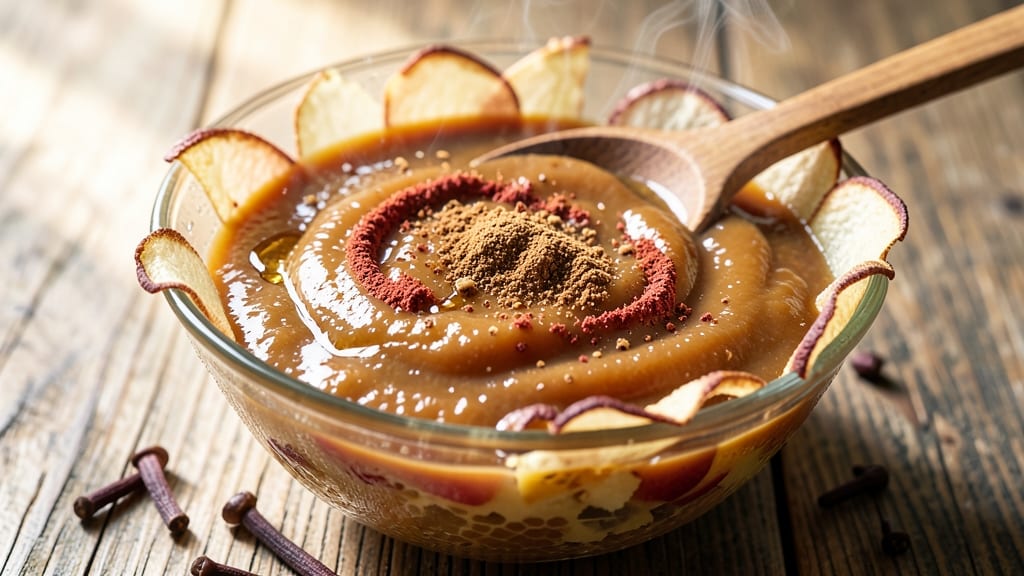
This applesauce recipe food processor transforms simple apples into velvety, spiced perfection in just 10 minutes—no cooking skills required. I learned this method from Mrs. Henderson back in Cincinnati, where we'd spend autumn afternoons peeling apples until our fingers turned pink.
The food processor does the heavy lifting, turning raw fruit into silky, smooth applesauce with minimal effort.
The secret lies in the food processor's blades, which puree the cooked apples into a texture that's impossibly smooth yet still retains that fresh apple flavor. You'll need just 5 ingredients—apples, water, a touch of sugar, and optional spices like cinnamon or nutmeg—and the process couldn't be simpler.
Peel, core, and chop the apples, then let them simmer until tender before blending.
What you'll end up with is homemade applesauce that's free from preservatives and packed with natural sweetness. The spices add warmth that makes it perfect for toast, oatmeal, or even as a topping for pork chops.
Unlike store-bought versions, this tastes like autumn in every bite—bright, aromatic, and just sweet enough.
Store any leftovers in the fridge for up to a week or freeze for months. For extra flavor, try adding a splash of apple cider or a pinch of cardamom. This recipe proves that homemade is always better, and the food processor makes it effortless. Let's get started!
Ingredients for applesauce recipe food processor
Five simple ingredients, one food processor, and autumn flavor in minutes.
| Ingredient | Amount | Notes |
|---|---|---|
| Apples (Mixed Varieties) 🍎 | 4 lbs | Peeled, cored, chopped into chunks |
| Water 💧 | 1 ½ cups | For simmering apples |
| Granulated Sugar 🍚 | ¼ cup | Adjust to taste, optional |
| Ground Cinnamon 🌿 | 1 tsp | Or 1 cinnamon stick for infusion |
| Ground Nutmeg 🌿 | ¼ tsp | Freshly grated preferred |
| Apple Cider Vinegar 🍏 | 1 tbsp | Preserves color and flavor |
| Lemon Juice 🍋 | 1 tbsp | Freshly squeezed for brightness |
Apples are the star—mix varieties like Granny Smith for tartness and Honeycrisp for sweetness. Local farmers markets or grocery store bins usually have the best selection. Avoid bruised apples (they’ll turn mushy). For extra convenience, grab pre-peeled and cored apples from the produce section—Trader Joe’s has them year-round. A food processor with a wide blade attachment (like KitchenAid’s) gives the smoothest texture, but any standard model works. If you’re using cinnamon sticks, crush them lightly to release flavor without grit.
No sugar? Maple syrup or agave works 1:1—just reduce water by 2 tbsp. Short on nutmeg? Cardamom or allspice adds warmth, though nutmeg’s classic. The vinegar and lemon juice might seem odd, but they keep the applesauce bright and prevent browning. Store-bought apple cider vinegar is fine, but fresh lemon juice makes it taste homemade. For a spiced twist, add 1/4 tsp ginger or 1/8 tsp cloves—trust me, it’s worth it. No food processor? A high-powered blender or even a potato masher works in a pinch.
This applesauce keeps for 1 week in the fridge or 6 months frozen. For freezing, portion into ice cube trays or small jars—thaw overnight in the fridge. The spices mellow over time, so reheat with a splash of water if it thickens. Leftovers? Use in oatmeal, pancakes, or pork dishes—it’s the secret to restaurant-quality flavor. Double the batch and freeze half; you’ll thank yourself when winter rolls around.
Why You'll Love This Recipe
- No Peel, No Stress: The food processor does all the work—just toss in whole apples (peels and all, if you’re lazy) and let it shred. I’ve made this with bruised apples from the back of the fridge, and it still turns out silky smooth.
- Spiced Like Autumn: That first whiff of cinnamon and nutmeg hitting the warm apples? Instant nostalgia. Honestly, the sugar isn’t even needed—just the spices and the natural sweetness of the fruit do the trick.
- Lunchbox Magic: Cold or warm, this applesauce is a game-changer for kids’ lunches. I pack it in small jars with a sprinkle of cinnamon on top, and it’s gone by afternoon. (Yes, even on a Tuesday.)
- Pantry Stash Winner: A big batch costs pennies and keeps for weeks in the fridge. Freeze half for smoothies later—no waste, all flavor. My go-to when I’m too tired to cook but still want something cozy.
Step-by-step instructions for perfect food processor applesauce
Here's how to make creamy, spiced applesauce in minutes using your food processor.
Prepare and Chop the Apples
Start by peeling, coring, and chopping the 4 lbs of apples into 1-inch chunks. I like to use a mix of sweet and tart varieties—think Honeycrisp with a touch of Granny Smith—for that perfect balance of flavors. The chunks should be uniform in size so they cook evenly in the food processor.
As you work, keep the apple pieces submerged in cold water to prevent browning. This step is crucial because it ensures your applesauce stays bright and fresh-tasting. Once all the apples are prepped, drain them well before moving to the food processor—excess moisture can make the sauce watery.
Process the Apples in Batches
Transfer 2 cups of apple chunks at a time to your food processor. This prevents overfilling, which can lead to uneven processing or even burning the motor. Pulse the apples 4-5 times until they're finely chopped but not yet puréed. You want a rough texture at this stage—think chunky salsa rather than smooth soup.
After processing each batch, scrape the sides of the food processor with a rubber spatula to ensure all the apple pieces get fully incorporated. Repeat this process until all 4 lbs of apples are chopped. This batch method guarantees consistent texture throughout your entire batch of applesauce.
Simmer with Water and Spices
In a large saucepan, combine the chopped apples with the 1.5 cups of water, 0.25 cup of granulated sugar, 1 tsp of ground cinnamon, and 0.25 tsp of ground nutmeg. Stir well to distribute the spices evenly. Bring the mixture to a boil over medium-high heat, then reduce the heat to medium-low and let it simmer for 8-10 minutes.
You'll notice the apples begin to break down and release their juices, creating a thick, fragrant mixture. Stir occasionally to prevent sticking and ensure even cooking. The sauce should thicken slightly but still maintain a spoonable consistency. If it's too thick, add a splash of water; if too thin, let it simmer a bit longer.
Finish with Acid and Purée
Once the apples are tender, remove the saucepan from heat and stir in the 1 tbsp of apple cider vinegar and 1 tbsp of lemon juice. These acidic ingredients brighten the flavors and help preserve the applesauce's color. Let the mixture cool slightly for 2-3 minutes—this prevents the food processor from overheating.
Return the applesauce to the food processor and purée until completely smooth. If you prefer a slightly chunky texture, pulse just until combined. Taste and adjust the sweetness or spice level as needed. The sauce should be thick, fragrant, and perfectly balanced between sweet and tangy.
Store and Serve
Transfer the applesauce to a clean jar or airtight container. Let it cool completely before sealing. This homemade applesauce keeps well in the refrigerator for up to 1 week or can be frozen for 3 months. When serving, warm it gently in a saucepan if you prefer it hot, or enjoy it chilled straight from the fridge.
The result is a velvety, spiced applesauce that's far superior to store-bought versions. The cinnamon and nutmeg infuse deeply during simmering, while the vinegar and lemon juice add a subtle brightness that elevates every spoonful. Serve it with breakfast, pair it with pork dishes, or enjoy it as a healthy snack on its own.
Pro Tips For Making Applesauce Recipe Food Processor
- PEEL AND CORE FAST: Use a sharp paring knife to slice off the peel in long strips—no peeler needed—and cut out the core in one fluid motion. I learned this the hard way: fighting with a peeler or a dull knife just makes applesauce prep feel like a chore. (And yes, leave the skin on for extra texture if you’re using firm apples like Granny Smith.)
- COOK UNTIL SOFT: The apples should break down completely, almost like pudding, before you pulse them in the food processor. I used to stop when they were just tender, but that leaves you with chunks and a gummy texture. Aim for 15–20 minutes of simmering—until a fork glides through them effortlessly.
- SWEETEN SPARINGLY: Taste the cooked apples first—you’ll be shocked how sweet they are. Start with half the sugar called for, then adjust. I’ve ruined batches by dumping in all the sugar upfront, only to realize the apples were already caramelizing on their own. (Pro move: A pinch of salt balances the sweetness better than extra sugar.)
- PULSE, DON’T BLEND: Hit the pulse button in short bursts (2–3 seconds at a time) to avoid overheating the motor and to control the texture. I was skeptical until I tried it—I used to run the food processor continuously and end up with a gluey mess. Pulsing keeps it smooth but still light.
Regional styles of these flavors
Pacific Northwest Style
In Portland, we love our applesauce with a local twist—think organic apples from nearby farms like Wildwood Organic Farm or Hillcrest Orchards. I often use Cameo apples (a Pacific Northwest favorite) mixed with Fuji for that perfect balance of crisp sweetness.
Add ½ tsp freshly grated ginger to the spices for a zesty kick that reminds me of fall markets on SE Hawthorne Boulevard. 🍎
Midwest Homestyle
Back in Cincinnati, Mrs. Henderson swore by Golden Delicious apples for their mild sweetness and thick skin, which held up better during peeling. She’d always add 1 cinnamon stick instead of ground cinnamon—simmering it whole infused the sauce with deeper warmth.
For a true Midwest touch, serve with buttery pancakes or apple butter toast (my childhood favorite). The slow simmer in a heavy pot was her secret for ultra-thick texture.
New England Tart Twist
Up north, they take applesauce seriously—McIntosh apples are the star here, with their bright acidity cutting through rich dishes. I’ve seen locals add 1 tbsp apple brandy or ½ tsp cloves for complexity.
The key? Simmering uncovered for 15 minutes to concentrate flavors. Perfect with roast pork or as a topping for cornbread—this version tastes like autumn in a bowl.
Southern Sweetened
In the South, applesauce gets a sweeter, spicier makeover. I’ve tried adding ¼ cup brown sugar and a pinch of black pepper for warmth. Some families even mix in diced pecans for crunch.
Serve it with fried chicken or as a glaze for ham—the contrast of sweet and savory is pure comfort food magic. 🌶️
European Simplicity
Across the pond, applesauce is all about minimal ingredients and bold flavors. In Germany, they often use Boskop apples with just cinnamon and a splash of red wine for depth. French versions might include thyme and a touch of honey.
The texture leans toward chunkier—almost like apple compote—because they believe in letting the fruit shine. Try simmering with ½ cup apple juice instead of water for extra richness.
Nutrition facts
Frequently asked questions
Can I use frozen apples instead of fresh?
Yes, but thaw them completely first to avoid excess water in your food processor. Use 4 cups of thawed frozen apple chunks (about 2 lbs when frozen) and drain well. Frozen apples work best for unsweetened versions since they retain more natural sweetness. For spiced applesauce, fresh apples give better texture and flavor.
Why does my applesauce turn out watery?
Watery applesauce usually means too much liquid or undercooked apples. Try simmering longer (10-15 minutes) or using slightly less water next time. For extra thickness, mash the cooked apples with a potato masher before processing. Tart apples like Granny Smith also release more liquid—balance them with sweeter varieties.
How do I make applesauce without sugar?
Use 1 cup of unsweetened applesauce or reduce water by ½ cup to concentrate natural sweetness. Add 1 tbsp maple syrup or ½ tsp vanilla extract for depth. Tart apples like McIntosh or Braeburn work best for unsweetened versions. Simmer uncovered for 15 minutes to evaporate excess moisture.
Can I use a blender instead of a food processor?
A high-powered blender works, but you'll need to cook the apples longer to break them down completely. Process in 2 batches and let the mixture cool slightly between blends to prevent overheating. For best results, simmer apples until very soft (15-20 minutes) before blending. The texture will be slightly thinner than food processor results.
What's the best way to reheat stored applesauce?
Gently warm in a saucepan over low heat with 1 tbsp water to restore thickness. Stir frequently to prevent scorching. For microwave reheating, use 20-second intervals on medium power, stirring between each. If too thick after reheating, thin with a splash of apple juice or water. Never reheat directly from frozen—thaw in the fridge first.