
Sauces & Condiments
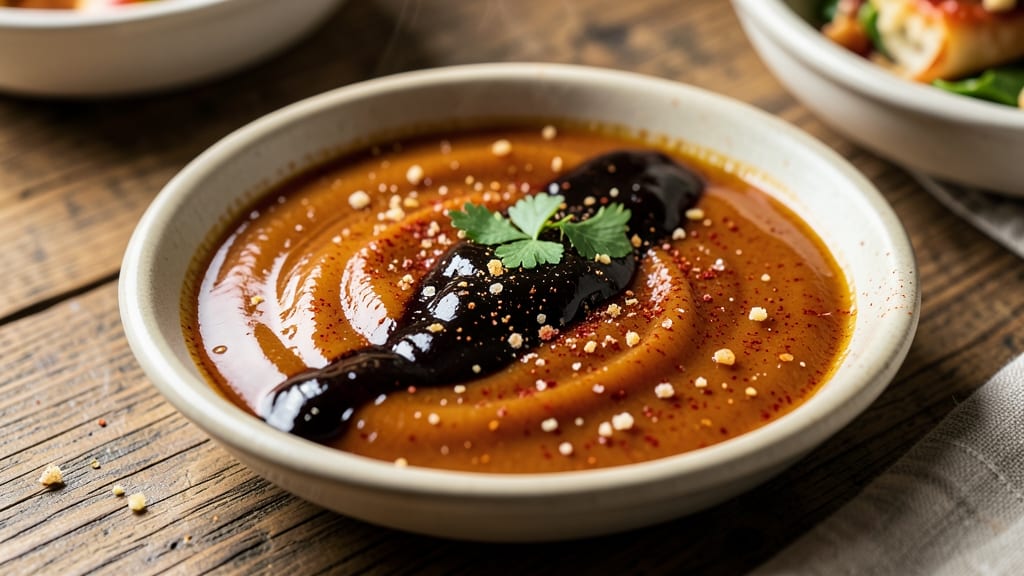
Applebee's wing sauce delivers that signature smoky-sweet heat that turns ordinary wings into an addictive experience. 🔥 The secret lies in balancing tangy tomato paste, molasses for depth, and a touch of cayenne for that signature kick—all simmered until thick and glossy.
I've recreated this sauce exactly as it's served at the restaurant, so you can achieve that same sticky, flavor-packed coating at home.
What makes this sauce special is its ability to cling to every crispy bite while delivering layers of flavor—sweet, smoky, and just spicy enough to keep you reaching for more.
The process is straightforward: combine all ingredients in a saucepan, bring to a simmer, and let it reduce until it reaches that perfect thick consistency. No fancy techniques required, just patience and attention to detail.
Once you've achieved that glossy, thick texture, you'll have a sauce that's ready to transform your wings into something extraordinary. The molasses adds a deep, caramel-like richness, while the cayenne and garlic powder deliver that signature Applebee's heat.
This sauce doesn't just taste like the restaurant—it captures the essence of their famous wings in every bite.
The best part? This sauce keeps well in the refrigerator for up to two weeks, making it perfect for meal prep or hosting game day gatherings. Whether you're serving up a batch of crispy wings or using it as a dipping sauce, this recipe delivers restaurant-quality results every time.
Let's get started on making it!
Ingredients for applebees wing sauce
Nine simple ingredients create that signature Applebee's sauce—smoky, sweet, and just spicy enough to stick with you.
| Ingredient | Amount | Notes |
|---|---|---|
| Tomato Paste 🍅 | ½ cup | Canned, unsweetened preferred |
| Molasses 🍯 | ¼ cup | Unsulphured for best flavor |
| Apple Cider Vinegar 🍏 | ¼ cup | For tangy brightness |
| Cayenne Pepper 🌶️ | 1 ½ tsp | Adjust for heat preference |
| Garlic Powder 🧄 | 1 tbsp | Fresh ground preferred |
| Onion Powder 🧅 | 1 tbsp | For depth of flavor |
| Brown Sugar 🍚 | ¼ cup | Light or dark variety |
| Water 💧 | ½ cup | For thinning consistency |
| Salt 🧂 | 1 ½ tsp | Kosher or sea salt |
| Black Pepper 🌶️ | ½ tsp | Freshly ground for best flavor |
The molasses is where the magic happens—it gives that deep, caramel-like richness that makes this sauce unforgettable. Grocery store brands work fine, but if you're feeling fancy, grab the organic kind at Whole Foods or Trader Joe's. Tomato paste? Don't even think about using the watery kind from a squeeze tube—canned unsweetened is non-negotiable. I always check the label for added sugar or salt, and if it's there, I rinse it off before using. The cayenne is what gives it that signature kick, so don't skimp—Penzeys has a great hot variety if you want to dial up the heat.
No molasses? Maple syrup or dark corn syrup will work in a pinch, but it won't be exactly the same. Short on tomato paste? Crushed tomatoes at half the amount can stretch it out, but you'll lose some of that thick, glossy texture. The vinegar is key for that tangy bite—apple cider vinegar is ideal, but white vinegar in a bind. Fresh garlic powder? Toast it in a dry pan for 30 seconds first—trust me on this. And if you're out of brown sugar, white sugar plus a pinch of cinnamon gets you close. The sauce is forgiving, but those little tweaks make all the difference.
This sauce is a game-changer for meal prep—it keeps for 2 weeks in the fridge, and freezes beautifully for up to 6 months. I like to make a double batch so I always have some on hand for game day. Store it in a sealed jar, and if it gets too thick, just add a splash of water to thin it out. The flavor actually improves after a day or two as everything melds together. Pro tip: Brush it on wings right after frying so it clings like the restaurant version. Leftovers? Perfect for dipping fries or tossing with roasted veggies.
Why You'll Love This Recipe
- Here’s what sold me: the cayenne gives a slow burn, but the molasses and tomato paste smooth it out. It’s not just spicy—it’s got this rich, almost sweet-spicy kick that sticks with you.
- Pantry Magic: I swear by this recipe because it uses stuff I already have—no special trips to the store. That molasses and apple cider vinegar combo? It turns a basic sauce into something tangy and deep without extra effort.
- Tangy Heat Balance: Here’s what sold me: the cayenne gives a slow burn, but the molasses and tomato paste smooth it out. It’s not just spicy—it’s got this rich, almost sweet-spicy kick that sticks with you.
- Game for Any Occasion: Between us, this sauce works on wings, roasted potatoes, even grilled chicken. I’ve used it for game day snacks and lazy Sunday brunches. The versatility is why I keep it in my back pocket.
Step-by-step instructions for Applebee's wing sauce
This sauce delivers that signature Applebee's sweet, smoky heat—perfect for wings or any crispy bite.
🍳 Step 1: Bloom the Spices in Oil
Heat 1 tablespoon olive oil in a medium saucepan over medium heat. Add the 1 tbsp garlic powder and 1 tbsp onion powder, stirring constantly for 30 seconds until fragrant. This step unlocks the full depth of flavor—don't rush it!
Watch for the spices to dance slightly in the oil before they deepen in aroma. If you smell burning, reduce heat to low immediately. The spices should smell warm and inviting, not acrid. This is your flavor foundation.
🔥 Step 2: Add Wet Ingredients and Simmer
Pour in the 0.5 cup tomato paste, stirring vigorously to incorporate. Then add the 0.25 cup molasses, 0.25 cup apple cider vinegar, 0.25 cup brown sugar, and 0.5 cup water. Bring to a gentle boil over medium-high heat, then reduce to medium-low and let it simmer uncovered for 10 minutes.
Stir occasionally to prevent sticking—you're looking for the mixture to thicken slightly and develop a glossy sheen. The sauce should bubble gently but not aggressively. This simmering step caramelizes the sugars and melds all the flavors together.
🥘 Step 3: Build the Heat and Season
Add the 1.5 tsp cayenne pepper, 1.5 tsp salt, and 0.5 tsp black pepper. Stir well to distribute the heat evenly. Let the sauce simmer for another 5 minutes—this is when the flavors truly come together and the sauce develops that signature tangy-sweet balance.
Taste and adjust the seasoning if needed. You might want to add a pinch more salt or cayenne for your heat preference. The sauce should coat the back of a spoon with a thick, glossy consistency—almost like a sticky syrup. If it's too thick, add 1-2 tablespoons water at a time until you reach the perfect pouring consistency.
⏰ Step 4: Cool and Thicken
Remove the sauce from heat and let it cool for 10 minutes. This resting period allows the flavors to meld completely and the sauce to thicken naturally. Stir occasionally as it cools—it will become noticeably thicker as it sits.
Here's the thing—this sauce tastes even better the next day! If you have time, let it cool completely and refrigerate for at least 1 hour before using. The flavors deepen and the texture becomes perfectly balanced. When ready to use, gently reheat over low heat, stirring occasionally, until warmed through.
Pro Tips For Making Applebees Wing Sauce
- STIR CONSTANTLY AT FIRST: The molasses and tomato paste are thick little devils—don’t walk away for even 30 seconds after mixing them with vinegar. I learned this the hard way when my sauce turned into a gloppy, uneven mess. A wooden spoon works best; metal can scratch your pan and make cleanup a nightmare.
- USE REAL APPLE CIDER VINEGAR: That "apple cider" label on cheap store brands? Skip it. Real apple cider vinegar has depth and tang—it’s the thing that makes this sauce taste like Applebee’s and not a sad imitation. If you’re pinched for time, at least use one that’s aged; the color alone tells you it’s worth it.
- DILUTE GRADUALLY, NOT ALL AT ONCE: You’ll want to thin this sauce with water or broth, but dumping it all in first guarantees a watery disaster. Start with ¼ cup, stir, then add more as needed. The goal is a glossy, coatable consistency—not a soup.
- TOAST THE GARLIC POWDER: Sounds weird, but it works: Sprinkle the garlic powder into a dry, hot pan for 10 seconds before adding it to the sauce. The toasted aroma cuts through the sweetness and adds a nutty depth that plain garlic powder can’t match. (Yes, even if you’re impatient like me.)
Best sauces and condiments for applebees wing sauce
Sweet Heat Balance
The magic of this sauce lies in its perfect balance of sweet, smoky, and spicy flavors. The molasses provides that deep caramel-like richness, while the apple cider vinegar adds tangy brightness.
I always recommend using unsulphured molasses—it has a cleaner, more complex flavor that stands up to the other ingredients. 🍯
For that signature Applebee's heat, the 1.5 tsp cayenne pepper is key, but don't be afraid to adjust it to your spice tolerance. If you're serving kids or sensitive eaters, you can reduce it to 1 tsp while still keeping that smoky depth.
The brown sugar rounds out the flavors, creating that addictive sweetness that makes this sauce so popular.
Smoky Depth Secrets
While there's no actual smoke in this recipe, the combination of garlic powder and onion powder creates that smoky illusion. I like to toast my spices in 1 tbsp olive oil for 30 seconds before adding the wet ingredients—this step unlocks their full potential.
If you have smoked paprika on hand, you can add ½ tsp for an extra smoky kick without overpowering the sauce.
The tomato paste is non-negotiable—it forms the base of the sauce and gives it that thick, glossy texture. I always use canned unsweetened tomato paste and stir it vigorously into the oil first to create a smooth paste. This prevents lumps and ensures even distribution of flavor throughout the sauce.
Versatile Uses Beyond Wings
While this sauce is legendary on wings, it's incredibly versatile. I love using it as a dipping sauce for fried chicken tenders or mozzarella sticks. The sticky, flavorful coating transforms even simple foods into something special.
For extra richness, brush it on grilled pork chops or baked fish fillets during the last 2 minutes of cooking.
It also works as a marinade—coat chicken thighs or ribs in this sauce and grill them for a sweet, smoky flavor that penetrates the meat.
Just be aware that the sauce will caramelize and thicken as it cooks, so you may need to add a splash of water to maintain the right consistency.
Storage and Shelf Life
This sauce keeps beautifully in the refrigerator for up to 2 weeks when stored in an airtight container. I like to use glass jars with tight-sealing lids—they preserve the flavor better than plastic.
If the sauce thickens too much after refrigeration, simply add 1-2 tablespoons of water and stir until smooth.
For longer storage, freeze the sauce in ice cube trays or small containers. This makes it easy to thaw just what you need for a quick meal. The sauce actually tastes better after a day or two as the flavors meld together.
I often make a double batch so I always have some on hand for game day or unexpected cravings. 💫
Nutrition facts
Frequently asked questions
Can I make this sauce without molasses?
Yes, but the flavor will differ slightly. For the closest substitute, use 3 tablespoons maple syrup plus 1 tablespoon dark corn syrup—this maintains the sweet depth. If you're avoiding all sweeteners, reduce the brown sugar to 1 tablespoon and add 1 teaspoon smoked paprika for smokiness. The sauce will still taste delicious but lose some of its signature caramel richness.
How do I adjust the heat level?
The recipe uses 1.5 teaspoons cayenne for moderate heat. For milder sauce, reduce to 1 teaspoon, while 2 teaspoons delivers serious kick. For extra heat without dry spices, add ½ teaspoon crushed red pepper flakes or 1 teaspoon hot sauce at the end. Always taste before serving—you can adjust while reheating.
Why did my sauce turn out too thin?
This usually happens from one of three issues: insufficient simmering time, too much water added, or not letting it cool properly. First, always simmer uncovered for the full 15 minutes—this reduces the liquid significantly. If it's still too thin, let it cool completely (it thickens as it cools), then reheat gently. For immediate thickening, mix 1 tablespoon cornstarch with 1 tablespoon cold water, stir into the sauce, and simmer for 2 minutes until thickened.
Can I use this sauce on foods other than wings?
This versatile sauce works beautifully on fried chicken, mozzarella sticks, grilled sausages, or even as a marinade for pork chops. For dipping, serve it warm with fries or veggie sticks. When using as a marinade, reduce the cayenne to 1 teaspoon (the acidity helps tenderize meat) and add 1 tablespoon soy sauce for extra depth. Always brush on during the last 2-3 minutes of cooking to prevent burning.
How do I store leftovers for best flavor?
Store in an airtight glass container in the fridge for up to 2 weeks. The flavors actually improve with time—let it sit for 24 hours before using for maximum depth. For freezing, portion into ice cube trays or small jars. Thaw overnight in the fridge, then reheat gently over low heat, stirring occasionally. If it thickens too much after refrigeration, add 1 tablespoon water per ½ cup sauce and stir until smooth.