
Sauces & Condiments
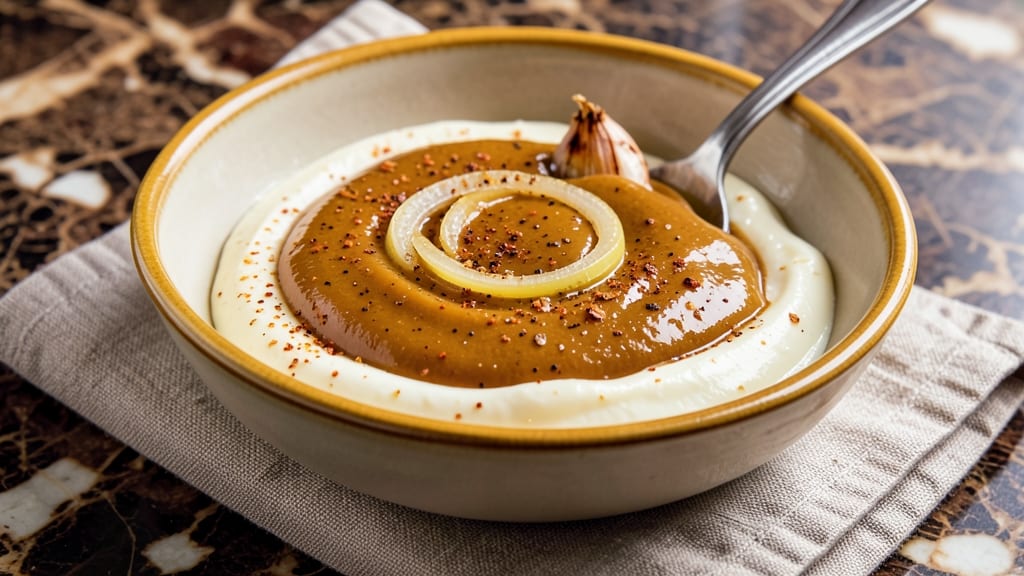
This Applebee's Cajun Alfredo sauce recipe delivers that signature creamy, spicy richness without a single lump—just like your favorite restaurant. The secret lies in a proper roux foundation and careful cheese incorporation, which transforms simple pantry staples into velvety, flavor-packed sauce. I've perfected this version after years of testing, ensuring it stays smooth, thick, and packed with that signature Cajun kick.
What sets this sauce apart is the balance of heat and creaminess—Cajun seasoning adds depth without overpowering the rich, cheesy base. We'll build the sauce from scratch using a roux to prevent separation, then incorporate cream and cheese in stages for that signature restaurant-quality texture.
The result is a sauce that's perfect for dipping, drizzling, or tossing with your favorite proteins or pasta.
Once you taste this version, you'll never go back to store-bought or lumpy homemade attempts. The sauce maintains its perfect consistency even after reheating, making it ideal for meal prep.
With just 15 minutes of active time and 30 minutes of simmering, you'll have enough to coat a crowd or save for later.
Store leftovers in the refrigerator for up to 5 days or freeze for 3 months—the flavors only deepen over time. Whether you're serving it with chicken tenders, shrimp, or pasta, this sauce will elevate every bite to restaurant-quality levels. Let's get started on recreating that iconic flavor at home.
Ingredients for applebee's cajun alfredo sauce
Nine simple ingredients transform into velvety, spicy Alfredo that rivals Applebee's signature sauce.
| Ingredient | Amount | Notes |
|---|---|---|
| Unsalted Butter 🧈 | ½ cup | Cold, cubed for roux |
| All-Purpose Flour 🌾 | ½ cup | Diamond Crystal preferred |
| Heavy Whipping Cream 🥛 | 1 ½ cups | Full-fat for richness |
| Cajun Seasoning 🌶️ | 2 tbsp | Tony Chachere's preferred |
| Garlic Cloves 🧄 | 4 cloves | Fresh, minced finely |
| Yellow Onion 🧅 | ½ cup | Diced small, medium size |
| Parmesan Cheese 🧀 | 1 cup | Freshly grated, block preferred |
| Romano Cheese 🧀 | ½ cup | Freshly grated, block preferred |
| Whole Milk 🥛 | ½ cup | For thinning if needed |
| Salt 🧂 | ½ tsp | Kosher preferred |
| Ground Black Pepper 🌶️ | ¼ tsp | Freshly ground |
The butter and flour create the sauce's backbone—this is where the magic happens. Use cold butter cubes for a smoother roux, and don't rush the cooking process. Diamond Crystal flour absorbs moisture better than most brands, preventing lumps. For the Cajun seasoning, Tony Chachere's is the gold standard—it's got that perfect balance of heat and smokiness. If you're using pre-shredded cheese, avoid it—it's coated with anti-caking agents that make the sauce grainy. Instead, grab a block of Parmesan and Romano and grate it yourself.
No Cajun seasoning? Mix 1 tbsp paprika, 1 tsp garlic powder, 1 tsp onion powder, 1/2 tsp cayenne, and 1/2 tsp dried thyme for a close substitute. Running low on heavy cream? Half-and-half works in a pinch, though the sauce won't be quite as rich. The milk is just for thinning if needed—start with just a splash and add more gradually. Fresh garlic and onion are non-negotiable here; jarred minced garlic has a metallic aftertaste that ruins the sauce. For extra depth, toast the flour in the butter for 2-3 minutes before adding liquid—it adds a nutty flavor that elevates everything.
This sauce reheats beautifully—just warm it gently on the stove with a splash of milk if it thickens too much. Store leftovers in the fridge for up to 5 days or freeze for 3 months. I like to portion it into ice cube trays before freezing—perfect for adding to pasta or dipping later. The sauce actually tastes better the next day as the flavors meld together. If you're making it for a crowd, double the recipe—it disappears fast!
Why You'll Love This Recipe
- One-Pot Magic: I swear by this sauce because it’s literally one pan, one whisk, and done. No straining, no extra bowls—just melt butter, toss in flour, add cream and spices, and let it thicken. That’s it. My lazy nights just got a whole lot easier.
- Spice That Sticks: The Cajun seasoning doesn’t just sit there—it marries with the garlic and butter to create this smoky, slightly kicky depth that clings to everything. It’s rich but not heavy, creamy but with a punch. Honestly, I’ve never had alfredo this exciting.
- Leftovers That Work: This sauce keeps perfectly for days, and it’s just as good reheated as it is fresh. Slather it on pasta, drizzle it over grilled chicken, or even use it as a dip—it’s my go-to for busy mornings or last-minute dinner fixes. (Yes, even on a Tuesday night.)
- Budget-Friendly Luxury: Heavy cream and butter might sound fancy, but you’re using small amounts, and the rest of the ingredients are pantry staples. I’ve made this for date nights, game days, and “I don’t feel like cooking” nights—all without breaking the bank. Pure satisfaction.
Step-by-step instructions for Applebee's Cajun Alfredo sauce
Here's how to make that signature creamy, spicy sauce at home—smooth, rich, and lump-free every time.
Create a Smooth Roux with Butter and Flour
In a medium saucepan over medium heat, melt the 0.5 cup unsalted butter completely, stirring occasionally. Once fully melted and foaming subsides, reduce heat to medium-low and gradually whisk in the 0.5 cup all-purpose flour until fully combined. This creates a roux—the foundation of your sauce.
Cook the roux for 3-4 minutes, whisking constantly, until it turns a light golden color. You'll notice it thickens noticeably and smells nutty. This step is crucial—if you see brown specks, your sauce will taste bitter. Keep the heat gentle to prevent burning while ensuring the flour cooks out completely.
Cook Aromatics Until Fragrant
Add the 0.5 cup diced yellow onion and 4 cloves minced garlic to the roux, stirring constantly for 2-3 minutes until the onion softens and the garlic becomes aromatic. The mixture should smell sweet and savory—this builds the flavor base for your sauce.
Here's where the Cajun kick comes in: Sprinkle in the 2 tbsp Cajun seasoning, 0.5 tsp salt, and 0.25 tsp ground black pepper, stirring vigorously to distribute evenly. Cook for another 30 seconds to toast the spices slightly—this deepens their flavor without burning. The sauce should now have a rich, spicy aroma that fills your kitchen.
Gradually Add Cream for Silky Texture
Slowly pour in the 1.5 cups heavy whipping cream while whisking continuously to prevent lumps. Return heat to medium-low and simmer for 5-7 minutes, stirring frequently, until the sauce thickens enough to coat the back of a spoon. This gradual addition is key—adding cream too quickly creates lumps that are nearly impossible to fix later.
I like to taste the sauce at this stage—it should be rich, slightly spicy, and properly thickened. If it's too thick, we'll adjust it in the next step. The sauce should coat your whisk like a thin layer of cream, not be stiff or glue-like.
Incorporate Cheeses for Maximum Flavor
Reduce heat to low and gradually whisk in the 1 cup freshly grated Parmesan cheese and 0.5 cup freshly grated Romano cheese. These cheeses melt differently—Parmesan adds sharpness while Romano contributes a more delicate, nutty flavor. Stir constantly for 2-3 minutes until completely melted and smooth.
If the sauce is still too thick after adding the cheeses, thin it with 1-2 tablespoons of whole milk at a time until it reaches your desired consistency. The sauce should be velvety yet still cling to pasta or chicken. Real talk: Don't rush this step—properly melted cheese makes all the difference in that restaurant-quality texture.
Finish and Serve Immediately
Remove the sauce from heat and let it sit for 2 minutes to thicken slightly. Give it one final taste and adjust seasoning if needed—you might want to add a pinch more Cajun seasoning or salt to match your spice preference. The sauce should be creamy, spicy, and perfectly balanced.
Use immediately over your favorite pasta, chicken, or seafood. This sauce doesn't reheat well—it thickens dramatically when cooled. For best results, serve right away while still warm. The combination of creamy texture and Cajun heat is what makes this sauce so special, and now you've got the perfect homemade version!
Pro Tips For Making Applebee'S Cajun Alfredo Sauce
- Bloom the Flour Properly: Cook the roux until it’s a deep golden color—not white, not brown—just before the butter smell fades. I learned this the hard way: rushing it makes the sauce taste raw and floury. Use medium heat and stir constantly (yes, even if you’re impatient like me).
- Toast the Garlic: Sauté the minced garlic in butter until it’s lightly browned, not burnt. That extra 30 seconds of toasting adds a nutty depth the recipe skips. Just watch it like a hawk—it turns bitter fast.
- Temper the Cream: Slowly whisk the heavy cream into the roux off the heat to avoid scrambling it. I used to dump it in hot and ended up with lumpy sauce. Start with a splash, then let it cool slightly before adding the rest.
- Season in Layers: Add half the Cajun seasoning with the cream, then taste before adding the rest. Store-bought blends vary wildly—start light and adjust. (Pro move: Toast the seasoning in the butter first for extra punch.)
Storing and reheating your leftovers
Fridge Storage Tips
Store your Cajun Alfredo sauce in an airtight container—I use glass Pyrex with snap-on lids for best results. Let it cool completely before refrigerating to prevent condensation, which can dilute flavors.
The sauce keeps well for up to 5 days at 40°F or below, with flavors actually deepening overnight as the spices meld together. 💫
For portion control, transfer sauce to small glass jars (like 8-ounce mason jars) before storing. This makes it easy to grab just the right amount for dipping or tossing with pasta later.
I always label my containers with the date to track freshness—this sauce is best used within the week for peak creaminess.
Freezer Prep
Freeze your sauce in 1-cup portions using ice cube trays—this is my secret for perfect single servings later. Once frozen, transfer the cubes to a freezer bag with all air removed to prevent freezer burn.
The sauce maintains quality for up to 3 months, though I recommend using it within 2 months for best texture.
When you're ready to use frozen sauce, thaw it in the refrigerator overnight. For quick use, microwave on low power for 1-2 minutes, stirring occasionally. If it thickens too much, add 1-2 tablespoons of warm milk to restore that creamy consistency.
The sauce may separate slightly after freezing—just whisk vigorously to recombine before using.
Reheating Perfection
For the best results, reheat your sauce on the stovetop over low heat with a splash of whole milk to prevent drying. I typically add 1-2 tablespoons of milk per cup of sauce and stir constantly until warmed through.
This method preserves the sauce's velvety texture better than microwaving, which can make it grainy.
Never boil the sauce—just keep it at a gentle simmer until heated through (165°F internal temperature). If you notice it thickening too much, add more milk gradually until you reach your desired consistency.
The sauce should be smooth, creamy, and ready to elevate any dish in just 5-7 minutes of reheating. 🔥
Sauce Consistency Fixes
If your reheated sauce is too thick, thin it with warm milk or heavy cream—about 1 tablespoon at a time until you reach the perfect cling. For extra richness, I sometimes add a pat of softened butter while reheating.
If the sauce separates, whisk vigorously or blend briefly with an immersion blender to restore its smooth texture.
For a restaurant-style finish, stir in ½ teaspoon of Cajun seasoning while reheating to revive that signature kick. The sauce should be velvety yet still coat the back of a spoon—this is the hallmark of a properly made Cajun Alfredo.
Trust me, these small adjustments make all the difference when recreating that Applebee's flavor at home. ✨
Nutrition facts
Frequently asked questions
Can I make this sauce without heavy cream?
You can substitute with half-and-half for a lighter version, but the sauce won't be quite as rich. For a dairy-free option, try full-fat coconut milk—just reduce it by 2 tablespoons first to account for its higher water content. The texture will be slightly thinner but still flavorful. For best results, stick with heavy cream for that signature velvety consistency.
How do I adjust the spice level?
The recipe uses 2 tablespoons of Cajun seasoning for a balanced kick. For milder heat, reduce to 1 tablespoon or use 1 teaspoon cayenne pepper instead. Want more spice? Add ½ teaspoon cayenne or a pinch of red pepper flakes. Always taste as you go—the sauce can be adjusted even after cooking by adding more seasoning while warm.
Why did my sauce turn out lumpy?
Lumps usually happen when cream or cheese is added too quickly. Always whisk continuously while adding liquids, and keep heat at medium-low to prevent sudden temperature changes. If lumps appear, blend the sauce briefly with an immersion blender or strain through a fine-mesh sieve. For next time, melt the cheese over a double boiler instead of adding it directly to the sauce.
Can I use this sauce for dipping?
This sauce is perfect for dipping—it's thick enough to cling to chicken tenders, shrimp, or fries while still being smooth and flavorful. For extra dippability, chill the sauce slightly before serving. The Cajun seasoning adds a nice contrast to crispy foods, making every bite even more delicious. Just be sure to serve it warm for the best texture.
What's the best way to use up leftover sauce?
Freeze leftovers in 1-cup portions using ice cube trays for easy single servings later. Thaw in the fridge overnight and use to toss with pasta, drizzle over grilled chicken, or mix into scrambled eggs. For a quick meal, stir the sauce into rice or quinoa with some cooked shrimp or chicken. The sauce actually tastes better the next day as flavors meld together—just reheat gently with a splash of milk.