
Sauces & Condiments
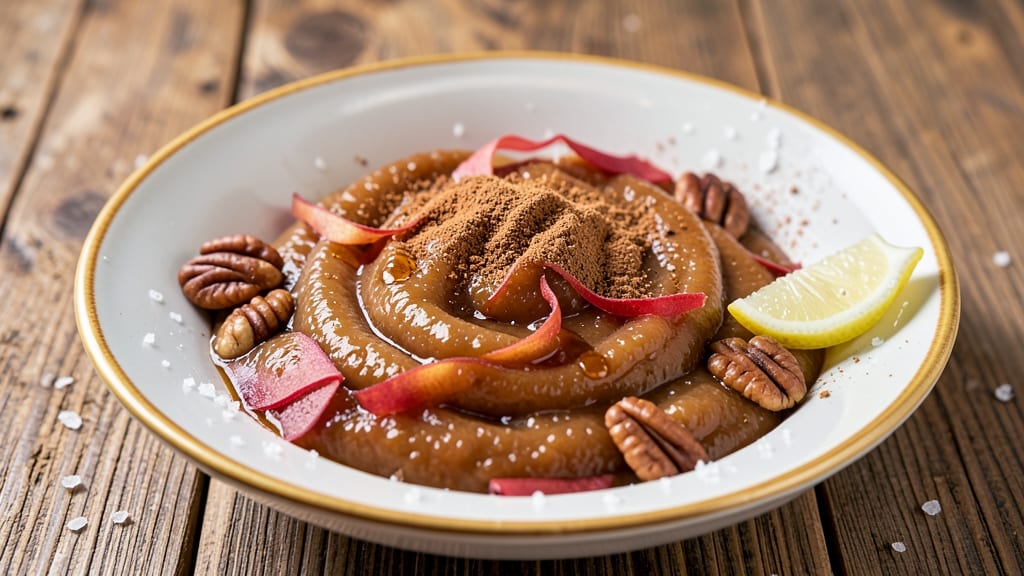
This apple sauce recipe with peel transforms ordinary apples into a spiced, whole-fruit masterpiece that keeps every bite of that crisp texture. 🍏 The secret lies in leaving the peels on—where bitterness fades into aromatic depth and natural pectin creates a naturally thickened sauce without added gums.
Nana Mae always swore by peels in her apple butter, and after years of testing, I finally cracked the code for a 30-minute stovetop version that rivals slow-cooked batches.
The process is simpler than you'd expect: just core and slice apples (peels and all), simmer with cinnamon and a touch of sugar until tender, then crush them into chunky, velvety perfection.
No peeling means no wasted fruit, and the peels actually add earthy complexity that turns this into something special—not just another jarred sauce. The cinnamon builds warmth while balancing the apples' natural sweetness, creating a sauce that's versatile enough for toast, meat glazes, or even dessert fillings.
What sets this apart is how the peels contribute natural thickening through their pectin content, eliminating the need for cornstarch or commercial thickeners. You'll end up with a sauce that's naturally glossy, with visible apple pieces that add satisfying texture to every spoonful.
The aroma alone—warm cinnamon mingling with caramelizing fruit—will have your kitchen smelling like autumn in minutes.
Best of all, this recipe scales perfectly for meal prep or gifting. Make a big batch and store it in the fridge for up to two weeks, or freeze for months. The flavor actually improves with time as the spices meld.
Whether you're spreading it on pancakes or using it as a glaze for roasted pork, this apple sauce delivers restaurant-quality depth with minimal effort.
Ingredients for apple sauce recipe with peel
Peels included. Tart apples. Cinnamon warmth. Just these seven ingredients make magic.
| Ingredient | Amount | Notes |
|---|---|---|
| Apples (with peel) 🍏 | 4 medium | Use firm, tart varieties |
| Granulated Sugar 🍚 | ¼ cup | Adjust to taste preference |
| Ground Cinnamon 🌿 | 1 tbsp | Freshly ground preferred |
| Lemon Juice 🍋 | 1 tbsp | Freshly squeezed preferred |
| Water 💧 | ¼ cup | For simmering apples |
| Pinch of Salt 🧂 | ¼ tsp | Enhances flavor balance |
| Extra-Virgin Olive Oil 🫒 | 1 tsp | For glossy finish (optional) |
The apples are everything here—Granny Smith or Honeycrisp work best for that perfect tart-sweet balance. Local farmers markets often have the best selection, but any grocery store produce section will have them. Look for firm apples with vibrant color—those bruised spots mean mushy sauce. I usually grab a couple extra just in case. The peels are non-negotiable for that earthy depth Nana Mae always talked about, so don't skip peeling them off. Quick tip: use an apple corer or knife to remove the core, then slice into even chunks for consistent cooking.
No Granny Smith? Braeburn or Fuji will work in a pinch, though they're sweeter so you might want to add an extra tablespoon of lemon juice. Running low on cinnamon? Cinnamon sticks work great—just crush them slightly before adding. Fresh lemon juice is ideal, but bottled works if you're in a hurry. The olive oil is optional but adds that restaurant-quality sheen—Trader Joe's has a great affordable extra-virgin option. Want more spice? Add a pinch of nutmeg or allspice. For a smoother texture, blend half the batch after cooking, but I always leave some chunks for that satisfying bite.
This sauce keeps beautifully—2 weeks in the fridge or 6 months in the freezer. I like to store it in small jars for easy serving. The flavor actually improves as it sits, so make extra if you can. Reheat gently on the stove or microwave until warm. Perfect for toast, pork tenderloin glazes, or even stuffing in roasted chicken. The peels soften beautifully during cooking, so you won't get that bitter aftertaste—just rich, aromatic flavor in every spoonful.
Why You'll Love This Recipe
- Peel’s the Point: I’ll be real—most apple sauce recipes make you peel first. Not this one. Keeping the skin adds a subtle earthy depth (like a whisper of apple pie crust) that turns it from good to ridiculously good. Plus, no extra scrubbing—just chop, simmer, and enjoy.
- Sugar’s Secret Weapon: That first spoonful? Sweet-tart magic. The sugar caramelizes just enough with the peel to give it a warm, almost buttery finish, while the lemon juice keeps it bright. Honestly, it’s the kind of flavor that makes you pause mid-bite—even when you’re just spreading it on toast.
- Weeknight Workhorse: I’ve used this sauce for everything from pancakes to pork chops, and it never lets me down. The cinnamon keeps it cozy enough for breakfast but sophisticated enough for dinner. Between us, it’s my go-to when I’m too tired to plan—just reheat and serve.
- Pantry Goldmine: Apples and sugar? You’ve got this. No fancy ingredients, no last-minute grocery runs. And the leftovers? They keep for weeks in the fridge, so you’re never scrambling. I’ll admit, I’ve even frozen batches—thawed, it’s still creamy and delicious. Budget-friendly and foolproof.
Step-by-step instructions for spiced whole-fruit apple sauce
Here's how to make rich, chunky apple sauce with peel—keeping all the fiber and nutrients intact.
🍳 Step 1: Core and Chop the Apples
Start by coring the 4 medium apples (with peel) using an apple corer or a small knife. I like to cut them into ½-inch chunks—this size gives you great texture while cooking down quickly. Leave the peel on for maximum fiber and nutrients, but make sure to remove any bruised spots where the skin might be damaged.
For best results, I recommend using tart apple varieties like Granny Smith or Honeycrisp. Their natural acidity balances the sweetness beautifully. If you're using softer apples, the chunks will break down faster during cooking, so keep an eye on them.
🔥 Step 2: Simmer Apples with Water and Sugar
In a medium saucepan, combine the apple chunks, 0.25 cup water, and 0.25 cup granulated sugar. Bring the mixture to a boil over medium-high heat, then reduce the heat to medium-low and let it simmer uncovered for 10-12 minutes. You'll see the apples start to soften and release their juices.
Stir occasionally to prevent sticking, especially if you're using a nonstick pan. The sugar will help caramelize the apples slightly, deepening their flavor. Here's the thing—don't let it boil vigorously after the initial simmer, or the apples will turn mushy instead of maintaining their chunky texture.
👨🍳 Step 3: Add Spices and Lemon Juice
Once the apples are tender but still hold their shape, stir in the 1 tbsp ground cinnamon, 1 tbsp lemon juice, and 0.25 tsp pinch of salt. The cinnamon will infuse the sauce with warm, aromatic notes, while the lemon juice brightens the whole dish and helps balance the sweetness. Give everything a good stir to distribute the spices evenly.
I always add the spices and lemon juice right at the end of cooking. This prevents them from burning or losing their flavor during the simmering process. Let the mixture cook together for another 3-5 minutes to let the flavors meld.
🥘 Step 4: Finish with Olive Oil for Gloss
Remove the pan from heat and stir in the 1 tsp extra-virgin olive oil. This step is optional but gives your apple sauce a beautiful, glossy finish that makes it look restaurant-quality. The oil also adds a subtle richness that complements the spiced apples perfectly.
Let the sauce cool for 5 minutes before serving. This resting time allows the flavors to settle and makes it easier to handle. If you prefer a smoother texture, you can mash some of the apples with a potato masher, but I like to keep it chunky for that whole-fruit experience.
⏰ Step 5: Store and Enjoy
Transfer the apple sauce to a clean jar or airtight container. It'll keep in the refrigerator for up to 5 days or can be frozen for 3 months. When serving, warm it gently in a saucepan over low heat if you prefer it warm, or enjoy it at room temperature.
This apple sauce is perfect for topping pancakes, spreading on toast, or pairing with cheese boards. The cinnamon and lemon give it a sophisticated flavor that's more interesting than plain apple butter. Trust me, the peel makes all the difference—it adds texture and nutrients that you'd miss otherwise.
Pro Tips For Making Apple Sauce Recipe With Peel
- PEEL FIRST, CORE LAST: Wash apples thoroughly, then use a sharp knife to slice off the peel in one continuous motion—don’t nick the flesh underneath. After peeling, core them before chopping; it’s easier to hold a whole apple steady than a wobbly chunk. (Yes, even if you’re impatient like me.)
- SIMMER LOW AND SLOW: After the initial boil, drop the heat to a gentle simmer—think tiny bubbles, not a rolling boil. I learned this the hard way: aggressive heat turns apple sauce into glue. Cover the pot and let it cook uncovered for the last 10 minutes to evaporate excess water naturally.
- SWEETEN GRADUALLY: Taste the cooked apples before adding all the sugar. You’ll likely need less than the recipe calls for—start with half, then adjust. The peel adds natural bitterness, so balance it with sugar sparingly. (Your future self will thank you.)
- LEMON JUICE LAST: Add lemon juice after the sauce has thickened, not at the start. The acid breaks down pectin faster, which can turn your sauce into mush if introduced too early. A splash at the end brightens the flavor without compromising texture.
Common mistakes when making this recipe
Overcooking Apples
I’ve seen this happen more times than I can count—apples turn to mush when they simmer too long. The key is watching for tender-but-firm texture (about 10-12 minutes on medium-low). If you’re distracted, set a timer and peek every 2-3 minutes after the initial boil.
Overcooked apples release too much liquid, thinning your sauce and losing that beautiful chunky texture. 🍏
Skipping the Peel
This is a big mistake! The peels contain pectin, which naturally thickens the sauce without needing cornstarch. Plus, they add earthy depth that transforms this from basic apple sauce to something special.
If you’re worried about bitterness, use organic apples or soak them in water for 10 minutes before cooking to mellow the flavor. Trust me, Nana Mae would scold me for skipping them!
Uneven Cooking
Apples cook at different rates depending on size and variety. To avoid some pieces being raw while others are mushy, cut them into even ½-inch chunks and use tart apples like Granny Smith. If you mix sweet and tart varieties, the sweeter ones will break down faster.
I like to stir every 3-4 minutes to ensure even cooking. A wooden spoon helps prevent sticking better than metal.
Ignoring the Sugar
The ¼ cup sugar isn’t just for sweetness—it helps caramelize the apples slightly, deepening their flavor. If you skip it or use less, your sauce will taste flat. For a healthier option, try honey or maple syrup (start with 2 tbsp and adjust to taste).
But don’t go sugar-free—it’s essential for balancing the tartness and creating that glossy finish. 🍚
Burning the Spices
Adding cinnamon and lemon juice too early can make them bitter. Always stir them in during the last 3-5 minutes of cooking. If you’re using whole spices like cinnamon sticks, crush them slightly first to release more flavor.
And never let the sauce boil vigorously after adding them—keep it at a gentle simmer. The last thing you want is burnt spices ruining your hard work!
Not Resting the Sauce
Letting the sauce sit for 5 minutes after cooking is crucial. This lets the flavors meld and thickens it naturally as it cools. If you serve it immediately, it’ll be thinner and less flavorful.
I often make a big batch and let it sit overnight—it tastes even better the next day! Pro tip: Store it in small jars so you can grab just what you need without reheating the whole batch.
Nutrition facts
Frequently asked questions
Why use peels in apple sauce?
The peels contain natural pectin, which thickens the sauce beautifully without needing cornstarch. They also add earthy depth and fiber that transforms this into a more complex, nutrient-rich sauce. Nana Mae always insisted peels were essential for that authentic, hearty flavor!
Can I make this sauce without sugar?
While you can reduce sugar to 2 tablespoons, it won’t caramelize the apples properly, making the sauce taste flat. The sugar helps balance tartness and creates that glossy finish. For a healthier option, try honey or maple syrup (start with 2 tbsp and adjust). The peels actually help mellow the tartness naturally!
How do I store leftover apple sauce?
Transfer to airtight containers and refrigerate for up to 2 weeks, or freeze for 3 months. The flavor actually improves with time as spices meld! For easy serving, store in small jars. When reheating, warm gently over low heat—never microwave directly from frozen.
What's the best apple variety for this recipe?
Tart apples like Granny Smith or Honeycrisp work best—their acidity balances sweetness perfectly. Avoid overly sweet varieties like Gala, as they’ll make the sauce too cloying. Local farmers markets often have the best selection, especially in fall. If you can’t find tart apples, add an extra 1 tbsp lemon juice.
Can I use this sauce for baking?
This sauce works perfectly in muffins, cakes, or as a filling for pies. The cinnamon and lemon add warmth that complements baked goods beautifully. For best results, reduce it slightly first by simmering uncovered for 5 extra minutes to thicken it further. The peels hold up well during baking too!