
Sauces & Condiments
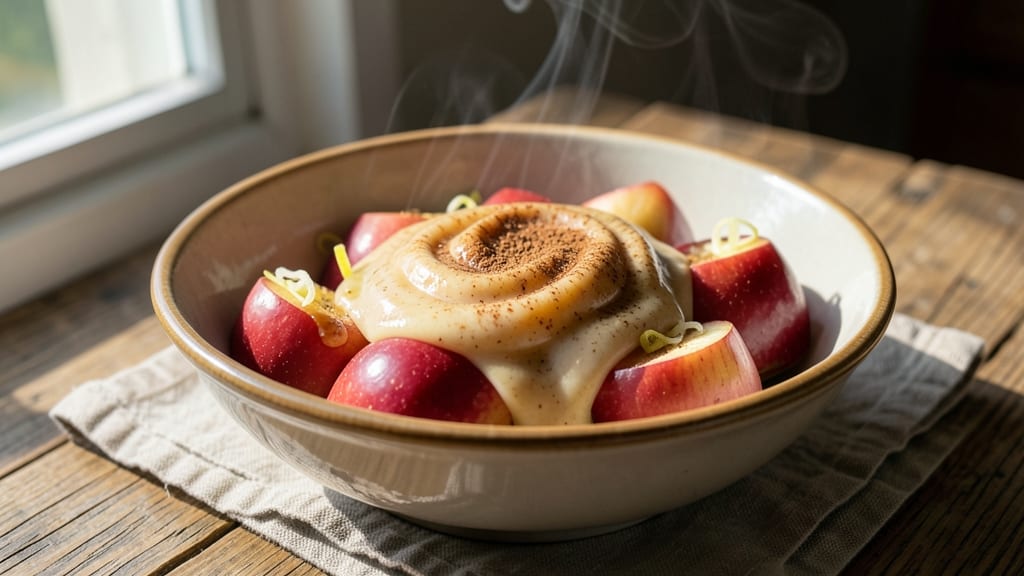
This low-sugar apple sauce recipe transforms simple apples into a velvety, naturally sweetened condiment that skips refined sugar entirely. The secret lies in balancing warm spices like cinnamon and vanilla, which enhance sweetness without adding calories or sugar.
I developed this recipe after realizing store-bought versions often contained hidden sugars, and I wanted a healthier alternative that still tasted indulgent.
What makes this sauce special is its versatility and simplicity—just four core ingredients create a smooth, spreadable texture perfect for topping oatmeal, pairing with meats, or using as a natural sweetener in baking.
The apples cook down until tender, releasing their natural sugars gradually, while the spices deepen the flavor profile. No artificial additives or excess sweetness here—just pure, wholesome apple goodness.
By the end, you'll have a smooth, spiced apple sauce that's rich enough to stand alone but subtle enough to complement savory dishes. The texture remains silky rather than grainy, thanks to a simple blending technique.
Best of all, it keeps beautifully in the fridge for up to two weeks, making it a pantry staple for healthy eating.
For those watching their sugar intake, this recipe is a game-changer—it delivers the comforting flavors of traditional apple sauce without the guilt. The spices do most of the work, creating warmth and depth that make every spoonful satisfying.
Ready to make a batch? Let's get started with just a few ingredients and minimal effort.
Ingredients for apple sauce recipe low sugar
Six ingredients transform apples into velvety, naturally sweetened sauce without refined sugar.
| Ingredient | Amount | Notes |
|---|---|---|
| Apples (Honeycrisp or Fuji) 🍎 | 4 medium | Peeled, cored, chopped |
| Water 💧 | 1 cup | Or unsweetened apple juice |
| Ground Cinnamon 🌿 | 1 tsp | Freshly ground preferred |
| Vanilla Extract 🍯 | ½ tsp | Pure vanilla extract |
| Lemon Juice 🍋 | 1 tbsp | Freshly squeezed |
| Pinch of Salt 🧂 | ⅛ tsp | Enhances flavor balance |
The apples are the foundation—Honeycrisp or Fuji deliver the perfect balance of sweetness and texture. Local farmers markets often carry these varieties at peak season, but any crisp apple works in a pinch. Avoid mealy varieties like Granny Smith unless you're aiming for tartness. The lemon juice isn't just for acidity; it preserves color while preventing browning during prep. For optimal flavor, use organic apples when possible—their thinner skins contain more beneficial compounds.
No vanilla extract? Vanilla bean paste works beautifully, or a pinch of ground vanilla bean if you're feeling fancy. The cinnamon can be swapped for nutmeg or allspice at half the amount for different warmth levels. Running low on water? Unsweetened apple juice adds subtle sweetness without sugar. The salt may seem negligible, but it rounds out all the flavors—don't skip it. For a smoother texture, blend the apples before cooking, but I prefer the rustic quality of slightly chunky sauce.
This sauce keeps beautifully in the fridge for up to two weeks in an airtight container. For longer storage, freeze in ice cube trays—perfect for single-serving portions. The flavor actually improves over time as the spices meld. If you find yourself with extra, it pairs wonderfully with roasted pork or as a natural sweetener in overnight oats. The lemon juice helps preserve freshness, so don't rush to use it all at once.
Why You'll Love This Recipe
- Just 5 Ingredients: I swear, this is the kind of recipe where you’ll stare at your pantry thinking, "Do I have enough?"—and the answer is always yes. Honeycrisp apples (or Fuji if that’s what you’ve got) hold their shape beautifully, and the rest? Water, cinnamon, vanilla, lemon. That’s it. No overcomplicating, no hunting for obscure spices.
- Warm Spice Hug: Honestly, the cinnamon and vanilla do all the heavy lifting here. The apples soften just enough to release that natural sweetness, but the real magic? That first sprinkle of cinnamon turns it from good to "I need more" in seconds. A squeeze of lemon at the end keeps it bright—no cloying sugar crash, just pure, cozy flavor.
- Pantry to Plate: Between us, this is my go-to for lazy Sundays or when I’m prepping meals for the week. Spread it on toast, dollop it over yogurt, or—here’s my secret—use it as a glaze for roasted chicken. It’s the kind of thing that disappears fast, so making a batch means I’m not scrambling later. (Yes, even on a Tuesday night.)
- Budget-Friendly Luxury: Apples are cheap, and this recipe stretches them further than you’d think. A few slices go a long way, and the leftovers? They keep for days in the fridge, so I’m not wasting money on single-use sauces. Plus, the vanilla and lemon elevate it to feel fancy—without the markup of store-bought versions. It’s the kind of deal that makes me feel like I’m treating myself.
Step-by-step instructions for low-sugar apple sauce
Transform simple ingredients into a velvety, naturally sweetened apple sauce with perfect spice balance.
Prepare the Apples for Cooking
Peel, core, and chop the 4 medium Apples (Honeycrisp or Fuji) into even ¼-inch chunks. I use a sharp chef's knife for this—it gives you better control than a food processor for even cooking. The chunks should be uniform in size so they soften simultaneously in the pot.
Place the chopped apples in a large, heavy-bottomed saucepan. This type of pan distributes heat evenly, preventing scorching while the apples cook. Add the 1 cup Water (or unsweetened apple juice for deeper flavor) and bring to a gentle boil over medium-high heat. The water should just cover the apple pieces completely.
Simmer Until Apples Break Down
Once boiling, reduce heat to medium-low and let the apples simmer uncovered for 15-20 minutes. You'll know they're ready when the apples are fork-tender and the mixture begins to naturally thicken. Stir occasionally to prevent sticking, but don't mash them yet—we want them to soften and release their juices naturally.
Here's the thing—Honeycrisp and Fuji apples break down beautifully without added sugar, but they need time. If you rush this step, you'll end up with a watery sauce. The apples should collapse easily when pierced with a fork, but still retain some shape.
Season and Finish the Sauce
Add the 1 tsp Ground Cinnamon, 0.5 tsp Vanilla Extract, 1 tbsp Lemon Juice, and 0.125 tsp Pinch of Salt to the simmering apples. Stir gently to combine. The cinnamon should dissolve completely, while the lemon juice will brighten the natural sweetness of the apples without adding sugar.
Continue simmering for another 5-7 minutes until the sauce reaches your desired consistency. For a smoother texture, use an immersion blender to puree directly in the pot. For rustic texture, simply mash with a potato masher. The sauce should coat the back of a spoon but still be spreadable—not gluey.
Cool and Store Properly
Remove from heat and let the sauce cool completely at room temperature for 10 minutes, then transfer to a clean jar or airtight container. The sauce will thicken further as it cools, so don't be tempted to thin it with extra water. This natural thickening is what gives homemade apple sauce its perfect texture.
For best results, store in the refrigerator for up to 1 week or freeze for up to 3 months. The flavors actually improve over time as the spices meld with the apples. When ready to serve, gently reheat on the stovetop over low heat, stirring occasionally until warmed through.
Pro Tips For Making Apple Sauce Recipe Low Sugar
- PEEL AND CORE SMALL: I used to slice apples with skins on, thinking it’d save time—big mistake. Honeycrisp and Fuji have tough skins that resist breaking down, leaving you with a chunky, uneven texture. Take the 30 seconds to peel and core them first; your sauce will be silky smooth every time.
- SIMMER LOW AND SLOW: After burning three batches, I finally figured out that high heat turns apple sauce into glue. Once the apples soften, drop the heat to a gentle simmer. It’ll take 10-15 minutes longer, but you’ll avoid that bitter, overcooked flavor that ruins everything.
- LEMON JUICE FIRST: My grandmother swore by this, and she was right: add the lemon juice before the cinnamon. The acid brightens the apples and cuts through any bitterness as they cook. Skip this, and your sauce might taste flat—even with all the cinnamon in the world.
- STRAIN OR MASH: Sounds weird, but it works: if you want a perfectly smooth sauce, strain it. If you prefer texture, mash it with a potato masher. No food mill? A fine-mesh sieve and a spoon work just fine—just don’t skip this step if you’re picky about consistency.
Common mistakes when making perfect results
Overcooking Apples
One of the biggest mistakes is letting the apples cook too long, which turns your sauce into mush and creates a watery consistency. I’ve seen this happen when people walk away from the stove or don’t check the doneness.
The apples should be fork-tender but still hold their shape—about 15-20 minutes on medium-low heat. If they break apart completely, your sauce will lose that lovely rustic texture and become gluey. 🍎
Skipping the Simmer Time
Rushing the simmering process is another common error. Apples need that time to soften and release their natural juices, which build flavor and thickness. If you try to speed things up by cranking the heat, you’ll end up with a thin, bland sauce.
The low-and-slow method is key—it allows the apples to break down evenly while keeping the sauce cohesive. Trust the process!
Ignoring the Spices
Some people assume cinnamon and vanilla are optional, but they’re the secret to enhancing sweetness without sugar. The spices not only add warmth but also balance the natural tartness of the apples. If you skip them or use too little, your sauce will taste flat.
I recommend using freshly ground cinnamon for the best flavor—pre-ground can taste stale. A ½ tsp of vanilla extract makes a noticeable difference, so don’t cut corners here. 🌿
Adding Sugar Later
This is a low-sugar recipe, but I’ve seen people sneak in honey or maple syrup at the end to "fix" the sweetness. That defeats the whole purpose! The spices and lemon juice are designed to enhance the apples’ natural sweetness.
If your sauce tastes too tart, try adding a pinch more cinnamon or a splash of unsweetened apple juice instead. The goal is to rely on the apples’ inherent flavor, not mask it.
Not Adjusting for Tart Apples
If you use a tart variety like Granny Smith, the sauce will taste overly sour without balancing flavors. I’ve made this mistake myself—once with a batch of Granny Smiths that turned out too sharp.
The fix? Add a little more cinnamon or a touch of vanilla to round out the acidity. For extra insurance, taste as you go and adjust gradually. The spices are your best friends here!
Storing Improperly
Finally, storing apple sauce incorrectly can ruin its texture and flavor. I’ve seen people leave it at room temperature too long or store it in containers that don’t seal tightly, leading to mold or a skin forming on top.
Always transfer the sauce to an airtight container and refrigerate within 2 hours of cooking. For longer storage, freeze in small portions—this prevents freezer burn and makes it easy to thaw just what you need. ❄️
Nutrition facts
Frequently asked questions
Can I use any apple variety for this low-sugar sauce?
While Honeycrisp and Fuji work best, you can use other varieties—but expect different results. Tart apples like Granny Smith will need extra cinnamon or vanilla to balance their sharpness. Avoid overly soft apples like Red Delicious, as they break down too quickly and create a watery texture. For best flavor, stick with crisp, sweet-tart varieties.
How do I make this sauce thicker without adding sugar?
Simmer the sauce uncovered for an extra 5-10 minutes to evaporate excess liquid. For instant thickening, mash the cooked apples more thoroughly with a potato masher. If it's still too thin, blend with an immersion blender—this removes air pockets and concentrates the flavor. Never add flour or cornstarch, as that would defeat the low-sugar purpose.
What's the best way to use up extra low-sugar apple sauce?
This versatile sauce works perfectly as a natural sweetener in overnight oats, yogurt parfaits, or smoothies. Spread it on toast with cinnamon, use it as a glaze for roasted pork tenderloin, or freeze in ice cube trays for single-serving portions. It also makes a great base for homemade applesauce muffins when combined with whole wheat flour and a touch of baking powder.
Can I substitute maple syrup for the natural sweetness?
Yes, but use it sparingly! Add just ½ teaspoon of pure maple syrup at the end of cooking if needed, but the spices and lemon juice are designed to enhance the apples' natural sweetness. Too much syrup defeats the low-sugar purpose and can make the sauce overly cloying. Taste first—you might not need any extra sweetener at all.
Why does my homemade sauce separate when refrigerated?
This happens when the sauce cools too quickly or isn't blended thoroughly. Stir gently while warm to redistribute the liquid, then reheat on low heat until smooth. For prevention, blend the sauce while still warm before transferring to containers. The natural pectin in apples helps with thickening, but some separation is normal—just stir before using.