
Sauces & Condiments
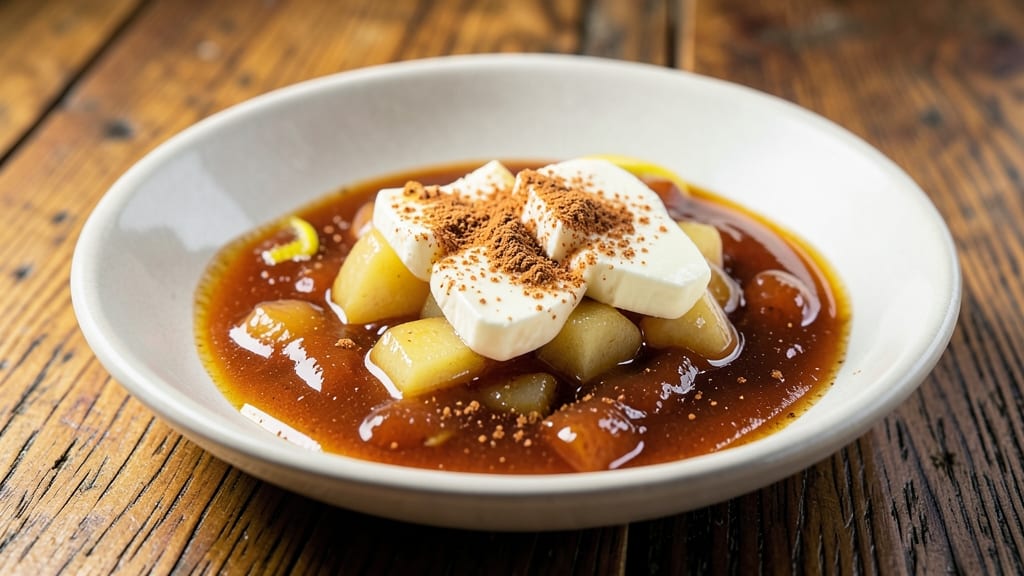
This apple reduction sauce recipe transforms ordinary apples into a velvety, concentrated sweetness that elevates pies, pastries, and even savory dishes. The secret lies in slow simmering—reducing fresh apple purée with sugar and a touch of acid until it thickens into a glossy, aromatic sauce.
I developed this recipe after years of baking, where store-bought versions never quite captured the depth of homemade.
What sets this sauce apart is its versatility—use it as a pie filling, drizzle over cheesecake, or even glaze roasted pork. The process is straightforward: simmer apple purée with sugar and lemon juice until syrupy, then finish with butter for a silky texture.
No gelatin or cornstarch needed—just natural reduction for a restaurant-quality result.
By the time you’re done, you’ll have a sauce that’s rich, fragrant, and packed with caramelized apple flavor. It keeps well in the fridge for up to a week, making it perfect for meal prep or holiday baking. The best part? Every spoonful tastes like autumn in a jar.
Pair it with roasted meats, vanilla ice cream, or even a charcuterie board for a sophisticated touch. Here’s how to make it—simple, foolproof, and worth every minute of simmering.
Ingredients for apple reduction sauce
Eight simple ingredients transform fresh apples into a velvety sauce perfect for pies and pastries.
| Ingredient | Amount | Notes |
|---|---|---|
| Fresh Apples (e.g., Honeycrisp or Granny Smith) 🍎 | 4 medium | Peeled, cored, chopped small |
| Granulated Sugar 🍚 | 1 cup | White or brown preferred |
| Lemon Juice 🍋 | 2 tbsp | Freshly squeezed, acidic balance |
| Unsalted Butter 🧈 | 2 tbsp | Cold, cubed for finishing |
| Vanilla Extract 🌿 | 1 tsp | Pure vanilla for aroma |
| Ground Cinnamon 🌶️ | ½ tsp | Optional for warmth |
| Salt 🧂 | ¼ tsp | Kosher or sea salt |
| Water 💧 | ½ cup | For thinning if needed |
Apples are the heart of this sauce, so pick ones with bright color and firm texture. Honeycrisp or Granny Smith work best—Honeycrisp for sweetness, Granny Smith for tartness. I always buy organic if possible, especially since we're peeling. The sugar is non-negotiable here—white or light brown keeps it neutral. If you're using tart apples, you might want to reduce the sugar slightly. The lemon juice is crucial for balancing sweetness and preventing browning. Freshly squeezed is best, but bottled works in a pinch if you're in a hurry.
No vanilla extract? Vanilla bean paste works beautifully, or skip it entirely—just know the flavor will be subtler. Want more depth? Add a pinch of cinnamon or cardamom. The butter at the end is what gives it that silky texture, so don't skip it. If you're making this ahead, you can omit the butter until serving—it stays fresh longer. The water is just for thinning if your sauce gets too thick during reduction. Trust me, it's better to have it slightly thicker than too thin—you can always add water later.
This sauce keeps beautifully in the fridge for up to 1 week in an airtight container. For longer storage, freeze it in ice cube trays—perfect for single-use portions. Reheat gently on the stove or in the microwave until warm. The flavor actually improves after a day or two as the sugars meld. I always make extra—it disappears fast when drizzled over pancakes or used as a pie filling. If it crystallizes, just reheat it with a splash of water.
Why You'll Love This Recipe
- Foolproof Simplicity: I swear by this—just peel, chop, and simmer. No peeling skills? Use a paring knife and a bowl of water to keep those apples from browning while you work. Fifteen minutes later, you’ve got a glossy, velvety sauce with zero fuss.
- Sweet-Tart Magic: That first spoonful of Honeycrisp’s honeyed crunch melting into tangy Granny Smith? Chef’s kiss. A splash of lemon juice keeps it bright, and the vanilla? It’s the secret handshake that makes this taste like autumn in a jar.
- Pantry Staple Power: Make a double batch—it’s your new go-to for roasted pork, pancake drizzle, or even ice cream topping. (Yes, I’ve done it. Yes, it’s worth it.) The butter at the end? That’s the move that turns good into ridiculously good.
- Budget-Friendly Luxury: Apples stay cheap, sugar won’t break the bank, and a stick of butter stretches far. Store leftovers in the fridge for up to a week, or freeze it for months—because why not treat yourself when life gets busy? It’s comfort food without the guilt.
Step-by-step instructions for apple reduction sauce
Here's how to transform fresh apples into a rich, concentrated sauce perfect for pies, tarts, and pastries.
Prepare the Apples and Initial Cook
Peel, core, and chop the 4 medium fresh apples into small, even pieces—about ¼-inch cubes. The smaller the pieces, the faster they'll cook down. Transfer them to a medium saucepan with the 1 cup granulated sugar and 2 tablespoons lemon juice.
Place the saucepan over medium-high heat and bring the mixture to a boil. Stir occasionally to prevent sticking—this is where most people mess up. Once boiling, reduce heat to medium-low and let it simmer uncovered for 15-20 minutes, stirring every 5 minutes. You're looking for the apples to soften completely and the mixture to thicken slightly. Here's the thing—don't rush this step. The longer you cook it, the more concentrated the flavor becomes.
Simmer Until Thick and Concentrated
After the initial cook, increase the heat to medium-high again and let the mixture bubble vigorously for 10-15 minutes. This is where the magic happens—the water content reduces dramatically, creating that thick, syrupy consistency. You'll see the sauce darken slightly and smell that intense apple aroma. Keep stirring occasionally to prevent scorching at the bottom. If it starts to stick, add 1-2 tablespoons of water at a time until it loosens.
You'll know it's ready when the sauce coats the back of a spoon and the apples have completely broken down. The texture should be thick enough to hold its shape when drizzled. Real talk: this is the most critical step. If you walk away, it can easily burn or reduce too much. I promise, the extra attention pays off with a sauce that's perfect for drizzling over desserts or using as a filling.
Finish with Butter and Seasonings
Once the sauce reaches your desired thickness, remove it from heat and stir in the 2 tablespoons cold cubed unsalted butter. Let it sit for 1 minute to melt completely, then whisk until smooth. This step adds richness and helps balance the acidity from the lemon juice. Add the 1 teaspoon vanilla extract, ½ teaspoon ground cinnamon, and ¼ teaspoon salt, stirring well to combine. Taste and adjust seasoning if needed—you might want a touch more cinnamon or salt depending on your apples.
The sauce should be sweet, tangy, and aromatic with a perfect balance of flavors. If it's too thick, whisk in 1-2 tablespoons of water to reach your desired consistency. I like it thick enough to coat the back of a spoon but still pourable. Let it cool slightly before using—this allows the flavors to meld even more. This sauce keeps well in the fridge for up to 5 days or can be frozen for 3 months.
Pro Tips For Making Apple Reduction Sauce
- PEEL AND CORE FAST: Use a paring knife to slice off the peel in one long spiral strip—no peeler required. Then cut the fruit into even ½-inch chunks (smaller = faster cooking, but watch for scorching).
- STIR CONSTANTLY AT FIRST: High heat for the first 5 minutes prevents sugar from burning. I learned this the hard way—my first batch tasted bitter because I walked away. Keep a wooden spoon moving until the apples soften.
- SALT THE BUTTER: Add a pinch of fine sea salt to the cold butter before whisking it into the warm reduction. The salt cuts through the sweetness and balances the acidity—trust me, it makes a real difference.
- THIN WITH WATER IF NEEDED: If the sauce thickens too much, splash in 1 teaspoon of water at a time. I skip this when I’m lazy, but the dish is noticeably better when I don’t let it get gluey.
Regional styles of these flavors
French Tart Sauce
In France, this sauce is called compote de pommes réduite and often used as a glaze for tarte Tatin or drizzled over crème brûlée. The French version typically uses Bosc pears alongside apples for depth, but I’ve found Braeburn apples work perfectly too.
The key difference? A splash of Cognac—about 1 tablespoon—added during reduction for a subtle boozy note. Simmer until it reaches a thick syrup consistency, then finish with a swirl of crème fraîche for a luxurious touch. 🍷
German Apfelsoße
Germany’s Apfelsoße (apple sauce) takes this to hearty territory, often served with roast pork or sausages. The German approach includes 1 teaspoon of apple cider vinegar and a pinch of ground ginger for warmth. I like to use Boskop apples—their firm texture holds up better during long simmering.
After reducing, stir in 1 tablespoon of honey instead of sugar for a deeper caramelization. Serve warm over potato dumplings or alongside bratwurst for a cozy meal. ❄️
British Apple Butter
Across the pond, this sauce becomes apple butter, a staple for scones and cheddar cheese boards. The British version slow-cooks apples with spiced rum (about 1 tablespoon) and a generous helping of black pepper for a savory twist.
Use Cox’s Orange Pippin apples—their tartness balances the sweetness beautifully. After reducing, blend until smooth for a spreadable consistency. I’ve even seen it used as a glaze for roasted lamb—trust me, it’s a game-changer. 🥖
American Apple Pie Filling
In the U.S., this sauce is often the star of apple pies and cobbler. The American twist? Adding 1 teaspoon of cornstarch to thicken it further, and a sprinkle of nutmeg for that classic pie spice flavor.
I’ve made this with Granny Smith apples for a tangier filling, then baked it into a lattice-topped pie. For extra richness, fold in 1 tablespoon of brown sugar during the final reduction. Serve warm with vanilla ice cream for the ultimate comfort food. 🥧
Scandinavian Glaze
In Scandinavian countries, this sauce is used as a glaze for ham or roasted root vegetables. The Nordic approach includes 1 teaspoon of aquavit (or vodka) and a pinch of allspice for a warming kick. Use Elstar apples—their balanced sweet-tart profile shines in this style.
After reducing, strain the sauce for a silky texture, then brush it over roasted potatoes or glazed salmon in the final minutes of cooking. The result? A caramelized, aromatic finish that’s pure comfort. 🌟
Italian Dolce
Italy transforms this sauce into a dolce (sweet sauce) for panna cotta or cannoli. The Italian version swaps sugar for honey (about ¾ cup) and adds 1 teaspoon of orange zest for brightness. Use Golden Delicious apples—their mild sweetness pairs perfectly.
After reducing, fold in 2 tablespoons of heavy cream for a velvety finish. Drizzle over ricotta cheesecake or spoon into cannoli shells** for a showstopping dessert. 🍋
Nutrition facts
Frequently asked questions
Can I use canned apples instead of fresh?
Canned apples work perfectly for this recipe, especially unsweetened varieties. Use about 2 cups of drained canned apples (roughly equivalent to 4 fresh apples) and reduce the sugar to ½ cup since canned apples are pre-cooked and sweeter. Drain well to avoid excess liquid during reduction.
How do I adjust the sweetness level?
Taste your sauce before finishing with butter. For tart apples like Granny Smith, start with the full 1 cup sugar but reduce to ¾ cup if using sweeter varieties. If it's too sweet after cooking, add 1 teaspoon lemon juice at the end. For less sweetness, use ½ cup sugar and balance with extra cinnamon.
Why did my sauce turn out too thin?
This usually happens if you didn't simmer long enough or used too much water. For next time, cook uncovered on medium-high heat until it reduces by about ⅓ of its volume. If it's already too thin, simmer uncovered for 5-10 more minutes, stirring often. You can also mix 1 teaspoon cornstarch with 1 tablespoon water, stir into the sauce, and cook for 2 more minutes until thickened.
Can I make this sauce without butter?
Yes! For a dairy-free version, finish with 1 tablespoon coconut oil or 1 teaspoon neutral oil (like avocado oil) instead of butter. The texture will be slightly different but still delicious. If you omit butter entirely, add ½ teaspoon vanilla extract for richness. This works especially well for vegan versions.
How can I use this sauce beyond desserts?
This versatile sauce works beautifully with savory dishes too! Drizzle over roasted pork tenderloin, glaze chicken thighs, or use as a dip for pretzels. For a Scandinavian-inspired touch, brush it on roasted potatoes or carrots in the last 10 minutes** of cooking. The acidity and sweetness pair perfectly with fatty meats and rich cheeses.