
Sauces & Condiments
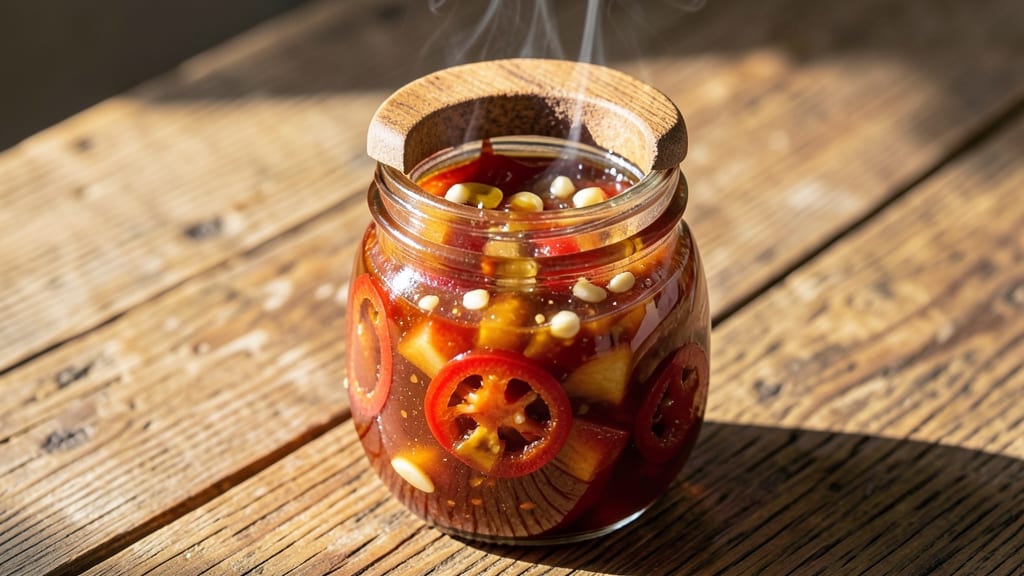
This apple habanero hot sauce recipe delivers a perfect balance of sweet fruit and fiery heat that elevates everything from tacos to grilled meats.
The key lies in blending ripe apples with fresh habaneros, creating a sauce that's both vibrant and complex—sweet on the front, with lingering heat that builds gradually.
I developed this recipe after years of experimenting with fruit-based hot sauces, and the apple's natural acidity perfectly complements the habanero's intensity without overpowering it.
The process is straightforward but requires patience—especially when balancing the sweetness and heat. You'll start by cooking down apples, onions, and garlic until they form a fragrant base, then blend in habaneros (seeds removed for less heat) with vinegar and spices.
The result is a smooth, glossy sauce with a thin yet clingy consistency that coats every bite. What sets this apart is how the apple's caramelized notes mellow the habanero's sharpness, creating a flavor profile that's addictive yet sophisticated.
This sauce transforms ordinary dishes into something extraordinary—think smoky pulled pork with a tangy kick, grilled shrimp that sizzles with every bite, or tacos that pack layers of sweet and spicy.
The versatility makes it a pantry staple, and the heat level is adjustable based on how many habaneros you use. Store it in the fridge for up to 2 weeks, or extend its shelf life with proper canning techniques.
For those new to habaneros, start with 1-2 peppers and taste as you go—you can always add more heat later. The sauce's depth comes from reducing it slowly, so don't rush the process.
Trust me, the first time you drizzle this over searing-hot wings or a charred steak, you'll understand why this recipe deserves a permanent spot in your kitchen.
Ingredients for apple habanero hot sauce
Sweet apples meet fiery habaneros for a sauce that transforms everything from tacos to grilled meats.
| Ingredient | Amount | Notes |
|---|---|---|
| Red Apples 🍎 | 2 lbs | Honeycrisp or Fuji for sweetness |
| Fresh Habanero Peppers 🌶️ | 3 whole | Seeds removed for milder heat |
| Yellow Onions 🧅 | 1 whole | Medium size, diced finely |
| Garlic Cloves 🧄 | 6 cloves | Fresh, minced for aromatic base |
| Apple Cider Vinegar 🍶 | ½ cup | For tangy brightness |
| Granulated Sugar 🍚 | ¼ cup | Balances heat and sweetness |
| Salt 🧂 | 1 ½ tsp | Diamond Crystal preferred |
| Ground Black Pepper 🌶️ | ½ tsp | Freshly cracked for depth |
| Extra-Virgin Olive Oil 🫒 | ¼ cup | For glossy finish |
| Water 💧 | ½ cup | Adjust for desired consistency |
The apples are the backbone of this sauce—Honeycrisp or Fuji work best for their sweet-tart balance. Grab a couple pounds from Whole Foods or your local market's produce section, where they're usually fresher than the grocery store. The habaneros? Mexican markets often carry them, but if you can't find them, Trader Joe's usually stocks them year-round. Look for peppers that are firm with vibrant color—no soft spots or wrinkles. The onions and garlic should be fresh too; yellow onions add a subtle sweetness that pairs perfectly with the apples, while the garlic deepens the sauce's complexity. Don't skip the vinegar—apple cider vinegar keeps the flavor profile cohesive and adds that signature tang.
No habaneros? Jalapeños or serranos can work in a pinch, but you'll need to add more for heat—start with 6-8 peppers and adjust to taste. Running out of apple cider vinegar? White vinegar or lemon juice will do, though the flavor will shift slightly. The sugar is key here—it's not just for sweetness, but to help balance the acidity and heat. Brown sugar works too if you're out of white, but it'll add a caramelized note. For the olive oil, a fruity, peppery variety enhances the sauce's depth—avoid the cheap stuff. If your sauce ends up too thick, add water a tablespoon at a time until it reaches that perfect thin yet clingy consistency mentioned in the intro. And trust me, the freshly cracked black pepper makes all the difference—it's worth grinding it yourself.
This sauce keeps beautifully in the fridge for up to 2 weeks, though I find it tastes best within the first week. For longer storage, transfer it to a clean glass jar and refrigerate—it'll stay potent for up to 3 months. The first time you drizzle this over searing-hot wings or a charred steak, you'll understand why it deserves a permanent spot in your kitchen. Freezing isn't recommended, as the texture can change, but if you must, use ice cube trays for single-serving portions. Label everything—this sauce is addictive, and you'll want to make it again and again.
Why You'll Love This Recipe
- No-Fuss Ingredients: I keep red apples and habaneros in my pantry year-round because this sauce only needs five things—and three of them are already in my fridge. Honestly, the onions and garlic are just there to make it taste like home, not to complicate things.
- Sweet Heat Balance: That first bite of crisp apple with habanero’s fiery kick? It’s like biting into a spicy caramel apple—except you can drizzle it on everything. The vinegar ties it all together so it’s never just one note screaming at you.
- Weeknight Magic: I make a big batch on Sundays and keep it in the fridge for tacos, grilled cheese, or even scrambled eggs. (Yes, even on a Tuesday night.) It’s the kind of sauce that makes lazy meals feel special without any extra effort.
- Budget Stretch: A single habanero and a couple apples go a long way—this recipe costs me pennies per serving. Plus, the leftovers last for weeks, so I’m not scrambling to buy more every time I crave that tangy, spicy punch.
Step-by-step instructions for apple habanero hot sauce
Here's how to craft a perfectly balanced hot sauce with sweet apple depth and habanero heat.
Prepare the Base Ingredients
Core the 2 lbs red apples and cut them into ½-inch chunks, leaving the skin on for texture. Remove stems and seeds from the 3 whole fresh habanero peppers, then slice them into ¼-inch rings. Finely dice the 1 whole yellow onion into ⅛-inch pieces—smaller pieces cook faster and release more flavor. Mince the 6 cloves garlic cloves until you have a fine paste, as this ensures even distribution throughout the sauce.
Real talk: the habanero seeds are where most of the heat lives, so removing them gives you a milder but still fiery sauce. If you prefer more heat, leave 1-2 seeds in one pepper. Peel the garlic cloves first to remove any papery skins—this prevents bitter flavors from developing during cooking.
Cook the Aromatics and Apples
Heat the 0.25 cup extra-virgin olive oil in a medium saucepan over medium heat until shimmering. Add the diced onion and cook for 5-6 minutes until translucent and slightly caramelized. Stir in the minced garlic and cook for 30 seconds until fragrant—don't let it brown or it'll turn bitter.
Add the apple chunks and habanero slices, stirring to combine. Cook for 8-10 minutes until the apples begin to soften but still hold their shape. You want them tender enough to blend but not mushy. Here's the thing—if the apples release too much liquid, reduce heat slightly to prevent steaming instead of cooking.
Build the Sauce Base
Pour in the 0.5 cup apple cider vinegar and 0.5 cup water, scraping up any browned bits from the bottom of the pan. Add the 0.25 cup granulated sugar, 1.5 tsp salt, and 0.5 tsp ground black pepper, stirring until everything is well combined. Bring the mixture to a gentle simmer over medium-low heat.
Simmer uncovered for 15-20 minutes until the apples are completely tender and the mixture has reduced by about ⅓. You'll notice the sauce thickens slightly and the apple flavors meld with the vinegar's tang. Taste occasionally—this is when you can adjust the heat-sweet balance. If it's too sweet, add a splash more vinegar. If it needs more heat, add a pinch more salt to enhance the habanero's flavor.
Blend and Finish
Transfer the cooked mixture to a blender or food processor. Blend until completely smooth, scraping down the sides as needed. For a chunkier texture, pulse briefly instead of blending fully. Return the sauce to the saucepan and simmer for another 5 minutes to sterilize it and develop deeper flavors.
Here's where it gets fun—taste and adjust. You can thin with additional water if needed, or thicken with a cornstarch slurry if too thin. The sauce should coat the back of a spoon but still be pourable. I like to strain it through a fine-mesh sieve for extra smoothness, pressing on the solids to extract every last drop of flavor. Pour into a sterilized jar and let cool completely before sealing.
Pro Tips For Making Apple Habanero Hot Sauce
- CHAR THE ONIONS: Cook the onions until they’re deep golden, almost caramelized—this isn’t just about flavor, it’s about balancing the habanero’s fire. I used to rush this step, and the sauce always tasted sharp and unfinished. Take your time; a few extra minutes here make a real difference.
- REMOVE HABANERO SEEDS: Cut open the habaneros and scrape out the seeds and membranes—they’re where most of the heat lives. I learned this the hard way after making a batch so spicy it took three glasses of milk to fix. Keep the flesh for flavor, but ditch the seeds unless you’re going for nuclear-level heat.
- PEEL THE APPLES: Peel and core the apples before cooking—this isn’t a pie, and you don’t want stringy texture or bitter skins. I skipped this once and ended up with a sauce that felt like eating through apple leather. A vegetable peeler works fastest, but a knife gets the job done.
- SIMMER LOW AND LONG: Reduce the sauce on low heat for at least 20 minutes after everything’s combined—this lets the flavors meld without burning. I used to crank the heat to speed things up, and the vinegar would turn harsh. Patience here guarantees a smooth, balanced sauce.
Storing and reheating this dish
Fridge Storage Essentials
Store your apple habanero hot sauce in a sterilized glass jar with an airtight lid—this preserves freshness and prevents contamination. I use Ball mason jars because they're non-reactive and keep flavors vibrant for up to 2 weeks in the fridge.
Always cool the sauce completely before sealing to avoid condensation buildup, which can dilute flavors over time. 💧
Freezer Preservation
For longer storage, divide the sauce into ice cube trays—each cube equals about 1 tablespoon, perfect for single-use portions. Once frozen, transfer cubes to a freezer-safe bag with all air removed.
This method maintains texture and heat intensity for up to 3 months. Label with the date to track freshness.
Thawing Techniques
Thaw frozen cubes in the fridge overnight for best results—the slow process prevents texture breakdown. For quick use, place the sealed bag in a bowl of cool water for 10-15 minutes, stirring occasionally.
Never microwave, as it can degrade the sauce's delicate balance of sweetness and heat. Always shake well before using.
Reheating Safely
Gently reheat refrigerated sauce in a small saucepan over low heat for 3-5 minutes, stirring constantly. Avoid boiling to prevent separation. If the sauce thickens too much, add 1 teaspoon water at a time until it reaches that thin yet clingy consistency.
For microwave reheating, use 30-second intervals on low power, stirring between each. 🔥
Shelf Life Extension
To maximize shelf life, add ½ teaspoon bottled lemon juice per cup of sauce before storing—this acts as a natural preservative. For canning, process jars in a water bath for 10 minutes to ensure safety.
Sterilize all equipment thoroughly to prevent spoilage. Properly stored, canned sauce lasts up to 1 year without refrigeration.
Quality Indicators
Discard any sauce that develops an off smell, mold, or unusual texture. The apple's natural sweetness should dominate, with habanero heat lingering but not overpowering. If the color fades or the sauce tastes flat, it's time to make a fresh batch. Trust your senses—when in doubt, toss it out. 🌶️
Nutrition facts
Frequently asked questions
Can I substitute other fruits for apples in this hot sauce?
Yes, but apples are key for their natural acidity and sweetness that balances the habanero's heat. Try peaches or pineapple for a tropical twist, but reduce sugar by 0.1 cup since these fruits are naturally sweeter. Avoid overly tart fruits like lemons—they'll overpower the sauce's complexity.
How do I adjust the heat level if my habaneros are too mild?
For more heat, add 1-2 extra habanero slices (seeds removed) during cooking, or blend in ½ teaspoon cayenne pepper at the end. If you prefer smoky heat, char the habaneros over an open flame for 10 seconds before blending—they'll develop deeper flavor notes while keeping the same heat level.
What's the best way to use this sauce without overpowering dishes?
Start with ½ teaspoon per serving and adjust to taste. It pairs beautifully with creamy dishes like mac and cheese or grilled chicken, but for delicate flavors (like fish), dilute with 1 tablespoon water per teaspoon of sauce. The apple's sweetness makes it versatile—try it on tacos, in marinades, or even as a cocktail garnish!
Can I make this sauce without a blender?
Simmer the cooked mixture for 5 extra minutes to break down the apples further, then press through a fine-mesh sieve using a spoon. For texture, leave some apple chunks in the sauce—it'll create a rustic, chunky version that still delivers bold flavor. Just stir well before serving to distribute the heat evenly.
Why did my sauce turn cloudy after refrigerating?
Cloudiness usually means the sauce separated due to cooling too quickly or improper storage. Stir well before using, or gently reheat over low heat while stirring constantly. To prevent this, always cool the sauce completely before sealing, and store in a clean, dry jar. If cloudiness persists, strain through a cheesecloth for a smoother texture.