
Sauces & Condiments
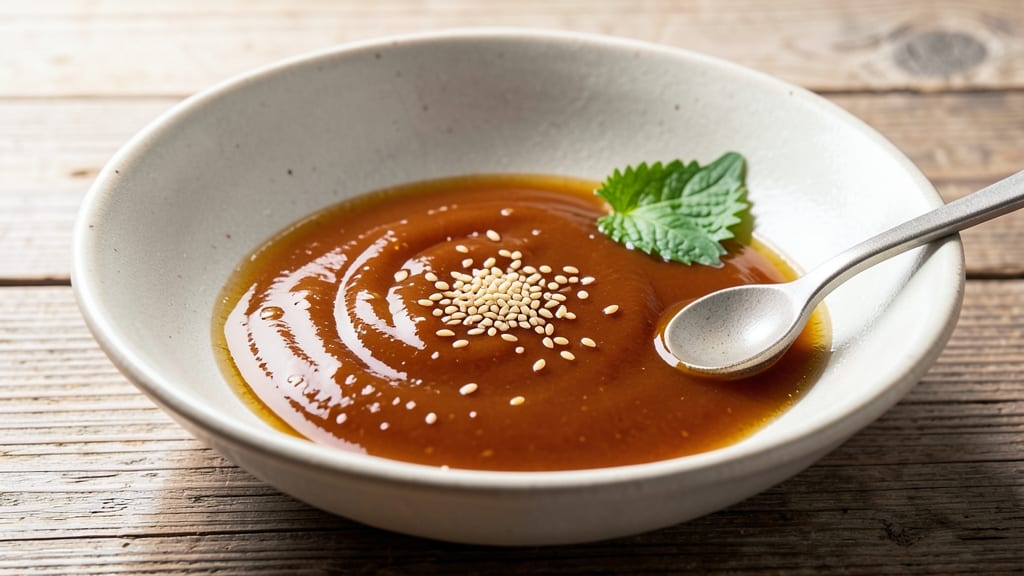
This ankake sauce recipe transforms grilled meats and roasted vegetables into restaurant-worthy masterpieces with its signature smoky-sweet depth. 🔥 Born from fermented soybeans and Japanese rice wine, this sauce delivers a complex flavor profile that bridges umami, caramelized sweetness, and subtle funk—perfect for okonomiyaki, ramen, or grilled skewers.
The fermentation process (or quick homemade alternative) creates that signature tangy richness you can't find in store-bought versions.
The beauty of ankake lies in its versatility—it elevates simple proteins like chicken or pork into showstopping centerpieces while adding depth to vegetables.
Traditional recipes require patience (fermenting the soybean paste for weeks), but this adaptation delivers restaurant-quality results in under 30 minutes using pantry staples like mirin, sake, and sugar. The key is balancing the fermented soybean paste's intensity with the wine's brightness, creating a sauce that's both bold and harmonious.
What sets this ankake sauce apart is its dual role as both marinade and glaze. Brush it on meats before grilling for tender, caramelized edges, then drizzle the reduced version over finished dishes for that glossy, sticky finish.
The smoky-sweet profile works equally well on seared scallops, roasted Brussels sprouts, or even as a dipping sauce for tempura. One batch keeps in the fridge for up to 2 weeks, making it ideal for meal prep.
For those short on time, a quick version uses store-bought fermented soybean paste (like miso or shoyu-based) with added mirin and sugar, skipping the fermentation entirely. Whether you go traditional or fast-track, this sauce will become your secret weapon for adding Japanese restaurant flair to any dish.
Let's make it—your taste buds will thank you.
Ingredients for ankake sauce
Six pantry staples plus two specialty finds create this smoky-sweet sauce masterpiece.
| Ingredient | Amount | Notes |
|---|---|---|
| Fermented Soybean Paste (Miso or Ankake Base) 🥢 | ½ cup | White or red miso works (avoid sweet miso) |
| Dry White Wine (Sake or Mirin Substitute) 🍶 | ½ cup | Sake preferred for authenticity |
| Mirin 🍶 | ¼ cup | Sweet cooking wine (not to be confused with rice wine) |
| Granulated Sugar 🍚 | ¼ cup | Light brown sugar for deeper caramel notes |
| Water 💧 | ½ cup | Filtered or spring water preferred |
| Soy Sauce (Light or Dark) 🥢 | 2 tbsp | Kikkoman preferred for balance |
| Rice Vinegar 🍶 | 1 tbsp | Seasoned rice vinegar adds tang |
| Sesame Oil (Toasted) 🌰 | 1 tbsp | For nutty aroma (toasted preferred) |
| Fresh Ginger 🧡 | 1 tbsp | Grated, for subtle heat |
| Garlic Cloves 🧄 | 2 cloves | Minced, for depth |
The fermented soybean paste is non-negotiable—Kikkoman Ankake if you can find it, otherwise white miso works beautifully. Trader Joe's carries a good white miso, or check the Asian aisle at Whole Foods. For the sake, Suntory or Dassai deliver authentic flavor, but any dry white wine in a pinch (just add 1 tsp sugar to compensate). The mirin should be real mirin, not the 'cooking wine' imposters—Honen Mirin is my go-to. Sugar matters here: light brown adds subtle caramel notes that regular granulated sugar misses. If you're in a rush, swap the miso for 1 tbsp miso paste plus 1 tbsp soy sauce—still delicious, just faster.
No sake? Dry white wine plus 1 tsp sugar mimics the balance perfectly. Fresh out of ginger? Ground ginger at half the amount works, but the texture will differ slightly. Sesame oil giving you pause? Toasted peanut oil is a decent substitute (though less traditional). The garlic can be pre-minced from a jar, but fresh is worth the 30-second effort—it makes a noticeable difference. For a quicker version, reduce the water by half and add 1 tbsp honey or maple syrup to deepen the caramelization. The sauce thickens as it cools, so don't stress if it looks thin while hot.
This sauce is a fridge staple—up to 2 weeks when stored in a clean glass jar with a tight seal. The flavors actually improve with time as the components meld together. For long-term storage, freeze in ice cube trays—perfect for single-use portions. If you make extra, drizzle it on grilled corn or roasted carrots—it's that versatile. The sauce reheats beautifully; just warm gently on the stove with a splash of water if it thickens too much. Pro tip: Save the leftover reduction from cooking down the sauce—it's even more concentrated and perfect for finishing dishes.
Why You'll Love This Recipe
- Five-Ingredient Magic: I swear, this sauce is the kind of recipe that makes me feel like a genius—just fermented soybean paste, a splash of white wine (or sake), mirin, sugar, and water. No chopping, no fussing, just simmer until it’s rich and glossy, and suddenly you’ve got depth that costs next to nothing.
- Umami Bomb: That fermented soybean paste? It’s the star. The way it melts into the wine and mirin creates this layered flavor—salty, sweet, and funky all at once. Honestly, it’s the kind of sauce that makes me want to lick the spoon, but I’ll pretend I’m being polite and eat the whole bowl instead.
- Weeknight Workhorse: This isn’t just for special occasions—it’s my go-to for stir-fries, grilled fish, or even drizzled over rice when I’m too tired to think. Between us, I’ve used it on takeout noodles, scrambled eggs, and even as a marinade for chicken. It’s the kind of sauce that turns anything into something better.
- Budget-Friendly Luxury: A jar of miso or ankake paste lasts forever, and the rest of the ingredients? Cheap as chips. I make a big batch, store it in the fridge, and use it for weeks. It’s the kind of recipe that makes me feel like I’m feeding my family gourmet meals without breaking the bank—or my willpower to resist seconds.
Step-by-step instructions for ankake sauce
This umami-rich glaze balances smoky depth with sweet caramel notes—perfect for elevating grilled meats and roasted vegetables.
🍳 Step 1: Bloom the Fermented Soybean Paste
In a medium saucepan over medium-low heat, add the 0.5 cup Fermented Soybean Paste (Miso or Ankake Base) and let it warm gently for 2-3 minutes. You’ll see it begin to soften and release its deep, savory aroma—this is where all the umami magic starts. Stir occasionally to prevent scorching, as miso burns quickly when overheated.
Here's the thing—don’t rush this step. The paste needs time to mellow and integrate smoothly. If you see any dark spots forming, immediately reduce the heat or remove the pan from the burner. The goal is a velvety, dissolved paste, not a charred one.
🍳 Step 2: Deglaze with Wine and Aromatics
Pour in the 0.5 cup Dry White Wine (Sake or Mirin Substitute) and scrape up any browned bits from the bottom of the pan—this captures all the concentrated flavor. Increase heat to medium and let the wine simmer for 3-4 minutes until reduced by about half. You’ll notice the alcohol aroma dissipating, leaving behind a richer, fruitier base.
Add the 2 cloves Garlic Cloves and 1 tbsp Fresh Ginger, minced finely. Cook for 1 minute until fragrant—this ensures the aromatics infuse the sauce rather than just adding raw flavor. If the mixture starts to stick, add 1 tbsp Water to loosen it. The sauce should be glossy and cohesive by now.
🥘 Step 3: Build Sweetness and Balance
Stir in the 0.25 cup Mirin and 0.25 cup Granulated Sugar, then add the 0.5 cup Water. Increase heat to medium-high and bring to a gentle boil. Let it simmer uncovered for 8-10 minutes, stirring occasionally, until the sauce thickens slightly and coats the back of a spoon. You’re looking for a syrupy consistency—this is where the caramel notes develop.
Taste and adjust: if it’s too sweet, add 1 tbsp Soy Sauce (Light or Dark); if it’s too savory, add a pinch more sugar. The balance should be harmonious—smoky, sweet, and slightly salty. This is the moment that matters: don’t walk away, or you might over-reduce it.
🍳 Step 4: Finish with Acidity and Oil
Reduce heat to low and stir in the 2 tbsp Soy Sauce (Light or Dark), 1 tbsp Rice Vinegar, and 1 tbsp Sesame Oil (Toasted). The vinegar brightens the sauce, cutting through the richness, while the sesame oil adds a nutty aroma. Simmer for another 2 minutes to let the flavors meld—you’ll smell the toasted sesame notes deepen.
Remove from heat and let the sauce rest for 5 minutes. This resting period allows the flavors to fully integrate. If the sauce thickens too much while resting, whisk in 1-2 tbsp Water to reach your desired consistency. The final sauce should be glossy, syrupy, and ready to drizzle.
⏰ Step 5: Use Immediately or Store Properly
Ankake sauce is best used fresh, but it keeps in the refrigerator for up to 1 week in an airtight container. For a smoother texture, strain through a fine-mesh sieve before using. Drizzle generously over grilled meats, roasted vegetables, or even as a glaze for tofu—its smoky-sweet profile enhances everything it touches.
Real talk: if you make extra, freeze it in ice cube trays for easy single-use portions. Just thaw and reheat gently before using. The sauce’s depth only intensifies with a little reheating, so don’t be afraid to make a batch ahead for your next cookout.
Pro Tips For Making Ankake Sauce
- Simmer Slow and Steady: Ankake sauce needs time to marry its flavors—don’t rush the reduction. After adding the miso and wine, keep the heat at a gentle simmer (tiny bubbles, not rolling) for at least 15 minutes. I learned this the hard way when I cranked the heat and ended up with a bitter, alcohol-heavy mess instead of a smooth, balanced sauce.
- Bloom the Miso First: Before adding liquid, whisk the miso into a little warm water (or sake) for 2-3 minutes. This dissolves the paste evenly and prevents clumps in your sauce. My grandmother swore by this, and she was right—skipping it makes the sauce look (and taste) uneven, no matter how much you stir later.
- Balance the Sweet Early: Taste the sauce before adding all the sugar—ankake needs sweetness, but too much too soon masks the miso’s depth. Start with half the sugar, simmer, then adjust. I was skeptical until I tried it: the sauce develops complexity when the sweetness builds gradually, not all at once.
- Use Dry Wine, Not Cooking Wine: That cheap cooking wine? Skip it. Use dry white wine (or sake/mirin) because its acidity brightens the miso’s umami. I used cooking wine once—my sauce tasted flat and one-dimensional. The extra $5 for decent wine makes a real difference here.
Wine and beer pairings for these flavors
Japanese Sake Pairings
Ankake sauce’s deep umami and caramelized sweetness pairs beautifully with dry, crisp Japanese sakes that highlight its complexity. I reach for Junmai Daiginjo sakes like Dassai’s "Kubota"—their delicate floral notes contrast perfectly with the sauce’s smokiness.
For a more affordable option, Suntory’s "Tokkuri" (a junmai ginjo) offers a balanced acidity that cuts through the richness. Serve both at 45-50°F to preserve their delicate aromas while complementing the sauce’s warmth. 🍶
White Wine Alternatives
If sake isn’t available, a dry Riesling or Pinot Grigio works surprisingly well. Look for German Rieslings like Dr. Loosen’s "Blue Slate"—their crisp acidity and subtle mineral notes mirror the sauce’s tang.
For Italian options, Vermentino from Sardinia brings citrus brightness that refreshes the palate between bites. Chill these wines to 48-52°F to enhance their refreshing contrast with the sauce’s depth.
Craft Beer Pairings
For beer lovers, a Japanese-style lager or light wheat beer bridges the gap between ankake’s umami and beer’s crispness. Asahi Super Dry (a classic Japanese lager) or Sapporo Premium Beer serve at 40°F to keep the sauce’s caramel notes from overpowering.
If you prefer hoppier options, a Belgian witbier like Hoegaarden adds a citrusy lift that complements the sauce’s ginger and garlic undertones. 🍺
Non-Alcoholic Options
Don’t overlook sparkling yuzu soda or Japanese melon soda for a refreshing, alcohol-free pairing. The effervescence cleanses the palate between bites of ankake-glazed dishes, while the citrus notes enhance the sauce’s sweetness.
For a more substantial option, green tea (sencha) served chilled at 35°F provides a neutral canvas that lets the sauce’s flavors shine. Iced hibiscus tea (sourced from Trader Joe’s) adds a tart contrast that’s surprisingly effective.
Regional Adaptations
In Osaka-style okonomiyaki, ankake sauce is traditionally drizzled over the cabbage-and-meat batter, paired with shochu (a Japanese distilled spirit). For a modern twist, try pairing with shochu cocktails like a yuzu shochu highball—the herbal notes of Imo shochu (made from sweet potatoes) complement the sauce’s earthiness.
In Kyoto, ankake is often served with matcha-flavored sake to highlight its umami depth without overwhelming the palate.
Pro Serving Tips
To elevate your pairing experience, serve ankake-glazed dishes with small, individual sake cups (choko) for guests to sample different sakes alongside each bite. For beer pairings, use tasting glasses to preserve carbonation and aroma.
I also recommend serving the sauce at room temperature (around 70°F) to enhance its aromatic qualities when paired with chilled beverages. The contrast in temperatures creates a dynamic tasting experience that’s pure restaurant-quality. ✨
Nutrition facts
Frequently asked questions
What's the difference between ankake sauce and Worcestershire sauce?
Ankake sauce is Japanese in origin and features fermented soybean paste, mirin, and sake for a smoky-sweet profile with subtle funk. Worcestershire sauce is British, made with fermented anchovies, tamarind, and molasses, offering a tangier, more complex savory flavor. Ankake leans toward umami-rich sweetness, while Worcestershire has a sharper, slightly bitter edge.
Can I make ankake sauce without fermenting the soybean paste?
For a quick version, use white miso paste or store-bought ankake sauce as your base. Skip the fermentation step entirely and combine it with mirin, sake, and sugar as directed. The flavor will be less complex but still delicious—perfect for weeknight meals. Just reduce the cooking time slightly to preserve the miso's delicate notes.
How do I prevent ankake sauce from burning when cooking?
Always use medium-low heat when blooming the fermented soybean paste and stir constantly. If it starts to darken, immediately reduce the heat or remove the pan. The sauce should simmer gently, not bubble vigorously. For extra insurance, add a splash of water if it looks too concentrated. Patience here prevents bitter flavors.
What are the best dishes to use ankake sauce with?
Ankake sauce shines on grilled meats like chicken, pork, and salmon, as well as roasted vegetables (try Brussels sprouts or eggplant). It's also fantastic in okonomiyaki, ramen, or as a dipping sauce for tempura. For a quick win, brush it on corn on the cob before grilling. The sauce's smoky-sweet balance works equally well hot or at room temperature.
Why did my ankake sauce turn out too sweet?
This usually happens when the mirin and sugar weren't fully balanced by the acidity (rice vinegar) or saltiness (soy sauce). Next time, taste as you go and adjust gradually. For a quicker fix, add 1 tsp rice vinegar or ½ tsp soy sauce to cut the sweetness. The key is harmony—ankake should taste complex, not one-note.