
Sauces & Condiments
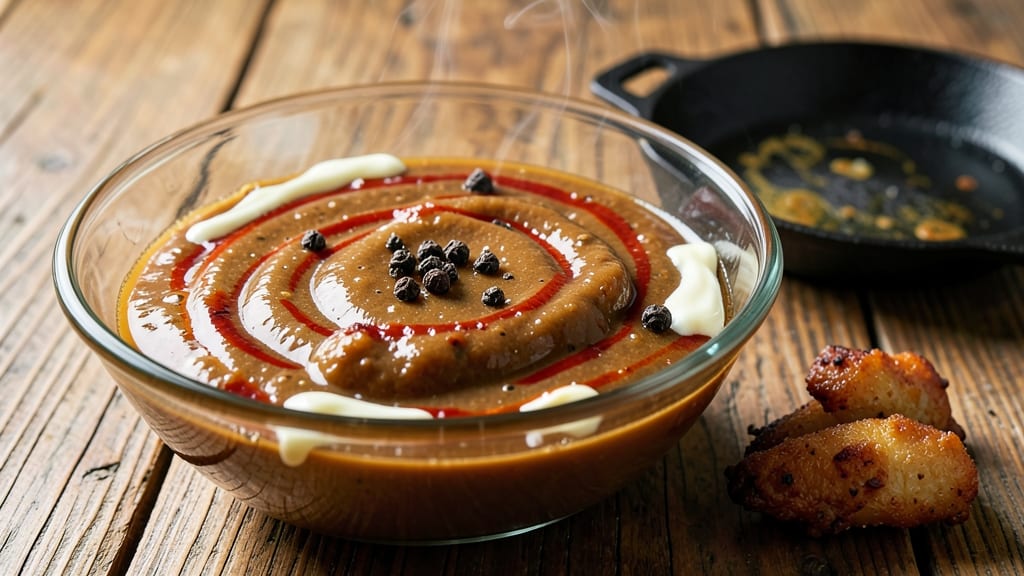
Mastering Anchor buffalo wing sauce at home delivers that signature spicy-tangy kick without the restaurant price tag. The secret lies in balancing heat, acidity, and richness—melted butter, hot sauce, and a touch of vinegar create a sauce that's sticky, bold, and impossible to resist.
I've perfected this recipe through years of testing, ensuring every batch hits that perfect balance between fiery and tangy.
This sauce transforms ordinary wings into a crowd-pleasing centerpiece, but its versatility extends far beyond. Use it as a dipping sauce for fries, a marinade for grilled meats, or even a glaze for roasted vegetables.
The key ingredients—hot sauce, melted butter, and spices—come together in just 10 minutes, with no complicated techniques required. The result? A sauce that's restaurant-quality, with a smooth texture and deep, complex flavor.
The best part? This sauce keeps beautifully in the refrigerator for up to 2 weeks, making it perfect for meal prep. Simply reheat gently before using to maintain its signature consistency.
Whether you're hosting a game day gathering or craving wings on a Tuesday night, this recipe delivers the bold, tangy, spicy flavor you love—without the mess or the markup.
For an extra layer of depth, consider adding a pinch of garlic powder or a splash of Worcestershire sauce. The possibilities are endless, but the foundation remains the same: a perfect blend of heat, tang, and richness that makes every bite unforgettable.
Let's get started on creating your own batch of this iconic sauce.
Ingredients for anchor buffalo wing sauce
Four essential ingredients and five game-changing spices transform melted butter into legendary buffalo sauce.
| Ingredient | Amount | Notes |
|---|---|---|
| Unsalted Butter 🧈 | 1 cup | Melted, cooled slightly |
| Frank's RedHot Original Cayenne Pepper Sauce 🌶️ | ¾ cup | The classic hot sauce |
| White Vinegar 💧 | 2 tbsp | Distilled for tang |
| Worcestershire Sauce 🍯 | 1 tbsp | For umami depth |
| Garlic Powder 🧄 | ½ tsp | Freshly ground preferred |
| Onion Powder 🧅 | ½ tsp | For subtle sweetness |
| Ground Black Pepper 🌶️ | ½ tsp | Freshly cracked |
| Salt 🧂 | ½ tsp | Diamond Crystal preferred |
| Honey 🍯 | 1 tbsp | For slight sweetness |
The butter is non-negotiable—unsalted gives you full control over seasoning. I always melt it in a saucepan over medium-low heat, then let it cool slightly before mixing. Land O'Lakes or Plugrah are my go-tos, but any quality brand works. The hot sauce is where the magic happens—Frank's RedHot is the gold standard, but Crystal or Louisiana work too. Pro tip: Taste as you go; you can always add more hot sauce, but you can't take it out. The vinegar is crucial for that signature tang—distilled white vinegar has the cleanest flavor.
No Worcestershire? Soy sauce at half the amount adds umami, though it'll be slightly saltier. Short on honey? Maple syrup works in a pinch, though it has a different flavor profile. Want extra heat? Add a pinch of cayenne pepper directly to the sauce. The garlic and onion powders are subtle but essential—they round out the flavors and prevent the sauce from being one-dimensional. Freshly ground spices make all the difference, so if you've got whole spices, toast and grind them before adding. This sauce is endlessly adaptable—double the batch for game day, halve it for a quick snack.
This sauce keeps beautifully in an airtight container in the fridge for up to 2 weeks, though I rarely have it last that long. For extra shelf life, pour a thin layer of olive oil on top before sealing—it creates a barrier that keeps the sauce fresh. Reheat gently in a saucepan over low heat or microwave in 20-second bursts to maintain that signature sticky consistency. Freezes well for up to 3 months if you're planning ahead. The key is to reheat slowly—rushing it makes the sauce separate.
Why You'll Love This Recipe
- Pantry Magic: I swear by this sauce because it uses things you already have—no specialty shopping needed. Butter, hot sauce, vinegar, and a dash of Worcestershire? That’s it. Honestly, I’ve made it with whatever’s in my fridge and it still hits the spot.
- Tangy Kick: The vinegar cuts through the richness of the butter while the Frank’s RedHot delivers that signature heat. That little pinch of garlic powder? It’s the secret—adds depth without overpowering. (Yes, even on a Tuesday night.)
- Game Day Hero: This sauce is my go-to for game days, but it works just as well for a lazy Sunday brunch or a quick dinner. Toss it with wings, drizzle it on fries, or even use it in a pasta. It’s that versatile.
- Budget-Friendly Fire: A single batch stretches across multiple meals—leftover sauce tastes just as good the next day. I’ve fed a crowd for under $10 with this recipe. Between us, it’s my secret weapon for stretching ingredients without sacrificing flavor.
Step-by-step instructions for Anchor buffalo wing sauce
This sauce delivers that iconic buffalo wing flavor with bold heat and perfect tang—no shortcuts, just restaurant-quality results.
Melt the Butter and Cool Slightly
Place the 1 cup unsalted butter in a medium saucepan over medium heat. Let it melt completely, stirring occasionally, until it becomes completely liquid. Here's the thing—you want it just warm enough to blend smoothly but not so hot it burns when you add the other ingredients. Once fully melted, remove the pan from heat and let it cool for 5-7 minutes until it reaches a temperature where you can comfortably touch the back of your hand to the pan's side.
This cooling step is crucial. If you add hot ingredients to melted butter that's still too hot, you'll scramble the proteins in the other components and lose that clean, glossy finish. Think of it like tempering chocolate—control the heat to preserve the sauce's integrity.
Combine the Base Ingredients
Return the cooled butter to low heat and add the 0.75 cup Frank's RedHot Original Cayenne Pepper Sauce and 2 tablespoons white vinegar. Stir constantly for 3-4 minutes until the mixture begins to simmer gently. The sauce should thicken slightly as the vinegar's acidity reacts with the butter's fat content. You'll notice the color deepen to a rich amber—this is your visual cue that the flavors are melding together.
Here's where it gets important: don't let the mixture boil. You want a steady, gentle simmer that allows the flavors to develop without breaking down the butter's emulsion. If you see any signs of separation or the sauce looking too thin, reduce the heat slightly. This is the foundation of your sauce, and getting it right at this stage makes all the difference.
Add the Seasonings and Sweetener
With the sauce still on low heat, stir in the 1 tablespoon Worcestershire Sauce, 0.5 teaspoon garlic powder, 0.5 teaspoon onion powder, 0.5 teaspoon ground black pepper, 0.5 teaspoon salt, and 1 tablespoon honey. Mix thoroughly until all the dry ingredients are fully dissolved and the sauce is completely smooth. You should see tiny bubbles forming around the edges—this indicates the sauce is coming together.
Taste the sauce at this point. It should be intensely spicy with a sharp tang from the vinegar, a deep umami note from the Worcestershire, and a subtle sweetness from the honey. If it needs more heat, add a pinch more of the cayenne sauce. If it's too sharp, a tiny bit more honey will balance it. Remember, you can always adjust the heat later, but you can't take it out once it's in.
Simmer to Perfect Consistency
Increase the heat to medium-low and let the sauce simmer gently for 8-10 minutes. Stir occasionally to prevent sticking. You're looking for the sauce to thicken to a glossy, syrupy consistency—it should coat the back of a spoon but still be pourable. If it thickens too quickly, add 1-2 tablespoons water to loosen it. The sauce should be smooth, with no graininess, and have a beautiful, glossy sheen.
This simmering step develops the sauce's depth of flavor. The heat allows the spices to bloom fully and the honey to caramelize slightly, adding complexity. When you lift the spoon, the sauce should leave a clean, even streak rather than drips. If it's not quite there after 10 minutes, continue simmering for another 2-3 minutes—just don't walk away, as it can easily over-reduce.
Cool and Store Properly
Remove the sauce from heat and let it cool completely at room temperature. This cooling process allows the flavors to fully meld and the sauce to reach its ideal consistency. Once cooled, transfer it to a clean, airtight container. The sauce will keep in the refrigerator for up to 2 weeks, though I find it's best used within 5-7 days for maximum freshness and vibrancy.
For best results, bring the sauce to room temperature before using it on wings or other dishes. Cold sauce can make the coating too thick and less flavorful. If you notice any separation after refrigeration, simply reheat the sauce gently over low heat, stirring constantly until it's smooth again. This sauce is incredibly versatile—use it on wings, fries, burgers, or even drizzle it over grilled meats for an instant flavor boost.
Pro Tips For Making Anchor Buffalo Wing Sauce
- Melt Butter Slowly: I learned this the hard way—dumping cold butter into the saucepan makes it splatter like a science experiment gone wrong. Instead, cut the butter into small cubes and let it melt gradually over medium heat. This keeps the sauce smooth and prevents a greasy mess that’ll make your wings taste like they were fried in motor oil.
- Balance the Vinegar: White vinegar cuts the richness, but too much turns your sauce into a tangy punch. Start with 1 tablespoon per cup of sauce and taste as you go—you can always add more, but you can’t take it out. If it’s too sharp, a pinch of sugar (yes, really) or a splash of Worcestershire will round it out.
- Don’t Rush the RedHot: After burning three batches, I finally figured out: Frank’s RedHot needs time to integrate. Simmer the sauce for at least 5 minutes after adding it, stirring often. This lets the flavors meld instead of giving you a one-note cayenne blast. Patience here makes the difference between "spicy" and "actually delicious."
- Salt the Butter First: Unsalted butter is your friend, but if you skip salting it upfront, your sauce will taste flat. Mix in ½ teaspoon of salt per ½ cup of butter before melting—this guarantees seasoning without overdoing it later. (Yes, even if you’re impatient like me.)
Perfect pairings for this recipe
Classic Wings Pairing
This sauce was born for buffalo wings, but the magic happens when you nail the prep. Toss 2 lbs chicken wings in 1 cup all-purpose flour mixed with 1 tsp paprika and 1 tsp garlic powder, then fry at 375°F for 12-15 minutes until golden.
Drain on a wire rack, then toss immediately in warm sauce. Serve with ranch or blue cheese dressing for that perfect tangy contrast. 🍗
Unexpected Fries Upgrade
Skip the wings entirely and use this sauce as a dipping sauce for crispy fries. Cut 4 large russet potatoes into fries, bake at 425°F for 25-30 minutes, then toss with 1 tbsp olive oil and ½ tsp salt.
The heat from the sauce cuts through the richness of the fries beautifully. For extra crunch, sprinkle with crumbled blue cheese before serving.
Grilled Meat Glaze
Brush this sauce onto grilled steaks or pork chops in the last 5 minutes of cooking. The heat caramelizes the honey and spices, creating a sticky, flavorful crust. I love using it on ribeye steaks—just sear them first, then finish with sauce over medium heat for 2-3 minutes.
Pair with garlic mashed potatoes for a showstopper dinner. 🥩
Game Day Dip Mix
For parties, mix equal parts sauce with sour cream and chopped green onions to create a spicy dip for celery, carrot sticks, or tortilla chips. The ratio I use is 1 cup sauce to ½ cup sour cream.
Add a pinch of smoked paprika for extra depth. This combo is a crowd-pleaser—everyone wants seconds! 🏈
Breakfast Twist
Drizzle this sauce over scrambled eggs or pancakes for a bold breakfast upgrade. The heat wakes up your taste buds, while the tang cuts through the richness. I like to add a sprinkle of crumbled bacon on top for extra texture.
For a sweet-spicy balance, swap the honey for maple syrup in the sauce recipe. 🍳
Vegetable Roast Boost
Toss roasted Brussels sprouts or sweet potatoes with 1 tbsp olive oil, then drizzle with warmed sauce after roasting. The heat from the sauce enhances the natural sweetness of the veggies.
Roast at 400°F for 20-25 minutes, then finish with sauce and a sprinkle of crumbled feta. This side pairs perfectly with grilled chicken or fish. 🥦
Nutrition facts
Frequently asked questions
Can I make this sauce without butter?
The butter is essential for that signature rich, glossy texture, but you can substitute with ½ cup mayonnaise or ½ cup olive oil for a lighter version. The sauce will be less creamy but still pack bold flavor. For a dairy-free option, use ½ cup vegan butter or ½ cup coconut oil—just know the texture will be slightly different.
Why did my sauce separate after refrigerating?
Sauce separation happens when the fat (butter) and liquid (vinegar/hot sauce) split. To fix it, gently reheat the sauce over low heat, stirring constantly until smooth. For prevention, let the sauce cool completely before refrigerating and avoid adding water when thinning. A thin layer of olive oil on top also helps preserve the emulsion.
How can I adjust the heat level?
Start with the recipe as written, then adjust to taste. For more heat, add 1-2 extra tablespoons of hot sauce. For milder sauce, stir in 1-2 teaspoons of honey or maple syrup. Remember, you can't remove heat once it's in—always taste as you go and adjust gradually.
Can I use this sauce as a marinade?
This sauce makes an excellent marinade for grilled chicken, pork chops, or even tofu. Use it undiluted for 30-60 minutes (no longer, as the acidity can break down meat). For extra tenderness, add 1 tablespoon olive oil to the marinade. Always discard used marinade after cooking.
What's the best way to reheat leftover sauce?
Reheat gently over low heat in a saucepan, stirring constantly until warm. Avoid microwaving directly—heat in 20-second bursts with stirring in between to prevent separation. For best results, store reheated sauce in an airtight container and use within 3-4 days for maximum flavor.