
Sauces & Condiments
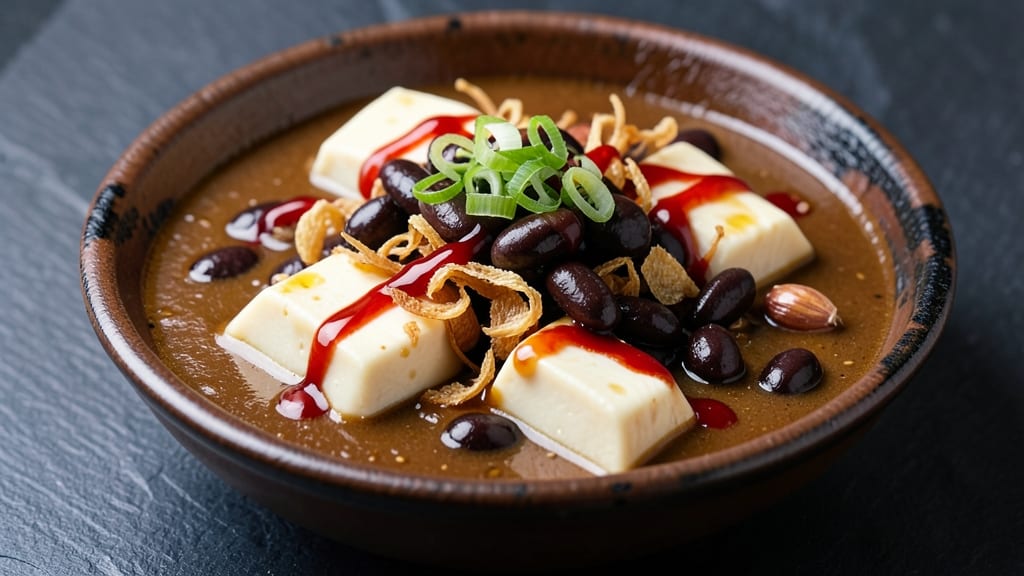
This Amoy mapo tofu sauce delivers the bold, fermented heat of Sichuan cuisine with just 10 minutes of active work. The secret lies in fermented black beans and chili oil, which create that signature umami-spicy depth that elevates tofu, noodles, or dumplings to restaurant-quality levels.
Unlike traditional mapo tofu, this sauce focuses on the condiment itself—packed with chili oil's fiery aroma and fermented beans' earthy complexity.
The beauty of this sauce is its versatility—vegetarian-friendly yet packed with umami, it transforms simple ingredients into a flavor powerhouse. The chili oil provides the heat, while fermented black beans add a deep, savory backbone that balances the spice.
For those sensitive to heat, you can adjust the chili oil ratio, but the fermented beans ensure the sauce remains rich and satisfying even without excessive spice.
What makes this sauce stand out is how it elevates any dish—drizzle it over steamed tofu, toss it with noodles, or use it as a dipping sauce for dumplings. The texture is thick yet pourable, with a glossy sheen from the chili oil that signals its bold personality.
Best of all, it keeps well in the fridge for up to two weeks, making it a pantry staple for quick, flavorful meals.
Ready to master this fermented, spicy, umami-packed sauce? The process is straightforward, but the flavor payoff is extraordinary. Let’s get started—your taste buds will thank you.
Ingredients for amoy mapo tofu sauce
Nine bold ingredients for a sauce that brings Sichuan's fiery, fermented depth to any dish.
| Ingredient | Amount | Notes |
|---|---|---|
| Fermented Black Beans 🫘 | ¼ cup | Rinsed well for reduced bitterness |
| Chili Oil 🌶️ | ½ cup | High-quality, spicy, and aromatic |
| Light Soy Sauce 🍶 | ¼ cup | Kikkoman preferred for balance |
| Dark Soy Sauce 🍶 | 1 tbsp | For deeper umami richness |
| Sesame Oil 🥜 | 1 tbsp | Toasted, for nutty aroma |
| Garlic Cloves 🧄 | 4 cloves | Minced finely for bold flavor |
| Fresh Ginger 🧅 | 1 tbsp | Grated, for zesty kick |
| Sichuan Peppercorns 🌶️ | ½ tsp | Toasted lightly for tingling heat |
| Green Onions 🧅 | 2 whole | Chopped, for fresh finish |
| Vegetable Oil 🫒 | 1 tbsp | For sautéing aromatics |
Fermented black beans are the heart of this sauce—look for them in Asian grocery freezers or jars. Trader Joe's and H Mart carry reliable brands like Lee Kum Kee or Pearl River Bridge. If you can't find them, miso paste or fermented soybean paste works in a pinch, though the flavor won't be identical. The chili oil? Don't skimp here—the best comes from Sichuan or Yunnan regions, with a deep red hue and smoky aroma. If you're using store-bought, Lao Gan Ma is a solid choice, but nothing beats homemade. Toast your Sichuan peppercorns in a dry pan for 30 seconds—they'll release their signature numbing heat that sets this sauce apart.
No fermented black beans? Double the soy sauce and add 1 tsp of fish sauce (though this isn't vegetarian). For the chili oil, substitute sriracha plus 1 tbsp of oil, but you'll lose that smoky depth. Fresh ginger and garlic are non-negotiable—they build the sauce's aromatic foundation. If you're sensitive to heat, reduce the chili oil to 2 tbsp and add an extra tbsp of sesame oil to balance. The green onions add brightness, but if you're short, cilantro works too. Pro tip: Bloom the Sichuan peppercorns in hot oil for 10 seconds before adding other aromatics—they'll release their oils and flavor instantly.
This sauce keeps beautifully—up to 2 weeks in the fridge sealed in a jar. The flavors actually improve over time as the spices meld. For longer storage, freeze in ice cube trays and transfer to a bag. Thaw overnight in the fridge before using. I like to make a big batch and keep it on hand for quick weeknight dinners. A drizzle over steamed tofu or a stir-fry transforms an ordinary meal into something extraordinary. The sauce thickens as it sits, so stir in 1-2 tsp of water if it gets too stiff before using.
Why You'll Love This Recipe
- Pantry Magic: I swear by this sauce—just stir together fermented black beans, a splash of chili oil, and those two soy sauces, and boom. No fresh ingredients needed, no last-minute grocery runs. The fermented black beans alone give it that deep, salty-sweet backbone that takes zero effort to unlock.
- Umami Bomb: That first spoonful? Chef’s kiss. The dark soy sauce caramelizes instantly, while the chili oil brings the heat without overpowering. Sesame oil ties it all together—nutty, aromatic, and just rich enough to make you reach for another bowl. Honestly, it’s the kind of flavor that sticks with you long after the last bite.
- Leftovers That Lie: Between us, this sauce improves the longer it sits. Toss it with rice the next day, drizzle it over noodles, or even use it as a marinade for tofu. I’ve had it last a week in the fridge, and it’s still the star of whatever meal it graces. (Yes, even on a Tuesday night.)
- Budget Powerhouse: Fermented black beans and soy sauces? Affordable. Chili oil? A single bottle lasts months. This sauce costs pennies per serving but tastes like you slaved over it. I’ll be real: my wallet thanks me every time I make it, and my taste buds don’t even complain.
Step-by-step instructions for Amoy mapo tofu sauce
Here's how to build this fermented chili oil sauce from scratch—bold, complex, and packed with umami depth.
Toast the Sichuan Peppercorns and Aromatics
Heat a dry skillet over medium heat and add the 0.5 teaspoon Sichuan peppercorns. Toast them for 1-2 minutes until fragrant and slightly puffed, shaking the pan constantly to prevent burning. This step unlocks their signature tingling heat—don't skip it.
Remove the peppercorns and immediately add 1 tablespoon vegetable oil to the same skillet. Add the 4 cloves minced garlic and 1 tablespoon grated fresh ginger, cooking for 30-45 seconds until the garlic turns golden and the ginger becomes aromatic. Watch closely—ginger burns faster than you think.
Build the Fermented Bean Base
Transfer the toasted peppercorns and aromatics to a blender or food processor. Add the 0.25 cup rinsed fermented black beans and pulse until you achieve a chunky paste—some texture remains, but it should be mostly smooth. This forms the fermented backbone of your sauce.
Return the bean mixture to the skillet and cook over medium-low heat for 3-4 minutes, stirring constantly. You're developing depth here—the fermented beans release their funky, savory essence. If it sticks, add 1 tablespoon water to help it release from the pan.
Incorporate the Soy Sauce Blend
Push the bean mixture to one side of the skillet and add 0.25 cup light soy sauce and 1 tablespoon dark soy sauce to the empty space. Let it simmer for 1 minute until slightly reduced, then stir to combine with the bean mixture. The dark soy sauce adds that signature mahogany color while boosting umami.
Continue cooking for another 2 minutes until the mixture thickens slightly and coats the back of a spoon. This is where the sauce starts coming together—you'll smell that fermented, chili-oil intensity building. Taste and adjust seasoning if needed, but trust the process at this stage.
Finish with Chili Oil and Sesame Oil
Reduce heat to low and stir in the 0.5 cup chili oil. The oil should immediately start to emulsify with the sauce, creating that signature silky, spicy texture. If it separates, add 1 teaspoon water at a time until it comes together—this is normal with chili oil's high fat content.
Finally, drizzle in the 1 tablespoon sesame oil and stir gently. The nutty aroma should fill your kitchen. Remove from heat and let it rest for 2 minutes—this allows the flavors to meld completely. Finish with the 2 chopped green onions, reserving some for garnish if desired.
Adjust Consistency and Serve
Taste your sauce now—it should balance fermented funk, chili heat, and umami richness. If it's too thick, thin with 1 teaspoon hot water at a time until it reaches a glossy, spoonable consistency. If it's too thin, simmer uncovered for 1-2 minutes to reduce.
This sauce works best served immediately over soft tofu, noodles, or dumplings. The heat builds gradually—start with small portions if you're sensitive to spice. For extra depth, let it sit at room temperature for 10 minutes before using, allowing the flavors to develop further. Store leftovers in an airtight container for up to 1 week, though it's best fresh.
Pro Tips For Making Amoy Mapo Tofu Sauce
- CRUSH THE BEANS FIRST: Don’t just toss whole fermented black beans into the pot—they need a good smash with the flat side of your knife or a mortar and pestle. This releases their deep, nutty flavor and melts into the sauce instead of sitting as stubborn chunks. (Yes, even if you’re impatient like me, take the 30 seconds—it’s worth it.)
- START LOW, END FAST: The sauce starts simmering gently to let the fermented black beans and soy sauces marry without burning. Once everything’s melded (about 5 minutes), crank the heat to high and reduce hard for 2-3 minutes. This concentrates the flavor and cuts through the oiliness—no one wants a greasy mapo tofu.
- SALT THE SESAME OIL: Toss a pinch of salt into the sesame oil before drizzling it over the finished sauce. It balances the richness and amplifies the nutty aroma. I learned this the hard way—plain sesame oil just tastes like… well, oil. (And no, you can’t taste it afterward. Trust me.)
- DARK SOY SAUCE LAST: Stir in the dark soy sauce only in the final 30 seconds of cooking. It’s not just for color—it adds a molasses-like depth that burns off if you add it too early. (Pro move: Use it to swirl the sauce into a glossy finish before serving.)
Perfect pairings for amoy mapo tofu sauce
Tofu Pairing Perfection
This sauce transforms soft silken tofu into a showstopper. Gently press tofu to remove excess water, then slice into ½-inch cubes and steam for 5 minutes to create a delicate, cloud-like texture.
Toss with 1 tbsp sauce per 4 oz tofu and finish with toasted sesame seeds. The sauce clings beautifully, adding fermented depth without overpowering. 🧈
Noodle Fusion Magic
Stir-fried udon or ramen noodles become irresistible with this sauce. Cook noodles al dente, then toss with 2 tbsp sauce per serving and a splash of hot water to loosen.
Top with chopped scallions and crushed peanuts for crunch. The sauce's umami cuts through the noodles' chewiness perfectly. For extra richness, add a drizzle of chili crisp on top. 🍜
Dumpling Dip Extraordinaire
Turn this sauce into a dipping sauce for steamed or pan-fried dumplings. Thin with 1 tsp hot water per ¼ cup sauce to create a glossy, pourable consistency. Serve warm in a small bowl with chopped cilantro and extra chili oil on the side for heat control.
The fermented funk pairs especially well with pork or shrimp dumplings, but it's vegetarian-friendly too. 🥟
Rice Bowl Elevation
Drizzle over steamed jasmine rice with quick-pickled vegetables for a complete meal. Use 1 tbsp sauce per bowl and top with fried shallots and crumbled fried tofu for texture contrast. The sauce's complexity makes simple rice bowls feel restaurant-worthy. For extra depth, add a soft-boiled egg on top. 🍚
Chili Oil Swap Secrets
Need to adjust heat levels? Swap chili oil for these alternatives: ½ cup sriracha + 1 tbsp neutral oil (milder), or ¼ cup gochujang + 1 tbsp honey (sweeter).
For smoky depth without heat, use 1 tbsp smoked paprika + 1 tbsp oil. The sauce's umami base remains intact while adapting to your spice tolerance. 🌶️
Drink Pairing Harmony
Cool the heat with jasmine green tea—its floral notes balance the sauce's fermented funk. For alcohol pairings, try a dry Riesling (acid cuts through richness) or a light lager (like Tsingtao) to cleanse the palate. Avoid heavy reds; they'll clash with the sauce's bright, spicy profile. 🍶
Nutrition facts
Frequently asked questions
Can I make this sauce without fermented black beans?
Yes, but the flavor will change significantly. For a vegetarian substitute, use 2 tablespoons miso paste or 1 tablespoon fermented soybean paste mixed with 1 extra tablespoon soy sauce. The sauce will lose some funky depth but maintain umami. If you're not vegetarian, 1 teaspoon fish sauce works well too.
How do I adjust the spice level?
Start with ¼ cup chili oil for mild heat, or ¾ cup for extra spice. For a smoky kick without heat, replace chili oil with 1 tablespoon smoked paprika + 1 tablespoon neutral oil. Always taste as you go—you can add more chili oil later if needed, but you can't remove it.
Why does my sauce separate?
Chili oil is high in fat, so separation is normal when mixed with water-based ingredients. Fix it by adding 1 teaspoon hot water at a time while stirring vigorously. The sauce should re-emulsify. For prevention, stir in the chili oil slowly over low heat while the sauce simmers.
Can I make this sauce ahead of time?
This sauce actually tastes better after 24 hours as flavors meld. Store in an airtight container in the fridge for up to 2 weeks. For longer storage, freeze in ice cube trays—thaw overnight in the fridge before using. The texture may thicken slightly; thin with water if needed.
What's the best way to use leftover sauce?
Drizzle over steamed tofu, noodles, or rice bowls for instant flavor. It also makes an amazing dipping sauce for dumplings or spring rolls. For extra richness, warm it gently in a small pan with ½ teaspoon sesame oil before using. The sauce works well cold too—great for quick lunches!