
Sauces & Condiments
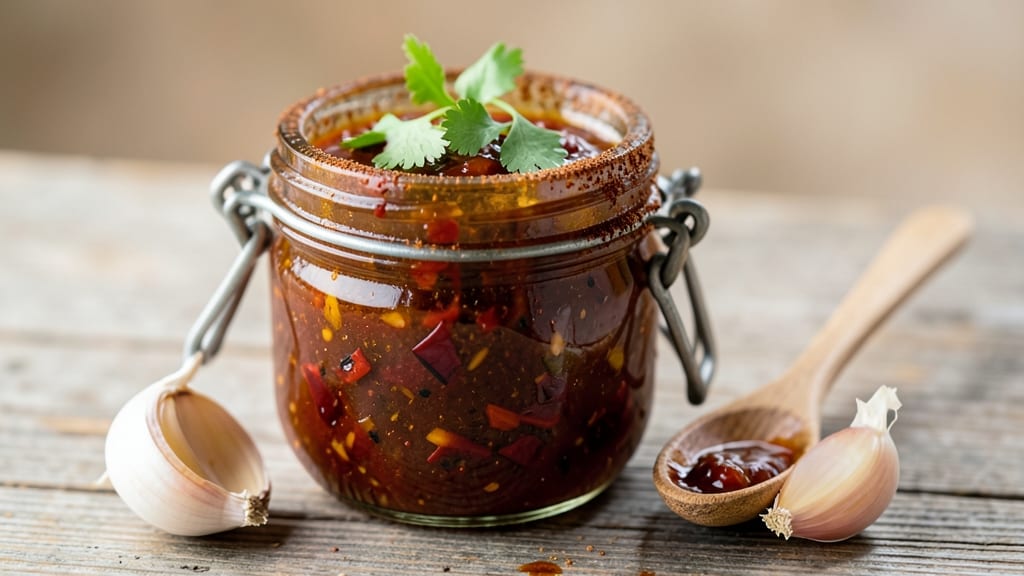
This American deli hot sauce recipe delivers the perfect balance of smoky chipotle heat and bright cilantro freshness that elevates everything from fries to tacos.
The secret lies in slow-cooked chipotle peppers and a touch of apple cider vinegar for tangy depth, creating a sauce that mimics the bold flavors of classic diner condiments.
What sets this recipe apart is the smoky-sweet foundation from chipotle peppers in adobo, balanced by garlic and a hint of brown sugar. Fresh cilantro adds that signature deli-house brightness, while a blend of spices ensures complexity without overpowering.
The sauce thickens naturally as it simmers, creating that perfect consistency for dipping or drizzling.
By the time you're done blending and straining, you'll have a vibrant red sauce with layers of heat and flavor that's impossible to resist. It's the kind of condiment that transforms ordinary meals into something special—think crispy fried chicken, loaded nachos, or even a simple burger.
The best part? It keeps beautifully in the fridge for weeks, ready to enhance your favorite dishes.
This recipe builds on traditional American deli flavors while keeping the process straightforward. No fermentation required—just simmer, blend, and enjoy. Let's make this versatile hot sauce that becomes a staple in your kitchen.
Ingredients for american deli hot sauce
Nine bold ingredients transform into that iconic diner hot sauce you can't live without.
| Ingredient | Amount | Notes |
|---|---|---|
| Chipotle Peppers in Adobo Sauce 🌶️ | 4 whole | With sauce, chopped roughly |
| Fresh Cilantro 🌿 | ½ cup | Stems included, chopped fine |
| Apple Cider Vinegar 🍏 | ½ cup | Raw, unfiltered preferred |
| Garlic Cloves 🧄 | 4 cloves | Peeled, minced finely |
| Brown Sugar 🍯 | 2 tbsp | Light or dark variety |
| Smoked Paprika 🌶️ | 1 tbsp | High quality for smoky depth |
| Ground Cumin 🌿 | 1 tsp | Toasted for warmth |
| Onion Powder 🧅 | ½ tsp | Fresh ground preferred |
| Salt 🧂 | 1 tsp | Kosher or sea salt |
| Black Pepper 🌶️ | ½ tsp | Freshly ground for heat |
The chipotle peppers are the heart of this sauce—look for cans with thick, glossy adobo sauce (the good stuff, not watery). Trader Joe's and Penzeys carry the best quality, but any brand works if the peppers are plump and the sauce looks rich. Fresh cilantro is a must here (the good stuff, not the sad grocery store containers)—Mexican markets often have the brightest bunches. Toast your spices: pop the cumin seeds in a dry pan for 30 seconds before grinding for that deep, nutty warmth. The brown sugar is non-negotiable—it balances the heat with just the right caramel sweetness.
No chipotle peppers? Substitute 1 tbsp smoked chipotle powder (adjust heat to taste). Skip the fresh cilantro? Dried cilantro or 1 tsp dried oregano works in a pinch, but it won't have that same bright punch. Apple cider vinegar too tart? White vinegar or lime juice keeps the tang. For extra smokiness, add ½ tsp liquid smoke. The sauce thickens as it cooks—if it gets too thin, simmer uncovered to reduce. Strain out the peppers and seeds for a smoother texture, or leave them in for extra heat and texture (your call!).
This sauce keeps for 3-4 weeks in the fridge, sealed in a clean glass jar. The flavors actually deepen over time, so make a big batch—it disappears fast! For long-term storage, freeze in ice cube trays and transfer to a bag. Label everything (trust me on this). The sauce reheats beautifully—just warm it gently on the stove or microwave until hot. Drizzle over everything from fries to tacos, or use it to baste wings. Leftovers? Turn them into a quick hot sauce glaze for roasted veggies.
Why You'll Love This Recipe
- No Blender Needed: I swear by this—just toss the chipotles, garlic, and vinegar into a jar, let them mellow for a day, and shake it up. No fancy equipment, no stress, and honestly, that hands-off time makes it taste even better.
- Sweet Heat Balance: That brown sugar isn’t just for looks—it cuts the smoky chipotle fire into something smooth and addictive. One taste, and you’ll understand why diners reach for this stuff like it’s liquid gold.
- Tailgates to Tacos: I’ve drizzled this on pulled pork at summer cookouts, mixed it into marinades, and even stirred it into my morning eggs. It’s the one sauce that works everywhere, no excuses.
- Lasts for Months: A single batch stretches across my fridge for weeks—drizzled on burgers, slathered on fries, or saved for when I’m craving that deli counter vibe. And since it’s cheap to make? Pure win.
Step-by-step instructions for smoky chipotle hot sauce
Here's how to blend bold flavors into a tangy, smoky hot sauce that tastes just like your favorite deli counter.
Prep the Chipotle Peppers and Aromatics
Start by carefully removing the 4 whole chipotle peppers from their adobo sauce using a spoon, reserving the sauce for later. I like to give them a quick rinse under cool water to remove any excess saltiness—this prevents the final sauce from being too briny. Chop the peppers roughly into small pieces, about ¼-inch chunks. The stems included in the 0.5 cup fresh cilantro should be chopped fine too—don't skip this, as they add subtle herbal depth.
In a separate small bowl, mince the 4 cloves garlic cloves until you have a fine paste. I press each clove against the side of my knife blade for even mincing. The goal here is to create a smooth texture that will blend seamlessly into the sauce. Save these prepped ingredients—they're the flavor foundation for everything that follows.
Build the Base in a Saucepan
In a medium saucepan, combine the chopped chipotle peppers, minced garlic, 0.5 cup apple cider vinegar, and the reserved adobo sauce from the peppers. Bring this mixture to a gentle simmer over medium heat, then reduce the heat to low and let it cook uncovered for 10 minutes. You'll see the mixture bubble softly and smell that unmistakable smoky aroma—this is where the magic begins.
While cooking, stir occasionally to prevent sticking. The vinegar will start to break down the peppers' flesh, creating a rich, liquid base. If the mixture looks too thick, add 1-2 tablespoons of water to help it blend smoothly. The sauce should be loose enough to pour but still have body—this ensures a balanced texture in the final product.
Add Sweetness and Spices
Once the pepper mixture has simmered for 10 minutes, stir in the 2 tablespoons brown sugar, 1 tablespoon smoked paprika, 1 teaspoon ground cumin, 0.5 teaspoon onion powder, 1 teaspoon salt, and 0.5 teaspoon black pepper. The sugar will help balance the heat while adding a subtle caramelized depth, and the spices will layer in that classic deli-style warmth.
Let the sauce simmer gently for another 5-7 minutes, stirring occasionally. You'll notice the mixture darkening slightly as the spices meld together. This is when the flavors truly come alive—pay attention to the aroma. If you smell something burning, reduce the heat immediately. The sauce should smell complex: smoky, slightly sweet, with a bright vinegar tang.
Blend and Strain for Smoothness
Using an immersion blender, blend the sauce directly in the saucepan until completely smooth. I like to pulse a few times first to break up any large chunks, then blend continuously for 20-30 seconds until no texture remains. The sauce should look velvety and uniform, with no visible bits of pepper or garlic. If you prefer a chunkier texture, skip blending and proceed to the next step.
Pour the blended sauce through a fine-mesh strainer into a clean bowl or jar. This step ensures a silky texture without any unwanted bits. Press on the solids with a spoon to extract every last drop of flavor. The strained sauce should be deep red with a glossy sheen—this is your visual cue that it's ready for the final cilantro addition.
Finish with Fresh Cilantro and Rest
Stir in the chopped cilantro stems and leaves, letting the fresh herb brighten the sauce with its citrusy notes. The cilantro should be evenly distributed—give it a taste at this stage. You'll want a perfect balance of heat, tang, and freshness. If the sauce tastes too sharp, add a pinch more brown sugar. If it needs more heat, stir in a tiny bit of the reserved adobo sauce.
Let the sauce cool completely to room temperature, then transfer it to a clean jar with an airtight lid. Store it in the refrigerator for at least 24 hours before using—this resting period allows all the flavors to meld together beautifully. The longer it sits, the better it tastes. Once chilled, the sauce will keep for up to 2 weeks, making it perfect for drizzling on sandwiches, tacos, or even eggs.
Pro Tips For Making American Deli Hot Sauce
- BLEND THE ADOBO SAUCE FIRST: Chipotle peppers in adobo sauce come packed in oil and sauce—don’t just toss them in whole. Blend the adobo sauce (peppers + liquid) separately before adding it to the mix. This ensures the sauce emulsifies properly and coats the other ingredients evenly, preventing clumps and giving you that smooth, restaurant-style consistency.
- STRAIN THE CILANTRO: Fresh cilantro adds brightness, but the stems and tough leaves can make your sauce gritty. Pulse them in a food processor for 2 seconds, then strain through a fine-mesh sieve. This keeps the flavor without the texture issues, especially if you’re using the sauce on creamy dishes like mac and cheese or deviled eggs.
- COOK THE GARLIC LOW: Garlic burns faster than you think, and bitter garlic ruins the whole sauce. Sauté the minced cloves in a dry pan over medium-low heat for just 30 seconds until fragrant but still pale. Then add them to the vinegar and other liquids—this keeps the flavor mellow and sweet, not harsh.
- SWEAT THE BROWN SUGAR: Brown sugar can clump and turn the sauce grainy if you just dump it in. Lightly toast it in a dry pan for 1-2 minutes until it smells caramelized, then whisk it into the warm vinegar mixture. This dissolves it completely and deepens the sauce’s smoky-sweet balance, making it taste more complex.
Regional styles of this recipe
Classic Diner Style
This sauce captures the bold, tangy profile of old-school American diners, where hot sauce was a must-have for fries, burgers, and loaded potatoes. The key is balancing the smoky chipotle with apple cider vinegar for that signature tang—just like the iconic Texas Pete or Crystal brands.
I remember my first taste of diner sauce as a kid, and this recipe brings back that nostalgic kick. The brown sugar adds that subtle caramel note that makes it taste homemade rather than store-bought. 🌶️
Southern BBQ Twist
For a Southern-inspired variation, swap the apple cider vinegar for white vinegar and add ½ teaspoon of liquid smoke to deepen the smokiness. This version works perfectly as a dipping sauce for fried chicken or as a glaze for ribs.
I like to serve it alongside collard greens or mac and cheese for a full Southern spread. The extra smoke gives it that Carolina-style heat that BBQ lovers crave.
Mexican-Inspired Fusion
Give this sauce a Latin flair by adding 1 teaspoon of lime juice and ½ teaspoon of ground coriander at the end. This version pairs beautifully with tacos, quesadillas, or grilled corn.
The lime brightens the sauce, while the coriander adds an earthy depth that feels right at home in Mexican cuisine. I often drizzle it over fish tacos or use it as a marinade for grilled shrimp.
The cilantro really shines here, making it taste like a cross between a classic deli sauce and a salsa verde.
Spicy Kick Variations
Want more heat? Swap the chipotle peppers for jalapeño or serrano peppers (seeds included) and reduce the brown sugar to 1 tablespoon. This version is perfect for those who love a fiery condiment.
For a milder option, use mild chipotle powder instead of fresh peppers and add ½ teaspoon of honey to balance the heat. I like to keep a small jar of each version on hand—one for daily use and one for spicy occasions.
Adjust to taste, but remember: heat builds over time, so start conservative. 🔥
Sweet Heat Balance
The brown sugar in this recipe isn’t just for sweetness—it’s the secret to balancing the heat. For a sweeter version, add 1 extra tablespoon of brown sugar and a pinch of cinnamon. This works amazingly well with breakfast dishes like pancakes or biscuits.
If you prefer a tangier sauce, increase the apple cider vinegar to ⅔ cup and reduce the sugar to 1 tablespoon. The goal is harmony: the sugar should mellow the heat, while the vinegar keeps it bright and zesty.
Regional Deli Adaptations
Different regions have their own takes on deli hot sauce. In the Northeast, sauces tend to be tangier with more vinegar, while Midwestern versions often include a touch of mustard for depth.
For a West Coast twist, add ½ teaspoon of ground fennel to give it a subtle licorice note—it pairs perfectly with seafood or grilled veggies. I’ve even seen Pacific Northwest versions with a hint of ginger for a zesty kick. Experiment to find your favorite regional style! 🗺️
Nutrition facts
Frequently asked questions
Can I adjust the heat level in this hot sauce?
For milder heat, reduce the number of chipotle peppers to 2 or use mild chipotle powder instead. For extra spice, add 1-2 extra peppers or include seeds from fresh jalapeños. Remember, heat builds as the sauce rests, so start conservative and taste as you go.
Why does my sauce look too thin or too thick?
If your sauce is too thin, simmer it uncovered for 5-10 minutes to reduce. For a thicker texture, blend it longer or add 1 teaspoon of cornstarch mixed with water as a slurry. The ideal consistency should be pourable but still coat the back of a spoon.
How long does homemade hot sauce last?
This sauce keeps for 3-4 weeks in the fridge when stored in a clean glass jar. For longer storage, freeze in ice cube trays and transfer to a bag. The flavors actually improve over time, so make a big batch—it disappears fast! Label everything to avoid mix-ups.
Can I make this sauce without fresh cilantro?
Yes! Use 1 teaspoon of dried cilantro or ½ teaspoon of dried oregano as a substitute. For best results, toast the dried herbs lightly in a dry pan before adding. The flavor won't be identical, but it'll still add that bright herbal note.
What are the best dishes to serve with this hot sauce?
This versatile sauce elevates fried chicken, tacos, burgers, and loaded fries. Try drizzling it over grilled corn or using it as a marinade for wings. The smoky-sweet balance makes it perfect for breakfast dishes too—think biscuits or pancakes!