
Sauces & Condiments
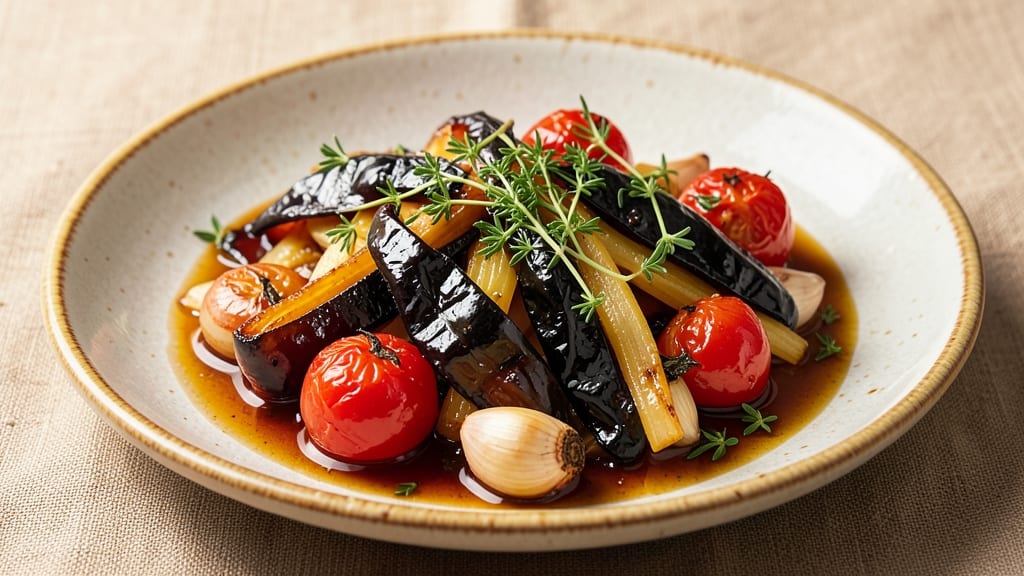
This Amazon sauce recipe transforms simple ingredients into a rich, aromatic base that elevates grilled meats, wings, and slow-cooked dishes. The secret lies in simmering tomatoes, peppers, onions, and bold spices like thyme and bay leaves until deeply flavorful.
What starts as a humble blend of fresh vegetables becomes a complex, savory sauce with layers of depth—perfect for adding restaurant-quality flavor to your cooking.
The process is straightforward yet transformative: sautéing aromatics before adding tomatoes and peppers creates a flavor foundation, while simmering allows the spices to meld into a cohesive, velvety sauce. Adjusting salt and acidity at the end ensures balance, so every batch tastes like it’s been simmering all day.
This sauce isn’t just a condiment—it’s the backbone of bold, satisfying meals.
Use it as a marinade for grilled chicken or pork, a glaze for wings, or a base for hearty stews and soups. The versatility lies in its ability to adapt—whether you’re cooking for a crowd or a weeknight dinner, this sauce delivers depth and richness without the fuss.
Once you taste it, you’ll never reach for store-bought again.
Ready in under an hour, this sauce keeps well in the fridge for up to a week, making it ideal for meal prep. The key is patience—letting the flavors develop ensures a sauce that’s far more complex than its simple ingredients suggest. Let’s get cooking!
Ingredients for amazon sauce
Fresh tomatoes, peppers, and onions meet bold spices for this restaurant-quality sauce.
| Ingredient | Amount | Notes |
|---|---|---|
| Fresh Tomatoes 🍅 | 2 lbs | Roma or vine-ripened, chopped |
| Bell Peppers 🌶️ | 2 whole | Red or green, seeded and chopped |
| Yellow Onion 🧅 | 1 whole | Medium, diced |
| Garlic Cloves 🧄 | 6 cloves | Minced or finely chopped |
| Fresh Thyme 🌿 | ¼ cup | Leaves only, chopped |
| Bay Leaves 🍃 | 2 whole | Dried or fresh |
| Ground Cumin 🌿 | 1 tbsp | Toasted for deeper flavor |
| Smoked Paprika 🌶️ | 1 tbsp | For that Amazonian smokiness |
| Extra-Virgin Olive Oil 🫒 | ½ cup | High quality, fruity |
| Apple Cider Vinegar 🍎 | 2 tbsp | For brightness |
| Salt 🧂 | 1 tsp | Kosher or sea salt |
| Black Pepper 🌶️ | ½ tsp | Freshly ground |
The tomatoes are the heart of this sauce—Roma or vine-ripened give the best texture and flavor. I always grab them from Trader Joe's when they're in season, but any ripe, firm tomatoes work. If you're short on time, canned San Marzano tomatoes (drained) are a solid backup—they're sweeter and less acidic. The bell peppers add sweetness and depth, so don't skip them. For the onions, yellow or red both work, but yellow has a slightly sharper bite that plays well with the other flavors. Fresh thyme and bay leaves are non-negotiable here—they're what give this sauce that authentic, aromatic punch. If you're using dried thyme, use half the amount, but fresh is definitely worth the extra minute to chop.
No fresh tomatoes? Canned crushed tomatoes work in a pinch, but add an extra pinch of sugar to balance the acidity. Swapping bell peppers for jalapeños or serranos adds heat—just remove seeds and membranes first. The apple cider vinegar is key for brightness, but red wine vinegar or lemon juice will do if that's what you've got. Smoked paprika is what gives this sauce its signature depth, but if you can't find it, regular paprika plus a pinch of liquid smoke gets you close. The olive oil matters too—use something you'd drizzle on bread, not the cheapest bottle. And yes, you can make this without vinegar, but it won't have the same tangy kick.
This sauce keeps for up to a week in the fridge, and honestly, it tastes even better after a day or two as the flavors meld. For meal prep, I double the batch and freeze half in ice cube trays—perfect for adding to dishes later. The sauce thickens as it cools, so you can always thin it with a splash of water or broth when reheating. If you're using it as a marinade, reserve some of the sauce to baste the meat with while it cooks—trust me, it makes all the difference.
Why You'll Love This Recipe
- I’ll be real: I always make extra. The sauce thickens beautifully overnight, and reheating it just softens that bright acidity into something richer. My freezer’s full of it—because nobody resists a jar of this sitting on the counter.
- No-Chop Nightmare: I swear, the bell peppers and onion barely need dicing—just rough chop and toss. The tomatoes? I often grab vine-ripened ones still warm from the sun, and they break down into that perfect jammy consistency all on their own while I stir.
- Herb Bomb Flavor: That thyme? Freshly torn from the stem, not sprinkled—it releases its piney perfume into the oil first, then blooms with the garlic. Honestly, the first time I made this, my partner asked if I'd snuck in a whole bouquet.
- Pantry Stretch Magic: Between us, this sauce turns $3 bell peppers into a week’s worth of dips, pasta tossers, or grilling marinade. I’ve used it to dress up scrambled eggs (yes, really) and even as a pizza sauce base—zero waste, all flavor.
Step-by-step instructions for Amazon sauce
Here's how to build this fiery, aromatic sauce from scratch—perfect for grilled meats and wings.
Char the Base Vegetables
Heat a large skillet over medium-high heat and add the 2 whole bell peppers and 1 whole yellow onion, cut into even pieces. Let them cook undisturbed for 8-10 minutes until the edges blacken and blister. Flip occasionally to char all sides—this deepens the smoky flavor. Once charred, transfer the vegetables to a cutting board.
While they cool slightly, add the 2 lbs fresh tomatoes, cut into chunks, to the same skillet. Cook for 5-6 minutes until they begin to soften and release their juices. The tomatoes should break down but still hold their shape slightly. This step builds the sauce's rich, fruity foundation.
Sauté Aromatics and Spices
In the same skillet (no need to wipe it clean—the browned bits are flavor gold), add 0.5 cup extra-virgin olive oil and let it heat until shimmering. Add the 6 cloves minced garlic cloves and cook for 30 seconds until fragrant—don't let it burn. Stir in the 0.25 cup chopped fresh thyme and 2 whole bay leaves, cooking for another 1 minute until the thyme releases its piney aroma.
Now add the 1 tbsp toasted ground cumin and 1 tbsp smoked paprika, stirring constantly for 30 seconds to toast the spices. You'll smell that signature Amazonian smokiness develop—this is the heart of the sauce. Remove from heat and let the spices cool slightly before proceeding.
Blend Until Silky Smooth
Transfer the charred vegetables, softened tomatoes, and spiced aromatics to a blender or food processor. Add the 2 tbsp apple cider vinegar, 1 tsp salt, and 0.5 tsp black pepper. Pulse a few times to break everything up, then blend until completely smooth. You might need to stop and scrape down the sides once or twice—this ensures even consistency.
The sauce should be vibrant red with a thick, almost paste-like texture. If it's too thick, add 1-2 tablespoons of water to reach your desired consistency. Taste and adjust seasoning—you want a balance of smoky, sweet, and tangy flavors that complement grilled meats perfectly.
Simmer for Depth of Flavor
Pour the blended sauce back into the skillet and bring to a gentle simmer over medium-low heat. Let it cook uncovered for 15-20 minutes, stirring occasionally, until it thickens slightly and the flavors meld together. The sauce should reduce enough to coat the back of a spoon but still be pourable.
Here's where the magic happens: the vinegar brightens, the spices deepen, and the charred vegetables add that unmistakable Amazonian smokiness. Keep tasting as it simmers—this is your chance to adjust the balance. If it needs more acidity, add a splash more vinegar. If it needs more heat, add a pinch of smoked paprika.
Finish and Store
Once the sauce reaches your desired consistency, remove it from heat and let it cool completely. For the best flavor, let it sit at room temperature for 30 minutes before serving—this allows all the components to fully integrate. The sauce will thicken further as it cools, so don't worry if it looks too thin when hot.
Transfer to airtight containers and store in the refrigerator for up to 1 week or freeze for up to 3 months. This sauce gets even better with time as the flavors continue to develop. Use it as a marinade, dipping sauce, or finishing glaze for grilled meats, wings, or even as a base for stews and soups.
Pro Tips For Making Amazon Sauce
- Char the Peppers Properly: Blackened skin on bell peppers packs more flavor than you’d think. Hold them directly over an open flame or sear them whole on high heat until charred in spots—this isn’t just for looks, it deepens the smoky sweetness that carries through the sauce. (Yes, even if you’re impatient like me, resist the urge to rush this.)
- Seed and Strain the Tomatoes: Cut tomatoes in half, scoop out seeds with a spoon, then pulse them in a blender—without peeling. The seeds add bitterness, and skipping this step means a watery, seedy sauce. For extra smoothness, strain the blended tomatoes through a fine-mesh sieve afterward. (Your future self will thank you for the effort.)
- Sweat, Don’t Sizzle, the Onion: Low and slow is the name of the game here—cook the onion over medium heat until it’s translucent, not golden. If it browns, you’ll taste burnt bits instead of sweetness. Add a pinch of salt early to draw out moisture and speed up the process. (I learned this the hard way after one particularly bitter batch.)
- Toast the Garlic Whole: Toss whole garlic cloves into the pot with the onions and let them sit until they’re fragrant and just starting to turn golden. Then, crush them—this prevents burning while maximizing aroma. (Sounds weird, but it works: the cloves release flavor more evenly than minced garlic that can scorch in seconds.)
Flavor customization for amazon sauce
Spicy Heat Boost
For a fiery kick, add 1-2 tablespoons of hot sauce (like Crystal or Tabasco) or 1-2 chopped fresh jalapeños to the blend before simmering. I like Penzeys Caribbean Hot Sauce for its smoky depth.
If you prefer gradual heat, add ½ teaspoon cayenne pepper during the spice toast step. Remember, heat builds as the sauce cools—adjust gradually! 🌶️
Sweet-Tangy Balance
Brighten the sauce with 1-2 tablespoons honey or maple syrup during the simmer to balance smokiness. I often add 1 teaspoon grated ginger for warmth. For a tropical twist, swap vinegar for lime juice (add at the end to preserve freshness). This works especially well for seafood dishes.
Smoky Depth Variations
Boost smokiness with ½ teaspoon liquid smoke or extra smoked paprika. For a grilled flavor, char additional onions or peppers and blend them in. I’ve also used coffee grounds (1 tsp) during simmering for a deep, almost barbecue-like richness—great for pulled pork applications.
Herb Infusions
Swap thyme for cilantro (add after blending) or parsley for brightness. For an African twist, add ½ teaspoon ground ginger and 1 sprig fresh rosemary during sautéing. These herbs work beautifully with grilled lamb or chicken thighs. Always add fresh herbs at the end to preserve their aroma.
Texture Adjustments
For a chunky sauce, reserve some charred vegetables before blending. For a smooth glaze, strain through a fine-mesh sieve after simmering. I sometimes blend half the batch smooth and leave the other half chunky—perfect for dipping wings or drizzling over grilled meats. 💫
Nutrition facts
Frequently asked questions
Can I use canned tomatoes instead of fresh for this sauce?
Yes, you can! Use 2 (28 oz) cans of crushed tomatoes instead of fresh. Add 1 teaspoon sugar to balance the acidity, and reduce the apple cider vinegar to 1 tablespoon since canned tomatoes are already tangy. The texture will be slightly smoother but still rich and flavorful.
How do I make this sauce spicier?
For extra heat, add 1-2 chopped jalapeños or ½ teaspoon cayenne pepper during the spice toast step. You can also stir in 1-2 tablespoons of hot sauce (like Tabasco or Crystal) after blending. Remember, heat intensifies as the sauce cools, so start with less and adjust to taste.
Can I make this sauce in a slow cooker?
After blending, transfer the sauce to a slow cooker and simmer on low heat for 2-3 hours, stirring occasionally. This method enhances the smoky depth and makes the flavors even more melded. Just watch the consistency—it may thicken more than on the stovetop.
What’s the best way to use leftover Amazon sauce?
This versatile sauce works as a marinade for grilled meats, a dipping sauce for wings, or a base for stews. Freeze extras in ice cube trays for easy portioning—just thaw and use as needed. It also pairs well with roasted vegetables or as a glaze for baked chicken.
Why does my sauce taste bland after simmering?
Blandness usually means the sauce needs more acidity or salt. Boost flavor by adding 1 extra tablespoon of vinegar or ½ teaspoon salt during the final simmer. If it’s still flat, try adding a pinch of smoked paprika or a splash of soy sauce for umami depth. Taste as you go!