
Sauces & Condiments
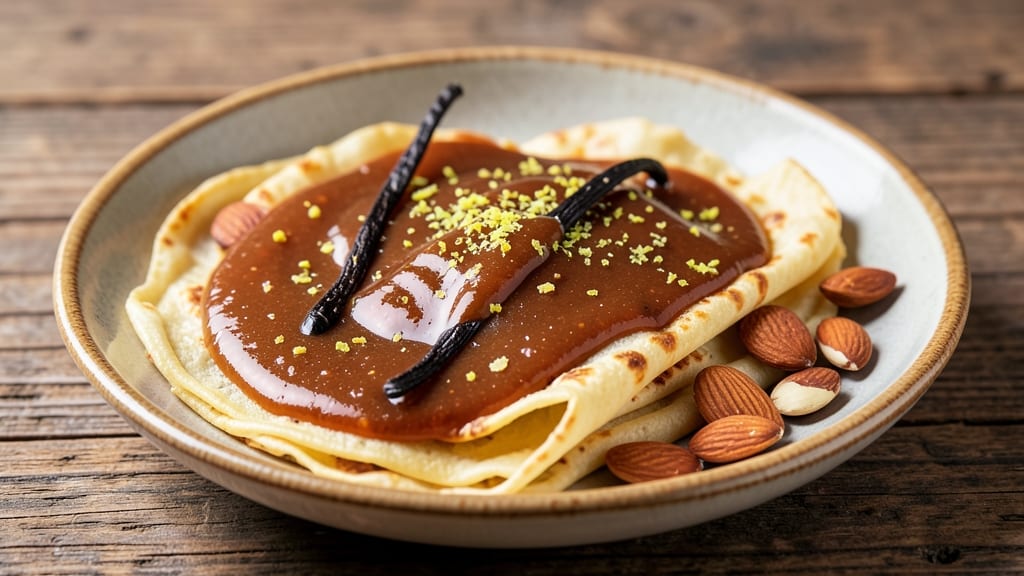
This amaretto sauce recipe transforms simple pantry staples into a velvety, nutty-sweet drizzle that elevates desserts and dips with just a few ingredients. The secret lies in balancing rich amaretto liqueur with butter and sugar, creating a sauce that's both decadent and versatile.
I developed this recipe after craving that perfect harmony of almond flavor and boozy warmth—without the complexity of traditional custards.
The process is straightforward: simmer amaretto with butter until smooth, then stir in sugar until silky. No special equipment is needed, just a saucepan and a whisk.
The sauce thickens as it cools, making it ideal for drizzling over tiramisu, pairing with chocolate truffles, or even enhancing savory dishes like seared scallops. It keeps well in the fridge for up to a week, so you can make a batch ahead for entertaining.
What makes this sauce truly special is its versatility—it works as a dessert glaze, cocktail garnish, or even a dip for fresh fruit. The nutty almond notes from the amaretto shine through while the butter adds a luxurious mouthfeel.
Whether you're a home cook or a dessert enthusiast, this recipe delivers restaurant-quality results with minimal effort. Let's get started!
Pro tip: For extra depth, infuse the sauce with a splash of vanilla extract or a hint of lemon zest. Store it in an airtight container, and it'll stay fresh for up to a week, ready to transform your next dish into something extraordinary.
Ingredients for amaretto sauce
Six core ingredients create this luxurious amaretto sauce with just simmering and whisking.
| Ingredient | Amount | Notes |
|---|---|---|
| Amaretto Liqueur 🍸 | ½ cup | Disaronno preferred for authentic almond flavor |
| Unsalted Butter 🧈 | ½ cup | Cold cubed for even melting |
| Granulated Sugar 🍚 | ¼ cup | Superfine preferred for faster dissolving |
| Heavy Cream 🥛 | ¼ cup | Full-fat for richest texture |
| Vanilla Extract 🌿 | 1 tsp | Pure Madagascar or bourbon vanilla |
| Lemon Zest 🍋 | 1 tsp | Brightens the nutty flavor profile |
| Salt 🧂 | ¼ tsp | Kosher or sea salt for balance |
| Whole Milk 🥛 | 2 tbsp | For thinning if needed (optional) |
The amaretto is the heart of this sauce—Disaronno delivers the most authentic almond flavor, but any quality amaretto works. Trader Joe's and Whole Foods carry good options, or check the liquor store's liqueur section. Butter should be cold when added to prevent immediate melting; cube it before measuring. Sugar is where you can adjust sweetness—start with the full amount, then taste and add more if needed. The vanilla extract enhances the almond notes beautifully, so don't skip it even if your amaretto is already flavored.
No amaretto? Almond extract plus a splash of brandy mimics the profile (use half the amount of amaretto called for). Butter substitutes? Vegan butter works but lacks richness—stick with dairy for that luxurious mouthfeel. Sugar alternatives? Maple syrup or agave can replace granulated sugar, but reduce by 20% as they're more liquid. The lemon zest adds brightness that balances the sauce's richness—zest only, no pith. If your sauce thickens too much, the optional milk thins it perfectly.
This sauce thickens as it cools, so it's best used within 1 week of making. Store in an airtight container in the fridge, with a thin layer of plastic wrap pressed directly on the surface to prevent a skin from forming. For longer storage, freeze in ice cube trays—thaw overnight in the fridge before using. The sauce reheats beautifully; gently warm it in a saucepan over low heat, stirring constantly until smooth. It's perfect for drizzling, dipping, or even as a cocktail garnish.
Why You'll Love This Recipe
- Five-Ingredient Magic: I swear, this sauce is the kind of recipe where you look at the list and think, "Wait, that’s it?" Butter, sugar, cream, a splash of amaretto, and vanilla—no fancy techniques, no waiting for hours. Honestly, the only thing harder than making it is deciding what to pour it over first.
- Nutty, Boozy Bliss: That amaretto brings the almond warmth, but the butter and cream turn it into something richer than dessert should be allowed to be. I’ll be real: the first time I drizzled it on pancakes, my husband stole the last bite right out of my bowl. (No regrets.)
- Pantry Party Starter: This sauce is my go-to for when I’m low on inspiration. Drizzle it over vanilla ice cream for a grown-up treat, swirl it into coffee cake batter, or toss it with whipped cream for a no-bake cheesecake. Between us, it’s the kind of flexibility that makes me feel like a culinary genius—even if I burned the toast.
- Leftovers That Don’t Suck: Make a double batch and store it in the fridge for up to a week. Yes, even on a Tuesday night. The flavors only deepen, and it’s cheap enough that you won’t cry if you use half of it on toast one morning. (I won’t judge if you do.)
Step-by-step instructions for amaretto sauce
Here's how to create a rich, nutty amaretto sauce perfect for desserts and dips.
Melt Butter and Sugar Together
In a medium saucepan over medium-low heat, add the 0.5 cup unsalted butter and 0.25 cup granulated sugar. Let them melt together, stirring occasionally with a wooden spoon. You'll see the butter transform from solid cubes to a smooth liquid, and the sugar will begin to dissolve completely.
This step forms the base of your sauce. Keep the heat at medium-low to prevent the butter from browning too quickly. You're looking for a smooth, homogenous mixture that coats the back of your spoon. If you notice any graininess from the sugar, increase the heat slightly and stir until fully dissolved.
Add Cream and Simmer
Once the butter and sugar are fully combined, reduce the heat to low and gradually whisk in the 0.25 cup heavy cream. Bring the mixture to a gentle simmer, then reduce heat to maintain a steady bubble. Let it simmer for 3-5 minutes until the mixture thickens slightly and begins to coat the spoon.
This simmering process develops the sauce's rich texture. Watch carefully as it thickens—you want it to reach a consistency similar to heavy cream but slightly thicker. If it starts to bubble too vigorously, reduce the heat immediately to prevent scorching. The sauce should smell sweet and nutty with a hint of caramelization from the sugar.
Incorporate Amaretto and Aromatics
Remove the saucepan from heat and let it cool slightly for 1-2 minutes. Then stir in the 0.5 cup amaretto liqueur, 1 tsp vanilla extract, 1 tsp lemon zest, and 0.25 tsp salt. The amaretto will add a rich almond flavor while the lemon zest brightens the overall profile. Stir well to combine all ingredients thoroughly.
Here's where the sauce transforms from a simple base to a complex, flavorful drizzle. The amaretto's nutty notes complement the sweetness perfectly, while the lemon zest adds a subtle citrus tang that balances the richness. Let the mixture sit for 2 minutes to allow the flavors to meld together. You should notice the aroma becoming more pronounced and inviting.
Adjust Consistency and Finish
Return the sauce to low heat (just enough to maintain warmth) and taste it. If it's too thick for your desired consistency, whisk in the 2 tbsp whole milk 1 tablespoon at a time until you reach a smooth, pourable consistency. The sauce should coat the back of a spoon but still flow easily when drizzled.
This final adjustment ensures your sauce will work perfectly for drizzling over desserts or as a dip. If you prefer a thicker sauce for dipping, you can skip the milk entirely. The sauce should be warm but not hot—just warm enough to release its full aromatic profile. Taste again and adjust seasoning if needed, adding more salt or lemon zest if desired.
Cool and Store Properly
Transfer the finished sauce to a clean jar or airtight container. Let it cool to room temperature, then refrigerate for up to 1 week. When ready to use, gently reheat in a saucepan over low heat, stirring constantly until warmed through. The sauce can be used warm or cold, depending on your application.
This sauce keeps beautifully in the refrigerator, maintaining its rich flavor and smooth texture. If you notice any separation after refrigeration, simply whisk vigorously to recombine before using. The sauce will thicken slightly when cold, so you may need to add a splash of warm water or milk to achieve your desired consistency when reheating.
Pro Tips For Making Amaretto Sauce
- Whisk Butter First: Melt the unsalted butter first—cold chunks in hot cream make a lumpy mess. I used to toss in the sugar and cream first, then add butter, and ended up with a sauce that looked like it had been blended with a snowplow. Warm the butter until it’s just liquid, then pour it into the warm cream while whisking like you’re trying to win a speed-dating contest.
- Measure Amaretto Precisely: That bottle’s pour spout lies. Use a measuring spoon—1/4 cup is not the same as a glug from the neck. I learned this after a batch tasted like someone had dipped a handkerchief in booze and waved it over the pan. For 1 cup of sauce, stick to 1–2 tablespoons of amaretto; you can always add more, but you can’t take it out.
- Simmer, Don’t Boil: Keep the heat low once everything’s combined—you’re not making candy, just a silky sauce. A rolling boil will cook off the alcohol too fast and turn your sauce into a sad, flat puddle. A gentle simmer (tiny bubbles, occasional swirls) lets the flavors meld without turning your kitchen into a distillery.
- Sweeten Gradually: Taste as you go—sugar’s easy to adjust, but rushed cooks dump it all in and end up with a dessert glaze. Start with half the sugar, simmer 2 minutes, then add the rest. The cream’s natural sweetness will surprise you, and you’ll avoid the "why does this taste like a bakery display?" moment.
Perfect pairings for this dish
Dessert Pairings
This amaretto sauce is a game-changer for tiramisu—drizzle it over coffee-soaked ladyfingers before assembling for a boozy twist. I love it with chocolate-dipped strawberries too; the nutty almond flavor cuts through the richness beautifully.
For a showstopper, serve it warm over vanilla bean ice cream with crushed amaretti cookies on top. 🍓
Cocktail Garnishes
Elevate your next cocktail with this sauce as a drizzle or rim. Try it on espresso martinis or white Russian—the almond notes complement the coffee perfectly. For a non-alcoholic option, drizzle it over vanilla chai lattes or hot chocolate during winter months.
I also use it as a sauce spoon for dark chocolate fondue, where its sweetness balances the bitterness. 🍸
Savory Surprises
Don't limit this sauce to desserts—it's fantastic with seared scallops or roasted chicken. A light drizzle over crab cakes adds a sweet-savory contrast that guests will love.
For a vegetarian option, try it with grilled eggplant or portobello mushrooms. The key is using it sparingly—just enough to enhance, not overpower. 🍽️
Bread and Cheese
Warm this sauce slightly and serve it as a dipping sauce for baguette slices or cinnamon rolls. It pairs wonderfully with aged cheddar or brie—the creaminess of the cheese contrasts perfectly with the sauce's nutty depth.
For a festive touch, drizzle it over cheese boards alongside honey and jam. 🧀
Breakfast Twist
Yes, you read that right! Use this sauce as a syrup for pancakes or French toast. The amaretto flavor adds a sophisticated touch to breakfast classics. I also love it with yogurt parfaits—layer it with granola and fresh berries for a dessert-like morning treat. 🥞
Pro Tips for Pairing
For best results, let the sauce cool slightly before drizzling—it thickens as it sits. If using with hot dishes, warm the sauce gently to maintain its silky texture. Store any leftovers in an airtight container in the fridge for up to 1 week.
The sauce's versatility means you can experiment freely—just remember, a little goes a long way! ✨
Nutrition facts
Frequently asked questions
Can I make this amaretto sauce without alcohol?
Yes! Replace the amaretto with 1.5 teaspoons almond extract plus 1 tablespoon brandy or vanilla extract to mimic the flavor profile. For a non-alcoholic version, use 1.5 teaspoons almond extract plus 1 teaspoon vanilla extract—just reduce the sugar slightly (0.2 cup) since extracts are more potent. The texture will be identical, just without the boozy warmth.
How do I fix a sauce that's too thin or too thick?
For a thicker sauce, simmer it uncovered over low heat for 5-10 minutes to evaporate excess liquid. If it's still too runny, whisk in 1 teaspoon cornstarch mixed with 1 tablespoon cold water until smooth. For a thinner sauce, gently warm it and whisk in 1 tablespoon milk or water at a time until you reach the desired consistency. Always reheat slowly to prevent separation.
Can I use this sauce in savory dishes?
The nutty-sweet balance works surprisingly well with savory flavors. Drizzle it lightly over seared scallops, grilled chicken, or roasted vegetables like eggplant or portobello mushrooms. For a bolder contrast, pair it with blue cheese or ricotta-based dishes. Start with just 1 teaspoon per serving—the sauce is potent, so less is more in savory applications.
Will this sauce curdle if reheated?
Not if done correctly! Reheat the sauce over low heat (never high) while whisking constantly. If you see any separation, whisk vigorously or gently warm it with 1 teaspoon heavy cream to restore its silky texture. To prevent curdling, store it in an airtight container with a thin layer of plastic wrap pressed directly on the surface. The sauce thickens when cold, so you may need to thin it with a splash of warm water before reheating.