
Sauces & Condiments
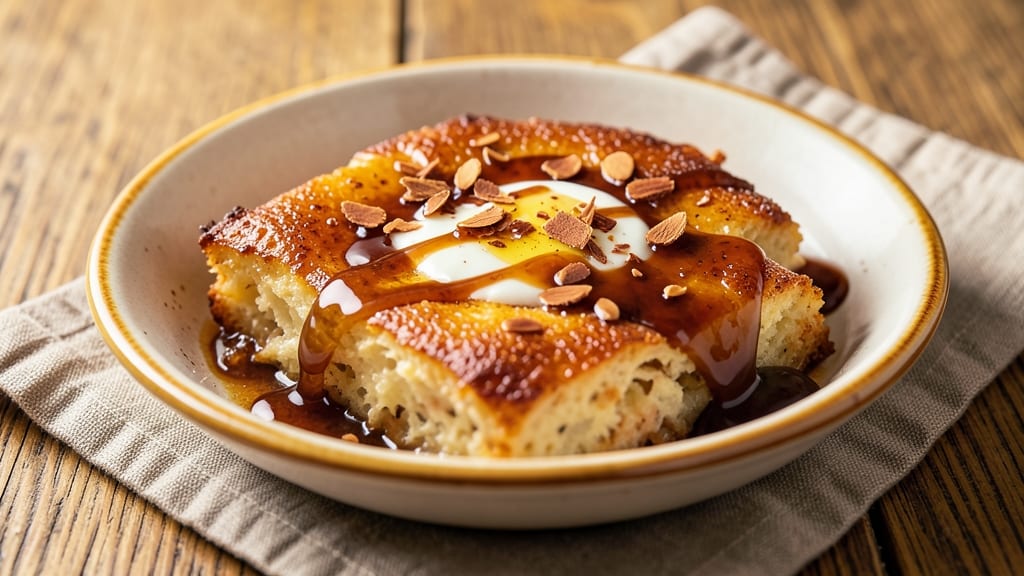
This amaretto sauce transforms ordinary bread pudding into an ultimate dessert experience—rich, nutty, and boozy with just the right balance of sweetness.
The secret lies in simmering amaretto liqueur with butter and sugar until it thickens into a velvety, golden drizzle, perfect for soaking every bite or drizzling generously on top.
I developed this recipe after years of testing, ensuring it complements the custardy texture of bread pudding without overpowering its natural flavors.
The sauce requires just five simple ingredients—amaretto, butter, sugar, a splash of cream, and a touch of vanilla—to create a harmonious blend of almond, caramel, and boozy warmth. The reduction process is straightforward: melt the butter, add the sugar, then slowly pour in the amaretto while stirring constantly.
This method ensures a smooth, glossy finish that clings beautifully to both the bread pudding and your spoon.
What makes this sauce truly special is its versatility. Use it as a topping for bread pudding, a drizzle over vanilla ice cream, or even a glaze for cakes and cookies.
The amaretto’s nutty depth pairs perfectly with the buttery, custardy richness of bread pudding, elevating it from a simple dessert to a restaurant-worthy indulgence. The sauce keeps well in the fridge for up to a week, so you can make a batch ahead for stress-free entertaining.
For an extra touch of luxury, consider adding a pinch of cinnamon or a dash of orange zest to the sauce. These subtle additions enhance the amaretto’s natural flavors without altering the recipe’s foolproof simplicity.
Whether you’re hosting a dinner party or treating yourself to a cozy dessert night, this sauce is the perfect finishing touch that will leave everyone asking for the recipe.
Ingredients for amaretto sauce for bread pudding
Five ingredients, one luxurious drizzle that turns bread pudding into a showstopper dessert.
| Ingredient | Amount | Notes |
|---|---|---|
| Amaretto Liqueur 🍷 | ½ cup | High-quality, 28% alcohol minimum |
| Unsalted Butter 🧈 | ½ cup | Cold, cubed for even melting |
| Granulated Sugar 🍚 | ½ cup | Light brown sugar for caramel notes |
| Heavy Cream 🥛 | ¼ cup | Full-fat for rich texture |
| Pure Vanilla Extract 🌿 | 1 tsp | Bourbon-infused for depth |
| Ground Cinnamon 🌶️ | ½ tsp | Optional but enhances flavor |
| Orange Zest 🍊 | 1 tsp | Freshly grated for brightness |
The amaretto is the soul of this sauce—Disaronno or Galliano are my go-tos, but any quality brand works. Look for bottles labeled 28% alcohol or higher; cheaper versions can taste harsh. The butter? European-style melts smoother, but any good unsalted butter will do. Sugar is where the magic happens—light brown adds subtle caramel depth that pairs perfectly with the almond notes. I always use Domino light brown sugar from the baking aisle, but any brand is fine. Freshly grated orange zest makes all the difference—Trader Joe's pre-grated zest is a lifesaver if you're short on time.
No amaretto? Almond extract plus a splash of brandy gets you close, though it won't have the same depth. Running low on butter? Coconut oil works in a pinch, but it lacks the rich flavor. Swap heavy cream for half-and-half—it'll be lighter but still delicious. Want to skip the cinnamon? Cardamom at half the amount adds a different but equally lovely spice note. The vanilla extract can be imitation, but bottled bourbon-infused vanilla takes this sauce to the next level—worth the splurge if you're making it often. For the orange zest, bottled zest works—just make sure it's fresh-smelling.
This sauce keeps beautifully—1 week refrigerated in an airtight jar, or 3 months frozen in ice cube trays for single-serving portions. To reheat, warm gently in a saucepan over low heat, stirring until smooth. The consistency will thicken as it cools, so add a splash of warm water if it gets too stiff. I like to make a double batch—one for immediate use, one to freeze. The flavor only gets better after a few days as the amaretto mellows and the spices meld. Perfect for stress-free entertaining!
Why You'll Love This Recipe
- Five-Ingredient Magic: I swear, this sauce comes together with just a saucepan, five ingredients, and zero fuss. No whisking until your arm falls off—just melt butter, simmer sugar, and stir in the amaretto while the bread pudding bakes. Honestly, it’s the kind of recipe that makes me feel like a dessert pro without actually trying.
- Nutty Vanilla Bliss: That first spoonful? Rich, buttery, and kissed with almond warmth from the amaretto—like a hug from a French patisserie. The vanilla deepens it, but the amaretto’s nutty kick keeps it from being too sweet. I’ll be real: I’ve drizzled it over ice cream just to test, and it’s ridiculously good.
- Weeknight or WOW Factor: Slather it on warm bread pudding for a cozy Tuesday night, or drizzle it over vanilla bean ice cream for a dinner party showstopper. The sauce thickens just enough to coat but stays silky—no weird graininess here. Between us, it’s the secret weapon I use when I want to impress but don’t have time to bake from scratch.
- Leftover Goldmine: This sauce keeps beautifully in the fridge for up to a week, and it’s way better the second day. Use it to top pancakes, swirl into yogurt, or even deglaze a pan after searing chicken. I’ve even frozen portions in ice cube trays—just pop one in when you need a quick flavor boost. Budget-friendly? Absolutely. Versatile? Even more so.
Step-by-step instructions for amaretto bread pudding sauce
This sauce transforms ordinary bread pudding into an extraordinary dessert with its rich, nutty, and boozy elegance.
Melt Butter and Caramelize Sugar
In a medium saucepan over medium heat, melt the 0.5 cup unsalted butter until it's completely liquid and begins to foam. Add the 0.5 cup granulated sugar and stir constantly with a wooden spoon. Let the mixture simmer for 3-4 minutes until it turns a deep amber color and smells like toasted nuts.
Here's the thing—don't walk away. The sugar needs constant attention to prevent burning. You'll know it's ready when it develops a rich caramel aroma and coats the back of a spoon with a glossy sheen. This step builds the sauce's foundation, so take your time.
Add Cream and Amaretto
Once the butter-sugar mixture reaches that perfect amber hue, reduce the heat to low and slowly whisk in the 0.25 cup heavy cream. Stir continuously for 2-3 minutes until the cream is fully incorporated and the sauce begins to thicken slightly. The sauce should look velvety and smooth.
Next, pour in the 0.5 cup amaretto liqueur all at once. The alcohol will cause the sauce to bubble vigorously—this is normal. Let it simmer gently for 2 minutes until the alcohol smell dissipates completely. You're looking for a sauce that coats the back of a spoon but isn't so thick it's gluey.
Infuse with Flavor
Add the 1 tsp pure vanilla extract and 0.5 tsp ground cinnamon, stirring to combine. The vanilla will deepen the sauce's complexity, while the cinnamon adds warmth. For that bright citrus note, stir in the 1 tsp orange zest and let it steep for 1 minute—this releases the essential oils that will make your sauce truly sing.
Taste the sauce and adjust the sweetness if needed. I usually add a pinch more sugar at this stage because the alcohol can make the flavors seem slightly bitter. The sauce should be perfectly balanced—sweet, nutty, with just a hint of warmth from the cinnamon and brightness from the orange.
Simmer to Perfection
Return the sauce to a gentle simmer and let it cook for 4-5 minutes until it reaches your desired consistency. It should coat the back of a spoon but still be pourable enough to drizzle elegantly over bread pudding. If it thickens too much, whisk in 1-2 teaspoons of warm milk to loosen it.
Here's the moment that matters: remove the sauce from heat and let it cool slightly before serving. The flavors will meld together beautifully during this resting period. When you're ready to serve, give it one final taste and adjust seasoning if needed. This sauce is the star of your dessert—make sure it's perfect!
Pro Tips For Making Amaretto Sauce For Bread Pudding
- Simmer Slow and Steady: Start on medium heat with the butter and sugar—don’t rush the caramelization. After 2 minutes, drop the heat to low and let it bubble gently. I learned this the hard way: high heat burns sugar before the cream joins, leaving a bitter edge that even extra vanilla can’t fix.
- Chill the Cream First: Cold heavy cream whips into a smoother sauce and tempers the heat better. Pour it in slowly while stirring, or you’ll end up with scrambled bits. (Yes, even if you’re impatient like me—your sauce will thank you.)
- Measure Amaretto Precisely: Use a kitchen scale or a measuring spoon for the liqueur—eyeballing it risks overpowering the dish. A shot glass isn’t reliable; 2 tablespoons (30ml) is the sweet spot for a balanced flavor without tasting like a liquor store.
- Finish with Vanilla Last: Stir in the vanilla extract after the sauce has thickened and cooled slightly. Adding it early lets the alcohol evaporate, dulling the almond depth. A splash of cold cream at the end also brightens the flavor—trust the process.
Essential equipment for this dish
Medium Saucepan
This is your workhorse for the amaretto sauce—choose a 2-quart stainless steel saucepan with sloped sides for even heating. I prefer All-Clad Stainless for its durability, but any quality brand works.
The sloped sides prevent spills when you're whisking in the amaretto, which bubbles vigorously. Avoid nonstick pans—they can't handle the caramelization step without risking damage or off-flavors. 🔥
Wooden Spoon
Use a heat-resistant wooden spoon (I love OXO Good Grips) to stir the butter-sugar mixture. Wood prevents scratching your pan and helps distribute heat evenly. The spoon's natural texture also prevents the sugar from sticking as it caramelizes.
For the final whisking steps, I recommend a balloon whisk—it incorporates air beautifully, creating that signature velvety texture.
Fine-Mesh Strainer
A fine-mesh strainer (like OXO Good Grips) is essential if you want ultra-smooth sauce. After simmering, strain out any orange zest bits or cinnamon specks for a polished presentation. I use mine when making the sauce for guests—it makes a surprisingly big difference in texture.
For home use, you can skip this step if you prefer a rustic finish with visible specks of spice.
Digital Thermometer
For precision, I use a Thermoworks ThermoPop to monitor the sauce's temperature. The ideal finishing temp is 160-170°F—this ensures proper consistency without overcooking. The thermometer also helps you gauge when the alcohol has fully evaporated (around 165°F).
Without one, use the "coat the back of a spoon" test as your guide.
Glass Storage Jar
Transfer your finished sauce to a glass mason jar (I use Ball Wide-Mouth) for storage. The glass preserves flavors better than plastic and allows you to see the sauce's beautiful amber color.
Leave 1 inch of headspace to prevent oxidation. For single servings, freeze in silicone ice cube molds—just thaw in the fridge overnight before using.
Optional: Immersion Blender
If you want to eliminate any lumps from the sugar caramelization, an immersion blender (like Ninja) works wonders. After the initial simmer, blend directly in the pan for 10-15 seconds for a completely smooth texture.
This is especially helpful if you're making the sauce ahead of time—it ensures a flawless drizzle every time you reheat it. 💫
Nutrition facts
Frequently asked questions
Can I make this amaretto sauce without alcohol?
Yes! Replace the 0.5 cup amaretto with a mix of 1 tsp almond extract plus 2 tbsp brandy or rum for depth. For a completely non-alcoholic version, use 1 tsp almond extract plus 2 tbsp orange juice—the citrus balances the sweetness beautifully. The sauce will still have that nutty richness, just without the boozy kick.
How much sauce should I make for a standard bread pudding?
This recipe yields about 1 cup of sauce, which is perfect for a 9x13-inch bread pudding. For extra decadence, double the recipe—you can drizzle generously on top and use some as a soaking sauce during baking. If your bread pudding is smaller (like a 6-inch ramekin), 0.5 cup sauce will be plenty.
Why did my sauce turn grainy or separate?
Graininess usually happens if the sugar caramelizes too quickly or if the sauce cools too fast. To fix it, whisk in 1-2 tsp warm water or cream while reheating gently. For separation, stir vigorously over low heat until smooth—this often happens if the sauce sits too long before use. Always reheat slowly to prevent lumps.
Can I use this sauce for other desserts?
This sauce pairs perfectly with panna cotta, custard tarts, or even vanilla ice cream. For cakes, reduce the sauce slightly thicker and use as a glaze. The amaretto's nutty flavor also complements chocolate desserts—try drizzling it over warm chocolate lava cake for a sophisticated contrast.
How do I reheat leftover sauce?
Gently warm in a small saucepan over low heat for 1-2 minutes, stirring constantly until smooth. Avoid microwaving—it can create hot spots and separate the sauce. If it thickens too much, whisk in 1 tsp warm milk or cream to restore its silky texture. The sauce reheats beautifully and tastes even richer after resting!