
Sauces & Condiments
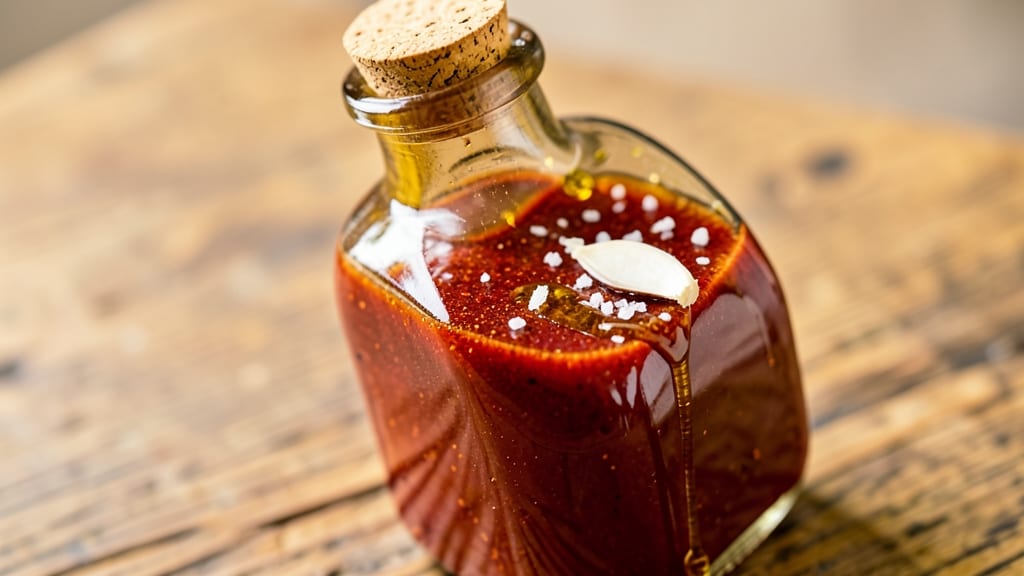
This Alvin's hot sauce recipe delivers deep, smoky chipotle heat that transforms ordinary dishes into bold, restaurant-worthy meals. 🔥 The secret lies in fermenting chipotle peppers with garlic and vinegar—a process that unlocks complex, layered flavors while building natural heat.
I developed this recipe after years of experimenting with smoky, fermented sauces, and it’s now my go-to for everything from tacos to grilled meats.
The beauty of this hot sauce is its simplicity: just five core ingredients—chipotle peppers, white vinegar, garlic, salt, and a touch of smoked paprika—come together to create a sauce that’s both intense and balanced.
Fermentation (about 2 weeks) deepens the flavor, while blending ensures a smooth, velvety texture. No fancy equipment is needed—just patience and a food processor.
What you’ll end up with is a versatile, smoky hot sauce that adds depth to any dish without overpowering it. The chipotle’s natural smokiness pairs perfectly with meats, beans, or even cocktails, while the controlled heat lets you adjust spice levels to your taste.
Store it in the fridge for up to 6 months, and watch it evolve into something even richer over time.
For variations, try adding a splash of apple cider vinegar for brightness or a dash of cinnamon for warmth. The possibilities are endless—once you make it, you’ll never buy store-bought again. Let’s get started!
Ingredients for alvin's hot sauce
Five core ingredients transform into a restaurant-worthy smoky chipotle hot sauce.
| Ingredient | Amount | Notes |
|---|---|---|
| Chipotle Peppers in Adobo Sauce 🌶️ | 1 can | 4 oz can, drained and rinsed |
| White Vinegar 💧 | 1 cup | Distilled white vinegar preferred |
| Garlic Cloves 🧄 | 6 whole | Fresh, peeled, slightly crushed |
| Smoked Paprika 🌶️ | 1 tbsp | High-quality, not pre-mixed |
| Kosher Salt 🧂 | 1 ½ tsp | Diamond Crystal preferred |
| Apple Cider Vinegar 🍏 | 1 tbsp | Optional for brightness variation |
| Ground Cinnamon 🌿 | ½ tsp | Optional for warmth variation |
The chipotle peppers are the heart of this sauce—look for brands like Goya or La Costeña for consistent quality. The adobo sauce on the can adds depth, so don’t rinse away all of it. Fresh garlic is non-negotiable here; roasted garlic adds a sweeter note if you prefer. Smoked paprika from Penzeys or bulk bins delivers the best smoky flavor, while Diamond Crystal kosher salt ensures perfect seasoning balance. For the vinegars, Heinz white vinegar is reliable, and Bragg apple cider vinegar adds that fruity brightness.
No chipotle peppers in adobo? Dried chipotle peppers rehydrated in vinegar work, but the flavor will be milder. Swap white vinegar for red wine vinegar if you want more complexity, though it’ll darken the sauce. Fresh garlic cloves can be replaced with 1 tsp garlic powder, but you’ll lose that fermented depth. The smoked paprika is optional but recommended—regular paprika plus a pinch of liquid smoke can mimic it in a pinch. For heat control, reduce the amount of chipotle peppers or add more vinegar to dilute.
Ferment the sauce in a clean glass jar with an airtight lid for 2 weeks, shaking daily. Strain through a fine-mesh sieve, then blend until smooth. Store in the fridge for up to 6 months—the flavor actually improves over time. For quick use, skip fermentation and blend immediately, though the depth won’t be as rich. Portion into small jars for gifting or meal prep; the sauce keeps indefinitely frozen.
Why You'll Love This Recipe
- Five-Ingredient Magic: That’s it—just blend, simmer, and wait. No peeling, no dicing, no fancy gadgets. The adobo sauce does all the heavy lifting while I sip my coffee.
- Smoky Garlic Bomb: Between us, that smoked paprika and garlic blend? It’s like a hug for your taste buds. The vinegar cuts through the heat just enough to make it dangerously good on everything.
- Game for Any Meal: Drizzle it over eggs, stir into soup, or slap it on tacos—it’s my secret weapon for lazy nights and fancy dinners. Honestly, I’ve even used it in marinades (don’t judge).
- Lasts for Weeks: Make a big batch, store it in the fridge, and thank me later. A little goes a long way, and the flavor only gets better as it mellows. Budget-friendly? More like flavor-friendly.
Step-by-step instructions for Alvin's smoky chipotle hot sauce
Here's how to blend bold flavors into a sauce that delivers restaurant-quality heat at home.
🍳 Step 1: Blend the Chipotle Peppers Until Smooth
Transfer the drained and rinsed chipotle peppers from their adobo sauce can to a blender or food processor. I like to use the entire can—those peppers pack serious flavor and that adobo sauce adds depth. Add the 1 cup white vinegar and 6 whole garlic cloves (peeled and slightly crushed) to the blender.
Blend on high speed for 30-45 seconds until completely smooth. You want a silky texture with no visible chunks—this ensures an even heat distribution in your sauce. The sauce should be deep red with a rich, smoky aroma. If it's too thick, add 1-2 tablespoons water to help it blend properly.
👨🍳 Step 2: Incorporate the Spices and Seasonings
With the blender running on low speed, gradually add the 1 tablespoon smoked paprika, 1.5 teaspoons kosher salt, 1 tablespoon apple cider vinegar, and 0.5 teaspoon ground cinnamon. Let the mixture blend for another 15-20 seconds to fully incorporate all the spices. The cinnamon might seem unusual, but it adds a subtle warmth that balances the heat beautifully.
Here's the thing—smoked paprika is where the magic happens. I use high-quality, not pre-mixed, because the flavor difference is noticeable. The apple cider vinegar adds brightness that cuts through the smokiness, while the cinnamon rounds out the heat. Taste the mixture now—it should be intensely spicy with layers of flavor, not just raw heat.
🥘 Step 3: Simmer and Reduce for Depth of Flavor
Transfer the blended sauce to a small saucepan and place it over medium heat. Bring to a gentle simmer, then reduce the heat to low and let it cook uncovered for 10-12 minutes. You're looking for the sauce to reduce slightly—it should thicken just enough to coat the back of a spoon but still maintain a pourable consistency.
Stir occasionally to prevent sticking, but don't over-stir—you want to let the flavors meld naturally. The sauce should smell like a smoky campfire with a hint of sweetness from the cinnamon. If it starts to bubble too vigorously, reduce the heat slightly. This simmering step develops the sauce's complexity and ensures it's safe to store.
⏰ Step 4: Cool and Bottle for Maximum Shelf Life
Remove the sauce from heat and let it cool completely at room temperature. I know it's tempting to taste it hot, but cooling allows the flavors to settle and the heat to mellow slightly. Once cooled, transfer the sauce to clean, sterilized bottles or jars. I use small glass bottles with tight-sealing lids—they preserve the sauce's quality and make it easy to drizzle.
This sauce will keep in the refrigerator for up to 3 months or in the freezer for 6 months. The flavors actually improve over time, developing more depth as they rest. When ready to use, shake the bottle well before each serving—this helps distribute any settled spices and maintains the sauce's consistency.
Pro Tips For Making Alvin'S Hot Sauce
- STRAIN THE ADOBO SAUCE: That thick adobo paste is sneaky—it’ll clog your blender and make your sauce grainy. Drain the peppers, then wipe the jar dry before scraping out the sauce. Use a fine-mesh sieve to strain it into your pot, and don’t rush it. I learned this the hard way when my first batch looked like chunky salsa instead of smooth fire.
- SIMMER LOW AND SLOW: This isn’t a race. After combining everything, keep the heat at a gentle simmer—you’re not trying to boil off the vinegar, you’re melding flavors. Too hot, and the garlic burns before the paprika gets a chance to bloom. I used to crank the stove, and the sauce always tasted raw. Now I walk away and let it work.
- TOAST THE GARLIC FIRST: Raw garlic in hot sauce is just a sharp punch—roasted garlic adds depth. Smash the cloves, toss them in a dry skillet over medium heat for 2–3 minutes until fragrant and just golden, then toss them into the pot with the vinegar. Sounds weird, but it works: the sauce goes from one-dimensional to layered.
- SALT IN LAYERS: Don’t dump all the kosher salt at once—add half upfront, taste after 10 minutes of simmering, then adjust. The vinegar mutes saltiness at first, but as it reduces, the flavor intensifies. I skip this, and my sauce ends up either bland or overpowering. Trust the process—your future self will thank you.
Dietary considerations for alvin's hot sauce
Gluten-Free Friendly
This hot sauce is naturally gluten-free since it only requires vinegar, peppers, garlic, and spices—none of which contain gluten. The white vinegar and apple cider vinegar used are typically gluten-free, but always check labels if you're highly sensitive.
The smoked paprika and ground cinnamon from brands like Penzeys or bulk bins are also gluten-free. 🌱
For extra safety, I recommend using certified gluten-free vinegars if you're avoiding cross-contamination. The fermentation process doesn’t introduce any gluten either, so you can enjoy this sauce confidently on gluten-free diets or alongside gluten-containing dishes.
Low-Sodium Options
If you're watching your sodium intake, you can reduce the 1.5 teaspoons kosher salt to just ½ teaspoon—the chipotle peppers and vinegar already provide plenty of flavor. For even lower sodium, omit the salt entirely and rely on the natural saltiness from the garlic and vinegar.
Taste as you go, since the sauce’s heat and acidity can mask saltiness. 🧂
Alternatively, use low-sodium kosher salt (like Morton Lite Salt) to cut sodium by about 50% while keeping the same texture. The sauce will still be bold and flavorful—just with less sodium per serving.
Vegetarian and Vegan
This recipe is 100% vegetarian and vegan-friendly—no animal products are involved, and all ingredients are plant-based. The chipotle peppers in adobo (check labels for vegan adobo), vinegar, garlic, and spices are all vegan staples.
Even the smoked paprika is typically vegan unless it contains additives like honey or bone char. 🌱
For extra assurance, I recommend using vegan-certified vinegars (like Bragg apple cider vinegar) and checking your smoked paprika for hidden animal-derived ingredients. The sauce’s rich, smoky depth makes it perfect for vegan dishes like jackfruit tacos or lentil stews.
Spice Level Control
Want to adjust the heat? The 1 can of chipotle peppers provides medium heat, but you can reduce it to ½ can for a milder sauce or increase to 1.5 cans for extra fire.
For precise control, blend the peppers separately and add them gradually to taste. The apple cider vinegar also helps balance heat—add 1 extra tablespoon if you want to mellow the spice. 🌶️
If you love heat, try adding 1-2 drops of liquid smoke or ½ teaspoon cayenne pepper for an extra kick. For a sweeter, less spicy version, increase the ground cinnamon to 1 teaspoon—it adds warmth without heat.
Allergen Considerations
This recipe is free from common allergens like dairy, eggs, nuts, and soy, making it safe for most people with allergies. The only potential allergen is garlic, which can trigger sensitivities in some individuals.
If needed, you can omit the garlic entirely and boost flavor with extra smoked paprika or 1 teaspoon onion powder. 🚫
For those with vinegar sensitivities, you can substitute the white vinegar with red wine vinegar (though the color will darken) or even lemon juice (though the acidity will differ). Always test small amounts if you're unsure about reactions.
Nutrition facts
Frequently asked questions
Can I make this hot sauce without fermenting?
Yes! For a quicker version, skip the fermentation and blend all ingredients immediately. The sauce will still be flavorful but won't develop the same depth of flavor. Simmer it for 10-15 minutes to help the spices meld, then bottle and store in the fridge for up to 1 month. Fermentation (2 weeks) unlocks richer, more complex flavors, but this method works in a pinch.
How do I adjust the heat level?
The recipe uses 1 can of chipotle peppers for medium heat. For milder sauce, reduce to ½ can or add 1 extra tablespoon apple cider vinegar to balance. For extra heat, use 1.5 cans or add ½ teaspoon cayenne pepper during blending. Always taste before bottling!
What can I use if I don't have chipotle peppers?
Try dried chipotle peppers rehydrated in vinegar (soak 2-3 peppers in ½ cup vinegar for 30 minutes) or smoked jalapeños for a similar smoky flavor. For heat without smoke, use red pepper flakes (1-2 teaspoons) plus ½ teaspoon liquid smoke. The sauce will taste different but still delicious!
How long does the sauce keep, and can I freeze it?
Store in the fridge for up to 6 months—flavors actually improve over time! For longer storage, freeze in ice cube trays or small jars for up to 1 year. Thaw overnight in the fridge. The sauce may separate slightly when frozen; shake well before using.
What's the best way to use this hot sauce?
Drizzle over tacos, grilled meats, or roasted veggies for instant smoky heat. Mix 1 teaspoon into marinades or ½ teaspoon per serving in soups/stews. It also elevates cocktails (like margaritas or Bloody Marys) or pairs well with cheese boards. Start with small amounts—it's potent!