
Sauces & Condiments
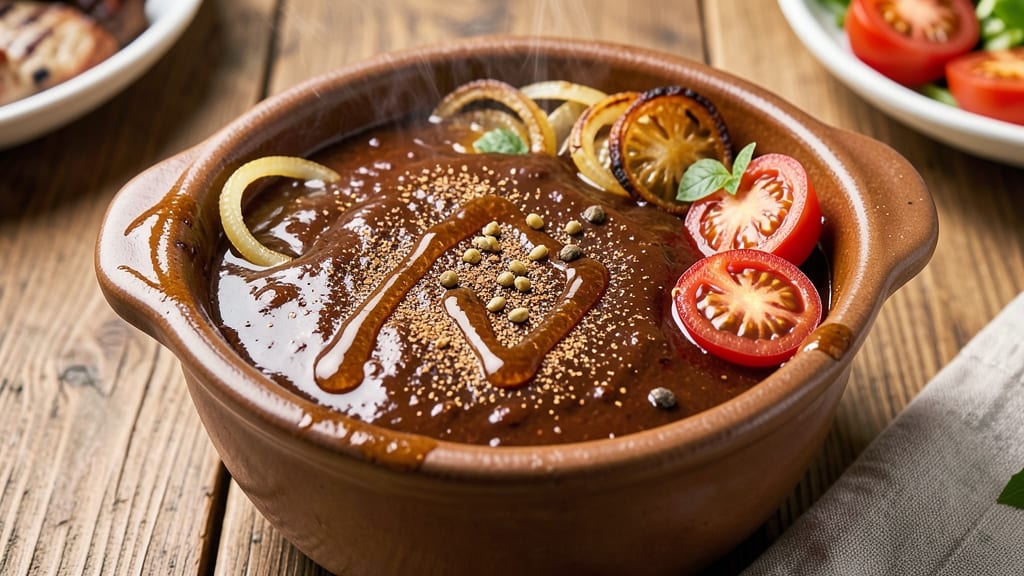
This all-natural barbecue sauce recipe delivers the perfect balance of smoky depth and sweet richness—without artificial preservatives or high-fructose corn syrup. After years of perfecting my pitmaster technique, I've developed a sauce that rivals store-bought brands but tastes far more complex, thanks to fresh ingredients and slow-simmered flavor.
The key lies in caramelizing onions and tomatoes until they're deep and jammy, then blending them with a touch of apple cider vinegar for tangy brightness.
What makes this sauce truly special is its versatility—it works equally well as a glaze for grilled ribs, a marinade for chicken, or a finishing drizzle over slow-smoked brisket.
I use real maple syrup instead of corn syrup for natural sweetness, and a blend of spices like smoked paprika and mustard powder to build authentic smokiness. The sauce thickens beautifully as it simmers, creating that perfect sticky-sweet consistency that clings to every bite.
By the time you're done, you'll have a batch of restaurant-quality barbecue sauce that's free from artificial additives but packed with flavor. The aroma alone will have your kitchen smelling like a backyard cookout, and the taste will make you question why you ever bought store-bought versions.
Best of all, it keeps well in the fridge for up to two weeks, so you can make a big batch and enjoy it all season long.
Whether you're grilling up ribs, smoking a brisket, or simply drizzling it over baked beans, this sauce elevates every dish. The natural ingredients ensure a cleaner taste, while the slow simmering process develops layers of flavor that store-bought sauces simply can't match.
Let's get started on creating your own all-natural masterpiece.
Ingredients for all natural barbecue sauce
Fresh ingredients transform into restaurant-quality sauce—no preservatives, just smoky-sweet perfection.
| Ingredient | Amount | Notes |
|---|---|---|
| Yellow Onions 🧅 | 2 whole | Thinly sliced for caramelization |
| Roma Tomatoes 🍅 | 4 whole | Fresh, ripe, or canned San Marzano |
| Apple Cider Vinegar 🍎 | ½ cup | For tangy brightness |
| Pure Maple Syrup 🍁 | ½ cup | Grade B for deeper flavor |
| Smoked Paprika 🌶️ | 2 tbsp | Key for authentic smokiness |
| Mustard Powder 🥬 | 1 tbsp | Dry yellow or Dijon |
| Garlic Cloves 🧄 | 4 cloves | Freshly minced for depth |
| Kosher Salt 🧂 | 1 ½ tsp | Diamond Crystal preferred |
| Ground Black Pepper 🌶️ | ½ tsp | Freshly cracked preferred |
| Extra-Virgin Olive Oil 🫒 | ¼ cup | For richness and balance |
The onions and tomatoes are the foundation—caramelizing them until deep and jammy builds that rich, complex base. Sweet yellow onions work best, but red onions add subtle color. For tomatoes, San Marzano canned is ideal, but fresh Roma tomatoes create the most vibrant flavor. I always grab organic tomatoes from the farmers market when they're in season—they're sweeter and more flavorful. If using fresh, roast them first for concentrated sweetness. The key is patience: low heat and time develop those caramelized flavors that make this sauce so special.
No maple syrup? Agave nectar or honey works in a pinch, though maple's deeper flavor is worth seeking out. Swap smoked paprika for liquid smoke at half the amount if you're in a bind, but the earthy depth of real paprika can't be beat. Mustard powder adds tang—Dijon mustard paste can substitute at a 1:1 ratio, though it'll make the sauce thicker. Fresh garlic is non-negotiable here; pre-minced garlic loses its punch fast. For a smoother texture, blend the sauce longer, but I prefer a slightly rustic finish that clings beautifully to ribs.
This sauce tastes even better the next day as flavors meld. Store in a glass jar in the fridge for up to two weeks, or freeze portions for six months. The sauce thickens as it cools, so thin with a splash of water if needed. I always make a double batch—one for immediate grilling, one to freeze for future cookouts. The aroma alone will have your kitchen smelling like a backyard cookout before you even taste it.
Why You'll Love This Recipe
- No-Fuss Simmer: I swear by this sauce because it’s basically hands-off after the initial chop. Dice one onion and toss in a pot with tomatoes, vinegar, and a splash of water—then let it bubble down while you handle the rest of dinner. That’s it. No blenders, no fancy techniques, just pure, smoky satisfaction.
- Smoky-Sweet Magic: The smoked paprika and maple syrup team up for a depth that’s hard to beat. It’s tangy from the vinegar but never harsh, with just a hint of caramelized sweetness that makes every bite sing—especially on grilled chicken or pulled pork.
- Weeknight Wonder: This sauce doubles as a marinade, a glaze, or a dipping sauce for veggies. I keep a jar in the fridge for lazy nights when I’m tossing burgers or roasting Brussels sprouts. Honestly, it’s the kind of recipe that makes you feel like a hero without trying.
- Budget-Friendly Staple: A single batch stretches across three meals—slather it on ribs, drizzle it over baked beans, or use it to deglaze a pan. The ingredients are cheap, the flavor is rich, and you’ll never reach for store-bought again. (Yes, even on a Tuesday night.)
Step-by-step instructions for all natural barbecue sauce
Transform simple ingredients into a rich, smoky-sweet glaze that rivals store-bought—without any preservatives.
Caramelize the Yellow Onions
Heat the 0.25 cup extra-virgin olive oil in a heavy-bottomed saucepan over medium-low heat. Add the 2 whole yellow onions, sliced thinly, and cook them slowly for 15-20 minutes until they turn a deep golden brown. Stir occasionally to prevent burning, and resist the urge to rush this step—patient caramelization builds the sauce's depth of flavor.
You'll know they're ready when the onions smell irresistibly sweet and their edges begin to crisp slightly. Remove them from the pan and set aside, leaving all the caramelized bits behind—they're packed with flavor that will form the sauce's foundation.
Cook the Roma Tomatoes and Aromatics
In the same saucepan, increase the heat to medium and add the 4 whole roma tomatoes, quartered. Cook them for 8-10 minutes until they break down and release their juices, creating a thick, vibrant purée. Add the 4 cloves garlic cloves, minced, and cook for an additional 1-2 minutes until fragrant—just enough to release their aroma without burning.
The tomatoes should collapse into the pan, releasing their sweet, tangy essence. This is where the sauce's natural sweetness begins to develop. If the mixture starts to stick, add a splash of water and scrape up any browned bits from the bottom of the pan—these contain concentrated flavor.
Build the Sauce Base
Reduce the heat to low and stir in the 0.5 cup apple cider vinegar, 0.5 cup pure maple syrup, 2 tbsp smoked paprika, 1 tbsp mustard powder, 1.5 tsp kosher salt, and 0.5 tsp ground black pepper. Bring the mixture to a gentle simmer, then reduce the heat to maintain a steady bubble. Let it cook uncovered for 15-20 minutes, stirring occasionally, until the sauce thickens noticeably and coats the back of a spoon.
This is where the magic happens—the vinegar brightens the sweetness, the maple syrup deepens the caramel notes, and the smoked paprika infuses that authentic barbecue smokiness. The mustard powder adds a subtle tang that balances the sweetness, while the salt and pepper round out the flavors. The sauce should reduce to a thick, glossy consistency.
Simmer to Perfection
Return the caramelized onions to the saucepan and stir them in. Simmer the sauce for an additional 10-15 minutes, stirring frequently, until it reaches your desired thickness. For a thicker sauce, simmer longer; for a thinner, more glaze-like consistency, reduce the simmering time slightly. The sauce should coat the back of a spoon smoothly but still cling to the meat when brushed on.
Taste and adjust the seasoning if needed—add more salt for depth, a splash of vinegar for tang, or a touch more maple syrup for sweetness. The sauce should be a harmonious blend of smoky, sweet, and tangy flavors with a rich, velvety texture. Let it cool slightly before using, as it will thicken further as it sits.
Finish and Store
Once the sauce reaches the perfect consistency, remove it from the heat and let it cool completely. Transfer it to a clean glass jar or airtight container. This sauce keeps in the refrigerator for up to 2 weeks, making it perfect for batch cooking and meal prep. For longer storage, freeze it in ice cube trays and transfer the cubes to a freezer bag for up to 6 months.
Use your homemade barbecue sauce to glaze ribs, chicken, or vegetables, or drizzle it over grilled meats for an all-natural, flavor-packed finish. The balance of sweet, smoky, and tangy notes will elevate any dish, and you'll never reach for store-bought again.
Pro Tips For Making All Natural Barbecue Sauce
- CHAR THE ONIONS LOW: I used to rush this step, and my sauce ended up tasting raw. Slice the onions thin and cook them on medium-low heat for 10-12 minutes until they’re soft and golden—no browning needed. This builds flavor without burning, which ruins the delicate balance of sweet and tangy notes later.
- PEEL AND CRUSH TOMATOES: Skip the seeds and peel the Roma tomatoes before chopping—it cuts down on bitterness and thickens the sauce faster. Roughly crush them by hand (no blender yet) to release juices, but leave some texture. Over-blending turns this into ketchup, not barbecue sauce.
- ADD VINEGAR GRADUALLY: Pour in half the apple cider vinegar first, taste, then add the rest. Too much upfront makes the sauce harsh; too little later leaves it flat. The goal is bright acidity, not a pucker. Adjust as you go—this isn’t a science experiment, but it’s close.
- TOAST THE PAPRIKA: Dry-toast the smoked paprika in a small pan for 30 seconds until it smells deeper—like campfire and smoke. This step amplifies its flavor without overpowering the maple syrup’s sweetness. Just don’t walk away; it burns faster than you think.
Make-ahead tips for this all natural barbecue sauce
Batch Prep Strategy
Make a double batch of sauce on your first cookout day—it’s worth the extra effort. I always prepare two 1-quart jars at once: one for immediate use and one to freeze. The extra sauce ensures you’re never scrambling for store-bought when guests drop by unexpectedly.
Plus, the second batch keeps perfectly in the freezer for up to 6 months, so you’ll always have backup for spontaneous grill sessions. 🔥
Freezing for Later
Freeze your sauce in ice cube trays for portion control—each cube is perfect for a single glaze application. Once frozen, transfer the cubes to a heavy-duty freezer bag, squeezing out excess air to prevent freezer burn.
Label the bag with the date, and you’ll have ready-to-use sauce anytime. Thaw overnight in the fridge before reheating—no need to defrost quickly, as the sauce reheats beautifully. 💫
Thickening Adjustments
If your sauce seems too thin after cooling, simmer it uncovered for 5-10 more minutes to reduce. For a quicker fix, stir in 1 tsp cornstarch mixed with 1 tbsp water and cook until thickened.
Conversely, if it’s too thick, thin it with 1-2 tbsp water or apple cider vinegar while reheating. The goal is a glossy, spoon-coating consistency that clings to meat without dripping. 🌡️
Storage Containers
Use glass jars with airtight lids for fridge storage—they preserve flavor better than plastic. For freezer storage, opt for silicone molds or freezer-safe glass containers to avoid absorption of odors. I swear by Le Parfait glass jars for their durability and leak-proof seals.
Just remember: the sauce thickens as it cools, so leave 1 inch of headspace in jars to prevent spills. ❄️
Reheating Like a Pro
Reheat sauce gently on the stovetop over low heat to avoid burning the maple syrup or vinegar. If using the microwave, heat in 30-second intervals, stirring between each, until warmed through.
Never reheat to a boil—this can make the sauce too thin or alter its flavor balance. A quick stir with a splash of water or vinegar can restore consistency if needed. 💡
Flavor Boost After Storage
If your sauce tastes slightly muted after refrigeration, revive it by simmering for 5 minutes with a pinch of smoked paprika and a dash of freshly cracked black pepper. The heat reactivates the spices, bringing back that smoky depth.
I also like adding a splash of apple cider vinegar to refresh the tang. This trick works wonders for sauces that have been stored for a week or more. 🌶️
Nutrition facts
Frequently asked questions
Can I substitute honey for maple syrup in this recipe?
Yes, you can use honey as a 1:1 substitute for maple syrup, but the flavor will be slightly different. Honey has a lighter color and sweeter taste, while maple syrup adds a deeper, caramel-like richness. For the best results, choose a dark honey or blend it with a pinch of smoked paprika to mimic the maple's depth.
How do I adjust the heat level in this sauce?
To make it milder, reduce the smoked paprika to 1 tbsp and omit the mustard powder. For extra heat, add ½ tsp cayenne pepper or 1 tbsp chipotle powder while simmering. Always taste as you go—you can adjust heat after the fact, but you can't remove it!
Why does my sauce turn out too thin?
Sauce thickness depends on simmering time and ingredient ratios. If yours is too thin, simmer uncovered for 5-10 more minutes to reduce it, or stir in 1 tsp cornstarch mixed with 1 tbsp water until thickened. For future batches, simmer slightly longer or use 1 less cup of vinegar. The goal is a consistency that clings to meat without dripping.
Can I use this sauce as a marinade?
This sauce works wonderfully as a marinade for chicken, pork, or tofu. For best results, marinate for 2-4 hours (never overnight with raw meat). Brush on during the last 10-15 minutes of grilling or baking to prevent burning. The acidity in the vinegar helps tenderize the meat while infusing flavor.
What's the best way to use leftover sauce?
Leftover sauce is perfect for drizzling over grilled vegetables, mixing into pulled pork or chicken, or even as a dip for fries or pretzels. For extra flavor, reheat with a splash of apple cider vinegar and a pinch of smoked paprika. Store leftovers in the fridge for up to 2 weeks or freeze in ice cube trays for portion control.