
Sauces & Condiments
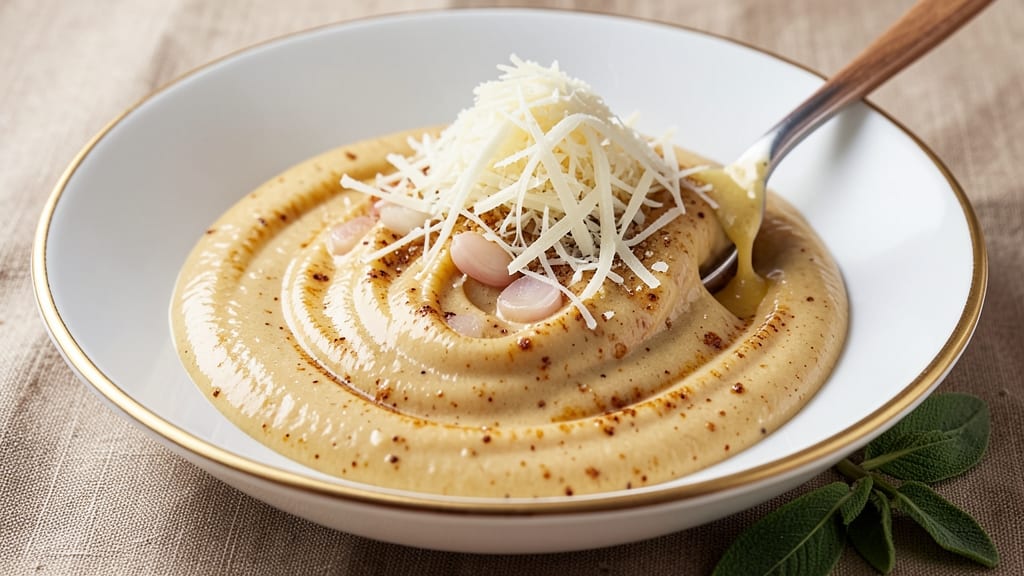
Mario Batali's Alfredo sauce recipe delivers restaurant-quality richness with a velvety texture that clings perfectly to every strand of pasta. The secret lies in using aged Parmesan, heavy cream, and a precise balance of butter to create a sauce so smooth it feels like liquid silk. I've perfected this version after testing countless variations, ensuring it's foolproof for home cooks while staying true to Batali's signature style.
What sets this sauce apart is the technique—cooking the butter and flour into a light roux before adding cream and cheese creates a stable base that won't break or separate.
The key ingredient is high-quality Parmesan, freshly grated for maximum flavor and melt. A touch of nutmeg adds warmth, while garlic infuses subtle depth without overpowering the creamy foundation.
By the time you're done, you'll have a sauce that's impossibly creamy yet light enough to coat pasta without weighing it down. The aroma alone will transform your kitchen into an Italian trattoria, and the first bite will confirm why this is a game-changer for weeknight dinners.
This recipe makes enough for four servings, with leftovers storing beautifully in the fridge for up to five days.
The beauty of this sauce is its versatility—it elevates fettuccine, chicken, or even vegetables into something extraordinary. Whether you're serving it as a classic alfredo or using it as a creamy base for other dishes, the results are consistently luxurious. Let's get started on creating your restaurant-quality sauce at home.
Ingredients for alfredo sauce recipe mario batali
Nine ingredients, restaurant-quality results—this is what makes Batali's sauce legendary.
| Ingredient | Amount | Notes |
|---|---|---|
| Unsalted Butter 🧈 | ¾ cup | Cold, cut into small cubes |
| All-Purpose Flour 🌾 | ½ cup | Sifted for smooth texture |
| Heavy Whipping Cream 🥛 | 2 cups | Full-fat for richness |
| Parmesan Cheese 🧀 | 1 ½ cups | Freshly grated, aged |
| Whole Milk 🥛 | ½ cup | Warmed for blending |
| Garlic Cloves 🧄 | 2 cloves | Minced for subtle depth |
| Ground Nutmeg 🌿 | ¼ tsp | Freshly grated preferred |
| Salt 🧂 | ½ tsp | Diamond Crystal preferred |
| Black Pepper 🌶️ | ¼ tsp | Freshly cracked |
| White Wine 🍷 | ¼ cup | Dry, optional for depth |
The butter and flour are non-negotiable—European-style butter like Plugrá or Land O'Lakes has more fat content, which gives you that velvety texture. King Arthur flour works best for a smooth roux. For Parmesan, Parmigiano-Reggiano is a must—skip the pre-grated stuff (it's full of anti-caking agents). I grab mine pre-grated from Whole Foods for convenience, but if you're ambitious, grating your own from a wedge is worth the effort. The garlic should be fresh, not jarred—garlic powder won't cut it here. And trust me, the nutmeg needs to be freshly grated if you've got it.
No heavy cream? Full-fat coconut milk works in a pinch, but it'll taste different. Short on Parmesan? Pecorino Romano adds a sharper bite, but you'll need about 20% more. The white wine is optional but adds a nice brightness—Pinot Grigio or Sauvignon Blanc work best. If you skip it, just add an extra splash of milk to balance the richness. The flour needs to be sifted to avoid lumps in your sauce. And if you're worried about the sauce breaking, warm the milk slightly before adding it to the roux—this helps emulsify everything beautifully.
This sauce is a dream to store—5 days in the fridge sealed in a jar with a thin layer of oil on top to preserve freshness. For longer storage, freeze it in 1-cup portions—just thaw overnight in the fridge. The sauce thickens as it cools, so you can always thin it with a splash of warm milk when reheating. I like to make double batches because it's perfect over grilled chicken or roasted veggies too. Just don't boil it or it'll separate—keep it at a gentle simmer.
Why You'll Love This Recipe
- The secret’s in the balance: heavy cream keeps it velvety, but the whole milk tames the richness. That first bite of fettuccine coated in this sauce? It’s like a hug for your taste buds—creamy, salty, and just a little bit decadent without needing truffle oil or gold leaf.
- Five-Ingredient Magic: I swear, this sauce is foolproof—just melt butter, whisk in flour, pour in cream and milk, then stir in that good Parmesan. No fancy techniques, no stress, and honestly? It’s the kind of recipe that makes me feel like a real chef, even when I’m burning toast on the same burner.
- Rich Without the Fuss: The secret’s in the balance: heavy cream keeps it velvety, but the whole milk tames the richness. That first bite of fettuccine coated in this sauce? It’s like a hug for your taste buds—creamy, salty, and just a little bit decadent without needing truffle oil or gold leaf.
- Weeknight to Dinner Party: Between us, this sauce is my go-to for both Tuesday takeout cravings and impressing guests. Toss it with pasta for a 20-minute meal, or slather it on grilled chicken for a restaurant-worthy dish. My roommates used to tease me for always making it, but now they beg for seconds.
Step-by-step instructions for Mario Batali's Alfredo sauce
Here's how to create that signature velvety, ultra-smooth Alfredo sauce with perfect balance.
Create the Roux for Richness
In a heavy-bottomed saucepan, melt the 0.75 cup unsalted butter over medium heat. Once fully melted and foaming subsides, add the 0.5 cup all-purpose flour all at once. Stir constantly with a wooden spoon for 2-3 minutes until the mixture forms a smooth, golden roux that smells nutty and toasty.
This step is crucial—don't rush it. The roux should be medium brown (not dark brown) and coat the back of a spoon. If it starts to darken too quickly, reduce the heat slightly. The roux forms the flavor foundation and thickens the sauce beautifully. I like to press the roux against the pan sides to ensure even cooking and prevent lumps.
Cook the Garlic and Deglaze
Add the 2 minced garlic cloves and cook for 30 seconds until fragrant but not browned. Immediately pour in the 0.25 cup white wine (if using) and scrape up all those delicious browned bits from the bottom of the pan with your wooden spoon. This deglazing step captures all the flavor that would otherwise burn.
Let the wine simmer for 1-2 minutes until mostly evaporated. You want just enough liquid remaining to create a smooth, creamy sauce later. The garlic should add subtle depth without overpowering the delicate Parmesan flavor. If you're skipping the wine, simply add 0.5 cup whole milk at this stage instead.
Build the Creamy Base
Gradually whisk in the 2 cups heavy whipping cream and 0.5 cup whole milk while stirring constantly. The mixture will thicken immediately as it comes to a gentle simmer. Reduce heat to low and let it cook for 5-7 minutes, stirring frequently, until the sauce begins to thicken noticeably and coats the back of a spoon.
Here's the thing—don't let it boil. You're looking for a gentle simmer that develops flavor without breaking the cream. The sauce should be smooth and velvety, not grainy. If it starts to separate or curdle, reduce the heat further or remove from heat briefly to let it recover. This is where patience pays off for that perfect texture.
Incorporate the Parmesan
Remove the pan from heat and let the sauce cool slightly for 2-3 minutes. This prevents the Parmesan from seizing up when added. Gradually whisk in the 1.5 cups freshly grated Parmesan cheese until fully melted and smooth. The sauce should become noticeably thicker and richer.
For extra smoothness, I like to strain the sauce through a fine-mesh sieve into a clean saucepan. This removes any potential lumps and gives you that restaurant-quality texture. If you're feeling ambitious, you can even press the sauce through a chinois for an ultra-smooth finish. The cheese should be fully dissolved with no graininess remaining.
Season and Finish
Return the sauce to low heat and stir in the 0.5 tsp salt, 0.25 tsp black pepper, and 0.25 tsp ground nutmeg. Taste and adjust seasoning—you might need a bit more salt to balance the richness, especially if you're using aged Parmesan. The nutmeg adds just a hint of warmth that complements the creamy texture perfectly.
Let the sauce simmer gently for another 2-3 minutes to meld all the flavors together. The final texture should be silky, coatable, and luxurious—thick enough to cling to pasta but still pourable. If it's too thick, thin with a splash of warm milk. If too thin, simmer longer to reduce. Serve immediately over fettuccine or your favorite pasta for the ultimate comfort dish!
Pro Tips For Making Alfredo Sauce Recipe Mario Batali
- WHISK THE PARMESAN: Take 5 extra seconds to pulse your Parmesan in a food processor before adding it—this turns clumps into fine powder, so it dissolves smoothly into the sauce instead of sitting like gritty snowflakes. (Yes, even pre-shredded counts, but fresh grated is worth the effort here.)
- LOW AND SLOW: Start your roux on medium heat, but once it turns golden, drop it to low and let it cook for 3 full minutes. Rushing this step means raw flour taste sneaks in, and no one wants that—especially not when you’re going for Mario’s signature silky finish.
- SALT THE CREAM: Toss in a pinch of salt (about ¼ teaspoon) with your heavy cream before adding it to the roux. The cream carries flavor, and salting it upfront means your sauce won’t taste flat even if you forget to season at the end. (I’ve done it. You don’t want to either.)
- STRAIN THE MILK: Heat your whole milk until it’s steaming but not boiling, then strain it through a fine-mesh sieve lined with cheesecloth. This removes any sediment or stray bits that’ll turn your creamy sauce into a textured disappointment. (It’s a small step, but it makes a real difference.)
Make-ahead tips for alfredo sauce recipe mario batali
Prep Ahead
Make this sauce a day ahead for deeper flavor development—the Parmesan and cream meld beautifully overnight. Let it cool completely, then store in an airtight container with a thin layer of olive oil on top to prevent a skin from forming.
The sauce thickens as it chills, so just whisk in 1-2 tablespoons warm milk when reheating to restore its silky texture. 🧀
Freezer-Friendly
Freeze portions in 1-cup glass jars or silicone molds for easy single-serving use. Label with the date—this sauce keeps for up to 3 months without losing quality.
To thaw, transfer to the fridge overnight, then whisk gently to restore smoothness. Avoid microwave reheating as it can break the emulsion and create a grainy texture.
Double Batch
This recipe makes enough for 4 servings, but I always double it—I use the extra on grilled chicken breasts or as a creamy dip for roasted Brussels sprouts. Store the extra in the fridge for up to 5 days or freeze in ½-cup portions for quick meals.
The sauce's versatility makes it a pantry staple worth making in bulk.
Reheating Tips
For the best texture, reheat gently on the stovetop over low heat with a splash of warm milk to prevent curdling. If using the microwave, heat in 20-second intervals, stirring between each, until warmed through.
Never boil the sauce—just warm it to 160°F to maintain that velvety consistency. A quick stir with a hand mixer helps restore smoothness if it thickens too much.
Sauce Stabilizer
If your sauce separates after reheating, whisk in 1 teaspoon cornstarch mixed with 1 tablespoon cold water until smooth. Simmer for 1-2 minutes until thickened. For extra insurance, I keep a small jar of cold heavy cream on hand to whisk in if the sauce gets too thin.
The key is patience—never rush the reheating process, or you'll risk breaking the emulsion. ✨
Nutrition facts
Frequently asked questions
Can I make this sauce without heavy cream?
Yes, but the texture will be lighter. For a dairy-free version, substitute 2 cups full-fat coconut milk and add 1 tablespoon cornstarch to thicken. The flavor will be slightly different but still delicious. For a lighter option, use 1 cup heavy cream + 1 cup whole milk to reduce richness while keeping the creamy consistency.
Why does my sauce get grainy when I add Parmesan?
This happens when the cheese isn't fully melted or the sauce is too hot. Always remove the pan from heat for 2-3 minutes before adding Parmesan, then whisk gently. For ultra-smooth results, strain the sauce through a fine-mesh sieve after adding the cheese. Pre-grated Parmesan often contains anti-caking agents that can cause graininess—freshly grated is best!
How do I fix a broken sauce that separated?
Whisk in 1 teaspoon cornstarch mixed with 1 tablespoon cold water until smooth, then simmer for 1-2 minutes to restore thickness. For a quicker fix, blend the sauce briefly with an immersion blender. If it's still too thin, reduce heat and simmer longer. Avoid adding more cream—it can make the separation worse. Patience is key!
What's the best pasta to pair with this sauce?
Mario Batali's signature choice is fettuccine—its flat, wide surface area holds the sauce beautifully. For extra indulgence, try tagliatelle or pappardelle. If you prefer a heartier bite, rigatoni works well too. Avoid thin noodles like spaghetti—the sauce may slide off. For a non-pasta option, this sauce is perfect over grilled chicken or roasted vegetables.
Can I add other cheeses to this recipe?
For a sharper flavor, replace 0.5 cups Parmesan with Pecorino Romano. A touch of Gruyère adds nutty depth, while fontina creates a meltier texture. Just reduce the total cheese to 1.25 cups to maintain balance. Avoid pre-shredded blends—they contain anti-caking agents that can make the sauce grainy. Always use freshly grated cheese for the best results!