
Sauces & Condiments
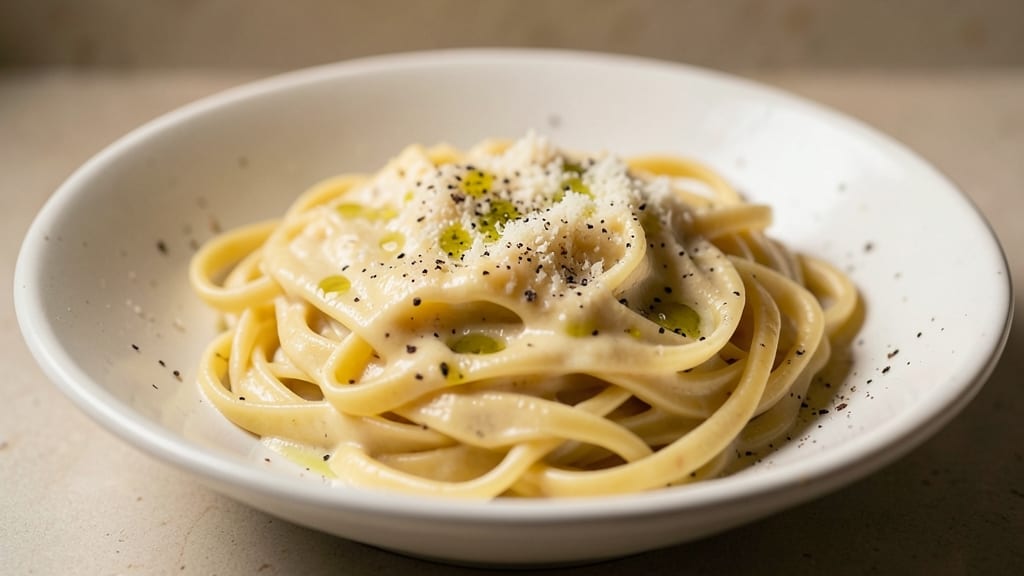
Lidia Bastianich's alfredo sauce recipe delivers that signature ultra-creamy texture without the traditional roux—just rich butter, velvety cream, and sharp Parmesan working their magic. The secret lies in low-and-slow technique, where heat builds gradually to prevent curdling while developing depth of flavor.
This version stays true to Italian roots while cutting prep time in half, perfect for weeknight dinners or restaurant-quality pasta nights.
The foundation begins with high-quality butter and heavy cream, simmered together until just warm—not boiling—to create a silky base. Freshly grated Parmesan (none of that pre-shredded stuff) melts into the mix, adding nutty richness and that signature creamy thickness without lumps.
Lidia’s method skips the roux entirely, relying instead on the natural emulsifying power of the cheese and careful temperature control.
What you’ll end up with is a sauce so luxuriously smooth it coats every strand of fettuccine perfectly, clinging without separating. The aroma alone—warm butter, creamy richness, and a whisper of garlic—transforms simple pasta into an Italian trattoria experience.
This version stays true to Lidia’s philosophy: bold flavors, minimal fuss, and results that impress even the most discerning palates.
Use it immediately over hot pasta or save for later—it reheats beautifully. For extra depth, finish with a touch of black pepper or a splash of white wine. Here’s everything you need to bring Lidia’s signature sauce to your table.
Ingredients for alfredo sauce recipe lidia
Eight essential ingredients transform into Lidia's signature ultra-creamy alfredo sauce.
| Ingredient | Amount | Notes |
|---|---|---|
| Unsalted Butter 🧈 | ¾ cup | European-style preferred for flavor |
| Heavy Cream 🥛 | 1 ½ cups | Full-fat for optimal creaminess |
| Freshly Grated Parmesan Cheese 🧀 | 1 ½ cups | Block form, microplane preferred |
| Garlic Cloves 🧄 | 4 cloves | Fresh, peeled, and lightly crushed |
| Extra-Virgin Olive Oil 🫒 | 2 tbsp | For finishing, fruity variety |
| Freshly Ground Black Pepper 🌶️ | ½ tsp | Coarsely cracked for texture |
| Dry White Wine 🍷 | ¼ cup | Pinot Grigio or Sauvignon Blanc |
| Diamond Crystal Kosher Salt 🧂 | ¼ tsp | For seasoning, fine grain preferred |
The butter and cream form the sauce's luxurious foundation. European-style butter like Plugrá or Kerrygold delivers superior flavor, while full-fat heavy cream ensures that signature velvety texture. For Parmesan, block form is non-negotiable—pre-shredded contains anti-caking agents that prevent proper melting. I recommend Parmigiano-Reggiano for its nutty depth, though any aged Parmesan works. Garlic should be fresh, never jarred, as it loses potency quickly. Whole Foods Market or specialty Italian markets carry the best quality ingredients for this recipe.
No heavy cream? Full-fat coconut milk replicates the richness, though the flavor profile differs slightly. Substituting Parmesan? Pecorino Romano offers a sharper bite, while nutritional yeast provides a cheesy note without dairy. For wine, dry varieties work best—Pinot Grigio or Sauvignon Blanc add brightness without overpowering. The olive oil isn't just for finishing; it adds a fruity counterpoint to the richness. California-grown extra-virgin like Corto or Filippo Berio elevates the dish. For a non-alcoholic version, substitute the wine with an equal amount of chicken or vegetable broth.
This sauce reheats beautifully—simmer gently over low heat, stirring frequently to prevent separation. For best results, store in an airtight container with a thin layer of olive oil on top to preserve freshness. Keeps for 5 days in the refrigerator, though I recommend using it within 3 days for peak flavor. Freezes wonderfully for up to 3 months—thaw in the refrigerator overnight for the best texture. Portion into ice cube trays before freezing for perfect single-use servings.
Why You'll Love This Recipe
- Five-Ingredient Magic: I swear by this combo—just butter, cream, Parmesan, garlic, and olive oil. That’s it. No weird blends or hidden additives; pure, rich flavor with zero fuss. Honestly, the first time I made it, I thought, "This can’t be all there is," but it absolutely is.
- Garlic-Kissed Creaminess: The moment that garlic blooms in the olive oil? Pure umami gold. Then the heavy cream comes in, silky and warm, and the Parmesan—freshly grated—melts into a velvety blanket. It’s the kind of sauce that makes you pause mid-bite and think, "Why did I ever buy store-bought?"
- Weeknight to Dinner Party: Between us, this sauce works for spaghetti on a Tuesday and fettuccine for guests on Saturday. Double it, freeze half, and you’ve got a backup for lazy nights or last-minute impressing. My college roommate still teases me for bringing it to her "fancy" dinner—turns out, fancy just means good sauce.
- Budget-Friendly Luxury: Parmesan might seem pricey, but a little goes a long way, and the rest of the ingredients? Pantry staples. I’ve made this for under $3 a serving, and it tastes like I spent hours slaving away. (Spoiler: I didn’t.) That’s the kind of recipe that makes cooking feel like a win, not a chore.
Step-by-step instructions for Lidia's Alfredo sauce
Master this ultra-creamy sauce without the roux—simple steps for velvety perfection.
Melt Butter and Infuse with Garlic
In a medium saucepan, melt the 0.75 cup unsalted butter over medium-low heat. Once fully melted, add the 4 cloves garlic cloves and cook for 1-2 minutes until they're fragrant but not browned. This gentle cooking prevents bitterness while building flavor. Remove the pan from heat and let the garlic steep in the butter for 30 seconds—this infusion is key to depth.
Here's the thing—if you let the garlic brown, it'll release bitter compounds that ruin the sauce. I always strain out the garlic after infusing, but if you prefer texture, leave it in and remove it later. The butter should be smooth and slightly golden, with a nutty aroma from the garlic.
Deglaze with Wine and Reduce
Return the pan to medium heat and carefully pour in the 0.25 cup dry white wine. Stir constantly as the wine bubbles up, scraping the bottom of the pan to release any browned bits. Let it simmer for 2-3 minutes until reduced by half—this concentrates the flavor and adds brightness to the sauce.
The wine should reduce to about 2 tablespoons of liquid. If it reduces too quickly, lower the heat slightly. This step prevents a flat sauce and adds complexity that separates homemade Alfredo from store-bought versions. You'll smell the alcohol evaporating, leaving behind just the wine's fruity notes.
Build the Cream Base
Pour in the 1.5 cups heavy cream and bring to a gentle simmer over medium heat. Stir occasionally to prevent scorching, but don't let it boil vigorously—this could cause the cream to curdle. Simmer for 5-6 minutes until the mixture thickens slightly and coats the back of a spoon.
Watch for tiny bubbles forming at the edges before the center—this indicates proper thickening. If the sauce starts to separate, whisk vigorously to recombine. The cream should reduce just enough to create a luxurious body without being gluey. This is where patience pays off—rushing leads to grainy texture.
Incorporate Cheese and Season
Remove the pan from heat and gradually whisk in the 1.5 cups freshly grated Parmesan cheese in 3 additions. After each addition, let the cheese melt completely before adding more—this prevents clumping. Return the pan to low heat and stir constantly for 2-3 minutes until fully melted and smooth.
Season with the 0.25 tsp Diamond Crystal kosher salt and 0.5 tsp freshly ground black pepper. Taste and adjust—you want the salt to enhance the cheese without overpowering, and the pepper to add just a hint of heat. The sauce should be rich, velvety, and perfectly balanced. If it's too thick, whisk in 1-2 tablespoons hot water to reach your desired consistency.
Finish with Olive Oil and Serve
Remove the sauce from heat and stir in the 2 tablespoons extra-virgin olive oil. This final touch adds brightness and prevents a greasy mouthfeel. The oil should be fully incorporated, giving the sauce a silky sheen. Taste once more and adjust seasoning if needed—properly made Alfredo should taste luxurious without being overly salty.
Serve immediately over your choice of pasta, tossing gently to coat each strand. The sauce should cling beautifully, creating that signature creamy blanket. For best results, use the sauce within 2 hours—it won't reheat as smoothly after sitting, but you can store leftovers in the refrigerator for up to 3 days. The key is keeping it warm and stirring frequently to maintain that velvety texture.
Pro Tips For Making Alfredo Sauce Recipe Lidia
- Melt Butter Slowly: Start with medium-low heat—high heat burns butter before the cream even joins the party. I learned this the hard way when my sauce curdled into a greasy mess. Let those butter bubbles dance gently, or you’ll be scraping burnt bits off the bottom.
- Grate Parmesan Fresh: Skip the pre-grated stuff—it’s full of anti-caking agents that turn your sauce into a grainy disaster. Use a microplane or fine grater right before adding it, and taste as you go. The real stuff dissolves smoothly, not like sand in a blender.
- Bloom Garlic First: Sauté the minced garlic in olive oil for 30 seconds until fragrant—this builds flavor without burning. Dump it straight into the butter, and it’ll infuse the sauce instead of making it taste like garlic paste. (Yes, even if you’re impatient like me.)
- Temper the Cream: Warm the heavy cream slightly (just until it steams) before adding it to the butter—cold cream shocks the butter and separates the sauce. A 30-second microwave zap or quick stovetop warm-up keeps everything silky. No one likes a broken sauce.
Troubleshooting this dish
Curdled Cream Fix
If your sauce separates into a buttery layer and curdled cream, don’t panic—this happens when heat gets too aggressive. Immediately whisk in 1-2 tablespoons cold heavy cream while stirring vigorously. Then, return the pan to low heat and whisk constantly for 2-3 minutes until the sauce re-emulsifies.
For stubborn separations, add a pinch of cornstarch (½ tsp) mixed with 1 tbsp cold water and whisk until smooth. 💡
Grainy Texture Solutions
Lumpy Alfredo usually means cheese wasn’t melted properly or added too quickly. To fix it, place the saucepan over low heat and whisk in 1-2 tablespoons hot water while stirring continuously.
If lumps persist, strain the sauce through a fine-mesh sieve for an ultra-smooth finish. For prevention, always whisk cheese in gradually over low heat—never all at once. 🧀
Too Thick or Gluey
If your sauce is too thick, thin it with 1-2 tablespoons hot water or pasta water while whisking constantly. For a gluey texture, you likely over-reduced the cream. Next time, remove the pan from heat as soon as the cream begins to thicken (it will continue thickening off the heat).
If it’s already too thick, add more cream or water in small increments until you reach the desired consistency. 🥣
Flat or Bland Flavor
A lackluster sauce often means the wine wasn’t reduced enough or the garlic wasn’t infused properly. Boost flavor by adding 1 tsp lemon juice or a splash of white wine vinegar for brightness.
For depth, stir in ½ tsp anchovy paste (trust me, it disappears) or a pinch of nutmeg. Always taste as you go—seasoning builds flavor! 🌶️
Burnt Garlic Taste
If your sauce tastes bitter, the garlic likely browned. To fix it, whisk in 1 tsp fresh lemon juice or white wine vinegar to cut the bitterness. For prevention, keep heat at medium-low and remove garlic as soon as it’s fragrant (not golden).
If the flavor is still off, strain out the garlic and start fresh with a new batch. 🧄
Sauce Separates When Reheating
Reheating Alfredo too quickly causes separation. Instead, warm it gently over low heat and whisk constantly. If it splits, whisk in 1 tbsp cold heavy cream to re-emulsify.
For storage, cool the sauce completely before refrigerating, and reheat slowly. Adding a ½ tsp cornstarch slurry before storing can also help stabilize it. ⏱️
Nutrition facts
Frequently asked questions
Can I make this Alfredo sauce without wine?
Yes! Replace the 0.25 cup dry white wine with an equal amount of chicken or vegetable broth for a non-alcoholic version. The broth adds depth without alcohol's sharpness. For extra richness, use half wine and half broth—this balances flavor while keeping the sauce smooth.
Why does my sauce get grainy?
Graininess happens when cheese melts too quickly or isn't incorporated properly. Always whisk in the Parmesan gradually over low heat, letting each addition melt completely. For stubborn lumps, strain the sauce through a fine-mesh sieve or whisk in 1 tbsp hot water to dissolve them. Pre-shredded cheese is the usual culprit—always grate your own!
How do I store leftovers?
Let the sauce cool completely, then store in an airtight container with a thin layer of olive oil on top to preserve freshness. Keeps for 3 days in the fridge or 3 months in the freezer. Reheat gently over low heat, stirring constantly to prevent separation. For freezer storage, portion into ice cube trays for single-use servings.
Can I use half-and-half instead of heavy cream?
Not recommended—half-and-half has less fat, so your sauce will be thinner and less creamy. For a lighter version, use full-fat coconut milk (though flavor differs slightly) or blend half-and-half with 2 tbsp cream cheese for extra richness. The key is maintaining that luxurious texture that makes Alfredo special.
What pasta works best with this sauce?
Lidia's recipe pairs perfectly with fettuccine or tagliatelle, but any broad, flat noodles work well. For a rustic touch, try pappardelle or linguine. Avoid thin pasta like spaghetti—it won't hold the creamy coating. Cook pasta 1 minute less than package instructions (it'll finish cooking in the sauce).