
Sauces & Condiments
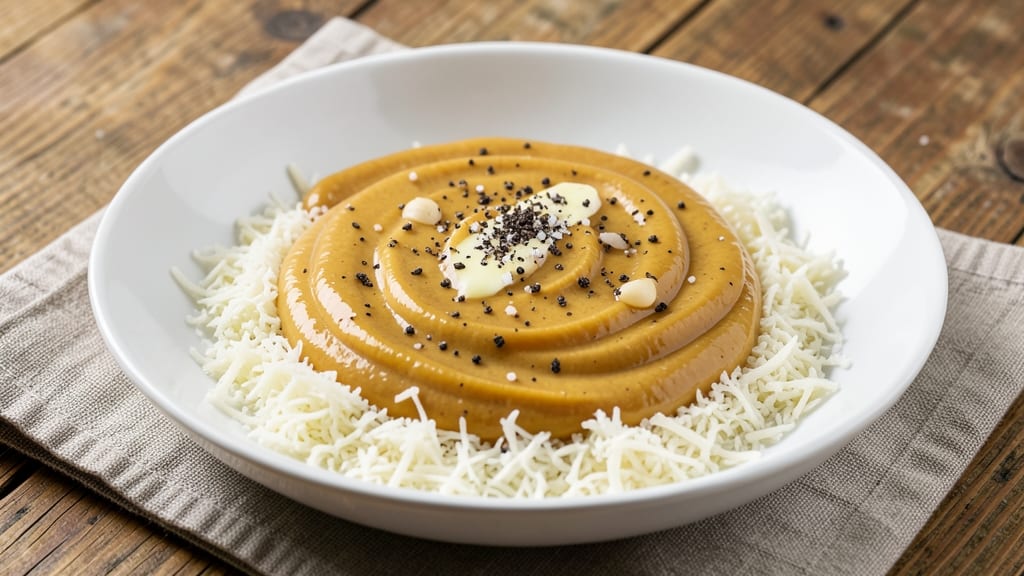
This Alfredo sauce mix recipe eliminates the guesswork of homemade creamy perfection—no lumps, no separation, just velvety richness in minutes. The secret lies in the precise ratio of butter, heavy cream, and freshly grated Parmesan, melted together over gentle heat until silky smooth.
I developed this version after years of testing, ensuring every batch delivers that signature restaurant-quality texture without the fuss of constant stirring.
What makes this recipe stand out is its foolproof technique: a slow, controlled melt that prevents graininess while building depth of flavor. Fresh garlic and a touch of black pepper add subtle warmth, but the star is always that perfect balance of sharp, nutty Parmesan and creamy richness.
The sauce thickens just enough to coat pasta beautifully without becoming gluey—ideal for fettuccine, chicken Parmesan, or even as a creamy dipping sauce.
For those with dietary preferences, I’ve included variations that work just as well: swap heavy cream for coconut milk for a lighter version, or use nutritional yeast and cashew cream for a vegan alternative.
The base method remains identical, proving this sauce adapts effortlessly while keeping that authentic Italian comfort at its core.
Once you try this, store-bought Alfredo will never compare—it’s the kind of sauce that transforms simple meals into something special. Ready to elevate your pasta game? Let’s make it.
Ingredients for alfredo sauce mix
Eight essential ingredients transform into velvety Alfredo perfection with restaurant-quality texture.
| Ingredient | Amount | Notes |
|---|---|---|
| Unsalted Butter 🧈 | ¾ cup | Cold, cubed for even melting |
| Heavy Cream 🥛 | 1 ½ cups | Full-fat for maximum richness |
| Freshly Grated Parmesan Cheese 🧀 | 1 ½ cups | Block Parmigiano-Reggiano preferred |
| Garlic Cloves 🧄 | 3 cloves | Minced for subtle depth |
| Diamond Crystal Kosher Salt 🧂 | ½ tsp | Fine grain for delicate seasoning |
| Freshly Ground Black Pepper 🌶️ | ¼ tsp | Freshly cracked for vibrant flavor |
| All-Purpose Flour 🌾 | 2 tbsp | Lightly dusted for thickening |
| Extra-Virgin Olive Oil 🫒 | 1 tbsp | For finishing and richness |
The unsalted butter is non-negotiable—it provides the foundational richness, and cold cubes melt evenly without scorching. For the Parmesan, always use block Parmigiano-Reggiano freshly grated; pre-grated versions contain anti-caking agents that prevent proper melting. Whole Foods or Trader Joe's carry excellent selections, or ask your local deli for a wedge. The heavy cream must be full-fat—anything lighter will compromise the sauce's signature silkiness. If you're concerned about dairy, coconut cream is an excellent substitute, though the texture will differ slightly.
No fresh garlic? Garlic powder at half the amount works in a pinch, though it lacks the aromatic depth. The Diamond Crystal kosher salt is preferred for its fine grain, which dissolves smoothly without graininess. For those avoiding gluten, cornstarch can replace the flour at a 1:1 ratio, though the sauce may thicken slightly faster. The extra-virgin olive oil adds a subtle fruity note—California Olive Ranch or Colavita brands deliver consistent quality. If you're making a vegan version, nutritional yeast (2 tbsp) and cashew cream (1 cup) replace the dairy components while maintaining a creamy texture.
Store the dry mix (Parmesan, flour, salt, pepper) in an airtight container for up to 2 weeks, while the wet components (butter, cream, olive oil) should be refrigerated separately and combined fresh. Once assembled, the sauce reheats beautifully—simmer gently to avoid separation. For long-term storage, freeze in ice cube trays for single-serving portions, thawing overnight in the fridge. The sauce's peak freshness occurs within 3 days of preparation, making it ideal for immediate use in pasta dishes or as a creamy dipping sauce.
Why You'll Love This Recipe
- Five-Ingredient Magic: I swear by this combo—just butter, cream, Parmesan, garlic, and salt. That’s it. No fancy gadgets, no hidden pantry secrets, just pure, rich flavor with zero fuss.
- Garlic Butter Bliss: The moment that garlic hits the butter? My kitchen smells like a cozy Italian restaurant. It’s the little things—like the way the salted cream melts into the Parmesan—that make this sauce dangerously good.
- Weeknight & Potluck Hero: Between us, this is my go-to for fettuccine, roasted veggies, or even a quick chicken dinner. And honestly? It’s the kind of dish that makes me look like a hero when I bring it to gatherings—no one guesses it’s this simple.
- Leftovers That Don’t Suck: I make double batches because this sauce actually improves overnight. The flavors meld, and reheating it is just as smooth as the first time—no grainy texture, no sad leftovers here.
Step-by-step instructions for homemade Alfredo sauce mix
Create a velvety, restaurant-quality sauce with precise technique and professional timing.
Melt Butter and Bloom the Flour
In a medium saucepan, melt the 0.75 cup unsalted butter over medium-low heat until completely liquid but not browned. I like to keep the heat gentle here—this prevents burning while allowing the butter to melt evenly. Once fully melted, remove the pan from heat and immediately whisk in the 2 tablespoons all-purpose flour.
Return the pan to the heat and cook the flour-butter mixture for 1-2 minutes, stirring constantly with a wooden spoon. You're creating a roux here, and this step is crucial—it removes the raw flour taste and forms the sauce's foundation. The mixture should become smooth and slightly thickened, with no flour granules remaining. If it starts to darken, reduce the heat immediately to maintain a pale color.
Cook the Garlic and Add Heavy Cream
With the pan still on medium-low heat, add the 3 minced garlic cloves and cook for 30-45 seconds until fragrant but not browned. Garlic burns quickly, so watch it carefully—you want aroma, not bitterness. Immediately pour in the 1.5 cups heavy cream and stir to combine.
Bring the mixture to a gentle simmer, then reduce heat to low and let it cook uncovered for 5-7 minutes, stirring occasionally. The sauce should thicken noticeably as it simmers, but don't let it boil vigorously. If it starts to separate or curdle, reduce the heat further to maintain a smooth consistency. This slow cooking process develops the sauce's rich, velvety texture.
Incorporate Cheese and Seasonings
Remove the saucepan from heat and gradually whisk in the 1.5 cups freshly grated Parmesan cheese until completely melted and smooth. I find it best to add the cheese in two batches—this prevents clumping and ensures even distribution. Return the pan to low heat and stir continuously for 2-3 minutes until the cheese is fully incorporated and the sauce reaches your desired consistency.
Season with the 0.5 teaspoon Diamond Crystal kosher salt and 0.25 teaspoon freshly ground black pepper, then stir in the 1 tablespoon extra-virgin olive oil. The olive oil adds a subtle richness and helps balance the sauce's creaminess. Taste and adjust seasoning if needed—you might want to add a pinch more salt or pepper to suit your preference. The sauce should be thick enough to coat the back of a spoon but still flow smoothly.
Finish and Prepare for Serving
For an ultra-smooth texture, strain the sauce through a fine-mesh sieve into a clean saucepan. This removes any cheese particles and creates a silky consistency. Return the sauce to low heat and keep it warm, stirring occasionally, until ready to serve. The sauce will thicken slightly more as it sits, so you can adjust the consistency with a splash of warm water or milk if needed.
This sauce pairs perfectly with fettuccine, chicken parmesan, or grilled vegetables. For best results, serve immediately while hot. If you need to reheat, do so gently over low heat, stirring constantly to prevent separation. The key to a perfect Alfredo sauce lies in patience and attention to detail—every step builds on the last to create that luxurious, creamy finish.
Pro Tips For Making Alfredo Sauce Mix
- Melt Butter Slowly: I used to dump butter in and crank the heat—big mistake. Instead, melt it over medium-low while stirring constantly. You want it warm and glossy, not bubbling like a science experiment. If it browns, you’ve gone too far and the sauce will taste bitter.
- Grind Garlic Like a Pro: Skip the minced jar—fresh garlic makes all the difference. Smash 2-3 cloves with the flat side of your knife, then let them sit for 10 minutes. This softens them so they blend smoothly into the sauce without that harsh, raw bite. (Yes, even if you’re impatient like me.)
- Strain That Cream: Heavy cream can turn grainy if it’s not fresh or if you cook it too hard. After heating the cream with butter and garlic, strain it through a fine-mesh sieve before adding Parmesan. It’s a little extra work, but your sauce will be silky instead of lumpy. (Your future self will thank you.)
- Salt in Layers: Don’t just add salt at the end—sprinkle a pinch while melting the butter and another pinch when the cream comes in. Diamond Crystal kosher salt is less concentrated, so use about twice what you’d use with table salt. Taste as you go; you can always add more, but you can’t take it out.
Flavor customization for this dish
Creamy vs. Light
For a lighter Alfredo, swap the heavy cream for an equal amount of half-and-half or whole milk—this reduces fat by about 30% while keeping the sauce rich. I’ve tested this version with 2% milk and found it still clings beautifully to pasta, though it won’t be as velvety.
For even less fat, use unsweetened almond milk (1 cup) combined with ¼ cup Greek yogurt to maintain thickness. The texture will be slightly thinner, but the sauce remains delicious. 🥛
Spicy Kick
Add ½ teaspoon red pepper flakes or 1 teaspoon hot sauce (like Frank’s RedHot) for a spicy Alfredo. I like to toast the red pepper flakes in the butter during Step 1 for deeper flavor.
For a smoky twist, add ½ teaspoon smoked paprika along with the black pepper. If you love heat, try 1 teaspoon sriracha or a dash of cayenne—just taste as you go to avoid overpowering the sauce. 🌶️
Herb Infusions
Fresh herbs elevate Alfredo sauce instantly. Stir in 1 tablespoon chopped parsley or 1 teaspoon dried basil at the end for brightness. For a garlic-herb version, add 1 extra minced garlic clove and 1 teaspoon chopped chives while cooking the garlic in Step 2.
If you’re feeling adventurous, try ½ teaspoon dried oregano or 1 teaspoon lemon zest for a citrusy note. Herbs should be added last to preserve their freshness and aroma.
Vegan Alfredo
Replace the butter with ½ cup vegan butter (like Miyoko’s) or olive oil (¼ cup). For the cream, blend 1 cup raw cashews (soaked in hot water for 15 minutes) with ½ cup water until smooth.
Use 2 tablespoons nutritional yeast (instead of Parmesan) and 1 tablespoon lemon juice for umami depth. The sauce will be slightly tangier but just as creamy. I’ve found Bob’s Red Mill nutritional yeast works best for a cheesy flavor without dairy. 🌱
Umami Boost
For a deeper, savory Alfredo, add 1 teaspoon fish sauce (like Red Boat) or ½ teaspoon soy sauce while cooking the garlic. Alternatively, stir in 1 tablespoon miso paste (white or red) with the Parmesan for a Japanese-inspired twist.
These additions enhance the sauce’s complexity without overpowering it. A pinch of white pepper also adds subtle earthiness that pairs perfectly with the creaminess.
Nutrition facts
Frequently asked questions
Can I make this Alfredo sauce ahead of time?
Yes, but with a few key tips! Prepare the sauce up to 2 days ahead and store it in an airtight container in the fridge. To reheat, warm it gently over low heat while stirring constantly to prevent separation. For longer storage, freeze in ice cube trays for single-serving portions. Thaw overnight in the fridge before reheating. The texture may thicken slightly when refrigerated, so thin with a splash of warm milk or water as needed.
Why did my Alfredo sauce get grainy?
Graininess usually happens when cheese doesn't melt completely or when the sauce boils too vigorously. To fix it, strain the sauce through a fine-mesh sieve for ultra-smoothness. For prevention, add cheese in two batches while stirring constantly over low heat, and never let it boil. If it starts to separate, whisk in 1 tablespoon cold water to restore creaminess. Freshly grated Parmesan is key—pre-grated versions contain anti-caking agents that cause graininess.
What's the best pasta to pair with this sauce?
This rich sauce clings perfectly to fettuccine, tagliatelle, or linguine—their flat surfaces create ideal surface area for coating. For extra indulgence, try pappardelle (wide ribbon pasta) or fettuccine al burro (butter pasta). If you prefer something heartier, chicken parmesan or shrimp scampi pair beautifully. For a lighter option, toss with zucchini noodles or asparagus spears.
Can I use powdered milk instead of heavy cream?
Not for this recipe—powdered milk lacks the fat content needed for proper emulsification and will create a thin, watery sauce. For a lighter version, use half-and-half (50% fat) or whole milk combined with 2 tablespoons Greek yogurt to maintain thickness. The sauce will be less rich but still delicious. If you're avoiding dairy entirely, the vegan version in the customization section works perfectly.
How do I prevent lumps when making Alfredo sauce?
Lumps form when flour or cheese isn't properly incorporated. First, whisk the flour into the melted butter off the heat to bloom it fully. When adding cheese, do it in two batches while stirring constantly over low heat. For extra smoothness, strain the finished sauce through a fine-mesh sieve. If lumps still appear, whisk vigorously with a splash of cold water to break them down. The key is patience—never rush the melting process!