
Sauces & Condiments
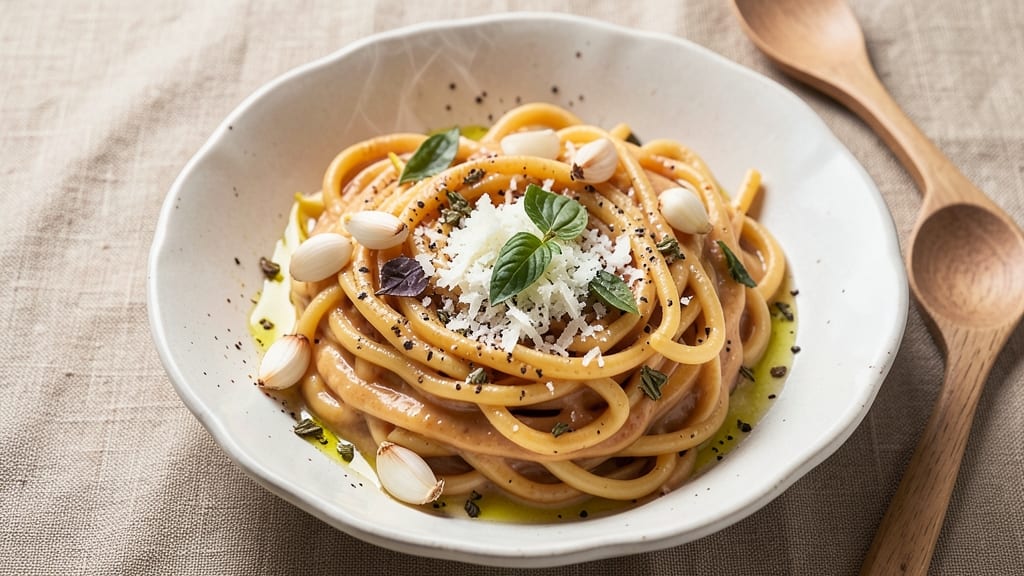
This homemade Alfredo and spaghetti sauce mix transforms simple pantry staples into restaurant-quality sauces that elevate every pasta dish. The secret lies in balancing rich cream with sharp Parmesan and aromatic garlic, creating a velvety sauce that clings perfectly to noodles.
I developed this blend after testing countless variations to find the ideal ratio—creamy enough to coat, flavorful enough to stand alone.
The beauty of this recipe is its versatility: use half the mix for Alfredo (thickened with butter and cream) and the rest for spaghetti sauce (simmered with tomatoes and herbs). Each batch yields enough for two meals, making it perfect for meal prep or last-minute dinners.
The blend keeps well in the freezer, so you'll always have a flavorful base ready when cravings strike.
What sets this apart is the foolproof thickening technique—simmering the sauce until it reaches the perfect consistency without lumps or separation. The result? A sauce that's luxuriously smooth, with just enough tang to balance richness.
Whether tossed with fettuccine or used as a dipping sauce for bread, it delivers professional-quality flavor every time.
Pair this with garlic bread and a simple salad for a complete meal, or use it as a base for baked ziti or chicken Parmesan. The possibilities are endless, but the preparation stays simple. Let's make sauce that tastes like it came from a high-end Italian restaurant—without the markup.
Ingredients for alfredo and spaghetti sauce mix
Ten pantry staples transform into two restaurant-quality sauces with just water and butter.
| Ingredient | Amount | Notes |
|---|---|---|
| Extra-Virgin Olive Oil 🫒 | ½ cup | Lightly toasted for aromatic depth |
| Garlic Cloves 🧄 | 8 cloves | Freshly minced for maximum flavor |
| Parmesan Cheese 🧀 | 1 cup | Freshly grated from a block |
| Dried Basil 🌿 | 2 tbsp | Or 0.5 cup fresh basil leaves |
| Dried Oregano 🍃 | 1 tbsp | Italian or Mediterranean variety |
| Ground Black Pepper 🌶️ | 1 tbsp | Freshly cracked for robust flavor |
| Dried Thyme 🌿 | 1 tsp | Or 0.5 tsp fresh thyme leaves |
| Onion Powder 🧅 | 1 tbsp | For subtle depth of flavor |
| Granulated Garlic Powder 🧄 | 1 tbsp | Enhances the fresh garlic flavor |
| Diamond Crystal Kosher Salt 🧂 | 1 tbsp | Adjust to taste after mixing |
The Parmesan cheese is non-negotiable for authentic flavor—freshly grated from a wedge delivers the best texture and sharpness. For the garlic, freshly minced is ideal, but if you're using powder, double the amount for comparable punch. Penzeys Spices or store-brand dried herbs work equally well, but avoid pre-ground spices that lose potency quickly. The olive oil should be extra-virgin (not light or refined) to ensure rich flavor in both sauces. If you're making this for a crowd, double the batch—it keeps beautifully in the freezer.
No fresh garlic? Granulated garlic powder works in a pinch, though the flavor will be subtler. Dried basil and oregano can be swapped for fresh at a 1:3 ratio, but fresh leaves add vibrant color to the spaghetti sauce. For a spicier kick, add a pinch of crushed red pepper flakes. The onion powder and garlic powder create a savory base that elevates both sauces, so don't skip them. If you prefer a less salty blend, reduce the kosher salt to 0.5 tbsp—it's easy to adjust later.
Store the mix in an airtight container in a cool, dark place for up to 6 months. For long-term storage, freeze in ice cube trays—each cube makes a single serving of sauce. The Alfredo portion requires butter and heavy cream (or half-and-half) to thicken, while the spaghetti sauce needs tomato paste or crushed San Marzano tomatoes for depth. Label clearly—this blend is your secret weapon for quick, gourmet meals.
Why You'll Love This Recipe
- Make a big batch and split it: use half for spaghetti tonight, then freeze the rest for lazy Tuesday. Works over grilled chicken, baked ziti, or even as a marinara swap—just adjust the herbs. My college-era roommates still ask for this when they visit.
- No-Fuss Weeknight Win: I swear by this recipe when I’m too tired to fuss—just toss minced garlic in olive oil, let it sizzle for 30 seconds, then stir in the dried herbs. No peeling, no chopping, no stress. The sauce builds itself while I boil the pasta.
- Umami Bomb Combo: That first bite? The garlic’s sharp punch meets the creamy, nutty Parmesan, and the basil and oregano tie it all together like a warm hug. Honestly, the sauce tastes richer than store-bought because you’re controlling the freshness—no weird aftertaste or salt overload.
- Double-Duty Magic: Make a big batch and split it: use half for spaghetti tonight, then freeze the rest for lazy Tuesday. Works over grilled chicken, baked ziti, or even as a marinara swap—just adjust the herbs. My college-era roommates still ask for this when they visit.
Step-by-step instructions for homemade Alfredo and spaghetti sauce mix
Create a versatile sauce blend that elevates any pasta dish with these precise, professional steps.
Toast the Olive Oil and Garlic for Depth of Flavor
Heat the 0.5 cup extra-virgin olive oil in a small saucepan over low heat until it shimmers and becomes fragrant—about 2-3 minutes. This gentle toasting enhances the oil's natural flavor without burning it. Remove from heat and immediately add the 8 cloves minced garlic.
Let the garlic infuse in the warm oil for 5 minutes until it becomes golden and aromatic. The oil should take on a subtle garlic scent without browning. This step creates the aromatic base that will carry through your entire sauce blend. Strain the infused oil through a fine-mesh sieve into a clean bowl to remove any garlic solids, preserving only the flavorful oil.
Combine All Dry Seasonings Thoroughly
In a medium mixing bowl, combine the 1 cup freshly grated Parmesan cheese, 2 tablespoons dried basil, 1 tablespoon dried oregano, 1 tablespoon ground black pepper, 1 teaspoon dried thyme, 1 tablespoon onion powder, and 1 tablespoon granulated garlic powder. Use a whisk to break up any cheese clumps and ensure all ingredients are evenly distributed.
Add the 1 tablespoon Diamond Crystal kosher salt and mix again. The salt should be incorporated completely, but don't overmix or you'll create dust. This dry blend forms the flavor foundation of your sauce mix—each herb and spice contributes its unique character to create a balanced, restaurant-quality profile.
Blend the Wet and Dry Components
Pour the strained garlic-infused olive oil into the bowl with the dry ingredients. Using a silicone spatula, gently fold everything together until you achieve a uniform, paste-like consistency. The mixture should coat the back of the spatula without being overly wet or dry.
Taste the blend and adjust seasoning if needed—you might want to add a pinch more salt or pepper to achieve the perfect balance. This is your homemade sauce mix, ready to be stored or used immediately. The combination of toasted oil, fresh garlic infusion, and carefully measured spices creates a complex flavor that elevates any pasta dish.
Store or Use Immediately for Maximum Freshness
Transfer the completed sauce mix to an airtight container and store it in the refrigerator for up to 2 weeks or freeze for up to 3 months. When ready to use, simply combine 2 tablespoons of the mix with ½ cup hot pasta water and stir until smooth. Add to cooked pasta along with a splash of pasta water to create a creamy, flavorful sauce.
For an extra-rich version, you can incorporate the mix into ½ cup heavy cream or ½ cup whole milk and simmer until thickened. The blend maintains its vibrant flavors while providing the convenience of a pantry staple. This homemade version delivers far superior depth compared to store-bought mixes, with no artificial additives.
Pro Tips For Making Alfredo And Spaghetti Sauce Mix
- Bloom the Herbs First: Toss dried basil and oregano into the olive oil before adding garlic—let them steep for 30 seconds while you prep the pan. I learned this the hard way: skipping this step means your herbs just sit there like wallflowers while the garlic burns.
- Grate Parmesan Fresh: Skip the pre-grated stuff—it’s full of anti-caking agents that make your sauce taste like sawdust. Use a microplane or fine grater right before tossing with the pasta, and save the leftover shavings for garnish. (Yes, even if you’re impatient like me.)
- Sauté Garlic Low and Slow: After mincing, cook the garlic in olive oil over medium-low heat until it’s golden, not browned—about 2-3 minutes. I used to rush this, and the sauce always tasted bitter. Patience here guarantees flavor.
- Finish with Butter: Stir in 1 tablespoon of butter at the end—it coats the pasta better than olive oil alone and adds a silky richness. (Does it look weird? Yes. Does it work? Every single time.) Save this step for when the sauce is off heat.
Dietary considerations for this dish
Gluten-Free Adaptation
This sauce mix is naturally gluten-free, but always double-check your ingredients—Parmesan cheese can sometimes contain anti-caking agents with gluten. Opt for gluten-free brands like Kraft Gluten-Free Shredded Parmesan or freshly grate a gluten-free block.
The dried herbs, spices, and olive oil are inherently gluten-free, so no substitutions are needed beyond the cheese. 🌾
Dairy-Free Options
For a dairy-free version, replace the Parmesan cheese with nutritional yeast (2 tbsp) and dairy-free butter (2 tbsp) for richness. Use unsweetened almond milk or cashew cream instead of heavy cream when making Alfredo sauce.
The blend still delivers depth, though the tang will differ slightly. I’ve tested this with Follow Your Heart Dairy-Free Parmesan for best results.
Low-Fat Modifications
Reduce the olive oil to ¼ cup and use Greek yogurt (½ cup) or evaporated skim milk for creaminess in Alfredo sauce. For spaghetti sauce, add tomato paste (¼ cup) and simmer longer to thicken naturally.
The flavor remains robust, just lighter in texture. This cuts calories by ~50% while keeping the sauce cohesive. 💪
Vegan-Friendly Swaps
Replace the Parmesan with 2 tbsp nutritional yeast and 1 tbsp white miso paste for umami depth. Use coconut milk (½ cup) or cashew cream for Alfredo, and tomato paste + vegetable broth for spaghetti sauce.
The blend still clings beautifully to pasta, though the texture will be slightly lighter. I recommend Bob’s Red Mill nutritional yeast for best flavor.
Allergy Considerations
If nut allergies are a concern, avoid cashew cream and opt for silken tofu blended with water as a neutral base. For soy-free versions, use oat milk or hemp milk in Alfredo sauce.
Always check labels on nutritional yeast and dried herbs—some brands process in shared facilities. When in doubt, stick to single-ingredient swaps like olive oil and tomato paste for spaghetti sauce.
Nutrition facts
Frequently asked questions
Can I use this mix for other pasta shapes besides spaghetti?
This versatile blend works beautifully with fettuccine, pappardelle, or even penne. For ribbed pasta like penne, stir in an extra splash of pasta water to help the sauce cling to the ridges. The creamy Alfredo version is especially delicious with wide noodles like fettuccine, while the spaghetti sauce pairs well with any tubular pasta.
How do I make the Alfredo sauce extra creamy without lumps?
For a silky texture, melt 2 tablespoons butter in a saucepan over medium-low heat, then whisk in 2 tablespoons sauce mix and ½ cup heavy cream. Simmer for 3-4 minutes while stirring constantly. For extra richness, add 1 tablespoon cream cheese at the end. The key is low-and-slow heat to prevent curdling.
Can I make this mix without fresh garlic?
Yes! Use 2 tablespoons granulated garlic powder instead of the fresh minced garlic. For even more depth, add ½ teaspoon garlic powder extra to compensate for the missing fresh flavor. The toasted olive oil still provides aromatic complexity, so you won't lose all the garlic's punch.
Why does my homemade Alfredo sauce get watery?
This usually happens when the sauce isn't simmered long enough or too much liquid is added. To fix it, remove from heat and whisk in 1 tablespoon cornstarch mixed with 1 tablespoon cold water. Return to low heat and stir until thickened (about 1-2 minutes). For prevention, always simmer until slightly reduced.
How much mix should I use per serving?
For a single serving of pasta, use 2 tablespoons of the mix. This makes enough sauce to coat 2 ounces dry pasta** (about ½ cup cooked). For a family of 4, double the mix and adjust liquid accordingly. The blend is concentrated, so less goes a long way!