
Sauces & Condiments
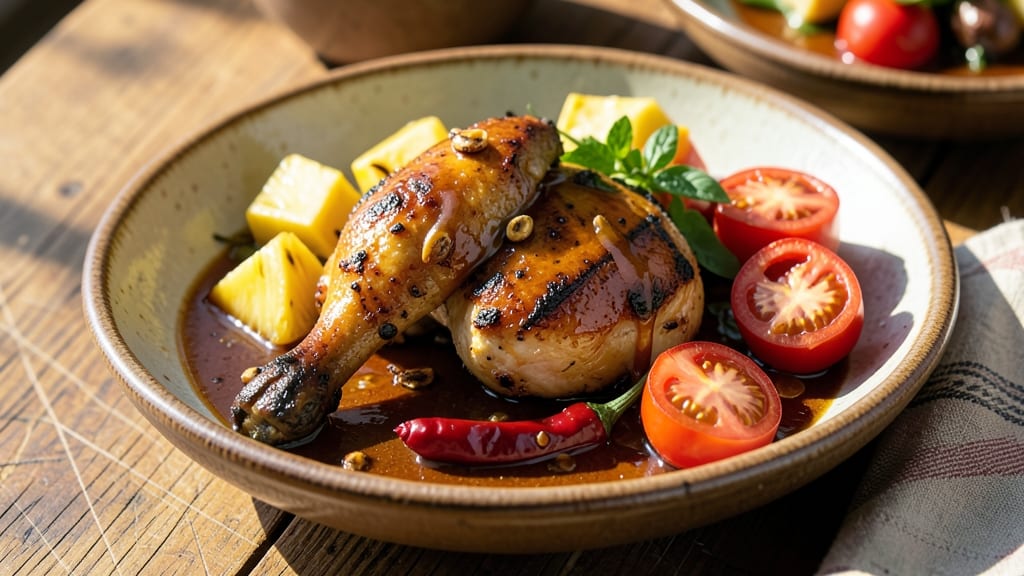
This African BBQ sauce recipe transforms grilled meats into smoky-sweet masterpieces with deep, complex flavors that linger long after the last bite. 🔥 The secret lies in balancing heat from African bird's eye chili with the natural sweetness of tomatoes and pineapple—creating a sauce that's bold yet versatile enough for everything from ribs to grilled chicken.
I developed this recipe after years of experimenting with global BBQ techniques, and it's become my go-to for adding that signature African flair to backyard cookouts.
The foundation starts with a blend of ripe tomatoes and tangy vinegar, simmered with garlic, ginger, and a touch of brown sugar to build that essential sweet-spicy balance. What sets this sauce apart is the addition of African bird's eye chili—packed with heat but balanced by the fruit's natural acidity.
The sauce thickens beautifully as it reduces, developing a glossy sheen that clings perfectly to grilled meats while adding layers of smoky depth. This isn't just another BBQ sauce; it's a flavor experience that turns ordinary grilling into something extraordinary.
By the time you're done, you'll have a versatile sauce that's perfect for basting ribs, marinating chicken, or serving as a dipping sauce for fries. The smoky-sweet heat builds with every use, intensifying as it sits—making it ideal for meal prep.
Store it in the fridge for up to two weeks, or freeze for longer shelf life. This sauce has become a staple in my kitchen, elevating every grill session with its complex, unforgettable flavor profile.
Whether you're hosting a backyard BBQ or just craving something with global flair, this African-inspired sauce delivers restaurant-quality results at home. The best part? It's easy to make with simple ingredients you likely already have on hand. Let's create something that'll make your taste buds sing.
Ingredients for african bbq sauce
Simple ingredients that pack a global punch—perfect for transforming grilled meats into unforgettable masterpieces.
| Ingredient | Amount | Notes |
|---|---|---|
| Ripe Tomatoes 🍅 | 1 ½ lbs | Roma or vine-ripened preferred |
| African Bird's Eye Chili Peppers 🌶️ | 4 whole | Seeds removed for less heat |
| Fresh Pineapple Chunks 🍍 | 1 cup | Fresh or canned in juice |
| Apple Cider Vinegar 🍏 | ½ cup | For tangy depth |
| Brown Sugar 🍚 | ¼ cup | Light or dark variety |
| Garlic Cloves 🧄 | 6 cloves | Peeled and minced |
| Fresh Ginger 🌿 | 2 tbsp | Grated, aromatic variety |
| Smoked Paprika 🌶️ | 1 tbsp | For smoky depth |
| Extra-Virgin Olive Oil 🫒 | ¼ cup | High quality, fruity |
| Salt 🧂 | 1 ½ tsp | Diamond Crystal preferred |
| Black Pepper 🌶️ | ½ tsp | Freshly ground preferred |
The African bird's eye chilis are the heart of this sauce. Find them at Asian or African markets—they're often sold fresh or dried. If you can't locate them, substitute Thai bird's eye peppers, but reduce the amount by half since they're milder. The pineapple adds natural sweetness, so fresh is best, but canned in juice works in a pinch. For the tomatoes, Roma tomatoes break down beautifully, but any ripe variety will work. If you're short on time, canned crushed tomatoes save prep time without sacrificing flavor.
No African bird's eye chilis? Thai bird's eye peppers or cayenne bring the heat, but use half the amount—they're milder. Want to dial back the sweetness? Reduce pineapple to 0.5 cup and add an extra tablespoon of vinegar. The smoked paprika is non-negotiable for that signature smoky flavor, but if you're out, regular paprika plus a pinch of liquid smoke gets you close. For a smoother texture, blend the sauce after cooking—I use an immersion blender for convenience. If you prefer it chunky, just mash it with a fork.
This sauce keeps beautifully—2 weeks in the fridge or 6 months frozen. For freezing, portion into ice cube trays before transferring to a bag. The flavors actually deepen over time, so it's worth making a big batch. Double the recipe and freeze half for next time. When reheating, add a splash of water to prevent burning. Trust me, you'll want to make this again and again—it's the kind of sauce that gets better with every use.
Why You'll Love This Recipe
- Pantry-Friendly Magic: I swear by this recipe because it uses stuff I already have—no special trips to the store. The tomatoes and pineapple soften into a sweet-tart base while the chili peppers add that signature heat without needing fancy spices.
- Sweet Heat Balance: That first bite? It’s the perfect push-and-pull of smoky brown sugar and fiery bird’s eye chili, with the vinegar cutting through like a bright finish. Honestly, it’s the kind of sauce that makes you reach for seconds just to taste it again.
- Grill or Bowl Buddy: Slather it on ribs, drizzle it over grilled chicken, or toss it with roasted veggies—it works everywhere. Even my picky teen ate it straight from the jar with chips. (Yes, even on a Tuesday night.)
- No-Waste Winner: The leftovers? They’re my secret weapon. A few spoonfuls in oatmeal, a splash in marinades, or even mixed into scrambled eggs—this sauce turns scraps into flavor without extra effort. Budget-friendly and always useful.
Step-by-step instructions for African BBQ sauce
This smoky-sweet sauce delivers bold African flavors that'll elevate any grilled dish.
🍳 Step 1: Char the Tomatoes and Chili Peppers
Heat a large skillet over medium-high heat. Add the 1.5 lbs ripe tomatoes and 4 whole African Bird's Eye Chili Peppers (seeds removed) cut in half lengthwise. Let them char for 8-10 minutes, turning occasionally, until blackened in spots and softened. The charring adds deep, smoky flavor that's essential for authentic African BBQ sauce.
Watch closely—the tomatoes should blister and collapse slightly while developing caramelized edges. Remove from heat and transfer to a cutting board. Peel off any burned skin, then roughly chop the tomatoes and peppers. I like to keep some texture here for body in the sauce, but they should still break down easily when cooked further.
👨🍳 Step 2: Build the Flavor Base
In the same skillet (no need to clean it—those browned bits are flavor gold), add the 0.25 cup extra-virgin olive oil over medium heat. Toss in the 6 cloves minced garlic and 2 tbsp grated fresh ginger, cooking for 1-2 minutes until fragrant but not browned. Add the 1 tbsp smoked paprika and stir for 30 seconds to toast the spices.
Here's where it gets good—add the charred tomato and pepper mixture along with the 1 cup fresh pineapple chunks and 0.5 cup apple cider vinegar. Stir well and let it simmer for 5 minutes until the pineapple softens slightly and the mixture thickens. The vinegar will brighten the flavors while cutting through the richness of the tomatoes.
🥘 Step 3: Simmer and Sweeten
Reduce heat to low-medium and stir in the 0.25 cup brown sugar, 1.5 tsp salt, and 0.5 tsp black pepper. Let the sauce simmer uncovered for 15-20 minutes, stirring occasionally, until it thickens to a glossy consistency. You're looking for a sauce that coats the back of a spoon but still flows easily.
Taste and adjust seasoning—you might need a touch more salt or sugar depending on your tomatoes. The sauce should balance sweet, smoky, tangy, and spicy flavors. If it's too thin, simmer uncovered for another 5 minutes to reduce. If it's too thick, add 1-2 tablespoons water and stir until smooth.
⏰ Step 4: Blend for Silky Perfection
Let the sauce cool slightly for 5 minutes (this prevents splattering when blending). Transfer to a blender and purée until completely smooth. I like to use an immersion blender right in the pot for convenience—just blend until no chunks remain. The sauce should be velvety with a glossy sheen.
Strain through a fine-mesh sieve if you prefer extra-smooth texture, pressing with a spoon to extract all the flavor. Return the sauce to the pot and simmer for another 5 minutes to kill any bacteria from the raw ingredients. This final step ensures your sauce is safe to store and use over time.
Pro Tips For Making African Bbq Sauce
- Blister the Chilies First: Toss whole African bird’s eye peppers in a dry skillet over medium-high heat until their skins blacken and blister—this unlocks deeper flavor without losing heat. I learned this the hard way after making sauce that tasted flat; the char adds a smoky backbone that balances the sweetness.
- Core the Pineapple: Remove the tough core from pineapple chunks before adding them to the sauce—it stays stubbornly undercooked and turns the texture mushy. A quick knife cut along the base (then another perpendicular) makes this step faster than struggling with a paring knife.
- Simmer Low and Long: Reduce heat to a bare simmer after the first 15 minutes, then let it cook uncovered for at least 45 minutes. Rushing this step leaves raw acidity from the vinegar and makes the tomatoes taste watery—patience thickens the sauce and melds the flavors.
- Sweeten Last: Hold off on adding all the brown sugar until the final 10 minutes—this prevents it from burning and lets the vinegar’s tang develop first. I used to add it early, and the sauce would turn bitter; now it caramelizes just enough to round out the heat.
Make-ahead tips for african bbq sauce
Prep Ahead
Make this sauce 2 days in advance—the flavors deepen as it sits! I always prep mine on a Sunday so it's ready for Monday night grilling. Store in an airtight glass container in the fridge.
The longer it rests, the more complex the flavors become, especially that smoky-sweet balance from the charred tomatoes and pineapple. 💫
Freezing Strategy
For long-term storage, freeze in ice cube trays—perfect for portion control. Once frozen, transfer cubes to a ziplock bag and flatten to save space. Thaw overnight in the fridge before using.
I like to label bags with dates since this sauce stays amazing for 6 months frozen. When reheating, add 1 tablespoon water to prevent burning.
Batch Prep Tips
Double or triple the recipe if you're hosting a crowd—this sauce freezes beautifully. I often make 4 cups at a time and freeze half. For large batches, use a large stockpot and adjust cooking time to 25-30 minutes to achieve proper thickness.
The extra effort saves time during busy grill sessions when you need quick flavor boosts.
Reheating Perfection
For best results, reheat on the stovetop over low heat with a splash of water or vinegar to restore moisture. Microwave reheating works in a pinch, but I find it loses some of that glossy sheen.
Always stir frequently to prevent scorching. The sauce should reach 165°F internal temperature for safety—use a small thermometer if needed. 🔥
Garnish Prep
Keep fresh pineapple chunks and chopped cilantro on hand for garnishing. I like to toast pineapple slices in a dry skillet for 2 minutes before adding them back to the sauce for extra caramelization.
This adds a beautiful contrast in both texture and color when serving. Store garnishes separately in the fridge for up to 3 days.
Grill-Day Prep
On grilling day, simply reheat your sauce and transfer it to a small saucepan or slow cooker on the grill. The residual heat keeps it warm while you cook. For extra smoky flavor, place the saucepan directly on the grill grates (not over direct heat) for 5-10 minutes).
This imparts subtle grill marks that elevate the sauce's authenticity. 🌶️
Nutrition facts
Frequently asked questions
Can I substitute African bird's eye chili peppers?
If you can't find African bird's eye peppers, use Thai bird's eye peppers (reduce by half) or cayenne pepper (use 1/4 teaspoon for similar heat). For milder heat, try serrano peppers—just adjust to taste. The key is balancing the heat with the sweetness from pineapple and sugar.
How do I adjust the sweetness or spice level?
For less sweetness, reduce pineapple to 0.5 cup and add 1 extra tablespoon vinegar. For more heat, increase chili peppers by 1-2 or add 1/4 teaspoon cayenne. If the sauce is too spicy, balance it with more brown sugar or a splash of pineapple juice. Always taste as you go!
Can I use canned tomatoes instead of fresh?
Yes! Use 2 cups crushed tomatoes (with juices) instead of fresh. Skip the charring step—just add them directly to the skillet with garlic and ginger. Canned tomatoes work well for convenience, though fresh tomatoes develop deeper, smokier flavors. Drain excess liquid if needed to control thickness.
What's the best way to use this sauce?
This sauce excels as a basting sauce for ribs or chicken, a marinade for 4-6 hours, or a dipping sauce for fries. For marinating, mix with 1 tablespoon olive oil. Brush on meats during the last 10-15 minutes of grilling for maximum flavor. It also pairs perfectly with grilled shrimp or tofu.
Why did my sauce turn out too thin?
Thin sauce usually means it didn't reduce enough. Simmer uncovered for 5-10 more minutes on low heat, stirring occasionally. If it's still too thin, mix 1 tablespoon cornstarch with 1 tablespoon water, stir into the sauce, and cook for 2 minutes until thickened. Avoid adding too much liquid at once—build thickness gradually.