
Sauces & Condiments
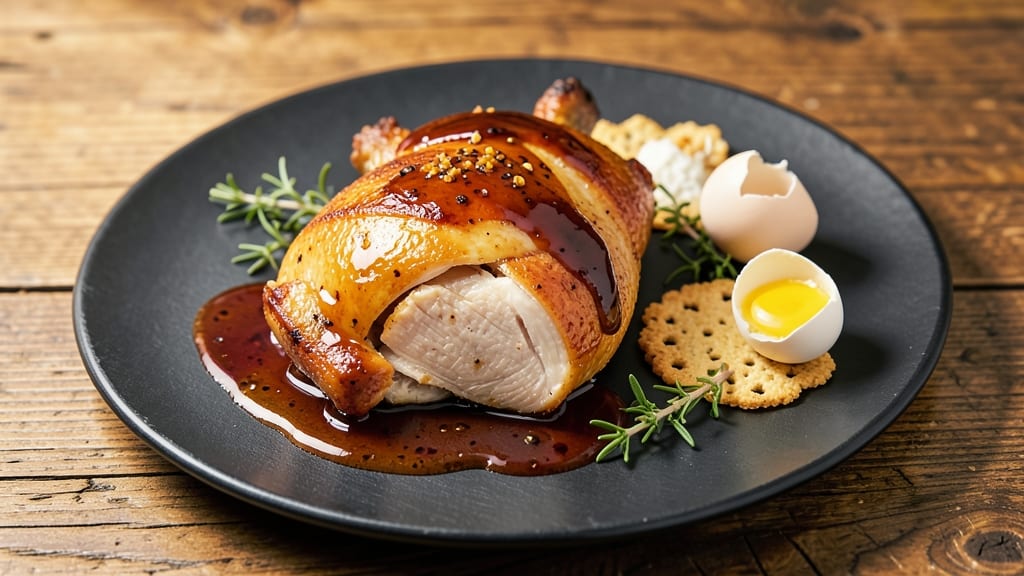
This chicken with sherry wine sauce recipe transforms simple ingredients into a restaurant-worthy dish with just 30 minutes of hands-on time. The secret lies in a rich, velvety reduction that clings to perfectly seared chicken, balancing sweetness and acidity in every bite.
I developed this version after realizing how often homemade sauces could rival—or even surpass—store-bought versions with minimal effort.
The process begins with a quick sear to lock in juices, followed by a sherry wine reduction that deepens in flavor as it simmers. Unlike many recipes that rely on heavy cream, this version uses just enough to create a silky texture without overwhelming the dish.
The sherry wine adds complexity, while a touch of Dijon mustard and fresh herbs brighten the sauce, making it versatile enough for weeknight dinners or special occasions.
What you'll end up with is tender, golden-brown chicken swimming in a glossy sauce that coats every forkful. The sauce's depth comes from patience—letting it reduce slowly to concentrate the flavors—while the chicken stays juicy and perfectly seasoned.
This isn't just a sauce; it's the star of the plate, turning a straightforward protein into something memorable.
The best part? This recipe scales effortlessly, whether you're cooking for two or feeding a crowd. Pair it with buttery mashed potatoes, roasted vegetables, or a simple green salad to round out the meal.
The sauce even reheats beautifully, making it perfect for leftovers. Let's get started on creating a dish that feels like a celebration every time.
Ingredients for chicken with sherry wine sauce
The secret to this velvety sherry wine sauce lies in balancing rich ingredients with precise technique.
| Ingredient | Amount | Notes |
|---|---|---|
| Boneless Chicken Thighs 🍗 | 1 ½ lb | Cut into even 1-inch pieces |
| Dry Sherry Wine 🍷 | ½ cup | Medium or amontillado preferred |
| Chicken Broth 💧 | 1 cup | Low-sodium preferred |
| Heavy Cream 🥛 | ¼ cup | Full-fat for best texture |
| Dijon Mustard 🍯 | 1 tbsp | High-quality for tangy bite |
| All-Purpose Flour 🌾 | 1 tbsp | For sauce thickening |
| Garlic Cloves 🧄 | 3 cloves | Minced for aromatic base |
| Shallots 🧅 | 1 whole | Minced, or sub with onion |
| Fresh Parsley 🌿 | ¼ cup | Chopped, for fresh finish |
| Unsalted Butter 🧈 | 2 tbsp | Cold, for searing |
| Olive Oil 🫒 | 1 tbsp | For initial searing |
| Kosher Salt 🧂 | 1 ½ tsp | Divided for seasoning |
| Black Pepper 🌶️ | ½ tsp | Freshly ground preferred |
| Lemon Juice 🍋 | 1 tbsp | Freshly squeezed |
The chicken thighs are the foundation—bone-in, skin-on if possible for extra flavor, but boneless works too. Look for evenly sized pieces at Costco or your local butcher for consistent cooking. The sherry wine should be medium or amontillado—avoid sweet varieties unless you prefer a dessert-like sauce. For the butter, Plugrá or Land O'Lakes are reliable choices, but any unsalted brand works. Fresh parsley is ideal, but dried oregano at one-third the amount will work in a pinch. The key is mincing the shallots and garlic finely—this ensures they blend seamlessly into the sauce rather than creating texture.
No sherry wine? A mix of dry white wine and a splash of apple cider vinegar mimics the balance. Heavy cream can be swapped for half-and-half or even coconut cream for a lighter option, though the texture will differ. The Dijon mustard adds depth—Maille is a go-to brand, but any high-quality version works. If you're short on time, pre-minced garlic from the jar is fine, but fresh is always better. The flour should be lightly toasted in the butter to avoid a raw taste in the sauce. For extra richness, a splash of brandy (1 tbsp) can be added with the sherry wine, but it's optional.
This sauce reheats beautifully—simmer gently to avoid breaking the emulsion. Store leftovers in an airtight container for up to 4 days in the fridge or 3 months in the freezer. For best results, reheat slowly on low heat, stirring occasionally. The chicken can be prepped ahead and refrigerated for up to 24 hours before cooking. If making for a crowd, double the sauce ingredients—it scales perfectly. The sauce thickens as it cools, so add a splash of broth if it seems too stiff when reheating. Pair with buttery egg noodles or steamed jasmine rice for a complete meal.
Why You'll Love This Recipe
- One-Pot Magic: That’s right—just one skillet, no fuss. Sear the chicken thighs until golden, deglaze with sherry wine (the alcohol burns off, leaving pure flavor), then simmer everything in one pot. The broth and cream meld into a velvety sauce while you’re chopping veggies or setting the table. Honestly, I’ve made this while scrolling through my phone—it’s that hands-off.
- Sherry Kiss: The sherry wine isn’t just an ingredient—it’s the star. That bright, slightly sweet acidity cuts through the richness of the cream, while the Dijon mustard adds a tangy depth. The first time I tasted this, I thought, “Wait, this is why people drink wine with dinner?” Now it’s my go-to for when I want something sophisticated but still feels like comfort food.
- Leftover Luxury: This sauce thickens beautifully when reheated, so leftovers taste just as good the next day. I’ll make a double batch on Sundays, then use it for sandwiches, pasta, or even dumplings. Between us, the second night is often better—like a richer, more mellow version of the first. (Yes, even on a Tuesday night.)
- Budget-Friendly Fancy: Chicken thighs are forgiving and affordable, and sherry wine stretches further than you’d think. The heavy cream makes it feel indulgent, but the broth keeps it practical. I’ll be real: this is the dish I serve when my in-laws visit, and they never guess it’s not from a restaurant. Solid win for looking impressive without breaking the bank.
Step-by-step instructions for chicken with sherry wine sauce
Master this technique and you'll transform simple chicken thighs into a restaurant-worthy dish with velvety sherry reduction.
🍳 Step 1: Sear the Chicken Until Golden
Heat a large skillet over medium-high heat and add the 1 tablespoon olive oil and 2 tablespoons unsalted butter. Once the butter foams, add the 1.5 pounds boneless chicken thighs cut into even 1-inch pieces, seasoned with ½ teaspoon black pepper and ¾ teaspoon kosher salt (reserve the remaining ¾ teaspoon salt for later).
Sear the chicken undisturbed for 4-5 minutes until golden brown on one side. The butter will bubble vigorously—this is normal. Flip the pieces and cook another 4-5 minutes until the second side is also golden. Remove the chicken from the pan and set aside on a plate, leaving the rendered juices in the skillet. This step creates the flavor foundation for your sauce.
🍳 Step 2: Develop the Sherry-Wine Base
Reduce the heat to medium and add the 1 whole minced shallots and 3 cloves minced garlic to the same skillet. Cook for 1-2 minutes until the shallots soften and become translucent, but don't let them brown. This ensures they melt smoothly into the sauce rather than adding bitterness.
Pour in the ½ cup dry sherry wine and scrape up all the browned bits from the bottom of the pan using a wooden spoon. This technique, called deglazing, captures all the flavorful fond that would otherwise be lost. Let the wine simmer for 3-4 minutes until reduced by about half and slightly syrupy in consistency.
🥘 Step 3: Build the Velvety Reduction
Add the 1 cup chicken broth and bring to a gentle simmer. Stir in the 1 tablespoon all-purpose flour and 1 tablespoon Dijon mustard, whisking constantly to prevent lumps from forming. The mixture will thicken as it simmers, creating the base for your sauce. Cook for 5-6 minutes until the sauce coats the back of a spoon and has reduced slightly.
Remove the pan from heat and stir in the ¼ cup heavy cream and 1 tablespoon lemon juice. The acidity from the lemon brightens the rich flavors, while the cream adds luxurious texture. Taste and adjust seasoning with the remaining ¾ teaspoon kosher salt if needed. The sauce should be balanced—slightly tangy from the mustard and wine, with a velvety mouthfeel.
🍽️ Step 4: Finish and Serve
Return the chicken to the skillet and spoon the sauce over the top, coating the pieces evenly. Let it simmer together for 2-3 minutes to heat the chicken through and allow the sauce to cling to the meat. The chicken should reach an internal temperature of 165°F—use an instant-read thermometer to check the thickest piece.
Garnish with ¼ cup chopped fresh parsley and serve immediately over mashed potatoes, pasta, or crusty bread. The sauce should gracefully coat each bite, offering layers of sherry richness, mustard tang, and creamy texture. For best results, serve while the chicken is hot and the sauce is still velvety—it won't keep its perfect consistency once cooled.
Pro Tips For Making Chicken With Sherry Wine Sauce
- DEGLAZE HOT: The sherry wine sauce won’t develop properly if you let the pan cool after searing the chicken. Keep the heat medium-high while scraping up those browned bits—it’s the only way to get that rich, caramelized flavor that makes the sauce sing. (Yes, it’ll smell like heaven. Don’t walk away.)
- USE FULL-BODIED SHERRY: That cheap cooking sherry? It’ll make your sauce taste like it came from a grocery store demo kitchen. Splurge on a dry amontillado or fino (even a small bottle) for depth—it adds nutty, almost honeyed notes that cut through the cream. I learned this the hard way after serving a sauce that tasted like vinegar with a fancy name.
- TEMPER THE CREAM: Adding cold heavy cream straight to a hot pan will curdle the sauce faster than you can say “disaster.” Mix a ladle of the warm chicken broth with the cream first, then whisk it in slowly. This keeps the sauce silky instead of lumpy—trust me, your guests won’t notice the shortcut, but they’ll taste the difference.
- SALT THE BROTH: The chicken broth is where flavor hides, and unsalted broth is a missed opportunity. Even if it’s labeled “low-sodium,” add a pinch of salt (about ½ teaspoon per cup) while heating it. It rounds out the acidity in the sherry and mustard, so the sauce doesn’t taste flat. (I skip this, and the dish feels off. Do it.)
Wine and beer pairings for these flavors
Sherry Wine Pairings
The medium or amontillado sherry used in this recipe pairs beautifully with its Spanish origins. Look for brands like Tío Pepe or Gustavo for authentic flavor. The wine's nutty, slightly dry profile complements the dish's richness without overpowering it.
For a modern twist, try a dry Spanish white wine like Albariño instead of sherry—it offers similar acidity and complexity. 🍷
Red Wine Complements
A light-bodied red wine like Pinot Noir or Spanish Garnacha enhances the dish's savory depth. The earthy notes in Pinot Noir mirror the sherry's nuttiness, while Garnacha's fruitiness balances the sauce's tang.
Avoid heavy reds like Cabernet Sauvignon—they'll clash with the delicate sauce. For a budget-friendly option, Trader Joe's Charles Shaw Pinot Noir delivers great value.
Beer Pairings
For beer lovers, a crisp Spanish lager like Estrella Galicia or Mahou Clásica cleanses the palate between bites. The light carbonation contrasts nicely with the sauce's richness.
Alternatively, a Belgian witbier adds citrusy brightness—try Hoegaarden or Stella Artois Wit. Avoid heavy stouts or IPAs, which would overpower the dish's delicate flavors.
Non-Alcoholic Options
For those avoiding alcohol, a sparkling apple cider like Martinelli's mimics sherry's acidity. For a more sophisticated choice, try a non-alcoholic Spanish wine like Freixenet 0.0%. A ginger beer like Feather's adds a spicy kick that pairs surprisingly well with the mustard and lemon in the sauce. 💛
Dessert Wine Balance
If serving with a dessert, finish with a sweet Moscatel or Pedro Ximénez sherry to complement the dish's richness. The caramel notes in PX sherry echo the sauce's depth, creating a harmonious meal-to-dessert transition. For a lighter option, a Muscat Canelli offers floral sweetness without overwhelming the palate.
Nutrition facts
Frequently asked questions
Can I use white wine instead of sherry wine?
You can substitute, but the flavor will differ. Use a dry white wine like Sauvignon Blanc or Albariño—add 1 teaspoon sugar per cup to mimic sherry's slight sweetness. The wine's acidity will still work, but you'll lose the nutty depth sherry provides. For best results, stick with sherry if possible.
How do I prevent the sauce from breaking or separating?
Keep the heat medium-low when adding cream and whisk constantly to emulsify. If it separates, whisk in 1 teaspoon cold water or a splash of the cooking liquid to rebind. Never boil the sauce after adding cream—this causes curdling. For extra insurance, temper the cream by mixing a spoonful into the hot sauce first.
What's the best way to cook chicken thighs for this recipe?
Use bone-in, skin-on thighs for maximum flavor, but boneless works too. Sear over medium-high heat until golden (4-5 minutes per side) to develop crispy skin. For even cooking, cut pieces to uniform 1-inch size. Avoid overcrowding the pan—cook in batches if needed.
Can I make this sauce ahead of time?
Yes! Prepare the sauce up to 2 days ahead and store in an airtight container in the fridge. Reheat gently on low heat, stirring frequently, and add a splash of broth if it thickens too much. The chicken is best cooked fresh, but you can par-cook it and reheat separately before adding to the sauce.
What if I don't have sherry wine?
Mix ½ cup dry white wine with 1 tablespoon apple cider vinegar and ½ teaspoon brown sugar for a similar profile. For a non-alcoholic version, use ½ cup apple juice reduced by half plus 1 teaspoon sherry extract (available at baking stores). The flavor won't be identical, but it'll still be delicious!