
Sauces & Condiments
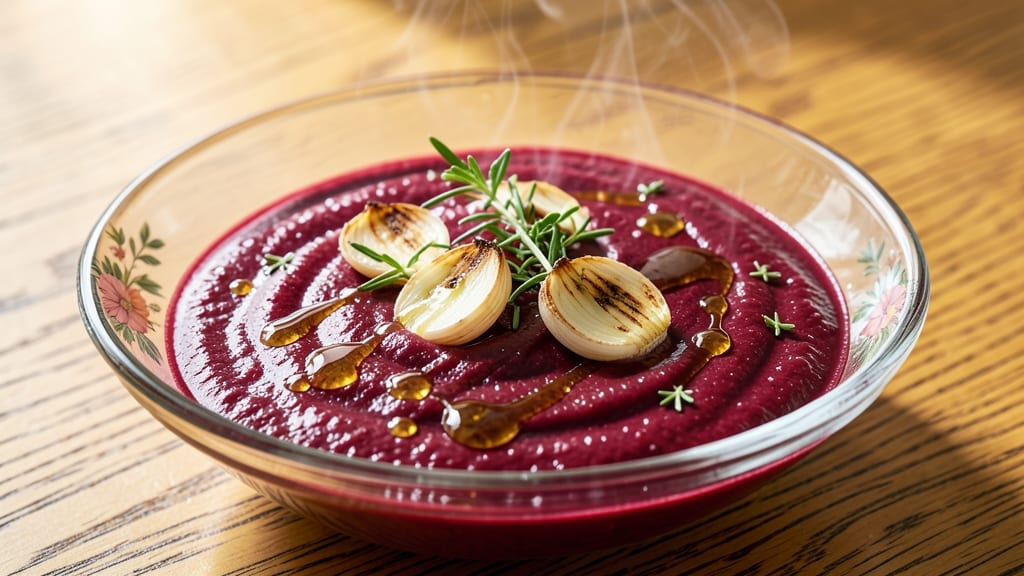
This beetroot sauce recipe transforms humble beets into a velvety, earthy condiment that elevates roasted meats and mashed potatoes with just a spoonful. 💛 The secret lies in balancing sweetness and acidity—roasted beets caramelize for depth, while apple cider vinegar brightens without overpowering.
Unlike store-bought versions, this sauce stays naturally vibrant and pairs perfectly with plant-based dishes or hearty winter meals.
The process is straightforward: boil or roast beets until tender, then blend with olive oil, vinegar, garlic, and a touch of maple syrup for subtle sweetness. For texture, leave it slightly chunky or blend it smooth—both work beautifully.
The sauce keeps for up to 5 days in the fridge, making it ideal for meal prep or gifting.
What makes this sauce special is its versatility. Drizzle it over lentil shepherd’s pie for color and depth, swirl it into mashed potatoes for a vibrant twist, or serve it alongside roasted vegetables. The earthy-sweet flavor profile cuts through richness, adding a sophisticated touch to any dish without overpowering.
Ready in just 20 minutes, this recipe delivers restaurant-quality results with minimal effort. The key is patience—letting the beets roast until naturally sweet ensures a sauce that’s complex yet approachable. Perfect for vegans, vegetarians, or anyone craving a bold, plant-based flavor boost.
Ingredients for beetroot sauce
Nine simple ingredients transform roasted beets into a velvety sauce perfect for elevating plant-based dishes.
| Ingredient | Amount | Notes |
|---|---|---|
| Medium Beets 🧅 | 2 whole | Roasted until tender, peeled |
| Extra-Virgin Olive Oil 🫒 | ½ cup | High-quality, fruity variety |
| Apple Cider Vinegar 🍎 | 2 tbsp | Raw, unfiltered preferred |
| Pure Maple Syrup 🍁 | 1 tbsp | Grade B for richer flavor |
| Garlic Cloves 🧄 | 2 cloves | Fresh, roasted with beets |
| Fresh Thyme Leaves 🌿 | ½ tsp | Or 1/4 tsp dried thyme |
| Sea Salt 🧂 | ½ tsp | Diamond Crystal preferred |
| Fresh Lemon Juice 🍋 | 1 tbsp | Brightens and balances |
| Water 💧 | ¼ cup | For blending consistency |
| Ground Black Pepper 🌶️ | ¼ tsp | Freshly cracked preferred |
The beets are the foundation—organic, medium-sized work best for even roasting. Whole Foods or local farmers markets often carry pre-washed varieties, saving time. Roast them until fork-tender (about 45 minutes at 400°F) for natural sweetness. The skin should peel away easily post-roasting. For extra depth, toss the beets with a drizzle of olive oil and a pinch of salt before roasting. Trader Joe's carries excellent pre-peeled beets if you prefer convenience, though fresh roasted yields superior flavor.
No apple cider vinegar? White wine vinegar or balsamic vinegar work in a pinch, though flavor will differ slightly. Substituting maple syrup? Agave nectar or date syrup maintain the vegan profile, but maple's caramel notes are ideal. Fresh thyme unavailable? Dried thyme at one-third the amount suffices, though fresh imparts brighter aroma. For texture variations, blend half the batch smooth and leave the other half slightly chunky—both styles shine in different applications. The lemon juice can be omitted if you prefer a sweeter profile, but it balances the earthiness beautifully.
Store in an airtight container with a thin layer of olive oil on top to preserve color and freshness. Keeps 5 days refrigerated or 3 months frozen in ice cube trays for portion control. The sauce thickens upon chilling—stir in a splash of water if needed. For meal prep, double the batch and freeze half immediately. Reheat gently in a saucepan over low heat, stirring occasionally to maintain smooth consistency. This sauce pairs exceptionally well with roasted vegetables, lentil dishes, or as a vibrant drizzle over avocado toast.
Why You'll Love This Recipe
- No Roasting Required: I’ll admit, I used to dread roasting beets—peeling those stubborn skins, waiting forever. This sauce skips all that: just boil or steam them until tender, then blend with olive oil and vinegar. Done. The earthy sweetness comes through without the mess.
- Sweet-Savory Magic: Here’s what sold me—the balance. The maple syrup tames the beets’ bitterness while the apple cider vinegar cuts through the richness of the olive oil. Add a raw garlic clove while blending? That’s the secret: bright, tangy, and just sharp enough to make your taste buds sit up.
- Pantry-to-Table Flex: This sauce is my go-to for lazy nights—drizzle it over grilled chicken, toss with greens, or slather it on toast with crumbled feta. Honestly, I’ve even used it as a marinade for pork tenderloin (yes, even on a Tuesday night). The ingredients you already own mean no extra shopping trips.
- Lasts All Week: Between us, this sauce is ridiculously forgiving. I’ve had it sit in the fridge for five days, and it only gets better—flavors meld, edges soften. Plus, it’s cheap to make: a few beets and a splash of vinegar stretch across meals. No sad, wilted leftovers here.
Step-by-step instructions for beetroot sauce
Transform humble roasted beets into a velvety sauce with depth and balance—perfect for elevating roasted meats or enriching mashed potatoes.
🔥 Step 1: Roast the Beets Until Tender
Preheat your oven to 400°F. Pierce the 2 whole medium beets with a fork and place them directly on the oven rack. Roast for 45-50 minutes until a knife slides in easily with minimal resistance. The beets should be soft but still hold their shape—overcooking turns them mushy.
Here's the thing—roasting beets on the rack concentrates their natural sweetness by caramelizing their skins. If you prefer peeled beets, wrap them in foil first, but you'll lose that beautiful caramelized exterior. Let the beets cool for 5 minutes before peeling, then slip off the skins using a paring knife. You should end up with about 1½ cups of cooked beet flesh.
🍳 Step 2: Roast the Garlic and Build the Base
While the beets roast, preheat your oven to 375°F again. Peel the 2 cloves garlic and place them on a small piece of foil. Drizzle with 1 teaspoon of the extra-virgin olive oil and fold the foil to create a sealed packet. Roast for 10-12 minutes until the garlic is soft and golden—you'll know it's perfect when it smells intensely sweet and nutty.
In a high-powered blender or food processor, combine the roasted beets, roasted garlic, 2 tablespoons apple cider vinegar, and 1 teaspoon water. Pulse until smooth—this creates the foundational acidity that prevents the sauce from tasting overly sweet. The vinegar also brightens the earthy beet flavor, creating that perfect balance we're after.
🥘 Step 3: Blend and Emulsify the Sauce
With the blender running on low speed, slowly drizzle in the remaining 0.33 cup extra-virgin olive oil (about ⅔ cup total) through the feed tube. This gradual addition creates a silky emulsion rather than a separated sauce. You'll hear the motor strain slightly as it works to incorporate the oil—this is normal and exactly what we want.
Once fully combined, add 1 tablespoon pure maple syrup, 0.5 teaspoon fresh thyme leaves, 0.5 teaspoon sea salt, and 0.25 teaspoon ground black pepper. Blend again until perfectly smooth. Taste and adjust seasoning—you might need a touch more salt or vinegar to balance the sweetness. The sauce should be vibrant with a deep ruby color and a velvety texture that coats the back of a spoon.
🍋 Step 4: Finish with Lemon and Adjust Consistency
Transfer the sauce to a saucepan and place over medium-low heat. Stir in 1 tablespoon fresh lemon juice and simmer gently for 3-4 minutes until the sauce reaches 160°F. This final step mellows the acidity from the vinegar while adding brightness that cuts through the richness.
If the sauce is too thick, thin it with 1 tablespoon water at a time until it reaches a pourable consistency—it should coat a spoon but still flow easily. For a more intense flavor, strain the sauce through a fine-mesh sieve to remove any remaining thyme stems or beet fibers. The finished sauce should have a luxurious mouthfeel with layers of sweet, earthy, and tangy flavors that make it irresistible.
Pro Tips For Making Beetroot Sauce
- ROAST BEETS UNTIL SOFT: Cook them at 400°F (200°C) for 45-50 minutes—no peeling first. The skins slip off easily after roasting, and the high heat breaks down their natural sweetness, making the sauce richer without extra syrup.
- PEEL WHEN COLD: Wait 10 minutes after roasting before peeling. Hot beets release more juice, turning your sauce watery. A quick ice bath speeds this up if you’re impatient, but even 5 minutes at room temp makes a difference.
- SAUTE GARLIC LOW: Add minced garlic to the olive oil over medium-low heat, or it burns before the beets even hit the pan. Burnt garlic tastes bitter and overpowers the sauce—trust me, you’ll taste it.
- BALANCE ACID AND SWEET: Start with half the vinegar and maple syrup, then adjust to taste. Beets vary in natural sweetness, and vinegar cuts through fat. Taste as you go—this sauce should sing, not shout.
Creative variations of this beetroot sauce
Spicy Roasted Beet
For a bold twist, roast the beets with 1 teaspoon smoked paprika and ½ teaspoon cayenne pepper before blending. This adds a smoky depth and subtle heat that pairs beautifully with grilled tofu or roasted squash. I like to use Penzeys brand smoked paprika for its rich, consistent flavor. 🌶️
Creamy Tahini Swirl
Blend in 2 tablespoons tahini during the emulsification step for a nutty, creamy texture. This variation works exceptionally well with Mediterranean dishes or as a dip for falafel.
Use Wholesome! brand tahini for the best flavor—it’s smooth and rich without overpowering the beets. The sauce will have a thicker, almost hummus-like consistency.
Balsamic Reduction
Replace the apple cider vinegar with 2 tablespoons balsamic vinegar and reduce it by half in a saucepan before blending. This creates a deeper, more complex sauce with caramelized notes.
I recommend using San Marzano balsamic vinegar for its balance of sweetness and acidity. The sauce pairs perfectly with roasted mushrooms or lentil salads.
Herb-Infused Variations
Swap the thyme for fresh rosemary or dill to match different dishes. For rosemary, use 1 teaspoon finely chopped leaves1 tablespoon chopped and add it after blending for a fresh, bright finish. Both variations work wonderfully with plant-based burgers or grain bowls.
Sweet & Tangy Glaze
Increase the maple syrup to 2 tablespoons and add 1 teaspoon Dijon mustard for a glossy, tangy glaze. This version is ideal for drizzling over roasted vegetables or as a marinade for tempeh.
The mustard adds a subtle kick that balances the sweetness. I love using Maille brand Dijon for its smooth, well-rounded flavor.
Chocolate-Dipped Beet
For a decadent dessert sauce, blend in 1 tablespoon cocoa powder and 1 teaspoon vanilla extract after the initial blending. This creates a rich, earthy-sweet sauce perfect for drizzling over dark chocolate desserts or fruit platters.
The cocoa deepens the beet’s natural color, making it visually stunning. Use Valrhona cocoa powder for the best results—it’s velvety and rich.
Nutrition facts
Frequently asked questions
Can I use canned beets instead of fresh?
Yes, but fresh roasted beets yield the best flavor! For canned beets, use 1 (15 oz) can drained and rinsed well, then blend with 1 tablespoon extra olive oil to compensate for lost moisture. The texture will be slightly softer, but it works in a pinch. Drain thoroughly to avoid a watery sauce.
How do I make this sauce spicier?
Add ½ teaspoon cayenne pepper or 1 teaspoon hot sauce during blending, or roast the beets with 1 teaspoon smoked paprika for smoky heat. For a balanced kick, start with less—you can always add more later. Fresh chili flakes work beautifully too, especially for Mediterranean-inspired dishes.
What's the best way to store leftover sauce?
Transfer to an airtight container and refrigerate for up to 5 days. For longer storage, freeze in ice cube trays for 3 months—thaw overnight in the fridge before using. To preserve color, add a thin layer of olive oil on top before sealing. The sauce thickens when chilled, so stir in water as needed when reheating.
Can I make this sauce without a blender?
Use a food mill or potato ricer for a chunkier texture, or mash the beets with a fork and whisk in the oil/vinegar mixture by hand. The sauce will be less smooth but still delicious. For best results, strain through a fine-mesh sieve to remove any lumps.
What are the best dishes to pair with this sauce?
This versatile sauce shines on mashed potatoes, roasted vegetables, lentil shepherd's pie, and as a dip for crudités. It also elevates plant-based burgers, grain bowls, and even as a glaze for tofu. The earthy-sweet flavor bridges rich and light dishes beautifully—try it with creamy polenta or grilled halloumi for contrast.