
Sauces & Condiments
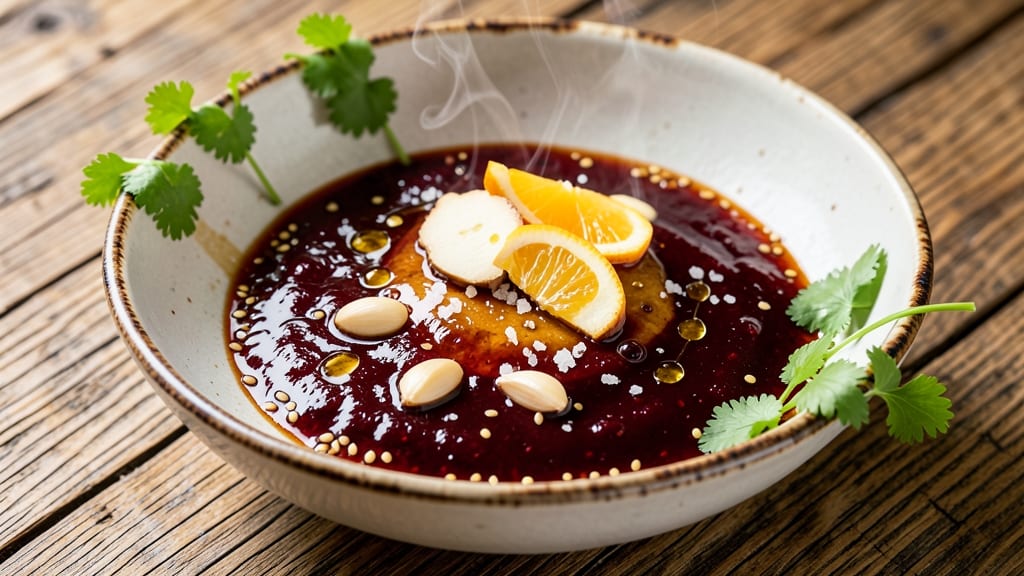
This balsamic teriyaki sauce recipe transforms ordinary proteins into restaurant-worthy masterpieces with its perfect balance of sweet, tangy, and umami flavors.
The key lies in simmering balsamic vinegar with soy sauce, honey, and garlic until it thickens into a glossy, caramelized glaze—rich enough to stand alone but versatile enough to elevate any dish.
What makes this sauce special is how it marries the deep complexity of teriyaki with the bright acidity of balsamic, creating layers of flavor that cut through richness while adding depth.
The process is straightforward but requires patience: combining simple pantry staples and letting them meld over low heat until the sauce reaches that ideal consistency—thick enough to cling but still pourable. No fancy techniques here, just precise timing and a few essential ingredients working together.
This isn't just another store-bought sauce substitute; it's a customizable glaze that transforms grilled chicken into something extraordinary or turns simple stir-fries into showstopping meals.
Once complete, you'll have a sauce that's equally at home as a marinade for steak, a glaze for roasted vegetables, or a dipping sauce for spring rolls.
The beauty of this recipe lies in its adaptability—sweeten it more for caramelized richness or add a splash of rice vinegar for extra tang. It keeps well in the refrigerator for up to two weeks, making it perfect for meal prep and repeat use.
What sets this balsamic teriyaki sauce apart is how it elevates everyday ingredients without overpowering them. The result is a sauce that's bold yet balanced, with just the right amount of sweetness to satisfy cravings while the balsamic's acidity keeps it from being cloying.
Whether you're grilling, roasting, or stir-frying, this sauce will become your new go-to for adding depth and complexity to any dish.
Ingredients for balsamic teriyaki sauce
Nine essential ingredients create a restaurant-quality glaze that transforms proteins into umami-rich masterpieces.
| Ingredient | Amount | Notes |
|---|---|---|
| Balsamic Vinegar 🍷 | ½ cup | Aged at least 12 years for depth |
| Soy Sauce 🍶 | ½ cup | Low-sodium preferred for balance |
| Honey 🍯 | ½ cup | Wildflower for floral complexity |
| Garlic Cloves 🧄 | 6 cloves | Minced for even distribution |
| Fresh Ginger 🌿 | 1 tbsp | Finely grated, skin-on |
| Sesame Oil 🫒 | 1 tbsp | Toasted for nutty aroma |
| Rice Vinegar 🍶 | 2 tbsp | Seasoned for subtle sweetness |
| Cornstarch 🌾 | 1 tsp | For thickening consistency |
| Water 💧 | 2 tbsp | Room temperature for smooth blend |
| Diamond Crystal Kosher Salt 🧂 | ½ tsp | Adjusts to taste after simmering |
The balsamic vinegar is non-negotiable—aged 12 years or more delivers that deep, caramelized complexity that sets this sauce apart. Trader Joe's and Whole Foods carry excellent options, but any high-quality balsamic will work. For the honey, wildflower varieties add subtle floral notes that complement the umami perfectly. The garlic and ginger should be fresh, vibrant, and free of mold—no pre-minced jars here. Sesame oil is best purchased in small bottles to preserve its delicate aroma, and Kadoya or Makura are reliable brands for authentic flavor. Store all these ingredients in cool, dark places to maintain their potency until ready for use.
No aged balsamic? Substitute with 3 tbsp of regular balsamic vinegar plus 2 tbsp of maple syrup for a close approximation, though the depth won't be identical. Running short on honey? Agave nectar works in a 1:1 ratio, though it lacks the floral complexity. The cornstarch can be swapped for arrowroot powder if preferred, but cornstarch delivers a slightly glossier finish. For extra umami without soy sauce, 1 tbsp of coconut aminos works well. The rice vinegar can be omitted entirely if you prefer a sweeter profile, but it adds that crucial tang that balances the richness. When measuring, use a kitchen scale for precision—especially with the honey and vinegar—since liquid measurements can vary significantly between brands.
This sauce develops deeper flavor with time, so reheat gently in a saucepan before each use to restore its glossy texture. Store in an airtight container in the refrigerator for up to 2 weeks, where it continues to meld and improve. For longer storage, portion into ice cube trays and freeze for up to 3 months. The sauce thickens as it cools, so thin with a splash of water or rice vinegar if needed before each use. A small batch keeps best—never make more than you'll use in 2 weeks, as the flavors can become overly concentrated over time.
Why You'll Love This Recipe
- Here’s what sold me: I make a big batch, store it in the fridge, and suddenly, every midweek dinner feels intentional. Toss it with pre-cut stir-fry veggies and frozen shrimp for a 10-minute meal. Not the prettiest, but the taste makes up for it—and my wallet thanks me for the bulk savings.
- Five-Ingredient Magic: Honestly, I swear by this combo—just balsamic, soy, honey, garlic, and ginger. No fancy technique, no 10-step process. Simmer it down, and boom—you’ve got a sauce that tastes like it belonged in a restaurant menu.
- Sweet-Savory Balance: That honey cutting through the tangy balsamic and umami soy? Chef’s kiss. The ginger adds this bright, zesty kick, while the garlic roasts into deep, caramelized goodness. It’s the kind of flavor that makes you pause mid-bite and go, “Wait, why haven’t I done this sooner?”
- Weeknight to Dinner Party: Slather it on grilled chicken for a 20-minute meal, drizzle it over roasted veggies for a fancy-ish side, or toss it with noodles when you’re too tired to think. Between us, it’s my go-to for when I need something that feels special but doesn’t require a Pinterest-perfect plate.
Step-by-step instructions for balsamic teriyaki glaze
This sauce balances sweet, tangy, and umami notes through precise technique.
Bloom the Aromatics in Sesame Oil
Heat the 1 tablespoon sesame oil in a medium saucepan over medium-low heat. Add the 6 minced garlic cloves and 1 tablespoon finely grated fresh ginger, stirring constantly for 1-2 minutes until fragrant but not browned. The ginger should release its essential oils and the garlic should perfume the oil without color change.
Watch the heat carefully—ginger burns quickly and turns bitter. If the oil starts to smoke, reduce the heat immediately. This aromatic base forms the flavor foundation of your sauce, so don't rush this step. The goal is to infuse the oil with their flavors without cooking them dry.
Combine Wet Ingredients for Initial Reduction
Increase heat to medium and add the 0.5 cup balsamic vinegar, 0.5 cup soy sauce, 0.5 cup honey, and 2 tablespoons rice vinegar. Stir well to combine all ingredients completely, scraping up any browned bits from the bottom of the pan with a wooden spoon. This deglazing captures concentrated flavor.
Bring the mixture to a gentle simmer, then reduce heat to low-medium. Let it cook uncovered for 8-10 minutes until the liquid reduces by about one-third and the mixture thickens slightly. You're looking for a syrupy consistency where the sauce coats the back of a spoon. Stir occasionally to prevent sticking.
Thicken and Season to Perfection
In a small bowl, whisk together the 1 teaspoon cornstarch and 2 tablespoons water until completely dissolved. Slowly pour this slurry into the simmering sauce while stirring constantly. The sauce will thicken immediately—this is your signal to reduce heat to low to prevent scorching.
Continue simmering for 3-4 minutes until the sauce reaches your desired consistency. It should coat the back of a spoon smoothly without being gluey. Taste and adjust seasoning with the 0.5 teaspoon kosher salt, adding more if needed. The sauce should balance sweet, tangy, and salty flavors with a lingering umami depth from the soy and balsamic.
Finish and Cool for Optimal Texture
Remove the sauce from heat and let it cool for 5 minutes at room temperature. This resting period allows the starch to fully set and the flavors to meld. If the sauce thickens too much while cooling, whisk in 1 teaspoon water at a time until it reaches a pourable consistency suitable for glazing.
For best results, use the sauce immediately for glazing proteins or vegetables. If storing, transfer to an airtight container and refrigerate for up to 1 week. Reheat gently in a saucepan over low heat, stirring frequently to prevent scorching. This sauce works beautifully as a marinade, glaze, or dipping sauce for grilled meats, roasted vegetables, or noodle dishes.
Pro Tips For Making Balsamic Teriyaki Sauce
- SIMMER LOW AND SLOW: This sauce isn’t a race—keep the heat at a gentle simmer (medium-low) once everything’s combined. I used to rush it, and the garlic would burn before the flavors melded. Let it bubble softly for 10-15 minutes, stirring occasionally, so the balsamic’s acidity mellows and the honey caramelizes properly.
- PEEL THAT GINGER THIN: Skip the thick chunks—grate or thinly slice the ginger so it dissolves completely into the sauce. Thick pieces sit like rubbery reminders of your shortcut. A microplane works best; if you’re using a knife, slice it paper-thin against the grain. Trust me, you’ll taste the difference.
- DON’T BOIL THE SOY: Soy sauce loses its depth when it boils—it turns bitter and flat. Add it last, after the garlic and ginger have softened, and keep the heat low enough that the sauce barely ripples. If it starts to smoke, you’ve gone too far.
- SWAP HONEY FOR MAPLE: If you’re in a pinch or just tired of honey’s cloying sweetness, use the same amount of pure maple syrup. It’s less processed, adds a subtle earthiness, and won’t crystallize when the sauce cools. (Yes, even if you’re impatient like me.)
Essential equipment for this dish
Small Saucepan
Start with a 3-quart stainless steel saucepan—I use my All-Clad tri-ply because it distributes heat evenly and prevents scorching. The saucepan should be large enough to hold all ingredients without crowding, allowing for proper reduction.
A medium heat setting works best for this recipe, so avoid thin, lightweight pans that respond too quickly to temperature changes. 🔥
Wooden Spoon
A heat-resistant wooden spoon (like OXO Good Grips) is essential for stirring and scraping up caramelized bits from the bottom of the pan. Wood prevents scratching your stainless steel pan and adds a natural, non-reactive surface for stirring.
Avoid metal spoons during the reduction phase—they can cause hot spots and potential scorching. I keep mine within arm's reach while cooking.
Fine-Mesh Strainer
For a silky-smooth sauce, strain out any garlic or ginger bits after simmering using a fine-mesh stainless steel strainer. I recommend Hudson Fine Mesh—it removes impurities while preserving the aromatic oils that give your sauce depth.
This step is especially important if you're using this sauce for delicate dishes like seafood or drizzling over salads. 💧
Kitchen Scale
Precision matters with this sauce, so I use my Escali Primo digital scale to measure ingredients like honey and vinegar by weight. Liquid measurements can vary significantly between brands, and a scale ensures consistency.
For example, ½ cup honey can weigh between 12-14 ounces depending on the variety. The scale also helps when adjusting the sauce later—you can add or remove ingredients in precise increments.
Airtight Container
Store your finished sauce in a glass airtight container (I love Le Parfait jars) to maintain freshness and prevent contamination. Glass preserves flavor better than plastic and is microwave-safe for quick reheating.
Label the container with the date—this sauce keeps for 2 weeks in the fridge or 3 months in the freezer. The airtight seal also prevents the sauce from absorbing fridge odors, which can ruin its delicate balance of flavors.
Nutrition facts
Frequently asked questions
Can I make this sauce without honey?
Yes! For a vegan version, substitute honey with ½ cup maple syrup or agave nectar. For a lower-sugar option, use ¼ cup brown sugar dissolved in ¼ cup water instead. The sauce will still develop that caramelized depth, though the flavor profile will be slightly different.
How do I adjust the sweetness level?
If you prefer less sweetness, reduce the honey to ¼ cup and add 1 extra tablespoon of rice vinegar for balance. For extra sweetness, increase honey to ⅔ cup and simmer longer to intensify the caramelization. Always taste as you go—this sauce is highly customizable!
What's the best way to use this sauce?
This versatile glaze works perfectly as a marinade for 3-6 hours (chicken, pork, or tofu), a grilling sauce brushed on during the last 5 minutes, or a dipping sauce for spring rolls. Try it on roasted vegetables like Brussels sprouts or drizzle over sushi for umami depth.
Why did my sauce get too thick?
This happens when the sauce cools—it naturally thickens as starch sets. Thin with 1 teaspoon water at a time while reheating over low heat. For future batches, reduce simmering time slightly or use arrowroot powder instead of cornstarch for a more stable texture. Stir constantly to prevent lumps!
Can I make this sauce in a slow cooker?
Combine all ingredients in your slow cooker and cook on LOW for 2-3 hours, stirring occasionally. The low heat prevents scorching and allows flavors to meld gently. For quicker results, use HIGH for 1 hour, but check frequently. The texture will be slightly thinner—reduce further on the stovetop if needed.