
Sauces & Condiments
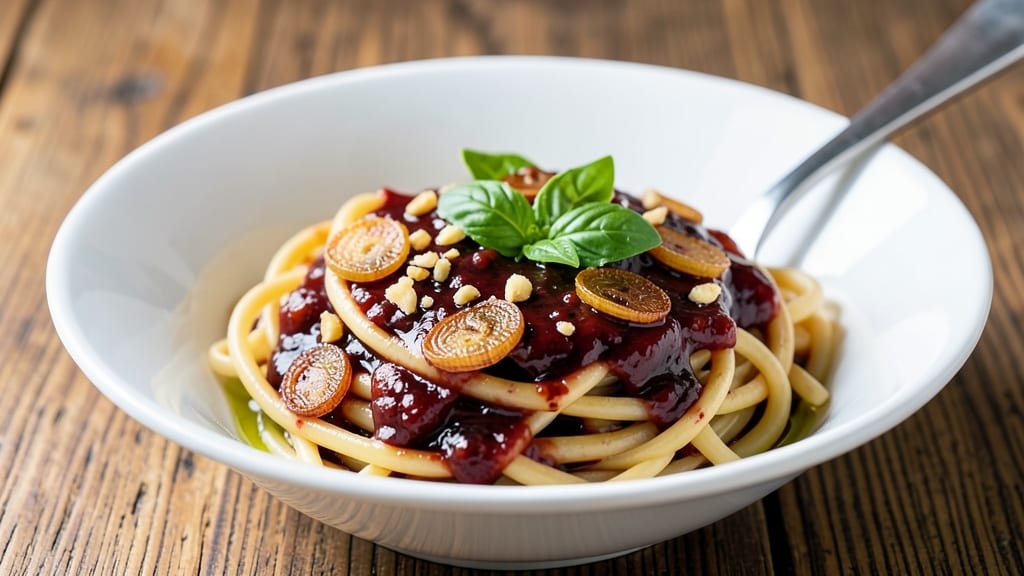
This balsamic pasta sauce recipe transforms simple ingredients into a rich, tangy masterpiece that elevates any dish. The slow-simmered process caramelizes natural sugars, creating a deep, velvety sauce with layers of sweetness and acidity that cling to every strand of pasta.
I developed this recipe after years of experimenting with balsamic reductions, and the results speak for themselves—complex, balanced, and restaurant-quality at home.
The secret lies in patience and technique: simmering balsamic vinegar with aromatics until it thickens into a glossy, syrupy consistency. Olive oil adds richness, while a touch of tomato paste (optional) deepens the color and umami.
Garlic and shallots provide aromatic depth, and fresh herbs brighten the finish. What begins as a simple sauce becomes something extraordinary through careful reduction and flavor layering.
By the time you drizzle this sauce over al dente pasta, you’ll taste the perfect harmony of sweet, tangy, and savory notes. It’s versatile enough to use as a marinade, drizzle over grilled meats, or even as a glaze for roasted vegetables.
The sauce keeps well in the fridge for up to a week, allowing flavors to meld even further over time.
Whether you’re serving a weeknight dinner or prepping for a dinner party, this sauce delivers professional results with minimal effort. The key is letting it work its magic—slow simmering transforms humble ingredients into something truly special. Let’s get started on creating this flavorful foundation for your next meal.
Ingredients for balsamic pasta sauce
Nine essential ingredients transform into a velvety sauce that delivers restaurant-quality depth with minimal effort.
| Ingredient | Amount | Notes |
|---|---|---|
| Extra-Virgin Olive Oil 🫒 | ½ cup | High-quality, fruity variety preferred |
| Balsamic Vinegar 🍷 | 1 cup | Aged balsamic preferred for depth |
| Tomato Paste 🍅 | 1 tbsp | Optional for umami depth |
| Shallots 🧅 | 2 whole | Finely minced for aromatic base |
| Garlic Cloves 🧄 | 4 cloves | Peeled and minced for aromatic depth |
| Fresh Basil Leaves 🌿 | ¼ cup | Packed, stems removed for freshness |
| Red Wine 🍷 | ½ cup | Bold dry red for complexity |
| Vegetable Broth 💧 | 1 cup | Low-sodium for balanced flavor |
| Granulated Sugar 🍚 | 1 tbsp | Balances acidity in reduction |
| Diamond Crystal Kosher Salt 🧂 | 1 tsp | For seasoning and reduction |
The balsamic vinegar is the heart of this sauce—aged varieties from Italian specialty stores or high-end grocery sections deliver the deepest caramelized sweetness. Look for labels indicating at least 12 years of aging, which ensures rich, complex flavors. Shallots and garlic form the aromatic base; freshly minced (not pre-minced) releases more flavor. The extra-virgin olive oil should be fruity and peppery—avoid mild varieties that lack character. For the fresh basil, packed leaves from a trusted farmers market or grocery store's produce section ensure maximum freshness, as wilted leaves yield bitter flavors. If you're using red wine, Cabernet Sauvignon or Merlot work best—their bold profiles complement the sauce's acidity.
No aged balsamic? White wine vinegar plus 1 tbsp brown sugar mimics the depth, though it won’t have the same complexity. Fresh shallots unavailable? One extra garlic clove plus 1 tsp onion powder bridges the gap. The tomato paste is truly optional—if you omit it, add an extra 1/2 tsp sugar to balance the acidity. For the vegetable broth, low-sodium versions prevent over-salting, but homemade stock works beautifully if you prefer. The sugar isn’t just for sweetness—it helps caramelize the balsamic during reduction, creating that signature velvety texture. If you’re making this ahead, reduce the sugar slightly (to 3/4 tbsp) since flavors intensify with time.
This sauce improves with time—3-5 days in the fridge allows flavors to meld beautifully, making it ideal for meal prep. Store in an airtight container with a thin layer of olive oil on top to preserve freshness. For longer storage, freeze in ice cube trays—thaw and reheat gently for perfect consistency. The sauce reheats beautifully, so plan to make extra. If it thickens too much after chilling, simply whisk in 1-2 tbsp water or broth to reach your desired consistency.
Why You'll Love This Recipe
- Five-Ingredient Magic: This sauce is built on pantry staples—olive oil, balsamic, tomato paste, shallots, garlic. No fancy shopping lists, no last-minute grocery runs. Honestly, I’ve made it three times in a row with the same ingredients, and it never lets me down.
- Sweet-Savory Balance: That balsamic reduction? It’s the star—caramelized and tangy, cutting through the richness of the tomato paste while the garlic adds a slow-building warmth. Between us, the first bite always makes me pause mid-chew.
- Weeknight to Weekend: Toss it with spaghetti for a 20-minute dinner or drizzle it over grilled chicken for a Sunday lunch. I’ll be real: my college-aged son asked for it twice at a BBQ last summer, and I just used the same jar of balsamic I’ve had for years.
- Leftovers That Lie: This sauce actually improves overnight—deeper flavor, thicker texture. I make a double batch on Sundays, store it in the fridge, and suddenly I’ve got three easy lunches or a quick pasta night without thinking. (Yes, even on a Tuesday night.)
Step-by-step instructions for balsamic pasta sauce
This sauce builds depth through slow reduction and caramelization—patience here transforms simple ingredients into something extraordinary.
Develop the Aromatic Base
Heat the 0.5 cup extra-virgin olive oil in a medium saucepan over medium-low heat. Add the 2 whole shallots, sliced into paper-thin rounds, and cook for 8-10 minutes until completely translucent and just beginning to color. This gentle cooking extracts their natural sweetness without burning.
Add the 4 cloves garlic, minced, and cook for another 1-2 minutes until fragrant but not browned. The garlic should perfume the oil without adding bitterness. Here's where precision matters: if the shallots darken too quickly, reduce the heat immediately—this is the moment that determines whether your sauce tastes delicate or harsh.
Build the Sauce Foundation
Increase heat to medium-high and stir in the 1 tbsp tomato paste, spreading it evenly over the shallots and garlic. Cook for 1-2 minutes until the paste darkens and develops a slightly charred aroma. This step creates the umami backbone of your sauce—don't rush it, as the paste needs time to fully integrate.
Pour in the 0.5 cup red wine and scrape the bottom of the pan with a wooden spoon, incorporating all those flavorful browned bits. Let the wine simmer for 3-4 minutes until reduced by half. You'll notice the alcohol burn off, leaving behind concentrated wine flavor and a deeper color. This reduction is critical for balancing the acidity that will come from the balsamic vinegar.
Simmer with Balsamic and Broth
Add the 1 cup balsamic vinegar and 1 cup vegetable broth, stirring to combine. Bring the mixture to a gentle boil, then immediately reduce heat to low and let it simmer uncovered for 15-20 minutes. This slow reduction is where the magic happens—the balsamic will thicken and develop a glossy, caramelized sheen.
After 10 minutes, stir in the 1 tbsp granulated sugar and 1 tsp Diamond Crystal kosher salt. The sugar helps balance the acidity while promoting further caramelization. Taste the sauce at this point—it should be tangy but not overly sharp, with developing depth from the wine and balsamic. If it's too acidic, add 1-2 tablespoons of water to dilute slightly.
Finish with Fresh Basil
Remove the pan from heat and stir in the 0.25 cup fresh basil leaves, stems removed. The basil should wilt slightly but remain vibrant. Let the sauce sit off heat for 5 minutes to allow the flavors to meld completely. The basil adds brightness that cuts through the richness of the balsamic and wine.
For serving, gently reheat the sauce over low heat if needed—just until warm through, as prolonged heat will break down the delicate caramelized flavors. The finished sauce should coat the back of a spoon with a glossy sheen and have a balance of sweet, tangy, and umami notes. This sauce works beautifully over al dente pasta, tossed with a generous drizzle of olive oil and extra basil.
Pro Tips For Making Balsamic Pasta Sauce
- Bloom the Shallots First: Slice those shallots paper-thin and hit them with a splash of water before cooking—this softens them faster and keeps them from burning while you build the sauce. I used to rush this step and end up with bitter, browned bits that ruined the whole dish.
- Low and Slow with Tomato Paste: Spread that tomato paste in a thin, even layer and cook it on low heat for 3-4 minutes until it’s deep red and fragrant. Too high? It’ll scorch before it flavors. Think of it like a blanket—let it melt into the oil, not burn.
- Deglaze with Cold Vinegar: After browning shallots and garlic, pour in cold balsamic vinegar (not warm) and let it sizzle for 30 seconds before adding anything else. The cold shock stops the cooking process and pulls out more flavor from the pan—no more dull, watery sauce.
- Salt the Shallots: Toss your sliced shallots with a pinch of salt before cooking. It draws out moisture, so they crisp up faster and add a subtle depth to the sauce. I skipped this for years and wondered why my sauce lacked that certain je ne sais quoi.
Serving suggestions for this dish
Pasta Pairings
This sauce shines with al dente pasta like spaghetti or linguine, where its glossy texture clings perfectly. For extra drama, toss with fettuccine or tagliatelle—the wider noodles create a stunning presentation. I always serve it with pappardelle for a rustic Italian feel. 🍝
For a lighter option, try whole wheat penne or chickpea pasta—both add texture while keeping the dish hearty. If you love texture contrast, add toasted pine nuts or crispy prosciutto on top before serving. The sauce’s richness pairs beautifully with creamy ricotta dollops if you want a modern twist.
Protein Additions
Grilled chicken breast or shrimp absorb the sauce’s flavors beautifully. Sauté chicken thighs in olive oil until golden, then toss with the warm sauce. For seafood lovers, seared scallops or shrimp scampi elevate the dish to restaurant quality. 🍗
Carnivores will adore this with crispy pancetta or bacon bits—add them to the sauce during the final 5 minutes of simmering. For a vegetarian option, try mushroom medley (cremini and shiitake) sautéed until tender. The earthy flavors complement the sauce’s sweet-tangy profile perfectly.
Vegetable Sides
A simple garlic sautéed spinach or roasted Brussels sprouts balances the sauce’s richness. For color contrast, add charred zucchini or asparagus spears—their slight bitterness cuts through the sweetness. 🥦
Warm crusty bread or focaccia soaks up any leftover sauce beautifully. For a fresh element, serve with a mixed greens salad dressed with lemon vinaigrette. The acidity refreshes your palate between bites of the rich pasta.
Garnish Ideas
Fresh basil leaves or cilantro add brightness—tuck a few whole leaves into the pasta for visual appeal. A sprinkle of grated Parmesan or Pecorino Romano enhances umami depth. For texture, toast walnuts or pecans and scatter them on top.
Don’t overlook flaky sea salt or crushed black pepper—they elevate the sauce’s natural flavors. A drizzle of extra-virgin olive oil right before serving adds another layer of richness. These finishing touches make your dish look and taste restaurant-worthy.
Nutrition facts
Frequently asked questions
Can I make this balsamic pasta sauce without red wine?
Replace the 0.5 cup red wine with an equal amount of dry white wine or extra vegetable broth to maintain the sauce's depth. For a non-alcoholic version, use apple cider vinegar (reduce by half) plus 1/2 cup broth—it adds brightness while keeping the tangy profile. The key is balancing the acidity, so adjust sugar to taste if needed.
How do I know when the balsamic reduction is ready?
The sauce is done when it coats the back of a spoon with a glossy, syrupy consistency (about 15-20 minutes of simmering). It should smell richly caramelized and taste sweet-tangy, not sharp. If it's still too thin, simmer uncovered for 5-10 more minutes—just watch closely to avoid burning. The color will deepen to a deep amber with a glossy sheen.
Can I make this sauce ahead of time?
This sauce improves with time! Store it in an airtight container in the fridge for 3-5 days, or freeze for up to 3 months. Flavors meld beautifully, and the acidity mellows slightly. To reheat, warm gently over low heat and stir in 1-2 tbsp water if it thickens too much. The longer it sits, the more complex the flavors become.
What if my sauce tastes too acidic?
If the sauce is too sharp, balance it by adding 1-2 tbsp water or broth to dilute the acidity. For extra depth, stir in 1/2 tsp sugar or a pinch of brown sugar to enhance the caramelization. If you prefer, add a small pinch of baking soda (just 1/8 tsp)—it neutralizes acidity instantly, but use sparingly to avoid altering the flavor.
Can I use this sauce for dishes other than pasta?
Yes! This versatile sauce works as a drizzle for grilled meats (chicken, steak, or salmon), a marinade for tofu or mushrooms, or even a glaze for roasted vegetables. Toss it with wilted greens for a tangy salad dressing, or use it as a base for stuffed peppers or portobello mushrooms. The key is to balance its richness with complementary flavors.