
Sauces & Condiments
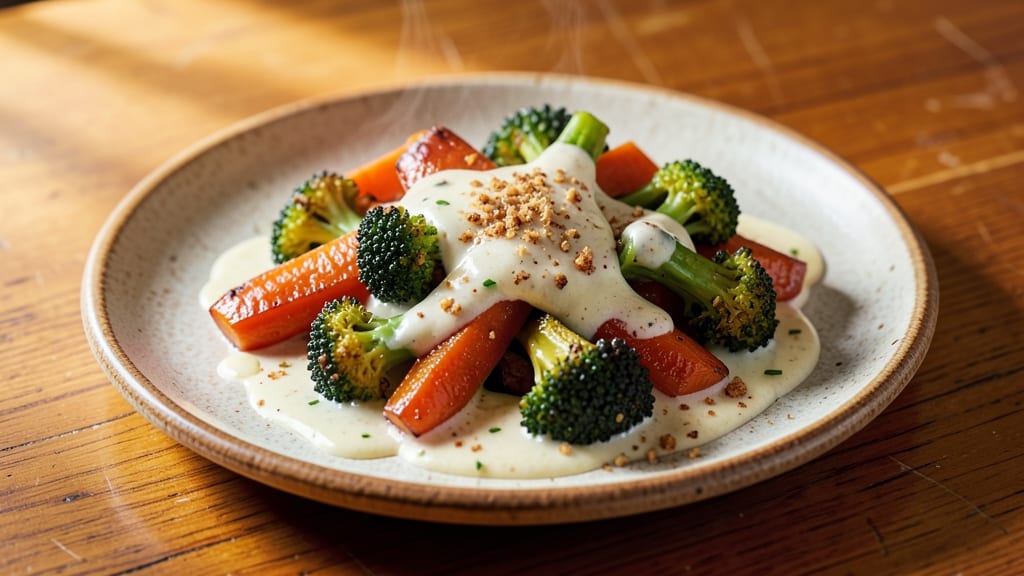
This baked veg in white sauce recipe transforms simple vegetables into a creamy, comforting dish that feels like a restaurant favorite. 💛 The secret lies in a velvety white sauce—rich with butter, flour, and milk—that perfectly coats tender vegetables, creating a dish that’s both elegant and easy to prepare.
Perfect for a weeknight dinner or a cozy meal with family, this recipe delivers restaurant-quality results with minimal effort.
The beauty of this dish is its versatility—you can use any vegetables you like, from carrots and broccoli to zucchini and cauliflower. The white sauce, made with just a few pantry staples, adds a luxurious touch without requiring advanced techniques.
Baking everything together ensures the vegetables stay tender while absorbing the creamy, flavorful sauce.
What you’ll end up with is a dish that’s creamy, comforting, and packed with flavor—each bite coated in a smooth, velvety sauce that makes even the simplest vegetables feel special. The dish is vegetarian-friendly and can be customized with herbs, cheese, or a sprinkle of breadcrumbs for added texture.
Pair it with crusty bread, a simple green salad, or a side of roasted potatoes for a complete meal. The best part? This recipe comes together in just 30 minutes, making it ideal for busy evenings when you still want something delicious and satisfying. Let’s get started!
Ingredients for baked veg in white sauce
Simple vegetables meet velvety white sauce for a creamy, comforting vegetarian dish that feels like a restaurant favorite.
| Ingredient | Amount | Notes |
|---|---|---|
| Unsalted Butter 🧈 | ½ cup | Cold, cubed for even melting |
| All-Purpose Flour 🌾 | ½ cup | For smooth sauce consistency |
| Whole Milk 🥛 | 1 ½ cups | Full-fat for creaminess |
| Vegetable Broth 💧 | 1 cup | Low-sodium preferred |
| Carrots 🥕 | 1 ½ lb | Peeled, cut into even chunks |
| Broccoli Florets 🧅 | 1 ½ lb | Medium-sized florets |
| Zucchini 🥒 | 1 ½ lb | Sliced into 1/4-inch rounds |
| Cauliflower Florets 🥬 | 1 ½ lb | Cut into bite-sized pieces |
| Garlic Cloves 🧄 | 4 cloves | Minced for subtle aroma |
| Fresh Thyme Leaves 🌿 | ¼ cup | Or 1 tbsp dried thyme |
| Salt 🧂 | 1 ½ tsp | Adjust to taste |
| Ground Black Pepper 🌶️ | ½ tsp | Freshly ground preferred |
| Nutritional Yeast 🧀 | 2 tbsp | For cheesy flavor boost |
The vegetables are the stars here—freshness matters most. Hit the produce section early for the crispest carrots and broccoli, or grab pre-cut veggies from Trader Joe's if you're short on time. The zucchini and cauliflower should be firm, not mushy. For the sauce, European-style butter (like Plugrá) adds extra richness, but any unsalted butter works. The flour should be all-purpose, not self-rising—that's a game-changer for smoothness. I always double-check the vegetable broth label for low-sodium, since we're adding extra salt later. If you can't find fresh thyme, dried works at one-third the amount—just remember to toast it briefly for deeper flavor.
No fresh thyme? Dried oregano or basil can step in, though the flavor will shift slightly. Out of vegetable broth? Water plus 1 tsp bouillon powder gets you close. The nutritional yeast might be new to your pantry—it's the secret to that cheesy depth without dairy. Bob's Red Mill is my go-to brand, but any fortified nutritional yeast works. For the garlic, I prefer to mince it myself (takes 30 seconds), but jarred minced garlic is a decent shortcut. The carrots and zucchini can be swapped for other veggies—green beans or asparagus work beautifully too. Just adjust baking time if you're using denser vegetables like potatoes.
This dish reheats like a dream—best the next day when all the flavors meld. Store leftovers in an airtight container for 4-5 days in the fridge, or freeze for 3 months. I like to portion it into individual containers so I can grab and reheat single servings. The sauce thickens as it cools, so if it's too thick when reheating, just add a splash of milk or water. For extra crispiness, sprinkle with breadcrumbs or grated Parmesan before baking—though this version keeps it vegetarian-friendly with just nutritional yeast.
Why You'll Love This Recipe
- I’ll be real: this recipe doesn’t break the bank. A stick of butter, a handful of carrots, and a splash of broth go a long way. Plus, the leftovers turn into a quick, filling lunch or a side that pairs with anything—meat, fish, even toast. Minimal cost, maximum satisfaction.
- One-Pot Magic: I swear by this recipe when I’m too tired to scrub a million dishes. Toss everything—carrots, butter, flour—into one pan, stir, and bake. That’s it. The sauce thickens right into the veggies, so no extra straining or whisking.
- Creamy Without the Fuss: Honestly, this white sauce is my secret weapon. Butter and flour make it rich, but the milk and broth keep it light—no lumps, no burning. The carrots soak up that velvety goodness like a sponge, and the edges get just crispy enough to make it irresistible.
- Leftover Hero: Between us, this dish begs to be made extra. The sauce clings to the veggies, so reheating is a breeze—microwave or oven, no soggy bits. I’ve fed a houseful of guests with this, and it’s just as welcome at a potluck as it is in my lunchbox the next day.
Step-by-step instructions for baked vegetables in white sauce
Here's how to create that dreamy, velvety sauce that clings perfectly to tender vegetables.
🍳 Step 1: Make the Creamy White Sauce Foundation
In a large saucepan, melt the 0.5 cup unsalted butter over medium heat until it foams but doesn't brown. This takes about 2-3 minutes—watch closely so it doesn't scorch. Once melted, reduce heat to medium-low and whisk in the 0.5 cup all-purpose flour all at once.
Cook the butter-flour mixture for 1-2 minutes while whisking constantly until it forms a smooth paste and smells nutty. This is your roux—the base of our sauce. I like to stir vigorously at first, then gradually reduce to gentle whisking as it thickens. The moment it stops looking like raw flour and takes on a golden hue is when you're ready for the next step.
🍳 Step 2: Build Flavor with Milk and Aromatics
Slowly pour in the 1.5 cups whole milk while whisking continuously to prevent lumps. I add it gradually at first, then in a steady stream once the mixture starts to thicken. Keep whisking for 3-4 minutes until the sauce becomes smooth and velvety—this is where the magic happens.
Add the 1 cup vegetable broth, 4 minced garlic cloves, and 0.25 cup fresh thyme leaves to the saucepan. Bring to a gentle simmer over medium heat, then reduce to low heat and let it cook for 5-7 minutes until slightly thickened. The sauce should coat the back of a spoon but still be pourable. Taste and adjust seasoning with 1.5 tsp salt and 0.5 tsp ground black pepper—this is your flavor baseline before adding the nutritional yeast.
🥘 Step 3: Prepare and Layer the Vegetables
While the sauce simmers, preheat your oven to 375°F. In a large baking dish (about 9x13 inches), spread an even layer of the sauce on the bottom—this prevents sticking and creates a flavorful base. Then arrange half of each vegetable in a single layer: the 1.5 lb carrots, 1.5 lb broccoli florets, 1.5 lb zucchini, and 1.5 lb cauliflower florets.
Here's the thing—don't overcrowd the vegetables. You want them to touch each other lightly but still have room to breathe. If you're worried about them sticking, lightly toss them with a tiny bit of olive oil before arranging. Pour half of the remaining sauce over the vegetables, making sure each piece gets coated. The sauce should look glossy but not drowning the veggies.
🔥 Step 4: Bake to Tender Perfection
Cover the baking dish tightly with aluminum foil and bake for 25 minutes. This steaming phase ensures the vegetables soften evenly without drying out. After 25 minutes, remove the foil and stir gently to redistribute the sauce. Then sprinkle the 2 tbsp nutritional yeast evenly over the top—this adds that cheesy, umami depth that makes this dish special.
Return to the oven uncovered for another 15-20 minutes until the vegetables are fork-tender and the sauce has thickened to a glossy consistency. You'll know it's done when the edges bubble slightly and the sauce looks like it's clinging to every vegetable piece. If the sauce looks too thin, uncover for the last 5 minutes to let it reduce.
🍽️ Step 5: Rest and Serve with Flavorful Sauce
Let the baked vegetables rest for 5 minutes before serving—this allows the sauce to fully set and the vegetables to absorb any remaining juices. The rest is crucial because it prevents the sauce from running everywhere when you serve it. I like to transfer everything to a serving platter and gently toss with a fork to redistribute the sauce.
Serve immediately while the sauce is still warm and velvety. Each bite should deliver perfectly tender vegetables coated in that rich, creamy sauce with just the right amount of thyme aroma and cheesy depth from the nutritional yeast. The carrots should be fork-tender but still hold their shape, the broccoli bright green and slightly charred in spots, and the zucchini and cauliflower melting in your mouth.
Pro Tips For Making Baked Veg In White Sauce
- Pre-Cook the Carrots: Toss chopped carrots in a pinch of salt and roast them at 400°F (200°C) for 10 minutes before mixing with the sauce. This jumpstarts their softness and prevents them from turning mushy later—no one likes a watery baked veg dish.
- Whisk the Roux Fast: Melt the butter over medium heat, then add the flour all at once and stir like your life depends on it for 1–2 minutes. If you let it linger, you’ll end up with a floury paste instead of a smooth, velvety sauce that clings to the veggies.
- Thin the Sauce Gradually: Add the milk and broth a splash at a time while stirring constantly. Dumping it all in at once guarantees a runny mess—you’re not making soup, so resist the urge to rush. The sauce should coat the back of a spoon like thick cream.
- Bake Covered First: Start with the dish covered in foil for the first 20 minutes. This traps steam and helps the sauce cling to the veggies instead of drying out or turning grainy. Uncover only when the sauce looks glossy and the edges are bubbling.
Wine and beer pairings for this dish
Crisp White Wine
A dry Chardonnay from Burgundy or California is my go-to pairing—its bright acidity cuts through the richness of the white sauce while complementing the natural sweetness of the vegetables.
Look for a wine with about 12-13% alcohol and minimal oak influence, like La Crema Chardonnay or Louis Latour Bourgogne Blanc. The crisp, citrus notes refresh your palate between each creamy bite. 🍷
Light Beer Options
For beer lovers, a Belgian witbier like Hoegaarden or Stella Artois works beautifully—the coriander and citrus flavors enhance the thyme in the dish. Alternatively, a German Helles lager offers a clean, malty contrast without overpowering the delicate flavors.
Avoid heavy stouts or IPAs, which would clash with the dish's creamy texture.
Sparkling Wine
If you're celebrating, a dry Prosecco or Spanish Cava adds a festive touch to this comforting dish. The bubbles cleanse your palate between bites, while the slight sweetness balances the savory sauce.
I love pairing it with a 100% Pinot Noir Prosecco—it's light enough to complement the vegetables without competing with them.
Red Wine for Heartier Portions
If you prefer red wine, opt for a light Pinot Noir with soft tannins and red fruit notes, like Meiomi Pinot Noir or Bogle Vineyards Pinot Noir. The wine's earthy undertones harmonize with the thyme and nutritional yeast, making it a surprisingly good match for this vegetarian dish.
Serve it slightly chilled to enhance its freshness.
Nutrition facts
Frequently asked questions
Can I use this recipe with frozen vegetables?
Frozen veggies work in a pinch, but fresh is ideal for texture. If using frozen, thaw and pat completely dry first—this prevents excess moisture from making the sauce watery. For best results, stick with fresh carrots, broccoli, and zucchini, as they hold their shape better when baked.
How do I make the sauce thicker or thinner?
For a thicker sauce, simmer uncovered for 5 extra minutes to reduce. Need it thinner? Stir in 1-2 tbsp milk or broth while warm. The sauce should coat the back of a spoon but still be pourable—this ensures perfect coating without drowning the veggies.
What if I don’t have nutritional yeast?
No problem! Swap it for 2 tbsp grated Parmesan (for dairy lovers) or 1 tbsp white miso paste (for umami depth). Both add richness, though Parmesan gives a more cheesy flavor. The dish will still taste delicious—just slightly different!
Can I bake this ahead of time?
Assemble the dish, cover tightly, and refrigerate for up to 24 hours before baking. Add 10 extra minutes to the baking time if cold. For freezing, bake fully, cool, then store in an airtight container for 3 months. Reheat gently in the oven at 350°F until warmed through.
What’s the best way to reheat leftovers?
Spread leftovers on a baking sheet and warm at 350°F for 15-20 minutes to avoid sogginess. For a quick fix, microwave in 1-minute intervals, stirring between each, until heated through. The sauce thickens when cooled, so add a splash of milk if it seems too stiff.