
Sauces & Condiments
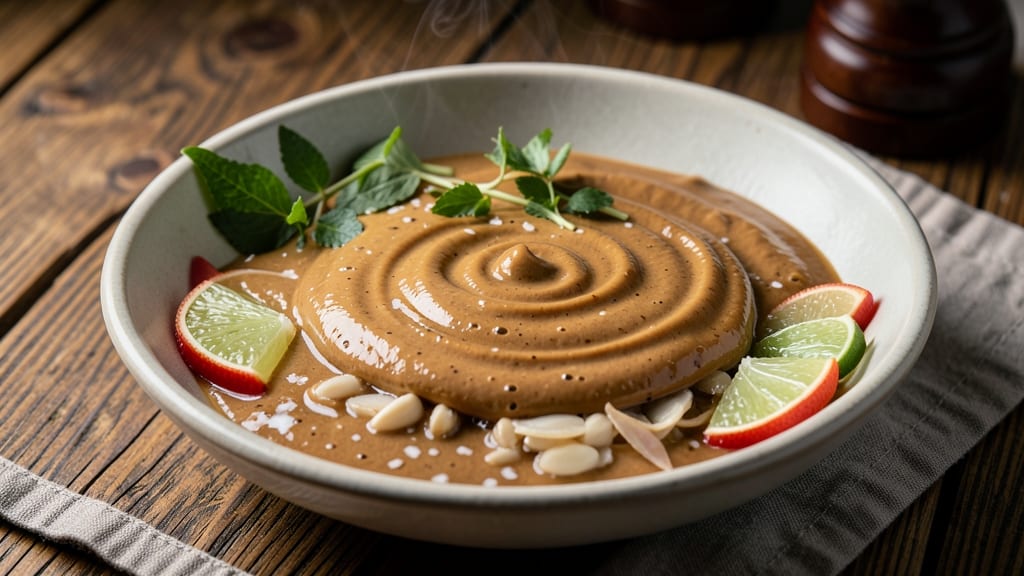
This ayam satay sauce recipe transforms simple skewers into a restaurant-worthy dish with its perfect balance of nutty, tangy, and slightly sweet flavors. The secret lies in blending smooth peanut butter with coconut milk and kecap manis, creating a velvety sauce that clings beautifully to grilled chicken.
I developed this version after years of testing—it’s rich enough to coat every bite while staying true to traditional satay’s vibrant character.
The sauce starts with a simple base of peanut butter and coconut milk, simmered until silky smooth. A splash of lime juice brightens the richness, while garlic, ginger, and a touch of chili powder add depth.
The key is balancing sweetness with acidity—too much sugar flattens the flavors, but just the right amount makes the sauce irresistible. This version also includes a hint of tamarind paste for that authentic tang you find in Indonesian satay.
What makes this sauce special is its versatility—it works equally well as a dipping sauce for crispy satay skewers or as a marinade for extra flavor. The texture is creamy yet not overly thick, ensuring each bite is coated perfectly.
Plus, it keeps well in the fridge for up to a week, so you can make a big batch and enjoy it over multiple meals.
For best results, let the sauce sit for 30 minutes before serving—this allows the flavors to meld and develop. Serve it warm alongside grilled chicken skewers, rice, or even as a dipping sauce for spring rolls. The aroma alone will have everyone asking for seconds. Let’s make this sauce!
Ingredients for ayam satay sauce
Nine ingredients blend into a sauce that transforms simple skewers into restaurant-worthy bites.
| Ingredient | Amount | Notes |
|---|---|---|
| Smooth Peanut Butter 🥜 | ½ cup | Natural, unsweetened preferred |
| Coconut Milk 🥥 | 1 can | Full-fat for creaminess |
| Kecap Manis 🍶 | 2 tbsp | Indonesian sweet soy sauce |
| Lime Juice 🍋 | 2 tbsp | Freshly squeezed preferred |
| Garlic Cloves 🧄 | 4 cloves | Minced for aromatic depth |
| Fresh Ginger 🌿 | 1 ½ tbsp | Grated, not minced |
| Chili Powder 🌶️ | ½ tsp | Adjust for heat preference |
| Tamarind Paste 🍈 | 1 tbsp | For authentic tang |
| Cane Sugar 🍬 | 1 tbsp | Balances acidity perfectly |
| Salt 🧂 | ½ tsp | Kosher or sea salt |
The peanut butter is the heart of this sauce, so natural, unsweetened is a must—none of that chalky, additive-filled stuff. Trader Joe's and Whole Foods carry great options, but even the store-brand stuff works if it's creamy. Coconut milk? Full-fat only—the richness is what makes this sauce velvety. Look for cans with no additives if you can. Kecap manis is the secret weapon—find it in the international aisle at Kroger or Asian markets. If you can't find it, sub 1 tbsp soy sauce + 1 tsp brown sugar, but it won't be quite the same.
No tamarind paste? Lime juice + 1 tsp brown sugar gets you close, though the tang won't be identical. Fresh ginger is ideal, but powdered works at half the amount. Chili powder too mild? Add a pinch of cayenne. The sugar is key—don't skip it, but don't go overboard. The sauce should taste balanced, not sweet. For extra depth, toast the garlic and ginger in a dry pan for 30 seconds before adding—worth the extra minute. If you're making this ahead, the flavors develop even more after sitting overnight.
This sauce keeps beautifully in the fridge for up to 1 week, though it tastes best when fresh. For longer storage, freeze in ice cube trays—thaw and reheat gently for dipping or drizzling. The texture thickens as it cools, so stir in a splash of warm water if it gets too stiff. Double the batch if you're serving a crowd—everyone will ask for seconds. Leftovers make an amazing sandwich spread too, trust me.
Why You'll Love This Recipe
- No-Fuss Blend: I swear by this sauce because it’s just stir, simmer, done—no blenders, no straining, no stress. Five ingredients, one pot, and that rich peanut-coconut base comes together while you chop veggies or wait for skewers to grill.
- Umami Bomb: The kecap manis and garlic cloves hit different—deep, caramelized sweetness cutting through the creamy peanut, with that bright lime zing at the end. It’s the kind of flavor that makes people pause mid-bite, like, "Wait, what’s in this?"
- Party in a Jar: This sauce doubles as dipping sauce, marinade, or stir-fry glaze—no rules. I’ve used it on grilled chicken, tofu, even roasted veggies, and it’s always the star. (Yes, even on a Tuesday night.)
- Budget Magic: A single batch stretches for days—leftovers taste better the next day, honestly. Plus, kecap manis and peanut butter are pantry staples that won’t break the bank. Frugal? Absolutely. Delicious? Even more so.
Step-by-step instructions for ayam satay sauce
This creamy, tangy sauce brings the perfect balance of rich peanut, bright citrus, and aromatic spices to your grilled skewers.
Toast the Peanut Butter for Depth of Flavor
In a medium saucepan over medium-low heat, add the 0.5 cup smooth peanut butter. Stir constantly with a silicone spatula for 3-4 minutes until it melts completely and begins to develop a nutty aroma. You'll see it transform from thick and solid to smooth and glossy.
This toasting step is crucial—it enhances the peanut flavor without burning it. If you notice any brown spots forming, reduce the heat immediately. Once fully melted, remove the pan from heat and set it aside for now. The peanut butter will be the rich foundation of your sauce, so don't rush this step.
Build the Aromatic Base with Garlic and Ginger
Return the saucepan to medium heat and add 4 cloves minced garlic and 1.5 tablespoons grated fresh ginger. Cook for 1-2 minutes, stirring constantly, until the garlic becomes fragrant and just begins to turn golden—this usually happens right as you smell that irresistible aroma wafting up.
Here's the thing—garlic burns quickly, so keep your eye on the pan. If it starts to darken too much, remove it from heat for a few seconds to cool slightly. The goal is to wake up those flavors without letting them turn bitter. Once fragrant, you're ready for the next layer of ingredients.
Combine Wet Ingredients for Creamy Texture
Pour in the 1 can coconut milk, scraping up any browned bits from the bottom of the pan with a wooden spoon. Add the 2 tablespoons kecap manis, 2 tablespoons lime juice, 1 tablespoon tamarind paste, 1 tablespoon cane sugar, 0.5 teaspoon chili powder, and 0.5 teaspoon salt. Stir well to combine all ingredients.
The sauce should look thick but pourable at this stage. If you notice any lumps from the tamarind paste or peanut butter, use a whisk or immersion blender to smooth it out. The tamarind adds that authentic tangy depth, while the kecap manis brings sweetness and complexity. Let the mixture simmer gently for 5-7 minutes until it thickens slightly.
Simmer to Perfect Consistency
Continue simmering the sauce on low heat for 8-10 minutes, stirring occasionally, until it reaches a smooth, creamy consistency that coats the back of a spoon. You're looking for a sauce that's thick enough to cling to skewers but still pourable—think of it like a rich, glossy glaze.
Taste and adjust the seasoning if needed. If it needs more tang, add a splash of lime juice. For extra heat, sprinkle in a pinch more chili powder. If it's too thick, thin with 1-2 tablespoons water at a time. The sauce should be vibrant, aromatic, and perfectly balanced between sweet, spicy, and tangy flavors.
Finish and Prepare for Serving
Remove the sauce from heat and let it cool slightly for 5 minutes. Transfer it to a serving bowl or sauce boat, and if desired, garnish with a sprinkle of fresh cracked pepper or a drizzle of lime zest for that final pop of color and freshness.
This sauce keeps well in the refrigerator for up to 5 days, making it perfect for meal prep. When ready to serve, simply reheat gently over low heat, stirring occasionally, until warmed through. The sauce will thicken slightly as it cools, so if it looks too thick when reheated, thin it with a splash of warm water or coconut milk.
Pro Tips For Making Ayam Satay Sauce
- Warm the peanut butter: Dump that cold peanut butter straight into hot sauce and you’ll end up with a weird, grainy mess. Heat it gently with a splash of coconut milk first—just until it melts smooth. I learned this the hard way when my first batch looked like it had sand in it.
- Toast the garlic: Raw garlic burns easily and can turn bitter in this sauce. Sauté the cloves in coconut milk for 2-3 minutes until fragrant and just golden—this adds depth without overpowering. Skip this, and your sauce will taste flat.
- Reduce the sauce low: High heat makes peanut butter split and coconut milk curdle. Simmer on medium-low, stirring often, until it thickens to a coatable consistency. Rushing this step turns your sauce into a thin, sad glaze.
- Balance the kecap manis: Too much sweetness? Add lime juice and a pinch of salt to cut through. Too salty? A splash of coconut milk dilutes it without losing flavor. Taste as you go—this sauce forgives mistakes if you adjust early.
Creative variations of these flavors
Spicy Satay Twist
For a fiery kick, add 1 tsp sambal oelek (or ½ tsp cayenne) to the simmering sauce and finish with 1 tbsp lime zest. This version works perfectly with spicy satay chicken or beef skewers.
I like to serve it with cooling cucumber slices on the side to balance the heat. 🌶️
Sweet Chili Fusion
Swap the chili powder for 1 tbsp sweet chili sauce (like Huy Fong) and add ½ tsp ground white pepper for depth. This fusion sauce pairs beautifully with pork satay or tofu skewers.
The sweetness complements the peanut richness while keeping the tangy brightness. Double the tamarind paste to 2 tbsp for extra zing.
Coconut-Lime Glaze
Blend ½ cup coconut cream (instead of milk) with the peanut butter and reduce the kecap manis to 1 tbsp. Add 1 tbsp honey and 1 tsp fish sauce for umami.
This lighter, glossier sauce is ideal for drizzling over grilled fish satay or vegetable skewers. The texture becomes silky-smooth, almost like a glaze. 🥥
Herb-Infused Satay
Stir in 1 tbsp fresh cilantro and 1 tsp lemongrass paste (or 2 tbsp finely chopped lemongrass) during the final simmer. This aromatic twist elevates the sauce for herb-lovers.
Garnish with extra cilantro and a sprinkle of toasted sesame seeds before serving. The lemongrass adds a citrusy, floral note that cuts through the richness.
Smoky Maple Satay
Replace the cane sugar with 1 tbsp maple syrup and add ½ tsp smoked paprika for a smoky depth. This variation shines with beef or lamb satay.
The maple adds caramel notes, while the paprika gives a subtle BBQ-like smokiness. Perfect for a fall or winter satay feast when you crave something heartier. 🔥
Vegan Satay Sauce
Use 100% natural peanut butter (check for no honey) and coconut aminos instead of kecap manis. Add 1 tbsp miso paste for umami and 1 tsp apple cider vinegar to replace tamarind.
This version works flawlessly with tofu, tempeh, or seitan satay. The texture remains creamy, and the flavors stay bold and satisfying.
Nutrition facts
Frequently asked questions
Can I make this satay sauce without kecap manis?
Yes, you can substitute with 1 tbsp soy sauce + 1 tsp brown sugar, but the flavor won't be identical. Kecap manis adds a unique caramelized depth that's hard to replicate. For a closer match, try 1 tbsp dark soy sauce + ½ tsp molasses instead.
How do I adjust the thickness of the sauce?
If the sauce is too thick, thin it with 1-2 tablespoons warm water or coconut milk while stirring. For a thicker consistency, simmer uncovered for an extra 3-5 minutes to evaporate moisture. The ideal texture should coat the back of a spoon but still be pourable.
Can I use powdered ginger instead of fresh?
Yes, but reduce the amount to ½ tsp powdered ginger (instead of 1.5 tbsp fresh). Fresh ginger has more complex flavor notes, but powdered works in a pinch. Toast the powder in the dry pan for 30 seconds before adding to enhance its aroma.
How long does this sauce keep in the fridge?
The sauce stays fresh for up to 5-7 days when stored in an airtight container. For longer storage, freeze in ice cube trays—thaw and reheat gently before using. The texture may thicken slightly when refrigerated, so stir in a splash of warm water if needed.
What can I use if I don't have tamarind paste?
Combine 2 tbsp lime juice + 1 tsp brown sugar for a similar tangy effect. For a deeper flavor, use 1 tbsp apple cider vinegar + ½ tsp brown sugar. The sauce will still be delicious, though the authentic tamarind complexity will be missing.