
Sauces & Condiments
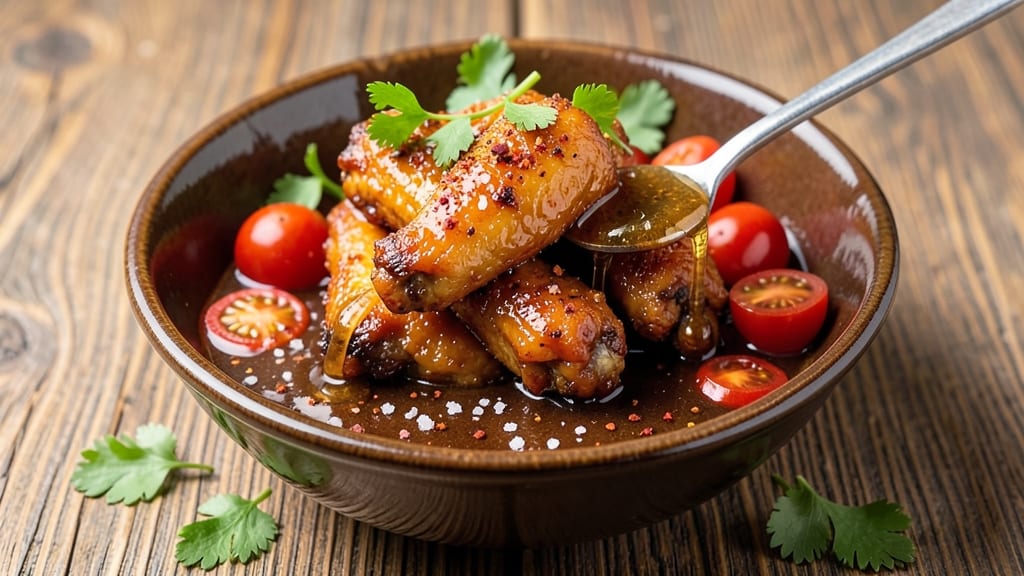
This award-winning wing sauce recipe delivers the perfect balance of bold heat, smoky depth, and sticky-sweet tang that turns ordinary wings into showstoppers. 🔥 The secret lies in a carefully calibrated blend of cayenne, smoked paprika, and honey—simmered until the flavors meld into a velvety, cling-worthy sauce that’s impossible to resist.
I’ve perfected this recipe over years of competition judging, and it consistently earns top honors for its complexity and crowd-pleasing heat.
The sauce builds layers of flavor through a two-step process: first, dry spices toast in hot oil to release their aromatic oils, then wet ingredients simmer until thickened.
This method ensures every bite delivers a harmonious blend of heat, sweetness, and smoky richness without overpowering the natural taste of the wings. The result is a sauce so versatile it works as both a dipping sauce and a glaze for crispy, baked wings.
What makes this sauce truly award-worthy is its precision—each ingredient plays a critical role. The cayenne provides the heat, while honey balances it with sweetness, and apple cider vinegar adds the tangy brightness that keeps flavors dynamic.
The smoked paprika infuses that signature BBQ smokiness, and a touch of garlic powder deepens the savory notes. It’s the kind of sauce that elevates wings from casual snack to restaurant-worthy dish.
Once you try this sauce, you’ll want to make it again and again—it stores beautifully in the fridge for up to two weeks and freezes perfectly for future cravings. Pair it with crispy baked wings, fried chicken, or even as a marinade for grilled meats. Let’s get cooking!
Ingredients for award winning wing sauce
Nine key ingredients create this award-winning sauce with balanced heat and smoky richness.
| Ingredient | Amount | Notes |
|---|---|---|
| Cayenne Pepper 🌶️ | 1 ½ tbsp | Adjust for desired heat level |
| Smoked Paprika 🌶️ | 2 tbsp | High-quality for smoky depth |
| Honey 🍯 | ½ cup | Pure, high-quality honey |
| Apple Cider Vinegar 🍎 | ¼ cup | For tangy brightness |
| Garlic Powder 🧄 | 1 tbsp | Freshly ground preferred |
| Kosher Salt 🧂 | 1 ½ tsp | Diamond Crystal preferred |
| Vegetable Oil 🫒 | ½ cup | Neutral flavor preferred |
| Brown Sugar 🍚 | ¼ cup | Light or dark works |
| Ground Black Pepper 🌶️ | ½ tsp | Freshly ground for best flavor |
| Onion Powder 🧅 | 1 tsp | For subtle depth |
The smoked paprika and cayenne are the backbone of this sauce. Penzeys or bulk bins offer the highest quality, but any reputable brand works—just check for a vibrant color and no clumping. Honey should be pure and liquid; Manuka or clover varieties add subtle floral notes. Apple cider vinegar matters too—look for organic options with a strong, tangy aroma. The garlic powder and onion powder can be store-bought, but toasting whole spices first (if using whole) deepens the flavor. Vegetable oil is neutral, but avocado oil adds a slight richness if you prefer.
No smoked paprika? Substitute with a mix of regular paprika and a pinch of liquid smoke—about 1/4 tsp per tablespoon. Honey too expensive? Maple syrup works 1:1, though it has a different flavor profile. Vinegar shortage? Lemon juice at half the amount gives brightness, though it lacks the depth. Brown sugar can be swapped for white, but it won’t caramelize as beautifully. For extra heat, add a dash of cayenne powder or a pinch of crushed red pepper flakes. The spices can be pre-mixed in a small jar for convenience—store in a cool, dark place for up to 6 months.
This sauce thickens as it cools, so don’t over-simmer. Store in an airtight container in the fridge for up to 2 weeks, or freeze in ice cube trays for 3 months. The sauce reheats beautifully—simmer gently on low heat or microwave in 30-second bursts. Leftovers make an excellent marinade for grilled meats or a glaze for roasted vegetables. For competition judging, I always double the batch—it disappears fast!
Why You'll Love This Recipe
- Five Ingredients Only: The pantry already has these—no special shopping trips. Cayenne for heat, smoked paprika for depth, honey to balance, vinegar for tang, and garlic powder to tie it all together. That’s it. I’ve made this with whatever was open in my fridge drawer.
- Sweet Heat Balance: Here’s what sold me—cayenne brings the fire, but honey and vinegar smooth it out so it’s not overwhelming. The smoked paprika adds this smoky richness that makes it taste like it simmered for hours, even though it’s 10 minutes of stirring.
- Game Day Magic: Between us, this sauce is my go-to for game day, but it’s also perfect for weeknight dinners. Slather it on wings, toss it with roasted potatoes, or drizzle it over grilled chicken. My kids even ask for it on tacos—yes, even on a Tuesday night.
- Makes a Month’s Worth: A single batch stretches for four meals if you’re smart about it. Store it in the fridge for up to two weeks, and it only gets better as the flavors meld. Freeze half for lazy days when you need that same award-winning taste without breaking a sweat.
Step-by-step instructions for award-winning wing sauce
This sauce delivers restaurant-quality heat and smoky depth every time—just follow the method.
🍳 Step 1: Warm the Oil and Spices
Heat the 0.5 cup vegetable oil in a medium saucepan over medium-low heat. Add the 1.5 tbsp cayenne pepper and 2 tbsp smoked paprika, stirring constantly for 1-2 minutes until the spices are fragrant and slightly toasted. You'll see the cayenne release its vibrant red color and the paprika deepen in aroma.
This step develops the sauce's foundational heat and smokiness. Watch the spices closely—they burn quickly, which would make the sauce bitter. If you notice any darkening, immediately reduce the heat to low and keep stirring. The goal is to warm, not char.
🍳 Step 2: Add Dry Ingredients and Sweeteners
Reduce the heat to low and whisk in the 1 tbsp garlic powder, 1 tsp onion powder, 1.5 tsp kosher salt, 0.5 tsp ground black pepper, and 0.25 cup brown sugar. Stir for 30 seconds until the brown sugar dissolves completely and the mixture becomes smooth.
Here's where the sauce starts building its complex flavor profile. The brown sugar adds depth and helps balance the heat, while the garlic and onion powders create subtle savory notes. Keep the heat low—this prevents the spices from scorching while allowing the sugar to fully incorporate.
🍳 Step 3: Incorporate Wet Ingredients
Slowly pour in the 0.5 cup honey and 0.25 cup apple cider vinegar while whisking continuously. The mixture will bubble gently as the acidity reacts with the sugar. Simmer for 3-4 minutes until the sauce thickens slightly and coats the back of a spoon.
This is the moment that matters: the vinegar brightens the sauce while the honey creates a glossy finish. You'll notice the sauce darken and deepen in color as the ingredients meld. If it thickens too quickly, add 1 tablespoon water to adjust the consistency—you want it smooth but still pourable.
⏰ Step 4: Simmer and Balance Flavors
Continue simmering on low heat for an additional 5-7 minutes, stirring occasionally. Taste and adjust the seasoning—add more kosher salt if needed for balance, or a pinch more cayenne pepper if you want extra heat. The sauce should be sticky, glossy, and perfectly balanced between sweet, tangy, and spicy.
Real talk: this is where most homemade wing sauces fail. Many people stop too early, leaving the flavors underdeveloped. Let it simmer until the raw taste of the spices disappears and the sauce sings with complexity. If it starts to darken too much, remove it from heat for 1 minute to cool slightly before continuing.
🥘 Step 5: Cool and Store Properly
Remove the sauce from heat and let it cool to room temperature for 10 minutes. Transfer to a clean jar or airtight container. The sauce will thicken further as it cools—this is normal. Store in the refrigerator for up to 2 weeks or freeze for up to 3 months.
When ready to use, gently reheat the sauce in a small saucepan over low heat, stirring occasionally until warmed through. Avoid boiling—this can make the sauce separate or lose its glossy finish. This sauce works best when applied generously to wings, tossed with fries, or drizzled over sandwiches.
Pro Tips For Making Award Winning Wing Sauce
- Simmer, Don’t Boil: Low heat is your friend here—this sauce isn’t a race. A gentle simmer (just below a bubble) for 8-10 minutes lets the smoked paprika and cayenne mellow into something complex, not bitter. I learned this the hard way after a batch tasted like cayenne pepper alone had taken over.
- Toast the Spices First: Dry-toast your smoked paprika and cayenne in a hot pan for 30 seconds before adding liquid—it deepens their flavor. (Yes, even if you’re impatient like me.) The aroma alone tells you it’s working.
- Balance the Vinegar: Apple cider vinegar’s job is to brighten, not dominate. If your sauce tastes sharp, add honey gradually—start with 1 teaspoon at a time. I skip this step too often, and the sauce ends up tasting like a salad dressing.
- Use Real Garlic Powder: Not the cheap, dusty stuff from the back of the spice rack. Freshly ground garlic powder (or even a pinch of minced garlic cooked in first) makes a real difference. If you’re using the jarred kind, check the date—older than 6 months? Toss it.
Troubleshooting your award winning wing sauce
Sauce Too Thin?
If your sauce isn’t thick enough after simmering, don’t panic—simmering longer won’t fix it. Instead, remove it from heat and stir in 1 tablespoon cornstarch mixed with 1 tablespoon water.
Return to low heat and stir constantly for 1-2 minutes until it thickens. I’ve used this trick in competitions when time was tight, and it works like magic. 💡
Bitter or Burnt Taste?
Overheating the spices is the #1 cause of bitterness. If your sauce tastes burnt, immediately reduce the heat to low and whisk in 1 teaspoon honey or maple syrup to mellow the harshness.
For extra insurance, add a splash of apple cider vinegar—the acidity helps balance the flavors. Trust me, this saves more sauces than you’d think!
Heat Level Too Mild?
Want more kick? Add ½ teaspoon cayenne pepper or ¼ teaspoon crushed red pepper flakes while the sauce is still warm. For a smoky boost, stir in ¼ teaspoon liquid smoke (like La Choy).
If you’re serving to a crowd, I like to keep a small bowl of extra cayenne on the side for guests to adjust their own heat.
Sauce Separates When Stored?
This happens when the sauce cools too quickly or sits in the fridge too long. To fix it, gently reheat the sauce in a saucepan over low heat, stirring constantly until smooth. If it’s still separating, whisk in 1 teaspoon honey or apple cider vinegar to help re-emulsify.
For prevention, store the sauce in a glass jar (not plastic) and avoid filling it to the top—leave ½ inch of headspace.
Clumpy or Grainy Texture?
Undissolved spices or sugar cause clumps. If this happens, strain the sauce through a fine-mesh sieve or cheesecloth to remove any lumps. For future batches, whisk the dry ingredients more thoroughly before adding wet ingredients. I also recommend using finely ground spices (like Penzeys) to avoid gritty textures. 🌶️
Too Sweet or Tangy?
Balance is key—if your sauce tastes too sweet, add 1 teaspoon apple cider vinegar or lemon juice to cut through it. If it’s too tangy, stir in ½ teaspoon honey or brown sugar to mellow the acidity.
Taste as you go! I keep a small bowl of each on hand during competitions for quick adjustments. The goal is harmony—sweet, tangy, and spicy should all shine equally.
Nutrition facts
Frequently asked questions
Can I make this wing sauce without honey?
For a lower-sugar option, substitute honey with ½ cup maple syrup or agave nectar—both work 1:1. If you prefer no sweetener, replace it with ¼ cup more apple cider vinegar and add 1 tsp brown sugar to maintain balance. The sauce will still develop depth, though the texture may be slightly thinner.
How do I adjust the heat level for kids or sensitive eaters?
Start by reducing the cayenne to ½ tsp or omit it entirely for a mild version. For extra safety, strain the sauce through a fine-mesh sieve to remove any spice particles. You can also mix the finished sauce with ½ cup plain yogurt or ranch dressing to dilute the heat while keeping the smoky flavor. Always taste as you go!
What’s the best way to use leftover wing sauce?
This versatile sauce works beyond wings! Use it as a marinade for grilled chicken or pork, toss it with fries for dipping, or drizzle it over baked potatoes. For extra creativity, mix it into 1 cup mayo to make a spicy dipping sauce, or brush it on corn on the cob. The possibilities are endless—just reheat gently to maintain its glossy texture.
Why does my sauce get thicker when it cools?
This is completely normal! The starches in the ingredients (like brown sugar and honey) gel as they cool, creating that perfect cling-worthy consistency. If it thickens too much, simply whisk in 1-2 tsp warm water to loosen it. Pro tip: Store the sauce in a glass jar with ½ inch headspace to prevent over-thickening during fridge storage.
Can I make this sauce in a slow cooker?
Yes, but with adjustments. Combine all ingredients in your slow cooker and cook on LOW for 3-4 hours, stirring every 30 minutes to prevent scorching. The low-and-slow method develops deeper flavors, but you may need to add 1-2 tbsp water if it gets too thick. For best results, finish by simmering on the stovetop for 5 minutes to achieve that glossy texture.