
Sauces & Condiments
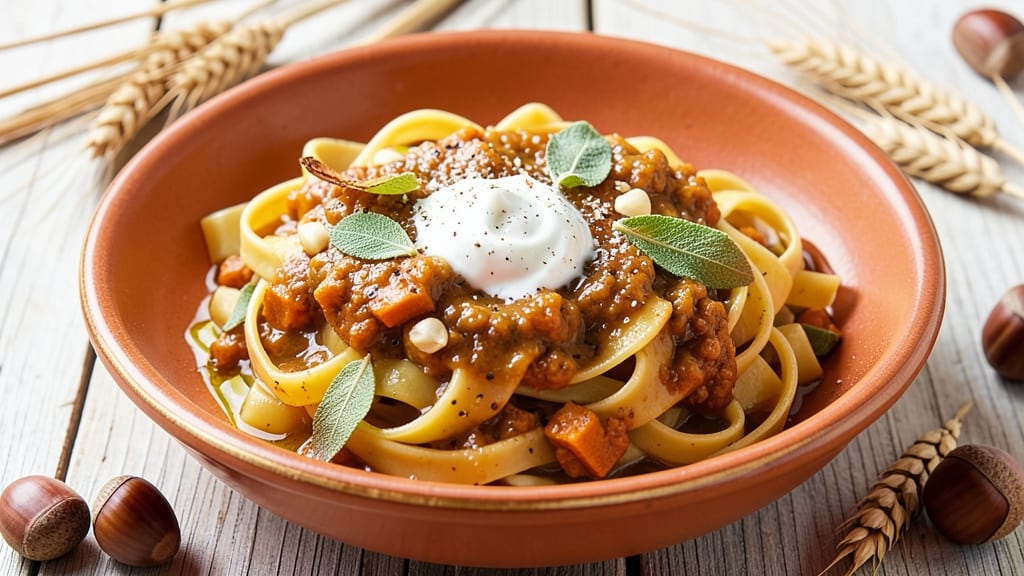
This autumnal harvest pasta sauce transforms humble squash into velvety richness that clings to every noodle like a warm embrace. 🌿 The secret lies in roasting butternut squash until caramelized—its natural sweetness deepens into a complex, spiced base when simmered with sage, nutmeg, and a touch of cream.
What starts as simple vegetables becomes a sauce so luxurious it feels like autumn in a jar.
The process is straightforward but yields restaurant-quality results: roast the squash until tender, then blend it with aromatic herbs and a splash of cream until silky smooth. The nutmeg adds warmth while sage brings earthy depth, creating a sauce that's both comforting and sophisticated.
No heavy cream here—just enough to elevate the natural sweetness of the squash into something extraordinary.
What you'll end up with is a velvety sauce that's rich enough for special occasions but simple enough for weeknight dinners. The caramelized squash gives it a subtle sweetness, while the spices create layers of warmth that make every bite feel like a cozy autumn evening.
Perfect for tossing with pasta, drizzling over roasted meats, or even spooning over polenta.
Store it in the refrigerator for up to five days or freeze for months—this sauce only gets better with time as the flavors meld. The possibilities are endless, but the method remains foolproof. Let's create this harvest-inspired sauce that turns ordinary meals into something truly special.
Ingredients for autumnal harvest pasta sauce
Simple autumnal ingredients blending into velvety richness for pasta perfection.
| Ingredient | Amount | Notes |
|---|---|---|
| Butternut Squash 🎃 | 2 lb | Peeled, cubed, and roasted until caramelized |
| Fresh Sage Leaves 🌿 | ½ cup | Chopped finely for aromatic depth |
| Ground Nutmeg 🌶️ | ¼ tsp | Freshly grated preferred for warmth |
| Heavy Cream 🥛 | ½ cup | Full-fat for velvety texture |
| Extra-Virgin Olive Oil 🫒 | ¼ cup | High-quality for richness |
| Garlic Cloves 🧄 | 3 cloves | Minced for subtle depth |
| Vegetable Broth 💧 | 1 cup | Low-sodium preferred |
| Salt 🧂 | 1 tsp | Kosher or sea salt |
| Black Pepper 🌶️ | ¼ tsp | Freshly ground for balance |
| Pasta 🍝 | 12 oz | Any shape, cooked al dente |
The butternut squash is the heart of this sauce—organic or local makes the biggest flavor difference. Whole Foods or Trader Joe's carry the best quality, or check your local farmers market for seasonal squash. Roast it until caramelized (about 30 minutes at 400°F) for natural sweetness. The sage should be fresh—dried works in a pinch but lacks that earthy aroma. Penzeys sells organic dried sage if you prefer to keep it on hand. Nutmeg is non-negotiable here; freshly grated adds warmth that pre-ground can't match.
No heavy cream? Coconut milk or cashew cream works beautifully—just adjust the amount to match the richness. Substituting the squash? Delicata or kabocha both work, but butternut's sweetness is ideal. Fresh sage out of reach? Dried at one-third the amount gets you close, though the flavor will be milder. The vegetable broth can be homemade or store-bought—just make sure it's low-sodium. For extra depth, roast the garlic with the squash instead of mincing it raw.
This sauce keeps beautifully—5 days in the fridge or 3 months frozen. Portion into ice cube trays for easy single-use servings. The flavors deepen over time, so it's even better the next day. If you make extra, freeze it in small containers for quick pasta nights. Always reheat gently on low heat to preserve its velvety texture.
Why You'll Love This Recipe
- One-Pan Magic: I swear by this—just roast the squash alongside the sage until caramelized, then blend it all into the sauce with the cream. No extra pots, no mess, and that golden oil pools at the bottom like a little flavor reward.
- Sage-Nutmeg Symphony: Honestly, the nutmeg and sage combo is chef’s kiss—warm, earthy, and just a whisper sweet from the squash. A pinch of salt and a drizzle of olive oil turns it from good to "I need this every week" good.
- Leftovers That Don’t Suck: Between us, most pasta sauces dry out or taste sad the next day. Not this one. The cream keeps it luscious, and the squash’s natural sweetness only deepens. I’ve reheated portions for days with zero guilt.
- Budget-Friendly Luxury: Butternut squash is cheap this time of year, and a handful of fresh sage stretches farther than you’d think. Heavy cream makes it feel fancy, but you’d never know it’s secretly my wallet’s best friend—especially when I stretch it over extra noodles.
Step-by-step instructions for autumnal harvest pasta sauce
Transform seasonal ingredients into a velvety, spiced sauce that elevates any pasta dish.
🔥 Step 1: Roast the Butternut Squash Until Caramelized
Preheat your oven to 400°F. Toss the 2 lb butternut squash with 1 tablespoon of the extra-virgin olive oil, ½ teaspoon salt, and ¼ teaspoon black pepper. Spread the cubes in a single layer on a rimmed baking sheet, leaving space between them for even browning.
Roast for 30-35 minutes until the edges are deep golden brown and the squash yields slightly when pressed with a fork. The natural sugars should caramelize, creating a sweet, jammy texture. If the squash isn't tender enough after 30 minutes, continue roasting in 5-minute increments until fork-tender.
🍳 Step 2: Build the Sauce Base with Aromatics
While the squash roasts, heat the remaining ¼ cup extra-virgin olive oil in a large skillet over medium heat. Add the 3 minced garlic cloves and sauté for 30 seconds until fragrant but not browned—garlic burns quickly, so keep an eye on it.
Add the ½ cup finely chopped fresh sage leaves and cook for 1-2 minutes until the leaves wilt and release their piney aroma. Stir in the ¼ teaspoon ground nutmeg and cook for another 30 seconds, allowing the spices to bloom. This aromatic trio forms the flavor foundation of the sauce.
🥘 Step 3: Combine Roasted Squash with Broth and Cream
Transfer the roasted squash to the skillet with the aromatics. Pour in the 1 cup vegetable broth and bring to a gentle simmer. Let it cook for 5 minutes, allowing the flavors to meld and the squash to soften further in the liquid.
Reduce the heat to low and stir in the ½ cup heavy cream. Simmer for another 5 minutes until the sauce thickens slightly and coats the back of a spoon. The sauce should be velvety but not overly thick—if it's too thick, whisk in 1-2 tablespoons of pasta water to reach your desired consistency.
🍲 Step 4: Cook the Pasta and Finish the Sauce
Cook the 12 oz pasta in a separate pot of well-salted boiling water until 1 minute shy of al dente. Reserve ½ cup of pasta water before draining. Toss the drained pasta immediately into the squash sauce, adding reserved pasta water as needed to loosen the sauce to a creamy, clinging consistency.
Season to taste with additional salt and black pepper if needed. The finished sauce should balance sweet roasted squash, earthy sage, warm nutmeg, and creamy richness. Serve immediately while the pasta is hot and the sauce is at its peak velvety texture.
Pro Tips For Making Autumnal Harvest Pasta Sauce
- ROAST THE SQUASH FIRST: I learned this the hard way—trying to sauté butternut squash cubes in olive oil always leaves them soggy and uneven. Roast them at 400°F (200°C) for 20-25 minutes until caramelized and tender before adding them to the sauce. The flavor concentrates, and you won’t waste time waiting for them to soften later.
- TOAST THE SAGE: Fresh sage leaves add aroma, but crisping them first makes all the difference. Heat a dry pan over medium-high for 30 seconds, add whole leaves, and let them sizzle until fragrant (about 10 seconds per side). Tear them afterward—they’ll release oils into the sauce and add a nutty depth.
- DON’T BOIL THE CREAM: Heavy cream scalds easily, and once it curdles, you’re out of luck. Warm it gently in a separate pan over low heat until just steaming (no bubbles), then whisk it into the sauce last. This keeps the sauce silky without breaking the cream—trust me, your sauce won’t seize up.
- SALT THE SQUASH WATER: If you’re roasting or boiling the squash, salt the water like the ocean—about 1.5 teaspoons per quart. It seasons the flesh directly and prevents blandness later. (Yes, even if you’re adding nutmeg and sage afterward, this step guarantees flavor.)
Flavor customization for autumnal harvest pasta sauce
Sweet Heat Balance
Add ½ teaspoon of chili flakes or 1 teaspoon of hot honey when combining the roasted squash with broth to introduce subtle heat that contrasts beautifully with the sauce's natural sweetness.
For a smoky twist, replace ¼ teaspoon of nutmeg with ½ teaspoon of smoked paprika—this adds depth while keeping the autumnal warmth intact. 🌶️
Herb Variations
Swap out sage for thyme or rosemary if you prefer a different herbal profile. Use ½ cup fresh thyme leaves or 2 sprigs rosemary (finely chopped) instead, adjusting the cooking time slightly since rosemary has a stronger flavor.
For a Mediterranean twist, add 1 tablespoon of sun-dried tomatoes when simmering the squash with broth.
Creamy Alternatives
For a dairy-free version, replace the ½ cup heavy cream with ½ cup full-fat coconut milk or ¼ cup cashew cream (blended soaked cashews). The sauce will still be velvety, though slightly lighter in texture.
If using coconut milk, add 1 teaspoon of nutritional yeast for a cheesy depth that complements the autumnal flavors.
Spiced Depth
Enhance the warmth by adding ¼ teaspoon of cinnamon or a pinch of cloves when sautéing the aromatics. These spices harmonize perfectly with nutmeg and sage, creating a cozy, spiced chai-like profile.
For a more complex flavor, toast 1 teaspoon of whole coriander seeds in the skillet before adding garlic—this adds a citrusy note that brightens the rich squash base.
Texture Adjustments
For a chunkier sauce, reserve ½ cup of roasted squash cubes before blending and fold them back in at the end. If you prefer a completely smooth texture, blend the sauce with an immersion blender for 30 seconds until silky.
For extra richness, stir in 1 tablespoon of butter during the final 5 minutes of simmering.
Seasonal Twists
Incorporate seasonal produce like roasted apples or pears (½ cup, diced) when simmering the squash with broth for a fruity-sweet contrast. Alternatively, add 1 tablespoon of maple syrup during the final simmer to intensify the autumnal sweetness. These variations keep the sauce vibrant while staying true to harvest flavors. 🍎
Nutrition facts
Frequently asked questions
Can I make this sauce without heavy cream?
For a lighter version, substitute the ½ cup heavy cream with ½ cup full-fat coconut milk or ¼ cup cashew cream (blended soaked cashews). The sauce will still be velvety but slightly less rich. For extra depth, add 1 teaspoon of nutritional yeast to mimic the cheesy flavor.
How do I adjust the sauce if I don't have fresh sage?
Use 1 tablespoon dried sage instead, but reduce the cooking time by 1 minute since dried herbs are more concentrated. Alternatively, swap it for ½ cup fresh thyme or 2 sprigs rosemary (finely chopped). The flavor will shift slightly but still complement the squash beautifully.
Can I prep this sauce ahead of time?
Yes! This sauce tastes even better the next day. Store it in an airtight container in the fridge for up to 5 days or freeze for 3 months. For easy serving, freeze portions in ice cube trays—just thaw and reheat gently on the stove. The flavors deepen over time, making it perfect for meal prep.
What's the best way to reheat leftover sauce?
Gently reheat on the stove over low heat with a splash of water or broth to prevent scorching. Avoid microwaving, as it can make the sauce grainy. For extra richness, stir in 1 tablespoon of butter or a splash of cream while warming. This keeps the velvety texture intact.
Can I use other types of squash?
Butternut squash is ideal for its sweetness, but delicata or kabocha work well too. Avoid bitter varieties like hubbard. If using delicata, peel and seed it first—its skin is edible but can be tough. The roasting time may vary slightly depending on the squash type.