
Sauces & Condiments
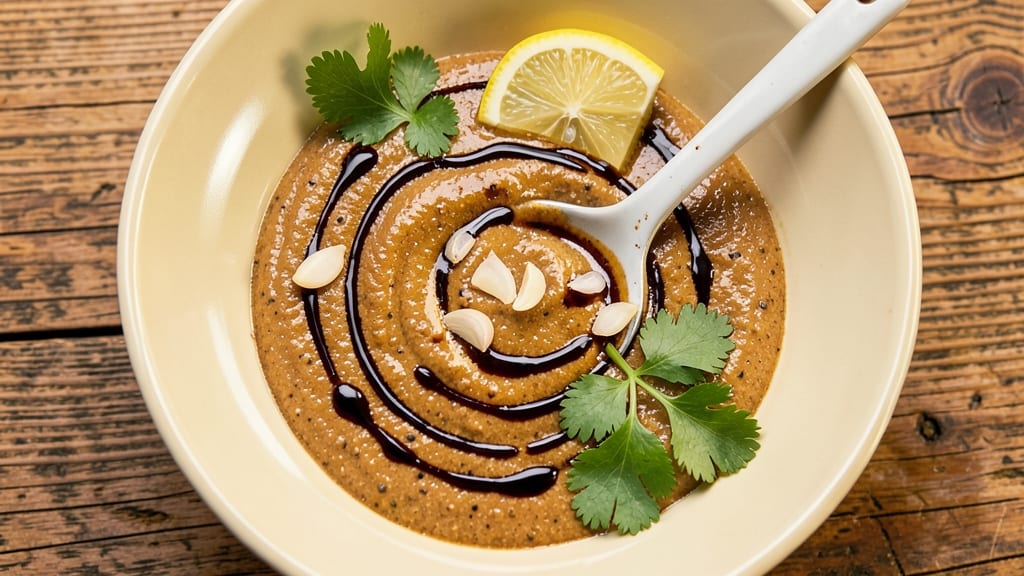
This Asian tahini sauce recipe transforms simple pantry staples into a velvety, nutty-sesame drizzle that elevates everything from grilled vegetables to fresh spring rolls. The secret lies in balancing tahini’s rich depth with bright citrus, aromatic garlic, and a touch of umami—creating a sauce that’s both restaurant-worthy and effortlessly homemade.
What makes this version stand out is the optional miso paste, which adds a subtle fermented complexity that turns this into a sauce you’ll reach for repeatedly.
Creamy yet light, this tahini sauce comes together in just 10 minutes with a whisk and a few basic ingredients: tahini, soy sauce, garlic, lemon juice, and a splash of water to achieve the perfect drizzling consistency.
The sauce keeps beautifully in the fridge for up to 5 days, making it ideal for meal prep, or you can store it shelf-stable for 2 weeks with a bit of vinegar.
It’s the kind of versatile condiment that works as a dipping sauce, salad dressing, or even a marinade for tofu or chicken.
The result is a sauce that’s rich yet balanced, with tahini’s nutty warmth complemented by the tang of lemon and the savory punch of soy and garlic.
It clings beautifully to noodles, enhances the natural flavors of grilled vegetables, and adds a luxurious touch to simple dishes like roasted sweet potatoes or steamed greens. The best part?
You can customize it with chili flakes for heat, coconut milk for extra creaminess, or even a drizzle of honey for a touch of sweetness.
Whether you’re serving up a weeknight dinner or prepping for a gathering, this tahini sauce is your secret weapon for adding depth and flavor without the fuss. Let’s get started—your taste buds (and leftovers) will thank you.
Ingredients for asian tahini sauce
Simple pantry staples transform into a velvety sauce that elevates every dish it touches.
| Ingredient | Amount | Notes |
|---|---|---|
| Tahini 🥜 | ½ cup | High-quality, sesame paste preferred |
| Soy Sauce 🍶 | ¼ cup | Low-sodium preferred for balance |
| Fresh Garlic Cloves 🧄 | 3 cloves | Minced for aromatic depth |
| Fresh Lemon Juice 🍋 | ¼ cup | Bright, freshly squeezed |
| Water 💧 | ¼ cup | Adjust for desired consistency |
| White Miso Paste 🍶 | 1 tbsp | Optional for umami depth |
| Extra-Virgin Olive Oil 🫒 | ¼ cup | For smooth texture and richness |
| Maple Syrup 🍯 | 1 tbsp | Balances tanginess (optional) |
| Red Chili Flakes 🌶️ | ½ tsp | Adjust for heat preference |
| Apple Cider Vinegar 🍶 | 1 tsp | For shelf stability (optional) |
Tahini is the heart of this sauce, so pick a high-quality brand—the kind with a rich, nutty aroma. Whole Foods and Trader Joe's carry excellent options, but check the ingredient list for just sesame paste and oil (no additives). The miso paste, if using, should be white miso for a milder, sweeter profile—Marukome is my go-to. Fresh garlic and lemon are non-negotiable for that bright, aromatic punch. If you're using dried garlic powder, reduce it to half the amount and add a pinch of salt to compensate. The olive oil adds silkiness, so choose a high-quality extra-virgin—something you'd drizzle on toast.
No tahini? Substitute with peanut butter (thinned with water) for a similar nutty base, though the flavor will differ slightly. Short on soy sauce? Coconut aminos work in a pinch, but add a splash of rice vinegar to mimic the depth. The maple syrup can be swapped for agave nectar or even a touch of honey if you're not strictly vegan, but maple keeps it plant-based. For extra creaminess without coconut milk, blend silken tofu with the sauce until smooth. The chili flakes are optional but add a nice kick—start with half a teaspoon if you're sensitive to heat. If you're making this ahead, the vinegar helps extend shelf life, but it's optional for immediate use.
This sauce keeps beautifully—5 days in the fridge sealed in an airtight jar, or 2 weeks on the shelf if you add the vinegar. For best texture, give it a quick whisk before each use. It thickens as it sits, so thin with water if needed. I love making a double batch because it disappears fast—drizzled over noodles, used as a marinade, or even mixed into dressings. The flavors actually improve after a day or two as everything melds. Store leftovers in a dark glass jar to preserve freshness, and if it separates, just whisk vigorously to recombine.
Why You'll Love This Recipe
- Five-Ingredient Magic: I swear by this—just tahini, soy sauce, garlic, lemon, and water. That’s it. No fancy gadgets, no waiting for ingredients to "bloom" or anything. Honestly, I’ve made it with my hands in the sink while chatting on the phone.
- Umami Bomb: The garlic and soy sauce hit like a flavor grenade—savory, salty, with that deep, nutty tahini richness. Here’s what sold me: the lemon cuts through the heaviness, leaving a bright, balanced punch that makes every bite sing.
- Dip, Drizzle, Repeat: This sauce is my secret weapon for everything—grilled chicken, roasted veggies, even as a quick marinade. I’ll be real: it’s the only thing I keep in the fridge for last-minute meal prep, and it never lets me down.
- Stays Fresh, Cuts Costs: Between us, this keeps for days in the fridge, and I’ve even frozen it in ice cube trays. Not the prettiest, but the taste makes up for it. Plus, tahini’s cheap, and a little goes a long way—so it’s my go-to for feeding a crowd without breaking the bank.
Step-by-step instructions for Asian tahini sauce
This vibrant tahini sauce comes together in minutes with simple techniques and bold flavors.
Whisk Tahini and Soy Sauce Until Smooth
In a medium bowl, combine the 0.5 cup tahini and 0.25 cup soy sauce. Using a whisk or immersion blender, stir vigorously for 2-3 minutes until the mixture becomes completely smooth and free of any graininess. Tahini is naturally thick, so this step is crucial—it prevents lumps that can ruin the sauce's silky texture.
Here's the thing—tahini can be stubborn. If you encounter resistance, add 1 tablespoon of warm water at a time while whisking until fully emulsified. The goal is a velvety base that forms the foundation for all the other flavors. Don't rush this; patience now means a perfect sauce later.
Add Garlic, Lemon, and Miso for Depth
Press the 3 cloves fresh garlic through a garlic press directly into the tahini mixture. This method releases more flavor than mincing. Immediately add the 0.25 cup fresh lemon juice, 1 tbsp white miso paste, and continue whisking for another 1-2 minutes until fully incorporated.
The miso paste adds a subtle umami richness that balances the sauce's tanginess, while the lemon brightens everything up. You'll notice the color shift from deep brown to a lighter, more vibrant hue—this is your visual cue that the flavors are melding properly. If the mixture thickens too much, add 1 tablespoon of water at a time until it reaches a pourable consistency.
Incorporate Olive Oil and Sweeteners
With the motor running on low speed (if using an immersion blender), slowly drizzle in the 0.25 cup extra-virgin olive oil while whisking continuously. This gradual addition prevents the sauce from breaking and creates that luxurious, glossy finish. Add the 1 tbsp maple syrup and 0.5 tsp red chili flakes, whisking until the syrup dissolves completely.
The olive oil not only adds richness but also helps emulsify the sauce, giving it that signature silky mouthfeel. The maple syrup balances the acidity from the lemon, while the chili flakes add just a hint of heat. Taste at this stage—you should notice a complex interplay of nutty, tangy, sweet, and slightly spicy flavors. If it needs more balance, adjust with additional lemon juice or maple syrup.
Finish with Vinegar and Adjust Consistency
Stir in the 1 tsp apple cider vinegar and taste immediately. The vinegar adds a subtle tang that enhances shelf stability and brightens the overall flavor profile. At this point, the sauce should be perfectly balanced between nutty, tangy, and slightly sweet with a touch of heat.
For the ideal consistency, add the 0.25 cup water 1 tablespoon at a time, whisking vigorously after each addition. You want a sauce that's smooth enough to drizzle but still clings to whatever it's dressing. If you prefer a thicker sauce for dipping, reduce the water to 2 tablespoons instead. The final texture should coat the back of a spoon without being gluey.
Rest and Serve
Transfer the sauce to a clean jar or airtight container and let it rest at room temperature for 10-15 minutes. This brief resting period allows all the flavors to fully meld together, resulting in a more cohesive taste experience. The sauce will also slightly thicken as it comes to room temperature, which is perfect for drizzling.
Use immediately as a dressing for salads, a dipping sauce for grilled meats or vegetables, or a flavorful addition to grain bowls. For best results, store any leftovers in the refrigerator for up to 5 days, giving it a quick stir before each use. The flavors actually develop and deepen over time, making this sauce even more delicious the next day.
Pro Tips For Making Asian Tahini Sauce
- STRAIN THE TAHINI: Tahini’s natural oil separates when mixed—especially with water. After blending, pour the sauce through a fine-mesh sieve or cheesecloth into a bowl. This removes grit and keeps the texture silky, not grainy. (Yes, it’s messy, but your sauce will taste like it came from a restaurant.)
- MINCE GARLIC SMALL: Whole garlic cloves won’t blend smoothly and leave chunks. Chop them into tiny pieces—almost like a paste—before adding to the tahini. This ensures a creamy texture, not a surprise bite of raw garlic. (I learned this after serving a friend a sauce with a “garlic surprise” mid-bite.)
- THIN WITH WATER GRADUALLY: Dump in all the water at once, and you’ll end up with a watery mess. Add 1 tablespoon at a time, blending between each addition, until you hit the right consistency. This keeps the sauce rich, not diluted. (Your first attempt will probably be too thick—just own it and adjust.)
- USE COLD LEMON JUICE: Fresh lemon juice straight from the fridge blends better and brightens the flavor more than room-temperature juice. If you’re in a rush, squeeze the lemon, chill the juice in the fridge for 10 minutes, then use it. The cold also helps emulsify the tahini faster. (This is the one tweak that makes the sauce taste fresh, not flat.)
Common mistakes when making perfect results
Skipping the Emulsification Step
One of the biggest mistakes is rushing the tahini and soy sauce combination. Tahini is thick and can separate if not properly emulsified. I’ve seen people add water too quickly or skip whisking entirely, resulting in a grainy, clumpy sauce.
Always whisk for 2-3 minutes until completely smooth. If it’s still stubborn, add warm water gradually—never cold—to help break down the oils. 🥜
Overworking the Garlic
Fresh garlic is essential, but pressing too much can make the sauce bitter. Stick to 3 cloves and use a garlic press for maximum flavor without overpowering the tahini’s nutty profile.
If you love garlic, try infusing a small amount into the olive oil first—this way, you control the intensity without adding extra cloves directly to the sauce.
Ignoring the Water Ratio
Adding water all at once is a recipe for disaster. The sauce needs to be thinned gradually, 1 tablespoon at a time, to maintain its silky texture. Too much water upfront will dilute the flavors and create a watery, unstable sauce.
Taste as you go—you want it pourable but still clingy enough to coat noodles or veggies.
Forgetting to Rest the Sauce
Skipping the 10-15 minute rest means missing out on flavor development. The sauce continues to meld and thicken as it sits, so serving it immediately can leave it tasting flat or uneven. Let it come to room temperature before using—this step is non-negotiable for the best results. ⏰
Using Low-Quality Tahini
Not all tahini is created equal. Cheap or additive-filled brands can make your sauce taste bitter or metallic. Invest in a high-quality, 100% sesame paste like Whole Foods 365 or Trader Joe’s for the richest, smoothest texture. The difference is noticeable—trust me, your taste buds will thank you.
Skipping the Vinegar for Stability
If you plan to store the sauce longer than 3 days, omit the apple cider vinegar at your own risk. Vinegar acts as a natural preservative, preventing mold and extending shelf life.
Without it, the sauce may spoil faster or develop off-flavors. For immediate use, you can skip it, but for meal prep, it’s worth the extra step. 🍶
Nutrition facts
Frequently asked questions
Can I make this tahini sauce without tahini?
Yes! For a similar nutty profile, substitute ½ cup peanut butter (unsweetened) or ½ cup cashew butter. Thin with 1-2 tablespoons of water while whisking to achieve the same creamy consistency. The flavor will be slightly different but still delicious—peanut butter adds a sweeter, more roasted note.
How do I adjust the thickness for different uses?
For a drizzling sauce (like on salads or noodles), aim for a thin, pourable consistency—add the full ¼ cup water gradually. For a dipping sauce (like for spring rolls or veggies), reduce water to 2 tablespoons or omit it entirely. If the sauce thickens after resting, thin with ½ teaspoon water at a time until perfect.
What are the best ways to use this sauce beyond dipping?
This versatile sauce works as a marinade for tofu or grilled chicken, a salad dressing (toss with greens and cucumbers), or even a glaze for roasted vegetables. Try drizzling it over ramen or pho for extra richness, or mix it into hummus for a nutty twist. It also pairs beautifully with sushi rolls or as a finishing sauce for bowls.
Why did my sauce separate after storing?
Tahini-based sauces naturally separate when stored due to the oils in sesame. To fix it, whisk vigorously or use an immersion blender until smooth. For future batches, add ½ teaspoon xanthan gum (optional) to improve stability, or stir in 1 teaspoon of warm water before each use. The vinegar in the recipe also helps prevent separation—just give it a good shake before serving.
Can I make this sauce spicier or sweeter?
For extra heat, add ½ to 1 teaspoon of gochujang or ½ teaspoon of sriracha instead of chili flakes. For sweetness, increase the maple syrup to 2 tablespoons or add 1 teaspoon of honey (if not strictly vegan). You can also balance flavors by adjusting the lemon juice—more for tang, less for sweetness. Taste as you go!