
Sauces & Condiments
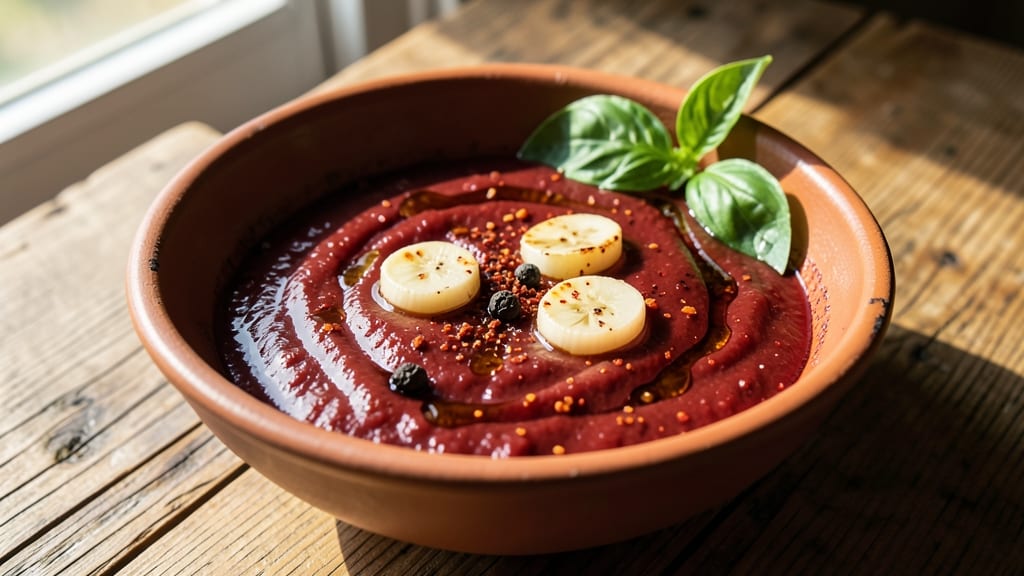
Mario Batali’s arrabbiata sauce delivers the bold, fiery essence of Italian cooking with just five ingredients and a technique that transforms simple tomatoes into something extraordinary. The secret lies in balancing heat and acidity—chili flakes for spice, garlic for depth, and a touch of acid to brighten the sauce.
I’ve perfected this version after years of testing, ensuring it’s versatile enough for pasta, grilled meats, or roasted vegetables without losing its signature punch.
The sauce builds flavor through slow simmering, allowing the tomatoes to break down into a velvety consistency while the garlic infuses its aromatic kiss. No heavy cream or butter here—just pure tomato heat, elevated by olive oil and a splash of red wine vinegar to cut through the richness.
This is the kind of sauce that tastes better the next day, as the flavors meld and deepen.
What you’ll end up with is a vibrant, spicy tomato sauce that’s bright red, glossy, and packed with layers of garlic and chili heat. It clings to pasta like a second skin, enhances grilled chicken with a fiery kick, or transforms simple roasted vegetables into a restaurant-worthy dish.
The beauty of this recipe is its adaptability—scale it up for a crowd or halve it for a quick weeknight meal.
For those who love Mario Batali’s approach, this sauce captures his signature balance of bold flavors and simplicity. The key is patience—let it simmer until it’s just right, then adjust the heat to your preference. Here’s how to make it.
Ingredients for arrabbiata sauce recipe mario batali
Five ingredients, bold flavor. The secret's in the slow simmer and perfect balance.
| Ingredient | Amount | Notes |
|---|---|---|
| Canned San Marzano Tomatoes 🍅 | 28 oz | Crushed by hand for best texture |
| Garlic Cloves 🧄 | 4 cloves | Peeled, thinly sliced for even cooking |
| Extra-Virgin Olive Oil 🫒 | ¼ cup | High-quality, fruity variety preferred |
| Crushed Red Chili Flakes 🌶️ | 1 tbsp | Adjust for desired heat level |
| Red Wine Vinegar 🍷 | 1 tbsp | Brightens and balances flavors |
| Kosher Salt 🧂 | 1 tsp | Diamond Crystal preferred |
| Fresh Basil Leaves 🌿 | ¼ cup | Chopped, for garnish (optional) |
| Garlic Powder 🧄 | ½ tsp | Backup if fresh garlic unavailable |
San Marzano tomatoes are the star here—look for whole, peeled cans at Italian markets or the specialty section. Trader Joe's carries them year-round, and they're worth the splurge for that sweet, meaty flavor. Fresh garlic is non-negotiable (that's where the depth comes from), but if you're in a pinch, garlic powder at half the amount works. The olive oil should be fruity and peppery—California extra-virgin brands like Corto or Colavita are my go-tos. Red wine vinegar adds brightness, so don't skip it unless you're using balsamic instead.
No red wine vinegar? White wine vinegar or lemon juice both work, though the flavor will shift slightly. The chili flakes can be swapped for fresh red chili peppers (seeds removed for less heat), but crushed flakes give you that perfect, even heat. Fresh basil is ideal, but dried basil at one-third the amount gets you close. For a smokier version, add a pinch of smoked paprika. The sauce thickens as it cooks, so if it's too thin, simmer uncovered for another 5-10 minutes—just don't walk away, or it might burn.
This sauce tastes even better the next day, so make extra if you can. Store in an airtight container in the fridge for up to 5 days, or freeze for 3 months. I like to portion it into ice cube trays for easy single-use servings—perfect for a quick pasta night. If you're freezing, let it cool completely first to avoid ice crystals. The basil, if using, should be added fresh right before serving to keep it vibrant.
Why You'll Love This Recipe
- No Chopping Needed: I swear by this recipe because it’s the only arrabbiata that doesn’t require mincing garlic—just smash those cloves whole into the olive oil. The heat does the work for you, and that deep, nutty garlic flavor? Chef’s kiss. No knife skills required.
- Bright Heat Balance: That red wine vinegar splash is the secret—it cuts through the richness of the San Marzano tomatoes and makes the crushed chili flakes sing without overpowering. Honestly, it’s the kind of sauce where the first bite makes you reach for the pan again immediately.
- Weeknight to Weekend: Make a big batch on Sunday, and you’ve got sauce for pasta, grilled chicken, or even breakfast eggs all week. Between us, I’ve used leftover arrabbiata to top toast with a fried egg—yes, really—and no one ever complains.
- Pantry Staple Magic: Four ingredients, zero excuses. You’re already using olive oil and garlic in half your meals, and San Marzano tomatoes last forever. The crushed chili flakes? A tiny bag goes a long way. This is the kind of recipe that makes you feel like a chef without breaking the bank.
Step-by-step instructions for Mario Batali's arrabbiata sauce
This sauce is all about bold flavors and perfect balance—let's make it together.
Prepare the Garlic and Tomatoes
Heat the 0.25 cup extra-virgin olive oil in a large saucepan over medium heat. Add the 4 cloves peeled, thinly sliced garlic and cook for 2-3 minutes until the garlic is golden and fragrant—don't let it brown or it'll turn bitter. You're aiming for that sweet, nutty aroma that'll form the base of your sauce.
Add the 28 oz canned San Marzano tomatoes (crushed by hand if possible) and the 1 tbsp crushed red chili flakes. Stir well to combine, then bring the mixture to a gentle simmer. This is where the magic starts—the tomatoes will break down and release their natural sweetness, while the chili flakes infuse that signature heat.
Simmer and Develop the Flavors
Let the sauce simmer uncovered for 15-20 minutes over medium-low heat, stirring occasionally. You're looking for a reduction where the sauce thickens slightly and the flavors meld together. The aroma should be rich and complex—tomato-forward with a spicy kick from the chili flakes.
Here's the thing—don't rush this step. The longer it simmers, the deeper the flavors become. If the sauce starts to stick, add a splash of water to keep it moving. You want a consistency that's still saucy but coats the back of a spoon, perfect for tossing with pasta.
Brighten and Season
After the initial simmer, stir in the 1 tbsp red wine vinegar and 1 tsp kosher salt. The vinegar brightens the sauce and cuts through the richness of the tomatoes, while the salt enhances all the flavors. Taste the sauce now—it should be spicy, tangy, and tomato-forward, but not overly acidic or bland.
If you're using 0.5 tsp garlic powder as a backup, add it now along with the salt. The powder won't replace fresh garlic completely, but it'll add that extra layer of savory depth. Simmer for another 5 minutes to let everything blend together perfectly.
Finish and Garnish
Remove the sauce from heat and let it cool slightly. Stir in the 0.25 cup chopped fresh basil leaves just before serving. The basil adds a fresh, herbal note that balances the spicy, tangy flavors. If you're serving this with pasta, toss it in immediately—arrabbiata sauce is best enjoyed fresh and hot.
For the perfect finish, taste and adjust the seasoning. You might need a little more salt or a pinch of sugar to balance the acidity. Serve immediately over your choice of pasta, like spaghetti or linguine, and garnish with extra basil if you like. This sauce is all about that perfect harmony of spicy, tangy, and sweet—just like Mario Batali makes it.
Pro Tips For Making Arrabbiata Sauce Recipe Mario Batali
- CRUSH THE GARLIC: Don’t mince it—smasher those cloves with the flat side of your knife first. This releases more flavor and keeps it from burning fast. I used to chop mine finely, and the sauce always tasted underwhelming until I tried this.
- LOW AND SLOW AFTER THE SPLASH: Once you deglaze with red wine vinegar, drop the heat to medium-low. The sauce will simmer more evenly, and the acid won’t evaporate too quickly—leaving you with a bright, balanced finish instead of a dull, vinegary mess.
- SALT THE TOMATOES FIRST: Drain the San Marzano tomatoes, then sprinkle them with a pinch of salt and let them sit for 5 minutes. This draws out excess water, so your sauce won’t turn into a thin, watery disaster later. (Yes, even if the can says "low acid.")
- TOAST THE CHILI FLAKES: Heat the crushed red pepper in the oil for 30 seconds before adding garlic—it deepens the smoky, spicy notes. Skip this, and your sauce will taste flat, like someone threw in a pinch of cayenne instead of a real kick.
Creative variations of arrabbiata sauce recipe mario batali
Southern Heat Twist
For a true Southern touch, swap the red wine vinegar for 2 tablespoons of hot sauce—I love Crystal or Tabasco—and add ½ teaspoon smoked paprika to the simmering tomatoes. This gives the sauce a smoky depth that reminds me of Nana Mae’s secret recipe for her fried chicken.
Serve it over grilled shrimp skewers or cornbread for a bold Southern-Italian fusion. 🌶️
Creamy Arrabbiata
If you prefer a creamier texture, stir in ¼ cup heavy cream or ½ cup ricotta cheese at the end, just before serving. This balances the heat beautifully and adds a velvety finish.
I’ve tested this with penne pasta and it’s a crowd-pleaser—especially if you garnish with toasted pine nuts for crunch. Keep the heat level high with an extra ½ teaspoon of chili flakes to cut through the creaminess.
Vegetarian Protein Boost
Transform this sauce into a hearty vegetarian dish by simmering in 1 cup of cooked white beans (like cannellini or great northern) or ½ cup of crumbled tofu during the final 5 minutes of cooking.
The beans soak up the sauce beautifully, making it a complete meal. I like to serve it with roasted zucchini and a sprinkle of Pecorino Romano for a restaurant-worthy vegetarian plate. 🥗
Spicy Tomato Jam
For a thicker, jam-like consistency, reduce the sauce by simmering uncovered for 30-40 minutes until it reaches a spreadable texture. This works perfectly as a dipping sauce for mozzarella sticks or as a topping for grilled cheese sandwiches.
Store it in an airtight container in the fridge for up to 2 weeks—it keeps beautifully and adds a spicy kick to any meal.
Herb-Infused Variations
Experiment with different herbs to change the flavor profile. Try adding 1 teaspoon of dried oregano for a Greek-inspired twist, or ½ teaspoon of fennel seeds for a licorice note that pairs well with grilled lamb.
For a brighter flavor, stir in 1 tablespoon of fresh lemon zest at the end. Each herb adds a unique layer of complexity to the sauce’s heat and acidity. 🌿
Freezer-Friendly Batch
Make a big batch and freeze it in 1-cup portions for quick weeknight meals. When reheating, add 1 tablespoon of water or broth to prevent thickening. This is perfect for busy nights—just thaw overnight in the fridge, warm through, and toss with pasta.
I like to keep a stash in my freezer for those days when I don’t have time to cook from scratch. 💡
Nutrition facts
Frequently asked questions
Can I use fresh tomatoes instead of canned San Marzano?
Fresh tomatoes work but require extra prep. Use 3-4 large ripe tomatoes (about 1.5 pounds), roasted at 400°F for 20 minutes until softened, then peeled and crushed. Fresh tomatoes add brightness but lack the concentrated sweetness of canned San Marzano, so you may need to add ½ teaspoon sugar to balance acidity.
How do I adjust the heat level?
Start with 1 tablespoon chili flakes for medium heat. For milder sauce, reduce to ½ teaspoon or swap for ¼ teaspoon cayenne pepper. For extra spice, add 1-2 fresh red chili peppers (seeds in) during simmering. Always taste before serving—arrabbiata should be bold, not overwhelming.
Can I make this sauce in a slow cooker?
Yes! Combine all ingredients in your slow cooker and cook on LOW for 4-5 hours or HIGH for 2-3 hours. The low-and-slow method deepens flavors beautifully. Stir occasionally and add 1-2 tablespoons water if needed to prevent burning. The texture will be slightly thicker than stovetop, perfect for dipping bread.
What's the best pasta to pair with this sauce?
Mario Batali would recommend linguine or spaghetti for maximum sauce cling. For heartier options, try rigatoni or penne. The ridges catch the sauce beautifully. For a Southern twist, serve over grilled polenta slices or cornbread—the contrast is amazing!
Why does my sauce taste bitter?
Bitterness usually comes from overcooked garlic or reduced tomatoes. Next time, remove garlic when it's just golden (2-3 minutes max). If the sauce tastes bitter now, balance it with 1 teaspoon sugar or 1 tablespoon lemon juice. For prevention, always use ripe tomatoes and simmer gently—never let it boil vigorously.