
Sauces & Condiments
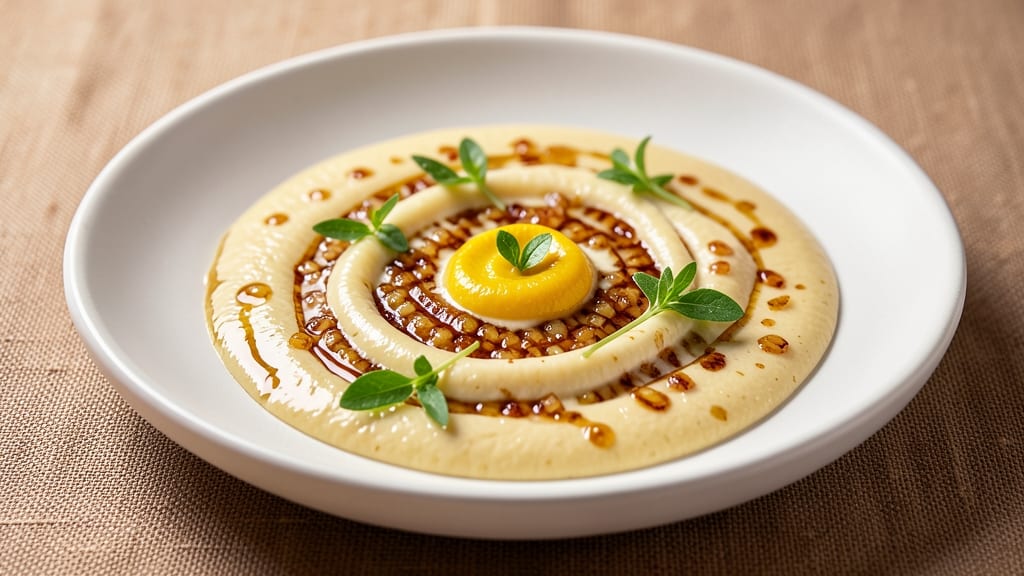
This Antiboise sauce recipe transforms simple pantry staples into a velvety, mustard-herb velouté that elevates French classics with every spoonful. The secret lies in reducing white wine to concentrate its bright acidity before blending it with Dijon mustard and fresh herbs—tarragon and parsley—for a complex, aromatic finish.
What sets this sauce apart is its perfect balance: creamy yet light, tangy yet rich, and smooth enough to coat delicate fish or tender chicken without overpowering them.
The process begins with gently cooking shallots in butter until translucent, then deglazing with white wine to create a fragrant base. As the wine reduces, it transforms into a glossy, flavorful liquid that forms the foundation of the sauce.
Adding cream and mustard creates an emulsified texture that’s luxuriously smooth, while fresh herbs infuse it with bright, herbal notes. The result is a sauce that’s versatile enough for weeknight dinners but refined enough for special occasions.
What makes this Antiboise sauce truly special is its ability to transform ordinary dishes into restaurant-quality meals. The velvety consistency clings to proteins like poached salmon or roasted chicken, while the subtle mustard and tarragon flavors add depth without dominating.
It also pairs beautifully with steamed vegetables or mashed potatoes, making it a versatile addition to any French-inspired menu.
Once made, this sauce keeps well in the refrigerator for up to 5 days, allowing you to prepare it ahead for stress-free cooking. For best results, reheat gently on the stove, stirring constantly to maintain its silky texture.
Whether you're serving it over a classic sole meunière or drizzling it over a simple gratin, this sauce delivers the kind of elegance that makes every bite feel like a taste of France.
Ingredients for antiboise sauce
Simple French pantry staples that transform into restaurant-quality velouté sauce.
| Ingredient | Amount | Notes |
|---|---|---|
| Unsalted Butter 🧈 | ½ cup | Cold, cubed for even cooking |
| Shallots 🧅 | ½ cup | Finely chopped, about 4-5 whole |
| Dry White Wine 🍷 | 1 cup | Bold, dry variety like Sauvignon Blanc |
| Heavy Cream 🥛 | 1 cup | Full-fat for best texture |
| Dijon Mustard 🌶️ | 1 tbsp | High-quality, smooth Dijon |
| Fresh Tarragon 🌿 | ¼ cup | Chopped, stems removed |
| Fresh Parsley 🌿 | ⅛ cup | Chopped, flat-leaf preferred |
| Salt 🧂 | ½ tsp | Diamond Crystal preferred |
| Ground Black Pepper 🌶️ | ¼ tsp | Freshly ground preferred |
The butter and shallots are your flavor foundation—don't rush this step. European-style unsalted butter (like Plugrá) melts beautifully and adds richness. Shallots should be finely chopped—almost like a paste—for even cooking. Trader Joe's has pre-minced shallots if you're short on time, but fresh is always better. For the white wine, grab whatever bold, dry variety you like—Sauvignon Blanc or Pinot Grigio work perfectly. Avoid sweet wines; you want that bright acidity to shine through. The key here is patience: let the wine reduce until it's syrupy and concentrated—about half the original volume.
No heavy cream? Half-and-half works in a pinch, but the sauce will be lighter. Out of Dijon mustard? Whole-grain mustard thinned with a splash of wine gets you close, though the texture won't be as smooth. Fresh herbs are ideal, but dried tarragon at one-quarter the amount (and dried parsley at half) will do if needed. The parsley adds brightness, so don't skip it entirely. For extra depth, a pinch of lemon zest at the end elevates the whole sauce. If you're making this ahead, the flavors actually improve overnight—just stir in the herbs fresh before serving.
This sauce keeps beautifully in the fridge for 5 days, sealed in an airtight container with a thin layer of oil on top to preserve the color. For longer storage, freeze in ice cube trays—perfect for single servings later. Reheat gently on low heat, stirring constantly to prevent curdling. It reheats best with a splash of warm water or cream to restore its silky texture. Leftovers? Drizzle over anything from poached fish to roasted chicken—it's that versatile. And if you make extra, freeze portions for up to 3 months—future you will thank present you.
Why You'll Love This Recipe
- Foolproof Simplicity: I swear, this sauce takes five minutes of active work—just melt butter, toss in shallots, deglaze with wine, and stir in cream. No chopping mountains of garlic, no straining herbs, no waiting for anything to reduce for hours. The kind of recipe where you can actually breathe while cooking.
- Rich Without Effort: That first sip of wine hitting the pan? Instant magic. The shallots caramelize just enough to add depth, the Dijon mustard cuts through the creaminess, and the butter ties it all together like a warm hug. It’s creamy but not heavy, tangy but not sour—honestly, it’s the kind of sauce that makes you pause mid-bite and think, "Wait, I made this?"
- Weeknight Superhero: I keep this in my back pocket for everything—pasta, roasted chicken, even grilled fish. It’s fancy enough for date night (because who doesn’t want to drizzle wine-infused cream on their meal?) but casual enough for a Tuesday when you’re too tired to think. Plus, it reheats like a dream—no graininess, no sad textures.
- Leftovers That Don’t Suck: Between us, most sauces turn into glue after day two. Not this one. The butter and cream keep it silky, and the acidity from the wine actually improves with a little time. I’ll make a double batch for dinner, then use the leftovers the next day on toast or eggs—zero waste, zero regret. (Yes, even on a Tuesday.)
Step-by-step instructions for antiboise sauce
This velvety mustard-herb sauce comes together with simple techniques and bold French flavors.
Sauté Shallots Until Transparent
Melt the 0.5 cup unsalted butter in a medium saucepan over medium-low heat. Add the 0.5 cup finely chopped shallots and cook for 8-10 minutes, stirring occasionally, until completely soft and golden translucent. This gentle cooking prevents burning while developing sweetness.
I like to press down on the shallots with a wooden spoon occasionally—this helps them render their moisture evenly. If they start to brown too quickly, reduce the heat slightly. The goal is silky texture, not color. Once translucent, you're ready for the next step without any lingering raw taste.
Deglaze with White Wine
Pour in the 1 cup dry white wine and increase heat to medium. Let it simmer for 3-4 minutes until reduced by about half and the alcohol smell dissipates completely. This deglazing step captures all the fond from the pan—those browned bits packed with flavor.
Here's the thing—don't rush this reduction. You'll know it's ready when the sauce coats the back of a spoon and the wine's sharpness mellows into a subtle background note. If it reduces too quickly, lower the heat slightly to prevent scorching.
Build the Velouté Base
Reduce heat to low and gradually whisk in the 1 cup heavy cream. Add the 1 tbsp Dijon mustard and 0.5 tsp salt while stirring constantly to prevent curdling. Let the mixture simmer gently for 5-6 minutes until slightly thickened but still pourable.
This is where the sauce transforms from simple to sophisticated. The mustard adds depth while the cream creates that signature French velouté texture. Stir occasionally to prevent skin formation—if it starts to thicken too much, add 1-2 tablespoons water to adjust consistency.
Finish with Fresh Herbs
Remove the pan from heat and stir in the 0.25 cup chopped fresh tarragon and 0.125 cup chopped fresh parsley. Add the 0.25 tsp ground black pepper and let the sauce steep for 5 minutes off the heat. This resting period allows the herbs to infuse their bright flavors without overpowering.
For best results, strain the sauce through a fine-mesh sieve if you prefer ultra-smooth texture, or leave it slightly textured for rustic character. The herbs should brighten the sauce while maintaining its creamy richness—this balance is what makes antiboise truly special.
Adjust and Serve
Taste and adjust seasoning if needed—you might need a touch more salt or pepper to balance the wine's acidity. The sauce should coat the back of a spoon but remain silky, not gluey. For serving, gently reheat over low heat if needed, adding 1 tablespoon water at a time to maintain consistency.
This sauce pairs beautifully with roasted chicken, fish fillets, or even as a luxurious pasta topping. The mustard and tarragon combination gives it that classic French bistro character while remaining approachable for home cooking. Keep it warm until serving to maintain its velvety texture.
Pro Tips For Making Antiboise Sauce
- Sweat Shallots Slow: I used to rush this step and end up with bitter, watery shallots—don’t. Cut them into even ¼-inch slices and cook them in butter over medium-low heat for 8-10 minutes, stirring occasionally, until they’re golden and just starting to caramelize. This is where the flavor builds, so don’t skip the patience.
- Use Cold Cream: Heavy cream straight from the fridge blends smoother and doesn’t scald when you add it to the wine-butter mixture. I learned this after one lumpy batch—just let it sit out for 10 minutes if you’re in a rush, but don’t heat it first. Cold cream also thickens more predictably.
- Deglaze Hot Pan: Add the white wine to the pan immediately after removing the shallots—while the butter’s still shimmering. The residual heat helps the wine reduce faster and pulls out more flavor from the browned bits. If you wait, you’re basically making sad, watery sauce.
- Mustard Last: Whisk in the Dijon mustard after the sauce has thickened slightly, not at the beginning. This keeps it from cooking raw and turning bitter. A quick taste test here tells you if it needs more—start with 1 teaspoon and adjust, because some mustards are stronger than others.
Pro cooking tips for antiboise sauce
Master the Wine Reduction
This is where the magic happens—reducing the wine properly transforms sharp acidity into a velvety base. Use a medium saucepan (not stainless steel, which can react with wine) and bring the 1 cup dry white wine to a gentle simmer over medium heat.
Let it reduce by half (about 3-4 minutes), stirring occasionally to prevent scorching. The key is patience: the wine should smell like concentrated fruit, not alcohol. I recommend using a Sauvignon Blanc—its bright citrus notes complement the mustard beautifully. 🍷
If your wine reduces too quickly, lower the heat immediately to avoid burning. The sauce should coat the back of a spoon when finished—this is your cue it's ready. For extra depth, deglaze the pan with a splash of white wine vinegar (just 1 tsp) after removing from heat.
This adds another layer of complexity without altering the texture.
Emulsify Like a Pro
The secret to a silky antiboise sauce lies in proper emulsification when adding the 1 cup heavy cream. Reduce heat to low and whisk constantly while pouring in the cream—this prevents curdling. The 1 tbsp Dijon mustard acts as a natural emulsifier, so don't skip it.
If the sauce starts to thicken too much, add 1-2 tablespoons water to restore its velvety consistency. I like to use a handheld immersion blender for 10 seconds if I notice any separation—this ensures a perfectly smooth finish.
For an even more refined texture, strain the sauce through a fine-mesh sieve after adding the herbs. This removes any herb stems while keeping the vibrant flavors. If you prefer a rustic texture, simply stir in the herbs and let them steep for 5 minutes off the heat.
The choice is yours—both methods work beautifully.
Herb Infusion Tricks
Fresh herbs are non-negotiable for authentic flavor. Chop the 0.25 cup tarragon and 0.125 cup parsley finely—this ensures even distribution throughout the sauce. I like to use a chef's knife for tarragon (its long leaves can be stubborn) and a microplane for parsley stems (they're packed with flavor!).
Add the herbs off the heat and let the sauce steep for 5 minutes—this allows their aromatic oils to infuse without overpowering the delicate cream base.
Pro tip: If you're making this sauce ahead, add the herbs fresh before serving. This keeps their vibrant flavors at their peak. For extra brightness, finish with a pinch of lemon zest—it cuts through the richness and adds a refreshing note.
The herbs should enhance, not dominate—they're the supporting actors in this French bistro star.
Temperature Control
Heat is your enemy when making antiboise sauce. Always maintain low to medium-low heat throughout the process to prevent curdling or scorching. The sauce should never boil—just simmer gently.
If you see skin forming on top, simply stir it out or add a small splash of water to break it up. I recommend using a thermometer to monitor the temperature: keep it below 180°F at all times to preserve the sauce's delicate texture.
When reheating leftovers, use low heat and stir constantly. If the sauce thickens too much, add 1 tablespoon water or cream at a time until it reaches the perfect pourable consistency.
The goal is to maintain that silky, velvety texture that makes antiboise so special. Never microwave this sauce—it will break the emulsion and ruin the texture.
Nutrition facts
Frequently asked questions
Can I substitute white wine with something else?
Yes! If you don't have white wine, use 1 cup dry white grape juice or apple cider vinegar mixed with 1 tsp sugar for acidity. For a non-alcoholic version, chicken or vegetable stock works too—just add 1 tsp lemon juice to brighten the flavor. Avoid sweet wines or juices, as they'll make the sauce taste cloying instead of balanced.
Why did my sauce separate?
Sauce separation usually happens from too much heat or rapid temperature changes. To fix it, whisk in 1 tablespoon cold water or heavy cream while stirring constantly over low heat. For prevention, always add cream gradually while whisking vigorously, and keep heat at low-medium—never let it boil. A splash of lemon juice can also help re-emulsify.
What's the best way to store leftovers?
Store in an airtight container with a thin layer of oil on top to preserve color and freshness. It keeps for 5 days in the fridge or 3 months in the freezer. For freezing, portion into ice cube trays first—thaw in the fridge overnight. Always reheat gently over low heat, stirring constantly, and add 1 tbsp water if needed to restore texture.
Can I make this sauce dairy-free?
Replace the 1 cup heavy cream with 1 cup full-fat coconut milk (for richness) or cashew cream (blend 1 cup soaked cashews with 1 cup water). Use vegan butter instead of regular butter, and ensure your mustard is dairy-free. The texture will be slightly lighter but still velvety. For extra body, add 1 tbsp nutritional yeast at the end.
What's the difference between antiboise and béarnaise?
Antiboise is a white wine-based velouté with mustard and herbs, while béarnaise is a tarragon-infused hollandaise made with egg yolks and butter. Béarnaise is richer and more emulsified, while antiboise is lighter and creamier. Both use tarragon, but antiboise includes Dijon mustard for tang. Think of antiboise as a cooler, wine-forward cousin of béarnaise—perfect for delicate fish or poultry.