
Sauces & Condiments
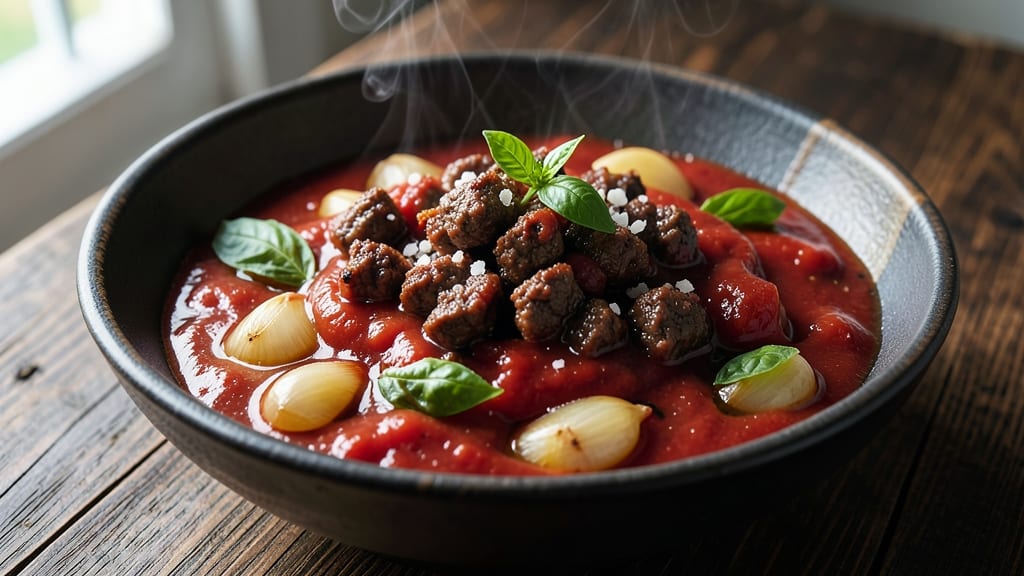
Angelo's spaghetti sauce delivers the deep, meaty, umami-rich flavor that transforms simple spaghetti into a restaurant-worthy meal. This slow-simmered sauce builds layers of complexity through caramelized onions, browned ground beef, and a blend of dried and fresh herbs—just like Nonna used to make. The secret lies in patience and balance, letting the flavors meld over hours rather than minutes.
What sets this sauce apart is its perfect harmony of sweet and savory notes, achieved by cooking the tomatoes until they break down into a velvety consistency. The garlic and herbs infuse the sauce with aromatic depth, while a splash of red wine adds brightness.
Unlike quick sauces, this one develops rich, caramelized undertones that make every bite unforgettable.
The result is a sauce so flavorful it elevates even the simplest pasta dish into something extraordinary. Whether you're serving it with spaghetti, meatballs, or crusty bread, this sauce will become your new go-to for weeknight dinners.
The best part? It tastes even better the next day, making it perfect for meal prep.
With just a few simple ingredients and a little time, you'll create a sauce that tastes like it's been simmering all day. The key is letting the flavors develop naturally—no shortcuts, just pure, old-school Italian-American comfort. Let's get started on making this timeless classic.
Ingredients for angelo's spaghetti sauce
These simple staples transform into Nonna's legendary slow-simmered spaghetti sauce
| Ingredient | Amount | Notes |
|---|---|---|
| Ground Beef 🥩 | 1 ½ lb | 80% lean for best flavor |
| Yellow Onions 🧅 | 2 whole | Medium size, finely chopped |
| Garlic Cloves 🧄 | 4 cloves | Fresh, minced for aroma |
| Canned San Marzano Tomatoes 🍅 | 28 oz | Crushed or whole, high quality |
| Red Wine 🍷 | ½ cup | Bold dry variety like Cabernet |
| Tomato Paste 🍅 | 2 tbsp | Smooth, no sugar added |
| Fresh Basil Leaves 🌿 | ½ cup | Packed, chopped for freshness |
| Dried Oregano 🍃 | 1 tsp | Italian preferred, not Mexican |
| Dried Basil 🌿 | ½ tsp | For depth when fresh isn't available |
| Salt 🧂 | 1 ½ tsp | Diamond Crystal preferred |
| Black Pepper 🌶️ | ½ tsp | Freshly cracked for heat |
| Olive Oil 🫒 | 2 tbsp | Extra-virgin for richness |
| Sugar 🍬 | 1 tsp | Balances acidity slightly |
The beef and tomatoes are the heart of this sauce. Ground chuck gives the best texture—leaner ground beef stays tough. For tomatoes, San Marzano cans from Italy are worth the splurge—they're sweeter and smoother. If you can't find them, any high-quality crushed tomatoes will do. The onions and garlic? Yellow onions caramelize beautifully, and fresh garlic is non-negotiable here. I always grab mine from Whole Foods or the Italian market—they've got the freshest cloves. Pro tip: Let the onions cook low and slow until they're deep golden brown—this builds so much flavor.
No red wine? Substitute with beef broth plus a splash of balsamic vinegar—it gives that same depth. Fresh basil is ideal, but dried basil at half the amount works in a pinch. The tomato paste? Trader Joe's has the best squeeze tubes—no waste, lasts forever. Want more umami? Add a teaspoon of fish sauce (trust me, you won't taste it). The sugar balances the acidity—don't skip it, but if you're avoiding sugar, reduce the tomatoes by 2 oz instead. For the herbs, if you've got fresh thyme, toss in a sprig or two with the basil.
This sauce tastes even better the next day—honestly, 3-4 days in the fridge is perfect. Portion it into glass jars for easy reheating. Freezes beautifully for up to 6 months—just thaw overnight in the fridge. I make double batches all the time. The first batch gets used up, and the second becomes my emergency meal prep sauce. Store it in the coldest part of your fridge to keep the flavors vibrant longer. And if you're serving with pasta? Save the pasta water—it's liquid gold for tossing.
Why You'll Love This Recipe
- One-Pan Magic: I swear by this—just brown the beef, toss in onions and garlic, then dump in the tomatoes and wine. No chopping, no fuss, and you’re left with a sauce that smells like a Sunday dinner by 6 PM.
- Wine-Infused Depth: That splash of red wine? It’s not just for flavor—it cuts through the richness of the beef and makes the tomatoes sing. The San Marzano tomatoes add sweetness, but the wine? That’s the secret to the layers of taste.
- Weeknight to Party: Same sauce, endless uses. Slap it on spaghetti for a quick weeknight meal, or ladle it over polenta for a fancy dinner. Even my picky college-aged nephew doesn’t complain when it’s on the table.
- Leftovers That Last: Make a big batch—it freezes like a dream and tastes even better the next day. I’ve reheated this sauce for lunch for days, and it’s still the star of the meal. Budget-friendly, crowd-pleasing, and zero waste.
Step-by-step instructions for slow-simmered umami spaghetti sauce
Here's how to build Angelo's rich, layered sauce that develops deep flavor over time.
Brown the Ground Beef for Maximum Flavor
Heat a large Dutch oven over medium-high heat and add the 2 tablespoons olive oil. Once shimmering, add the 1.5 lb ground beef in batches, breaking it up with a wooden spoon as it cooks. Let it brown undisturbed for 3-4 minutes until the edges crisp slightly—this creates those beautiful caramelized bits that form the sauce's foundation.
Once the beef is fully browned (about 8-10 minutes total), drain all but 2 tablespoons of the rendered fat from the pot. This small amount of fat will help build the sauce's richness. Real talk: Skipping this browning step means you'll miss out on that deep, meaty umami flavor that makes this sauce special.
Sauté Aromatics Until Fragrant
Add the 2 whole yellow onions and 4 cloves garlic cloves to the Dutch oven. Cook over medium heat for 8-10 minutes, stirring occasionally, until the onions are soft and translucent with just a hint of golden color. You'll know they're ready when the garlic releases its signature aroma—this is when the sauce starts building its aromatic complexity.
Here's the thing—don't rush this step. The onions need time to caramelize slightly, which adds sweetness that balances the acidity of the tomatoes. If they start to brown too quickly, reduce the heat slightly. I've found that patience here makes all the difference in the final flavor profile.
Deglaze and Build the Base
Pour in the 0.5 cup red wine and scrape up all those delicious browned bits from the bottom of the pot with a wooden spoon. This deglazing step captures all the meaty flavors that would otherwise burn. Let the wine simmer for 3-4 minutes until it reduces by about half—you'll see the alcohol burn off and what remains is a rich, wine-infused base for your sauce.
Next, stir in the 2 tablespoons tomato paste and cook for 1 minute to toast its flavors slightly. This step deepens the sauce's color and adds a concentrated tomato flavor that carries through the entire cooking process. The paste will darken the sauce beautifully and create that glossy finish we all love.
Simmer with Tomatoes and Seasonings
Add the 28 oz canned San Marzano tomatoes, breaking them up with your spoon if they're whole. Stir in the 1 tsp dried oregano, 0.5 tsp dried basil, 1.5 tsp salt, 0.5 tsp black pepper, and 1 tsp sugar. Bring the mixture to a gentle simmer over medium-low heat—this is where the magic happens.
Let the sauce simmer uncovered for 45-60 minutes, stirring occasionally. You're looking for a thick, syrupy consistency with flavors that meld together beautifully. The sauce should reduce enough to coat the back of a spoon but still have some body. If it gets too thick too quickly, add a splash of water or a little pasta water later in the cooking process.
Finish with Fresh Basil and Rest
After simmering, stir in the 0.5 cup fresh basil leaves and cook for an additional 5 minutes. The fresh basil adds a bright, aromatic finish that cuts through the richness of the meat and tomatoes. Taste and adjust the seasoning if needed—you might want to add a pinch more salt or a crack of black pepper to balance the flavors.
Remove the sauce from heat and let it rest for 10-15 minutes. This resting period allows all the flavors to fully meld together. The sauce will thicken slightly as it cools, which is perfect for tossing with al dente spaghetti. Serve immediately over your favorite pasta and watch how this sauce transforms a simple meal into something extraordinary.
Pro Tips For Making Angelo'S Spaghetti Sauce
- CRISP THE ONIONS FIRST: Slice your yellow onions paper-thin and cook them in olive oil over medium heat until they’re golden brown—almost caramelized—before adding anything else. I used to rush this step, but taking the 8-10 minutes to get them deep brown adds a sweet, rich depth that cuts through the acidity of the San Marzano tomatoes. (Yes, even if you’re impatient like me, resist the urge to speed this up.)
- DEGLAZE WITH WINE IMMEDIATELY: As soon as you remove the onions, pour in that red wine right away—don’t let the beef brown too long afterward. The wine’s job is to lift up all the fond (those sticky bits) from the pan, and if you let the beef cook too much first, you’ll lose flavor. I learned this the hard way when my sauce tasted flat.
- CRUSH TOMATOES BY HAND: Drain the San Marzano tomatoes but don’t skip crushing them with your fingers or a wooden spoon—even if the can says “crushed.” Whole chunks take forever to break down, and you’ll end up with a sauce that’s still chunky after hours of simmering. My grandmother swore by this, and she was right: it melts into a silky texture.
- SIMMER LOW AND LONG: After everything’s combined, reduce the heat to the lowest setting you can tolerate and let it bubble gently—not a rolling boil—for at least 45 minutes. I was skeptical until I tried it: the flavors meld together instead of fighting, and the acidity mellows out. (Your future self will thank you for not rushing this.)
Perfect pairings for this dish
Classic Italian Bread
Nothing complements Angelo’s rich sauce like warm, crusty Italian bread. I love using a ciabatta loaf from Trader Joe’s—it’s perfect for soaking up the sauce while adding a satisfying chew.
For homemade, try a simple no-knead dough baked at 450°F for 20-25 minutes. Tear it into chunks and serve alongside your pasta for a rustic touch. 🥖
Garlic Butter Roasted Mushrooms
Earthy mushrooms add a luxurious contrast to the meaty sauce. Slice 8 oz cremini mushrooms and toss them with 2 tbsp olive oil, 3 minced garlic cloves, 1 tsp fresh thyme, and ½ tsp salt.
Roast at 400°F for 15-20 minutes until golden. The umami from the mushrooms will harmonize beautifully with the sauce’s depth.
Fresh Arugula Salad
A bright, peppery salad cuts through the richness of the sauce. Toss 4 cups baby arugula with 2 tbsp extra-virgin olive oil, 1 tbsp lemon juice, and a pinch of flaky sea salt.
Top with ¼ cup shaved Parmesan for a salty crunch. This simple side keeps the meal balanced and refreshing.
Crispy Garlic Breadsticks
For a shareable appetizer, bake homemade breadsticks brushed with garlic butter (mix ½ cup softened butter with 2 minced garlic cloves and 1 tbsp parsley). Bake at 375°F for 12-15 minutes until golden and crisp. Serve warm with extra sauce for dipping—it’s a crowd-pleaser! 🍞
Wine Pairings
A bold Chianti Classico or Montepulciano d’Abruzzo complements the sauce’s meaty, tomato-forward flavors. For a lighter option, try a Pinot Noir—its bright acidity balances the richness. Avoid heavy reds like Cabernet Sauvignon, which can overpower the dish. Cheers to a perfect pairing! 🍷
Cheesy Polenta
Creamy polenta adds a comforting, hearty element. Cook 1 cup polenta in 4 cups chicken broth until thick, then stir in ½ cup grated Parmesan and 2 tbsp butter.
Serve as a side or even a base for leftovers. The mild sweetness of polenta contrasts the sauce’s acidity beautifully. ⚡
Nutrition facts
Frequently asked questions
Can I substitute ground beef with another protein?
For a lighter option, use ground turkey or Italian sausage (remove casings). If you prefer vegetarian, swap the beef for mushrooms or lentils—just increase the tomato paste to 3 tbsp for depth. The key is browning your protein first to build flavor.
Why does my sauce taste too acidic?
Acidity comes from uncooked tomatoes or too much wine. Balance it by adding 1 tsp sugar or ½ tsp baking soda (just a pinch!) to neutralize. Simmer uncovered for 10 extra minutes to let the flavors meld—this reduces acidity naturally.
How do I make this sauce thicker or thinner?
For thicker sauce, simmer uncovered longer or mash 1-2 cooked tomatoes with a fork. Too thin? Stir in 1 tbsp tomato paste or simmer 5 more minutes to reduce. Pro tip: Save ½ cup pasta water—it’s perfect for adjusting consistency at the end.
Can I make this sauce in a slow cooker?
Yes! Brown the beef and sauté onions/garlic first, then transfer everything to a 6-quart slow cooker. Cook on low for 6-8 hours or high for 3-4 hours. Stir occasionally and add water if needed. The slow cooker enhances the sauce’s tenderness—just add fresh basil at the end.
What’s the best way to freeze leftover sauce?
Cool the sauce completely, then portion into airtight glass jars or freezer bags. Label with the date—it keeps for up to 6 months. Thaw overnight in the fridge, then reheat gently on the stove. Never refreeze thawed sauce. For quick reheating, add 1 tbsp water** per cup of sauce to prevent drying out.