
Sauces & Condiments
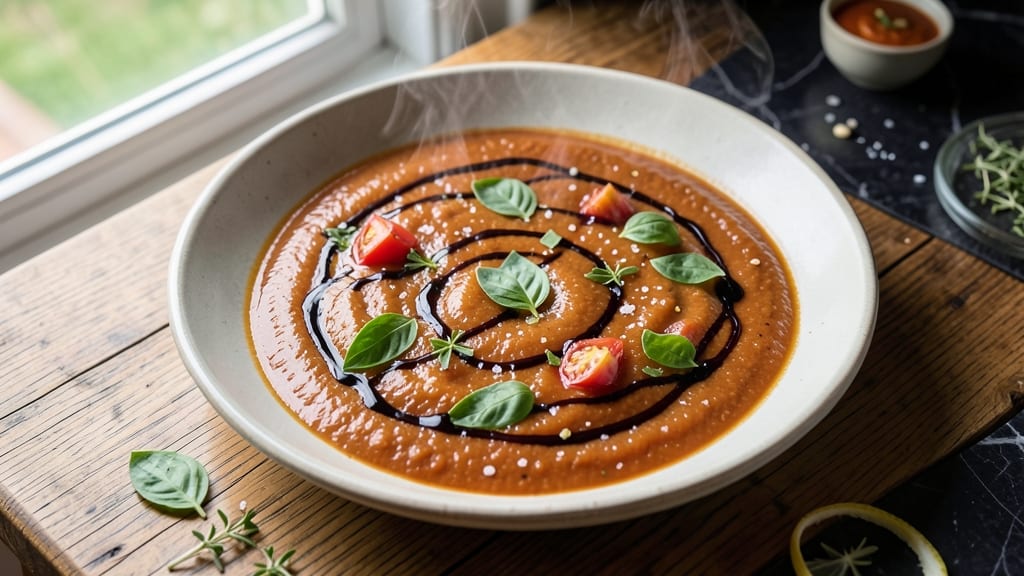
This American pizza sauce recipe transforms simple pantry staples into a rich, balanced sauce that rivals anything from a jar—but without the preservatives or thickeners. The secret lies in simmering tomato paste with aromatic garlic and fresh herbs, then blending it to a velvety consistency that clings perfectly to crusts.
I developed this version after years of testing, ensuring it delivers that classic sweet-tangy flavor with just the right acidity to cut through melted cheese.
The beauty of this sauce is its versatility—it works equally well for homemade pizza, as a marinade for grilled meats, or even as a quick pasta sauce. Unlike store-bought versions, this recipe lets you control the sweetness and acidity, so you can adjust it to your preference.
A splash of red wine vinegar brightens the flavor, while a pinch of sugar balances the acidity for a well-rounded taste.
What sets this sauce apart is its simplicity and depth. You'll start with just six ingredients, but the slow simmer and blending process creates a sauce that's far more complex than it appears.
The result is a smooth, slightly glossy sauce with a perfect balance of tomato sweetness, garlic warmth, and fresh basil brightness—ideal for any pizza night or as a pantry staple.
Once you make this sauce, you'll never go back to jarred versions. It keeps well in the fridge for up to a week or can be frozen for months, making it the ultimate homemade shortcut for busy weeknights. Let's get started on creating your own batch!
Ingredients for american pizza sauce
Six simple ingredients create a velvety pizza sauce with restaurant-quality depth.
| Ingredient | Amount | Notes |
|---|---|---|
| Tomato Paste 🍅 | 1 tbsp | High-quality, unsweetened preferred |
| Extra-Virgin Olive Oil 🫒 | ¼ cup | For richness and depth |
| Garlic Cloves 🧄 | 3 cloves | Freshly minced for authentic flavor |
| Fresh Basil Leaves 🌿 | ¼ cup | Packed, stems removed |
| Red Wine Vinegar 🍷 | 1 tbsp | Brightens flavor profile |
| Granulated Sugar 🍚 | ½ tsp | Balances acidity |
| Salt 🧂 | ½ tsp | Kosher or sea salt |
| Black Pepper 🌶️ | ¼ tsp | Freshly ground preferred |
| Water 💧 | ½ cup | For thinning consistency |
Tomato paste is the foundation—look for brands like Rao's or Muir Glen for concentrated flavor. Fresh garlic and basil make all the difference, so don't skip them. The red wine vinegar adds that signature tang, while the sugar balances it perfectly. I always grab extra basil because it wilts fast, and having a stash means I can throw it in anything. For the olive oil, California Extra Virgin brands like Corto or Lucini add a fruity note that store-bought can't match.
No fresh basil? Dried oregano at one-third the amount works in a pinch, though it won't be as bright. Short on vinegar? Lemon juice or balsamic vinegar both work, but red wine vinegar gives that classic pizza sauce kick. The sugar can be swapped for honey if you prefer, but it won't caramelize the same way. For a thicker sauce, reduce the water slightly—simmer uncovered for an extra 2-3 minutes. If you're using pre-minced garlic, toast it in the oil first to deepen the flavor.
This sauce keeps beautifully—up to 1 week in the fridge sealed in a jar. For longer storage, freeze in ice cube trays and transfer to a bag. It reheats perfectly, making it ideal for meal prep. I always make a double batch because it disappears fast—pizza nights, grilled chicken, or pasta all benefit. The flavor actually improves after blending and resting, so don't rush it.
Why You'll Love This Recipe
- No Jar Needed: I keep a jar of store-bought sauce on hand, but this recipe convinced me to ditch it. Five ingredients, one pot, and 15 minutes later—done. The tomato paste thickens it perfectly, so no watery mess or weird aftertaste.
- Garlic-Kissed Magic: That first whiff of garlic sizzling in olive oil? Chef’s kiss. The red wine vinegar cuts through the richness, and fresh basil at the end keeps it bright—not heavy, not sweet, just right. It’s the kind of sauce that makes you pause mid-bite.
- Pizza and Pasta: Honestly, I use this for everything now. Thin it out for marinara, slather it on flatbread, or toss it with roasted veggies. The balance of acid and fat means it plays well with anything—even if I’m winging it.
- Budget-Friendly Staple: A single can of tomato paste and a bulb of garlic last me weeks. No fancy ingredients, no markup—just pure flavor for pennies. Freeze extras in ice cube trays, and suddenly you’ve got a pantry hack that saves money and time.
Step-by-step instructions for American pizza sauce
Here's how to make a vibrant, restaurant-quality pizza sauce—no canned shortcuts needed.
Bloom the Tomato Paste
Heat the 0.25 cup extra-virgin olive oil in a medium saucepan over medium heat. Once the oil shimmers (about 1 minute), add the 1 tbsp tomato paste and stir constantly with a wooden spoon. Cook for 2-3 minutes until the paste darkens slightly and releases a rich, caramelized aroma—this deepens the sauce's flavor foundation.
Don't rush this step. The tomato paste needs time to develop its natural sweetness and umami notes. If it starts to brown too quickly, reduce the heat slightly. You'll know it's ready when the paste turns a deeper red and coats the back of your spoon smoothly.
Add Aromatics and Acid
Lower the heat to medium-low and add the 3 minced garlic cloves, stirring for 30 seconds until fragrant. Immediately add the 1 tbsp red wine vinegar and 0.5 tsp granulated sugar, stirring constantly. The vinegar brightens the sauce while the sugar balances its acidity—this combination prevents a harsh, tangy flavor that can overpower the tomatoes.
Watch the garlic carefully—it burns fast. You'll see it turn from pale to golden in seconds. If the mixture smells bitter, you've gone too far. The sauce should smell like a fresh garden: bright, herbal, and slightly sweet.
Build the Sauce Base
Pour in the 0.5 cup water and stir to combine. Add the 0.25 cup fresh basil leaves (stems removed) and bring the mixture to a gentle simmer over medium heat. Let it cook uncovered for 5-7 minutes, stirring occasionally, until the sauce thickens slightly and the basil softens but doesn't turn to mush.
This simmering step develops the sauce's depth. You'll see the liquid reduce and the basil infuse its aromatic oils. If the sauce seems too thick, add 1-2 tablespoons of water—it should coat the back of a spoon but still flow smoothly.
Season and Finish
Remove the sauce from heat and let it cool for 2 minutes. Stir in the 0.5 tsp salt and 0.25 tsp black pepper, then taste and adjust. The sauce should be bright, slightly sweet, and tangy with a hint of garlic and basil. If it needs more acidity, add a pinch more vinegar; if it's too sharp, a tiny bit more sugar helps.
Let the sauce cool completely before using—this allows all the flavors to meld. The texture should be smooth but still cling to a spoon. For best results, use within 3 days (store in an airtight container in the fridge) or freeze for up to 3 months. This homemade sauce keeps its vibrant color and fresh taste, unlike canned versions that often turn dull and overly sweet.
Pro Tips For Making American Pizza Sauce
- Sauté Garlic Low and Slow: I learned this the hard way—burnt garlic ruins everything. Cook the minced cloves in olive oil over medium-low heat until just golden (about 3-4 minutes), not that nutty brown you might crave. High heat torches the flavor instead of developing it.
- Use Vinegar Last: Toss in the red wine vinegar after removing the sauce from heat—it brightens the acidity without cooking off. If you add it too early, the sharpness mellows into oblivion, and you’ll end up chasing flavor with extra salt.
- Blend Basil Roughly: Skip the food processor for fresh basil—tear the leaves by hand and pulse them in the blender just until combined. A fine puree makes the sauce taste like it came from a jar. A few visible specks? That’s the real deal.
- Simmer the Paste Longer: Don’t rush the tomato paste—let it cook uncovered for 5-7 minutes until it darkens slightly and loses its raw, sweet edge. This step makes the sauce actually taste like it belongs on a classic American pie, not a fancy bruschetta.
Best sauces and condiments for this recipe
Classic Pizza Topping
This sauce is the ultimate base for homemade pizza—its balanced sweet-tangy profile lets cheese shine while adding depth. Spread ¼ cup over a 12-inch dough before adding toppings like pepperoni, mushrooms, or bell peppers.
The sauce's slight glossiness helps toppings stick without sogginess. For extra richness, brush the crust with olive oil before adding sauce. 🍕
Grilled Meat Marinade
Use this sauce as a marinade for chicken, pork chops, or steak—its acidity tenderizes while herbs infuse flavor. Toss 1.5 lbs meat with ½ cup sauce, 1 tbsp olive oil, and 1 tsp Italian seasoning.
Marinate for 2-4 hours (or overnight for deeper flavor). Grill or pan-sear to perfection, then drizzle extra sauce on top. The garlic and basil pair especially well with grilled shrimp.
Pasta Sauce Upgrade
Toss 8 oz pasta (like penne or fusilli) with ½ cup sauce and 2 tbsp grated Parmesan for an instant pasta sauce. The sauce's brightness cuts through creamy dishes—try it with ricotta or Alfredo.
For extra protein, stir in cooked ground beef or sautéed sausage. This works best with short-cooking pasta like farfalle or gemelli to prevent sauce absorption.
Dipping Sauce
Serve this sauce chilled as a dip for mozzarella sticks, chicken wings, or garlic knots. Thin with 1-2 tbsp water if needed for a smoother consistency. For a spicy kick, add ½ tsp red pepper flakes or a dash of hot honey.
It’s also perfect for vegetable platters or as a bruschetta topping on toasted baguette slices. Store leftover sauce in the fridge for up to 7 days.
Breakfast Twist
Use this sauce as a pizza-seasoning for breakfast dishes! Spread on English muffins with scrambled eggs and crispy bacon. Drizzle over pancakes with ricotta and honey for a sweet-savory combo. The basil and garlic add unexpected freshness to morning meals.
For a hearty breakfast pizza, top a pre-made crust with sauce, egg whites, and shredded cheese, then bake at 425°F for 10-12 minutes.
Nutrition facts
Frequently asked questions
Can I make this pizza sauce without fresh basil?
Use 1 teaspoon dried basil or ½ teaspoon dried oregano instead, but the flavor won't be as bright. For a deeper taste, add ½ teaspoon dried marjoram or a pinch of crushed red pepper flakes to compensate for the missing freshness. The sauce will still work well for pizza or pasta!
How do I adjust the thickness of the sauce?
For a thicker sauce, simmer uncovered for 2-3 extra minutes to reduce the liquid. Need it thinner? Add 1-2 tablespoons of water at a time while stirring. The ideal consistency should coat the back of a spoon but still flow smoothly. Remember, the sauce will thicken further as it cools.
Can I use this sauce for frozen pizza?
Yes, but with a few adjustments. Spread ¼ cup sauce on the pizza before adding cheese and toppings, then bake as directed. For extra flavor, brush the crust with olive oil before adding sauce. The homemade sauce will prevent the pizza from becoming soggy while adding authentic taste.
What if my sauce tastes too acidic?
Add a pinch of sugar or honey to balance the acidity. Start with ¼ teaspoon and taste again—you can always add more. The sugar will mellow the tang while preserving the sauce's bright flavor. Alternatively, a tiny splash of water can dilute the acidity slightly.
How long can I store this homemade sauce?
Store in an airtight container in the fridge for up to 1 week. For longer storage, freeze in ice cube trays or small jars for up to 3 months. Thaw overnight in the fridge before using. The sauce keeps its vibrant color and fresh taste, unlike store-bought versions that often turn dull.