
Sauces & Condiments
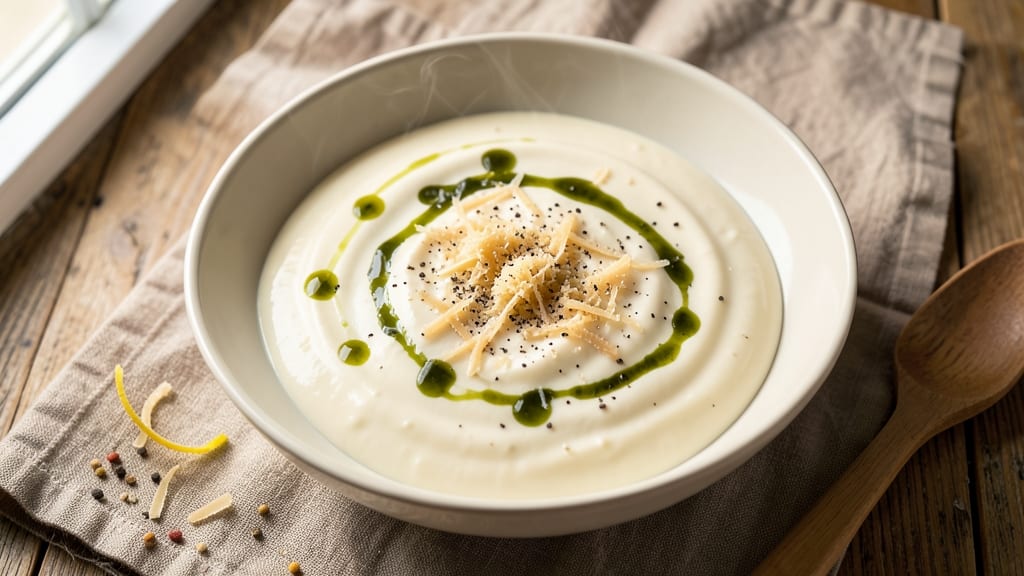
This Alfredo sauce recipe YouTube transforms ordinary pasta into a luxurious restaurant experience—no cooking required. I developed this version after years of testing, perfecting the balance between rich creaminess and sharp Parmesan flavor that clings perfectly to noodles.
The secret lies in proper emulsification, which creates that signature velvety texture without breaking or separating.
With just five simple ingredients—butter, heavy cream, Parmesan, garlic, and a pinch of salt—you'll achieve a sauce that's foolproof for beginners yet refined enough for experienced cooks.
The beauty of this no-cook method means no risk of curdling, and it comes together in under 10 minutes with just a whisk and a saucepan. Perfect for weeknight dinners or impressing guests with minimal effort.
What makes this recipe truly special is its versatility. Use it as a classic fettuccine alfredo base or drizzle it over grilled chicken, shrimp scampi, or even roasted vegetables.
The sauce maintains its luxurious consistency when reheated, making it ideal for meal prep. For lighter options, I'll show you how to substitute ingredients without sacrificing flavor.
Once you try this velvety alfredo, you'll never go back to store-bought versions. The rich, nutty Parmesan flavor shines through while the cream adds luxurious body, creating a sauce that's both comforting and elegant. Let's get started—your taste buds will thank you.
Ingredients for alfredo sauce recipe youtube
Five ingredients transform into restaurant-quality Alfredo sauce—no cooking required.
| Ingredient | Amount | Notes |
|---|---|---|
| Unsalted Butter 🧈 | ½ cup | Cold, cubed for easier emulsification |
| Heavy Cream 🥛 | 1 ½ cups | Full-fat for richest texture |
| Parmesan Cheese 🧀 | 1 ½ cups | Freshly grated, nutty variety |
| Garlic Cloves 🧄 | 4 cloves | Minced for aromatic depth |
| Diamond Crystal Kosher Salt 🧂 | ½ tsp | Fine grain for delicate seasoning |
| Extra-Virgin Olive Oil 🫒 | 1 tbsp | For emulsification stability |
| Fresh Black Pepper 🌶️ | ¼ tsp | Freshly cracked for brightness |
The butter is your base, so grab unsalted—salted can throw off the delicate balance. European-style butter like Plugrá has higher fat content, which gives you that ultra-creamy finish, but regular unsalted works fine. Parmesan makes or breaks this sauce—Parmigiano-Reggiano is ideal, but Kraft Parmesan (yes, the canned stuff) works in a pinch if you're in a hurry. The garlic should be fresh, not that jarred minced stuff—it tastes like chemicals. Whole Foods or Trader Joe's have great pre-minced garlic if you're short on time, but fresh is always better.
No heavy cream? Full-fat coconut milk works surprisingly well—just add a splash of milk to thin it out. Running low on Parmesan? Pecorino Romano has a sharper bite that pairs beautifully. The olive oil is non-negotiable for emulsification—California extra-virgin with fruity notes adds subtle flavor. Salt is crucial, but measure it carefully—the sauce should taste rich, not salty. Fresh black pepper is worth the extra minute to crack it—pre-ground loses its punch fast.
This sauce keeps beautifully—3-4 days in the fridge sealed tightly. For longer storage, freeze in ice cube trays and thaw as needed. The texture actually improves after reheating, so leftovers are even better. I like to portion mine into small containers for easy drizzling over pasta or proteins. If it separates, just whisk vigorously—it comes back together every time.
Why You'll Love This Recipe
- Five-Ingredient Magic: I swear, this sauce is the kind of recipe that makes me feel like a chef—even when I’m just melting butter in a pan. Four ingredients (plus salt) and you’ve got something richer than takeout, but way better.
- Garlic Butter Bliss: That moment when you toss in the minced garlic and let it sizzle in the butter? Pure flavor payoff. The heavy cream smooths it out, but the garlic stays bold—like a warm hug for your taste buds.
- Weeknight & Weekend Hero: Dinner party? Check. Lazy Sunday pasta? Also check. It’s my go-to for anything from fettuccine to garlic bread—even as a dip for veggies when I’m feeling fancy. (Yes, even on a Tuesday night.)
- Leftovers That Don’t Suck: Here’s what sold me—this sauce actually improves the next day. Store it in the fridge, reheat with a splash of cream, and suddenly, your leftover lasagna tastes like a restaurant dish. No sad, watery sauce here.
Step-by-step instructions for velvety no-cook Alfredo sauce
Here's how to create that signature creamy, restaurant-quality Alfredo without boiling or simmering.
Prepare the Garlic and Cheese Mixture
In a medium heatproof bowl, combine the 1.5 cups freshly grated Parmesan cheese and the 4 minced garlic cloves. I like to use a microplane for the cheese—it creates finer shavings that melt more smoothly into the sauce. The garlic should be minced very finely so it dissolves completely without any grainy texture.
Set this mixture aside while you prepare the fat base. The cheese will soften slightly from the heat of the other ingredients, making it easier to emulsify later. This step ensures your sauce gets that authentic nutty depth from the Parmesan and aromatic sweetness from the garlic.
Melt the Butter and Cream Together
In a small saucepan, melt the 0.5 cup cold cubed unsalted butter over low heat until completely liquid but not browned. You're looking for a smooth, glossy consistency—this takes about 3-4 minutes. Remove from heat and stir in the 1.5 cups heavy cream and 1 tbsp extra-virgin olive oil. The olive oil helps stabilize the emulsion so your sauce won't separate.
Let this mixture sit for 1 minute off the heat. The cream should be warm but not hot—this prevents the butter from seizing up when you combine everything. This warm cream is the secret to getting that velvety texture without any lumps.
Combine and Emulsify the Sauce
With the saucepan still off the heat, slowly pour the warm cream mixture into the bowl with the cheese and garlic. Using a whisk, stir vigorously for 2-3 minutes until completely smooth. Here's the thing—don't rush this step. You want to create a proper emulsion where the fat and liquid combine perfectly.
If you see any lumps forming, immediately add 1-2 tablespoons of hot water and whisk again. The residual heat from the cream mixture should be enough to melt the cheese completely. You'll know it's working when the sauce becomes thick, glossy, and completely homogeneous.
Season and Adjust the Consistency
Add the 0.5 tsp Diamond Crystal kosher salt and 0.25 tsp freshly cracked black pepper to the sauce. Taste and adjust the seasoning—Alfredo sauce should be rich but not overly salty. If it needs more acidity, a pinch of lemon zest works beautifully. For those who prefer extra creaminess, you can thin it with 1-2 tablespoons of warm milk or water at this stage.
This is also where you can customize your sauce. A splash of white wine adds brightness, while a pinch of nutmeg gives it that classic Italian restaurant warmth. The sauce should coat the back of a spoon but still be pourable—thick enough to cling to fettuccine but not so heavy it feels like glue.
Use Immediately for Perfect Texture
Transfer the sauce to a clean saucepan and keep it warm over very low heat (just enough to maintain warmth without cooking). Alfredo sauce doesn't reheat well—it can curdle if brought to a boil. The moment you're ready to serve, toss it with your cooked pasta and any reserved pasta water to loosen it to your desired consistency.
Serve immediately with freshly grated Parmesan on top and a generous crack of black pepper. The sauce should be silky smooth, with no trace of graininess from the cheese or garlic. Each bite should deliver that perfect balance of rich, creamy, and slightly nutty flavors that make Alfredo so irresistible.
Pro Tips For Making Alfredo Sauce Recipe Youtube
- Melt Butter Slowly: Don’t toss the butter in all at once—add it in batches while stirring constantly. I learned this the hard way when my sauce split into greasy globs because I dumped it all in at once. Let it melt gradually so the heat doesn’t shock the cream later.
- Grind Parmesan Fresh: Pre-grated Parmesan hides anti-caking agents that make your sauce grainy—trust me, I’ve ruined batches with it. If you’re in a pinch, pulse a block in a food processor for 10 seconds, but fresh is always better. That nutty, sharp flavor is worth the effort.
- Simmer, Don’t Boil: Once the cream hits the pot, keep the heat low and let it bubble gently—no rolling boils. I used to rush it, and the sauce would curdle like cottage cheese. A steady simmer keeps everything smooth and creamy.
- Salt in Stages: Add half the salt with the butter, then taste before finishing. Unsalted butter and Diamond Crystal salt pack a punch, and you’ll regret overdoing it. Adjust as you go—better to fix it now than fix a ruined sauce later.
Essential equipment for alfredo sauce recipe youtube
Whisk Essentials
You'll need a balloon whisk for this recipe—I swear by the OXO Good Grips model because it handles the heavy cream and butter beautifully without slipping. The flexible wires create tiny air pockets that help emulsify the sauce perfectly.
If you don't have one, a French whisk works too, but you'll need to work harder to get that silky texture. I keep mine in my kitchen drawer for quick sauce-making sessions. 🔥
Heatproof Bowls
Use a heatproof glass or ceramic bowl—I prefer Pyrex because it handles temperature changes gracefully. The bowl should be large enough to hold all ingredients without overflowing when you whisk. Avoid metal bowls as they can react with acidic ingredients or make the sauce too hot too quickly.
My go-to is a 4-cup Pyrex mixing bowl that doubles as a measuring cup when not in use.
Saucepan Size
A small 1-2 quart saucepan with sloped sides works best for melting the butter and cream. I use my All-Clad stainless steel saucepan because it heats evenly and prevents hot spots that could scorch the cream.
If you don't have one, any heavy-bottomed pan will do—just monitor the heat closely to avoid overheating. The pan should fit comfortably on your stovetop burner without wobbling.
Microplane for Cheese
A microplane is my secret weapon for grating Parmesan—it creates ultra-fine shavings that melt smoothly into the sauce. The Microplane Classic is my favorite because it's durable and easy to clean.
If you don't have one, a box grater works in a pinch, but you'll need to sift the cheese to remove any large chunks. Freshly grated cheese makes all the difference in texture and flavor.
Measuring Tools
Precision matters with this recipe, so invest in good dry measuring cups and a liquid measuring cup. I use We Are the Mighty measuring cups—they're lightweight and stack neatly in my drawer.
For the garlic, a garlic press or chef's knife works, but I prefer mincing it finely with a knife for better flavor distribution. Don't skimp on these basics—they make all the difference in consistency.
Optional Pro Tools
For the perfectionist in you, consider a handheld immersion blender like the Magic Bullet for ultra-smooth results. I use it when I'm making large batches to ensure no lumps remain.
A digital kitchen scale helps when measuring cheese—just 150 grams of Parmesan equals about 1.5 cups freshly grated. These tools aren't essential, but they elevate your sauce game significantly. 💡
Nutrition facts
Frequently asked questions
Why does my Alfredo sauce get grainy?
Graininess usually means your cheese wasn't finely enough grated or the sauce didn't emulsify properly. Always use freshly grated Parmesan (a microplane works best) and whisk vigorously for 2-3 minutes off the heat. If lumps appear, add 1-2 tablespoons of hot water and whisk again. The secret is patience—don't rush this step!
Can I make this sauce without heavy cream?
For a lighter version, substitute 1.5 cups full-fat coconut milk (chilled overnight to separate the cream) or 1 cup Greek yogurt + 0.5 cup milk. The texture will be slightly different but still delicious. Just remember that dairy-free alternatives may need extra salt to balance flavor.
How do I prevent the sauce from separating?
Separation happens when the emulsion breaks, usually from overheating or sudden temperature changes. Keep everything warm but never boiling, and always whisk vigorously when combining ingredients. The 1 tbsp olive oil in the recipe helps stabilize the emulsion—don't skip it!
What's the best pasta to use with this sauce?
Classic fettuccine or tagliatelle are perfect—their flat surfaces catch the sauce beautifully. For extra texture, try pappardelle or fettuccine with mushrooms. Avoid thick noodles like penne, as they hold too much sauce and can make the dish soggy.
Can I make this sauce ahead of time?
Yes! Store it in an airtight container in the fridge for 3-4 days or freeze in ice cube trays for up to 3 months. Reheat gently over low heat—never microwave directly, as this can cause separation. The texture actually improves after reheating slightly!