
Sauces & Condiments
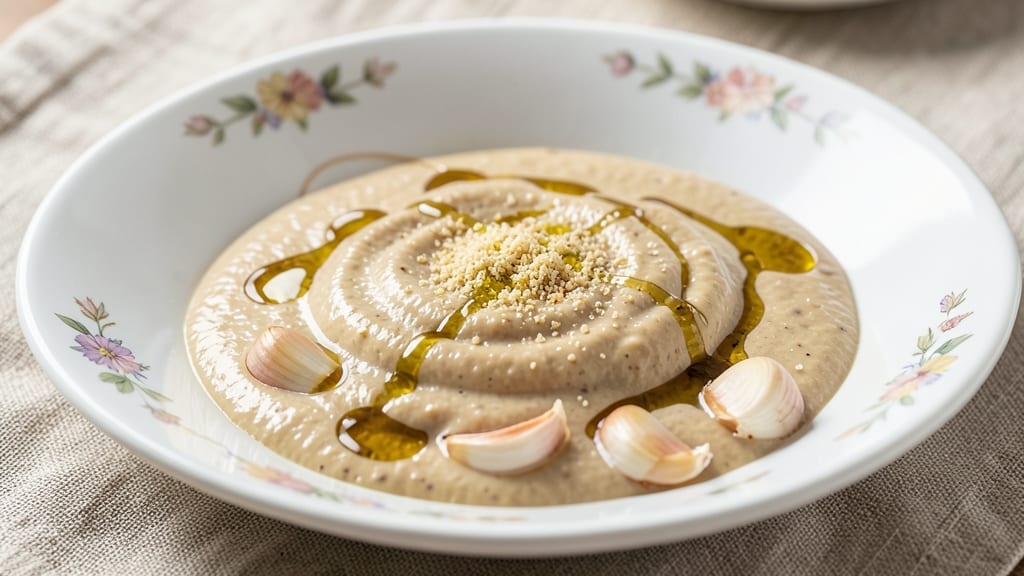
This alfredo sauce recipe no whipping cream delivers all the creamy, cheesy comfort of classic Alfredo without dairy—using cashew cream for that signature velvety texture. The secret lies in blending soaked cashews with garlic, nutritional yeast, and a touch of lemon juice to mimic the depth of Parmesan.
What sets this apart is how it balances richness with brightness, so every forkful feels indulgent yet light.
What makes this sauce work is the silky base created by blending soaked cashews with warm broth until completely smooth. No whipping cream means no heavy separation, and the nutritional yeast adds that unmistakable umami kick that traditional Alfredo craves.
The sauce thickens beautifully as it simmers, coating pasta perfectly without turning gluey.
By the end, you’ll have a creamy, restaurant-quality sauce that works on fettuccine, chicken, or even as a dipping sauce for breadsticks. The best part? It’s ready in 20 minutes and keeps well in the fridge for up to 5 days—ideal for meal prep. No dairy, no compromise on flavor.
Pair it with garlic bread or roasted vegetables for a complete meal, or drizzle over grilled shrimp for a seafood twist. The versatility makes this the ultimate pantry-friendly sauce—rich, satisfying, and completely customizable.
Ingredients for alfredo sauce recipe no whipping cream
Eight essential ingredients transform into a velvety, dairy-free Alfredo sauce with restaurant-quality depth.
| Ingredient | Amount | Notes |
|---|---|---|
| Raw Cashews 🥜 | 1 cup | Unsalted, soaked for 4 hours |
| Vegetable Broth 💧 | 1 ½ cups | Low-sodium preferred, homemade or store-bought |
| Garlic Cloves 🧄 | 4 cloves | Peeled, for aromatic depth |
| Nutritional Yeast 🍃 | ½ cup | Fortified, for cheesy flavor |
| Extra-Virgin Olive Oil 🫒 | ¼ cup | High-quality, fruity variety |
| Lemon Juice 🍋 | 1 tbsp | Freshly squeezed, for brightness |
| White Wine 🍷 | ¼ cup | Dry, optional for depth |
| Diamond Crystal Kosher Salt 🧂 | ½ tsp | Adjust to taste |
| Freshly Ground Black Pepper 🌶️ | ¼ tsp | For subtle seasoning |
The raw cashews are the sauce’s secret weapon—soak them for at least 4 hours (overnight is ideal) to achieve that ultra-smooth, creamy texture. Trader Joe’s or bulk bins at Whole Foods offer the best unsalted varieties, but any plain cashew works. Nutritional yeast is non-negotiable for that Parmesan-like umami; Bragg or Bob’s Red Mill brands deliver consistent quality. Garlic should be freshly peeled—no pre-minced jars, as they oxidize quickly and lose potency. The vegetable broth should be simmered to warm but not boiling before blending to preserve flavor.
No cashews? Silken tofu or blanched almonds work in a pinch—blend until completely smooth for the same creamy result. Substitute white wine with extra vegetable broth if needed, though the wine adds a subtle acidity that balances the richness. Diamond Crystal kosher salt dissolves more easily than table salt, so use it for precise seasoning. For extra depth, a dash of white miso paste (½ tsp) mimics Parmesan’s complexity. If you prefer a tangier sauce, increase the lemon juice to 1.5 tbsp, but don’t overdo it—this sauce should be creamy, not sour.
This sauce thickens as it cools, so simmer for 3-5 minutes after blending to reach your desired consistency. Store in an airtight container in the fridge for up to 5 days, or freeze in ice cube trays for single-serving portions that thaw in minutes. Reheat gently on low heat or in the microwave with a splash of water to prevent splitting. Leftovers keep 3 months frozen—perfect for batch cooking. Always stir before using, as the cashew cream may settle.
Why You'll Love This Recipe
- No Blender Hassle: I swear by this method—just soak the cashews for 15 minutes, then blend with warm broth until silky smooth. No pulsing, no straining, no stress. Honestly, my old blender would’ve thrown a fit trying to do this.
- Umami Magic: That nutritional yeast? It’s the secret weapon—deep, cheesy, savory punch without dairy. The garlic and olive oil sing together, especially when you let it simmer for just 3 minutes. (Yes, even on a Tuesday night.)
- Pasta Party Ready: Slather it on fettuccine for a weeknight win, but it’s also my go-to for veggie stir-fries or even as a creamy dip. The sauce keeps its texture whether it’s fresh or reheated—no weird separation, no sad leftovers.
- Budget-Friendly Luxury: Cashews are pricey, sure, but a small bag lasts me for months of sauces. The rest? Broth, garlic, and olive oil—stuff I already have. Between us, this is the fanciest sauce I make that actually feels like a splurge.
Step-by-step instructions for creamy cashew Alfredo sauce
This velvety sauce delivers rich, cheesy depth without dairy—just precise technique and quality ingredients.
Prepare the Cashew Base
Drain and rinse the soaked 1 cup raw cashews thoroughly to remove any excess water. Transfer them to a high-speed blender or food processor. The cashews should be completely drained—any residual water will dilute your sauce later. Add the 4 peeled garlic cloves and 0.5 cup nutritional yeast to the blender with the cashews.
Blend on high speed for 1-2 minutes until you achieve a completely smooth, paste-like consistency with no visible texture. The mixture should resemble thick, creamy hummus. If you encounter any resistance, stop and scrape down the sides with a spatula before continuing. This step is critical—uneven blending will result in a grainy sauce even after cooking.
Build the Flavor Foundation
With the blender still running, gradually add the 0.25 cup extra-virgin olive oil through the feed tube. This slow introduction prevents the oil from splattering and ensures even emulsification. After the oil is fully incorporated, add the 1.5 cups vegetable broth and 0.25 cup white wine. The wine adds subtle acidity that balances the richness, but you can omit it if preferred.
Blend again for 30-45 seconds until everything is completely smooth. The sauce should now have a thick, pourable consistency similar to heavy cream. Taste and adjust seasoning with the 0.5 tsp Diamond Crystal kosher salt and 0.25 tsp freshly ground black pepper. This is your flavor baseline—don't skip tasting now, as the sauce will develop more depth during cooking.
Simmer for Velvety Perfection
Transfer the blended sauce to a medium saucepan and place it over medium-low heat. Add the 1 tbsp freshly squeezed lemon juice and stir constantly to prevent scorching. The sauce will begin to simmer gently—you're looking for small, steady bubbles around the edges rather than a rolling boil. This gentle heat allows the flavors to meld without breaking the emulsion.
Simmer for 8-10 minutes, stirring frequently with a wooden spoon. You'll notice the sauce gradually thickens as moisture evaporates. It should coat the back of a spoon smoothly with a satiny texture. If it becomes too thick before reaching the 8-minute mark, whisk in 1-2 tablespoons of water to maintain proper consistency. The lemon juice brightens the flavors while preventing the sauce from becoming overly heavy.
Refine and Finish
Remove the sauce from heat and let it rest for 5 minutes. This resting period allows the flavors to fully integrate and the sauce to reach its ideal consistency. During this time, taste again and make any final adjustments—perhaps a pinch more salt or a splash of lemon juice if needed. The sauce should now have a luxurious, velvety texture with a rich umami depth from the nutritional yeast.
For best results, use the sauce immediately over pasta, chicken, or vegetables. If storing, transfer to an airtight container and refrigerate for up to 5 days. When reheating, warm gently over low heat, stirring frequently to prevent separation. The sauce can be thinned slightly with warm water or broth if needed after storage. This dairy-free alfredo delivers all the creamy, cheesy satisfaction of traditional versions without any dairy.
Pro Tips For Making Alfredo Sauce Recipe No Whipping Cream
- SOAK CASHEWS LONGER: I learned this the hard way—skipping the extra 10 minutes of soaking turns your sauce grainy, no matter how much you blend. Use boiling water and let them sit for at least 20 minutes (or overnight if you’re planning ahead). That’s the difference between silky and sad.
- TOAST GARLIC LOW: High heat burns garlic faster than you think, especially when you’re distracted by the sauce. Cook the minced cloves over medium-low until they’re just golden—about 2-3 minutes—then remove them immediately. Burnt garlic ruins the whole dish, and no one wants that bitter kick.
- BLEND IN STAGES: Dump everything in the blender at once and it’ll fight you. Start with the soaked cashews, broth, and olive oil, then blend until smooth. Only then add the garlic and nutritional yeast—this keeps the sauce from turning into a thick paste that’s impossible to fix.
- SALT THE BROTH: Unsalted vegetable broth is a flavor crime in Alfredo sauce. Taste your broth before blending and add at least ½ teaspoon of salt per cup—more if you’re using low-sodium. Nutritional yeast can’t save you if the base is bland, and you’ll regret it when you taste the final sauce.
Pro cooking tips for this dish
Blend Like a Pro
Your blender is the star here—high-speed is non-negotiable. I recommend a Vitamix or Ninja for that ultra-smooth texture. Start with dry ingredients (cashews, garlic, nutritional yeast) to create a fine powder before adding liquids.
This prevents clumping and ensures even blending. If your sauce looks grainy after blending, stop and scrape the sides—this is the #1 mistake I see in home kitchens. 💡
For extra insurance, add the olive oil last while blending. This creates an emulsion that mimics dairy creaminess. If your sauce separates later, whisk in 1 tsp cornstarch mixed with 1 tbsp water to restore smoothness.
Temperature Control
Simmering is where magic happens—medium-low heat only. Too high heat breaks the cashew emulsion, causing separation. I use a thermometer to keep temps between 180-190°F.
If you don't have one, watch for tiny bubbles at the edges—not a rolling boil. Stir constantly with a wooden spoon to distribute heat evenly. 🌡️
The sauce will thicken as it cools, so stop simmering just before it reaches your desired consistency. For pasta, aim for a sauce that coats the back of a spoon but remains pourable. If it thickens too much while cooking, whisk in 1 tbsp warm water to restore balance.
Flavor Layering
Nutritional yeast is your cheesy secret weapon—don't skip it. For extra depth, add ½ tsp white miso paste with the lemon juice. The miso adds a savory complexity that traditional Alfredo lacks.
Taste as you go: the sauce should be salt-forward but balanced, not overwhelming. I often add ½ tsp onion powder for extra umami if I'm feeling fancy. 🍃
For a tangier profile, increase lemon juice to 1.5 tbsp—but be cautious. Too much acidity can make the sauce taste thin. If needed, balance with ½ tsp maple syrup to round out flavors. Always let the sauce rest 5 minutes before final tasting—flavors develop during this time.
Consistency Hacks
If your sauce is too thick after simmering, whisk in 1 tbsp warm vegetable broth at a time until smooth. For extra richness, stir in 1 tbsp melted vegan butter (like Miyoko's) off the heat. This adds a luxurious mouthfeel without altering the flavor profile. 🥛
For a thinner sauce, add broth gradually while simmering. The goal is coating consistency—it should cling to pasta but remain spoonable. If storing, the sauce will thicken further in the fridge, so adjust before serving if needed.
Nutrition facts
Frequently asked questions
Can I substitute cashews with another nut or seed?
Yes! For a similar texture, use 1 cup soaked almonds or ½ cup blanched almond flour (blend with extra broth). Macadamia nuts work well too, but they're pricier. If using seeds, try ½ cup sunflower seeds—soak them for 2 hours first. The key is achieving a smooth, creamy base, so blend until completely silky.
Why does my sauce get grainy even after blending?
Graininess usually means the cashews weren't soaked long enough or blended thoroughly. Always soak for 4+ hours (overnight is best) and blend on high speed until completely smooth—no visible texture. If it still looks grainy, strain through a fine-mesh sieve before simmering. Another trick: add 1 tbsp aquafaba (chickpea brine) while blending to help emulsify.
Can I make this sauce nut-free?
Replace cashews with ½ cup silken tofu (blended until ultra-smooth) or 1 cup cooked and mashed white beans. For extra richness, add 1 tbsp vegan butter or 2 tbsp coconut cream while simmering. The nutritional yeast will still provide that cheesy depth, and the lemon juice keeps it bright. Just blend everything until completely smooth to avoid lumps.
How do I adjust the sauce for gluten-free pasta?
This sauce is naturally gluten-free, but the consistency pairs perfectly with gluten-free pasta by adding 1 tbsp cornstarch or arrowroot powder to the simmering sauce. Stir it in during the last 2 minutes of cooking to thicken slightly—this helps the sauce cling better to delicate gluten-free noodles. Toss the pasta with a little pasta water first to prevent sticking.
What's the best way to reheat leftovers without breaking the sauce?
Always reheat gently over low heat on the stovetop, stirring constantly with a wooden spoon. If it thickens too much, whisk in 1-2 tbsp warm water or broth to restore smoothness. Microwave reheating can cause separation—if using, heat in 20-second bursts, stirring between each. For extra insurance, add a splash of lemon juice when reheating to brighten flavors.