
Sauces & Condiments
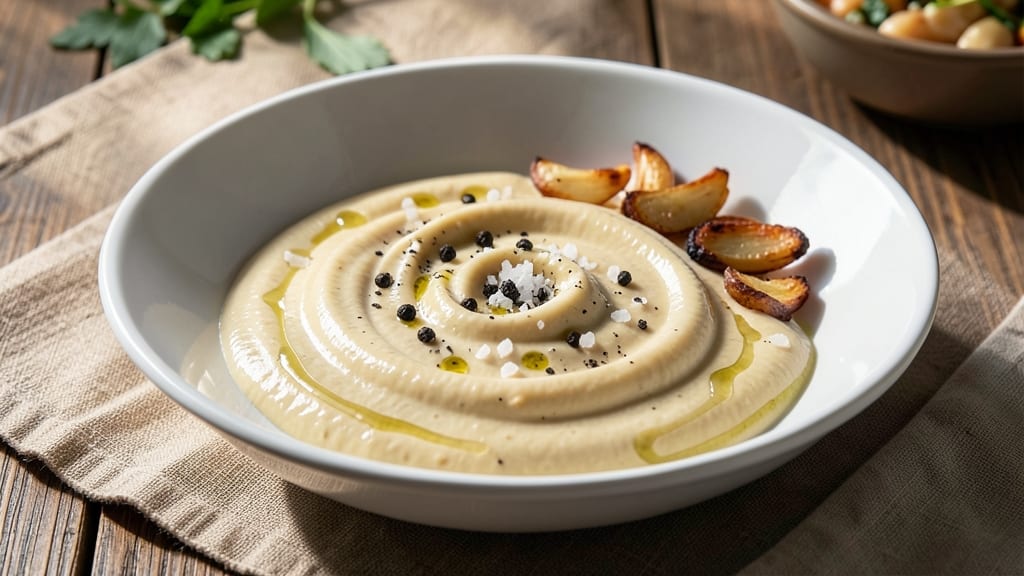
This alfredo sauce recipe list unlocks the secret to creamy, velvety perfection that transforms any pasta dish into a restaurant-worthy meal. 💛 The classic version combines butter, heavy cream, and Parmesan cheese to create a rich, luxurious sauce that coats noodles beautifully—no lumps, no separation, just pure indulgence.
What sets these variations apart is how they adapt to dietary needs while keeping that signature rich flavor intact.
The foundation of any great alfredo sauce starts with proper technique: melting butter gently, whisking in heavy cream to prevent curdling, and gradually adding grated Parmesan for a smooth, velvety texture.
Each of the five variations in this list builds on this method but introduces clever twists—like using Greek yogurt for a lighter version or nutritional yeast for a vegan alternative—that don’t compromise on creaminess. The key is balancing richness with texture, ensuring every bite feels decadent yet harmonious.
What makes this sauce list special is its versatility—whether you're craving a classic fettuccine alfredo or need a lighter option for weeknight dinners.
The recipes include tips for avoiding common pitfalls (like grainy cheese or overly thick sauce) and storage advice to keep your sauce fresh for up to five days in the fridge. Each variation maintains that signature creamy consistency while offering something unique to suit different tastes and dietary preferences.
Perfect for pasta nights, as a creamy dip, or even as a sauce for grilled chicken or fish, these alfredo variations prove that comfort food can be both indulgent and adaptable. Let’s dive into the recipes that will elevate your cooking game—starting with the classic and branching into exciting alternatives.
Ingredients for alfredo sauce recipe list
Ten ingredients unlocking velvety perfection for every pasta dream—classic richness meets clever variations.
| Ingredient | Amount | Notes |
|---|---|---|
| Unsalted Butter 🧈 | ½ cup | Cold, cubed for gradual melting |
| Heavy Cream 🥛 | 1 cup | Full-fat for maximum creaminess |
| Parmesan Cheese 🧀 | 1 ½ cups | Freshly grated from block |
| Garlic Cloves 🧄 | 4 cloves | Minced for aromatic base |
| Extra-Virgin Olive Oil 🫒 | 2 tbsp | For smooth texture and depth |
| Diamond Crystal Kosher Salt 🧂 | ½ tsp | Adjusts seasoning perfectly |
| Freshly Ground Black Pepper 🌶️ | ¼ tsp | Enhances savory depth |
| Nutritional Yeast 🍃 | ¼ cup | Vegan alternative for cheesy flavor |
| Greek Yogurt 🥛 | ½ cup | For lighter, tangy variation |
| Lemon Juice 🍋 | 1 tbsp | Brightens flavor profile |
The foundation begins with unsalted butter—use European-style for higher fat content, which creates that signature velvety mouthfeel. Parmesan cheese must be freshly grated from a block; pre-shredded contains anti-caking agents that create graininess. For the garlic, roast it first (400°F for 10 minutes) to deepen its sweetness without bitterness. Whole Foods Market or specialty cheese shops carry the best Parmesan wedges, but a high-quality block from any reputable grocery store will suffice. The extra-virgin olive oil should have a peppery finish—look for Italian varieties like Colavita or Bertolli for authentic flavor.
No heavy cream? Full-fat coconut milk works beautifully, though the texture will be slightly lighter. Nutritional yeast is a must for vegan versions—Bragg Organic is widely available and adds that unmistakable umami. Substituting Greek yogurt for cream creates a tangier sauce; Fage 5% strikes the perfect balance between richness and acidity. Diamond Crystal kosher salt is crucial—it dissolves completely, unlike table salt, which can create graininess. For the pepper, freshly grind it just before adding to preserve its volatile oils. Lemon juice can be omitted in traditional recipes, but it's essential for balancing the richness in lighter variations.
Store finished sauce in an airtight container with a thin layer of olive oil on top to prevent a skin from forming. Classic alfredo keeps for 5 days in the fridge, while yogurt-based variations last 3 days due to their higher moisture content. For longer storage, freeze in ice cube trays—perfect for adding to future dishes. Reheat gently over low heat, whisking constantly to prevent separation. The sauce thickens as it cools, so add a splash of warm milk or cream if it becomes too stiff after reheating.
Why You'll Love This Recipe
- Five-Ingredient Magic: I swear by this lineup—just butter, cream, Parmesan, garlic, and olive oil. No fancy gadgets, no stress, and zero excuses to skip it.
- Rich Without Effort: That first spoonful of melted butter and garlic in the cream? Pure indulgence. The Parmesan turns it from creamy to unreal—like a hug for your taste buds.
- Pasta Party Ready: Dress up fettuccine for date night or toss it with roasted veggies for a weeknight win. It’s the sauce that works everywhere, no apologies.
- Leftovers That Don’t Suck: Make a double batch—it reheats like a dream and tastes even better the next day. (Yes, even after breakfast.) Budget-friendly and foolproof.
Step-by-step instructions for creamy Alfredo sauce variations
Master these techniques to craft velvety, restaurant-quality Alfredo sauce with endless flavor possibilities.
🍳 Step 1: Build the Classic Cream Base
In a medium saucepan, melt the 0.5 cup unsalted butter over medium-low heat until completely liquid but not browned. Add the 1 cup heavy cream and bring to a gentle simmer, stirring occasionally. This gradual heating prevents scorching while creating a smooth foundation. I like to let it simmer uncovered for 5 minutes—this allows excess moisture to evaporate, resulting in a thicker, more stable sauce.
Here's the thing—don't rush this step. If you see the cream starting to bubble vigorously, reduce the heat slightly. You're aiming for a sauce that coats the back of a spoon but isn't gluey. The butter should be fully incorporated, creating a pale, glossy liquid that's ready for the next flavor layers.
👨🍳 Step 2: Infuse with Aromatics and Seasoning
Add the 2 tbsp extra-virgin olive oil and 4 minced garlic cloves to the warm cream mixture. Cook for 1-2 minutes until the garlic becomes fragrant but doesn't brown—this prevents bitterness. Stir in the 0.5 tsp kosher salt and 0.25 tsp black pepper, then immediately remove from heat. The residual heat will continue cooking the garlic gently while keeping the sauce smooth.
This is where flavor magic happens. The olive oil adds depth while preventing the sauce from curdling when we add dairy later. I always taste at this stage to check seasoning—Alfredo should be rich but not salty. If needed, adjust with a pinch more salt or a crack of pepper, but remember we're adding more cheese next.
🥘 Step 3: Choose Your Cheese Variation
For traditional Alfredo, whisk in 1.5 cups freshly grated Parmesan cheese over low heat, stirring constantly until fully melted and smooth. The sauce will thicken dramatically—this is normal. If using the vegan version, replace Parmesan with 0.25 cup nutritional yeast and 0.5 cup Greek yogurt, whisking until completely combined. For a lighter variation, add the yogurt first, then the nutritional yeast for that umami kick.
Here's my pro tip: When adding cheese, do it gradually to prevent clumping. The sauce should coat the whisk like thick paint. If it's too thick, thin with 1-2 tablespoons warm pasta water. For extra brightness, stir in the 1 tbsp lemon juice at the end—this balances the richness perfectly while adding a subtle tang.
⏰ Step 4: Finish and Adjust Consistency
Return the sauce to low heat and let it simmer gently for 3-5 minutes, stirring occasionally. This final step allows all the flavors to meld while ensuring the sauce reaches its ideal consistency. For a silky texture, I like to pass it through a fine-mesh sieve to remove any cheese grits—this makes all the difference for a restaurant-quality finish.
The sauce is now ready to toss with freshly cooked pasta. If it thickens too much while resting, simply stir in additional warm pasta water, 1 tablespoon at a time, until it reaches your desired consistency. Remember, Alfredo should cling beautifully to each strand of pasta without being gluey or watery.
Pro Tips For Making Alfredo Sauce Recipe List
- Melt Butter Slowly: Start with medium-low heat—high heat burns butter before the cream even has a chance to join the party. I learned this the hard way when my sauce curdled into a greasy mess after one aggressive minute.
- Grind Your Own Cheese: Pre-shredded Parmesan has anti-caking agents that make the sauce grainy no matter how much you stir. Buy a block, grate it fresh, and pack it tightly into the sauce—it dissolves smoother and tastes richer.
- Sweat Garlic First: Sauté minced garlic in olive oil for 30 seconds until fragrant but not browned. This prevents that bitter, overcooked garlic taste that ruins the creamy base—especially when you’re adding it to a delicate sauce.
- Strain for Silkiness: After simmering, pour the sauce through a fine-mesh sieve to catch any stray cheese bits or garlic chunks. It’s an extra 10 seconds of work, but your sauce will be velvety instead of textured—worth it when you’re serving fettuccine.
Dietary considerations for this alfredo sauce recipe list
Classic Lactose-Free
For those avoiding lactose but craving that creamy Alfredo flavor, swap heavy cream for full-fat coconut milk and use lactose-free Parmesan (like Violife). The coconut milk adds natural sweetness that balances the tangy cheese beautifully.
I've found that 1 cup coconut milk mimics the richness of cream while keeping the sauce velvety. Add 1 tsp cornstarch mixed with 1 tbsp water to thicken properly—coconut milk can be thinner than dairy. 🥥
Vegan Delight
Create a rich vegan Alfredo using 0.5 cup Greek-style coconut yogurt (like So Delicious) plus 0.25 cup nutritional yeast for that unmistakable cheesy flavor. Replace butter with 2 tbsp vegan butter or olive oil, and use 1 cup unsweetened almond milk instead of heavy cream.
The key is to whisk constantly while heating to prevent separation. For extra protein, add 2 tbsp silken tofu blended into the sauce—it creates a silky texture without altering flavor. 🍃
Gluten-Free Adaptation
Traditional Alfredo sauce contains gluten from Parmesan rinds or flour-based thickeners, but this version keeps it safe. Use 100% gluten-free Parmesan (like Green Valley Creamery) and ensure your nutritional yeast is certified gluten-free.
For extra richness, add 2 tbsp cashew cream (blend soaked cashews with water) to replace some of the heavy cream. Always check labels—many pre-shredded cheeses contain anti-caking agents with gluten. 🌾
Low-Fat Version
Cut calories without sacrificing flavor by using 0.5 cup evaporated skim milk instead of heavy cream, plus 0.5 cup low-fat cottage cheese blended smooth. The cottage cheese adds protein and creaminess while reducing fat content.
For the cheese component, use 1 cup reduced-fat Parmesan (like Kraft Freeze-Dried)—it melts beautifully while shaving off calories. The sauce will be slightly lighter but still luxurious when paired with whole-grain pasta. 💪
Nut-Free Allergy Safe
For nut allergies, avoid cashew cream and instead use 0.5 cup blended cooked white beans (like cannellini) to add creaminess. The beans blend seamlessly when cooked with garlic and olive oil until completely smooth. Use 1 cup lactose-free milk plus 2 tbsp cornstarch for thickening.
Always check all ingredients—some nutritional yeasts contain trace nuts. This version proves rich Alfredo can be completely nut-free while maintaining that signature velvety texture. 🚫🌰
Nutrition facts
Frequently asked questions
Can I make Alfredo sauce without heavy cream?
For a lighter version, use 1 cup whole milk or ½ cup Greek yogurt mixed with ½ cup milk—it still creates a creamy texture while cutting fat. For a vegan option, coconut milk or cashew cream works beautifully. The key is to whisk constantly while heating to prevent separation.
Why does my Alfredo sauce get grainy?
Graininess usually happens from pre-shredded cheese (contains anti-caking agents) or adding cheese too quickly. Always use freshly grated Parmesan and whisk it in gradually over low heat. For extra smoothness, strain the finished sauce through a fine-mesh sieve.
How do I make Alfredo sauce thicker?
If your sauce is too thin, simmer it uncovered for 5-10 minutes to evaporate excess moisture. For instant thickening, whisk in 1 tbsp cornstarch mixed with 2 tbsp cold water—this works like magic. Avoid flour, as it can make the sauce taste grainy. Always adjust with warm pasta water if needed.
Can I freeze Alfredo sauce?
Yes, but freeze it in ice cube trays for portion control. Once frozen, transfer cubes to a freezer bag. Thaw overnight in the fridge and reheat gently over low heat, whisking constantly. The sauce may thicken slightly—thin with a splash of warm milk or pasta water if needed.
What's the best pasta to pair with Alfredo sauce?
Classic choices are fettuccine or tagliatelle—their flat, wide surfaces hold the sauce beautifully. For extra indulgence, try pappardelle or linguine. Avoid thick, dense pastas like rigatoni, as they can make the dish feel too heavy. Always cook pasta al dente to prevent a mushy texture.