
Sauces & Condiments
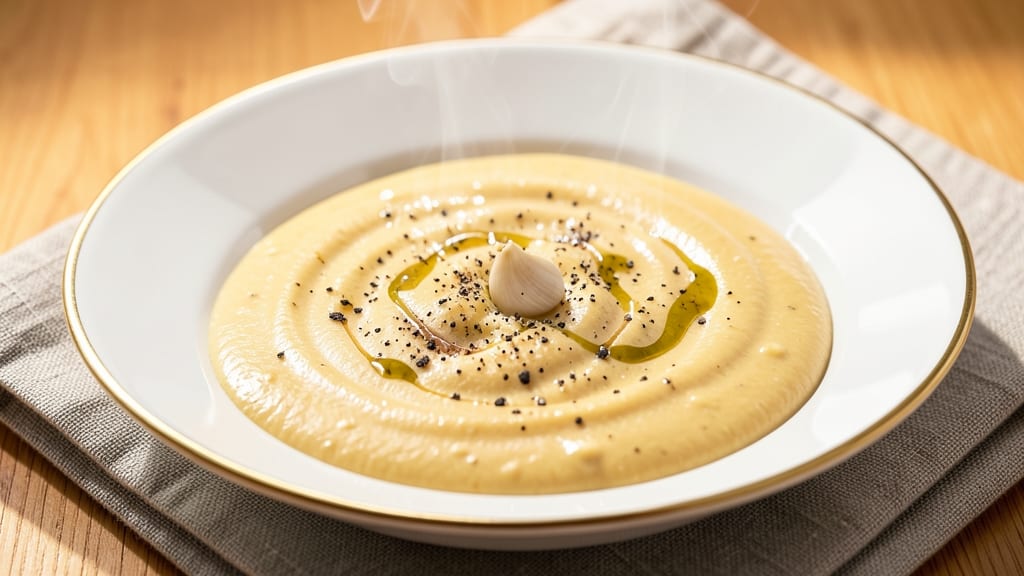
This Alfredo sauce recipe for one delivers restaurant-quality creaminess in just minutes without the leftovers. The secret lies in precise measurements—rich butter, velvety cream, and sharp Parmesan—blended to a silky consistency that clings perfectly to fettuccine or grilled chicken. No lumps, no waste, just smooth, decadent sauce tailored for one.
What sets this single-serving version apart is the technique: a warm, low-and-slow approach that prevents curdling while maximizing flavor. A splash of pasta water at the end ensures the sauce stays glossy and clings effortlessly to your noodles.
The result? A velvety, cheesy sauce that’s lighter than traditional versions but just as indulgent.
Perfect for a quick weeknight dinner or a cozy solo meal, this sauce pairs beautifully with fettuccine, grilled shrimp, or even roasted vegetables. The measurements are designed to avoid overproduction—no sad leftovers here.
Store any extras in an airtight container, reheating gently on the stove with a splash of milk or cream to restore its silky texture.
For an extra layer of flavor, infuse the sauce with a garlic clove or a pinch of nutmeg while it simmers. The key is patience—let the sauce thicken gradually for that perfect, restaurant-worthy consistency.
Ready in under 10 minutes, this sauce proves you don’t need a crowd to enjoy creamy, comforting pasta night.
Ingredients for alfredo sauce recipe for one
Eight ingredients, one perfect single-serving sauce—no leftovers, just creamy perfection.
| Ingredient | Amount | Notes |
|---|---|---|
| Unsalted Butter 🧈 | 4 tbsp | Cold, cut into small cubes |
| Heavy Cream 🥛 | ½ cup | Full-fat for richness |
| Freshly Grated Parmesan Cheese 🧀 | ½ cup | Aged 24+ months preferred |
| Extra-Virgin Olive Oil 🫒 | 1 tbsp | For glossy finish |
| Garlic Cloves 🧄 | 1 whole | Minced, optional for flavor |
| Freshly Ground Black Pepper 🌶️ | ½ tsp | Freshly cracked for aroma |
| Ground Nutmeg 🌿 | ¼ tsp | Freshly grated preferred |
| Salt 🧂 | ¼ tsp | Diamond Crystal preferred |
| Pasta Water 💧 | ¼ cup | Reserved from cooking |
The butter makes all the difference here. European-style unsalted butter has the highest fat content, giving you that luxurious mouthfeel. Plugrá or Kerrygold are my go-tos—they melt beautifully without separating. Grab a small tub from Whole Foods or Trader Joe's if you want to splurge, but the regular grocery store brand works fine too. Keep it cold until the last minute—cutting it into small cubes ensures even melting. The Parmesan? Only freshly grated from a block—pre-shredded gets clumpy and lacks depth. Look for Parmigiano-Reggiano aged at least 24 months for maximum sharpness.
No heavy cream? Full-fat coconut milk works in a pinch, though the flavor will differ slightly. Short on Parmesan? Pecorino Romano at half the amount adds a tangy kick. The olive oil might seem like an afterthought, but it's what makes the sauce shine—a fruity, peppery EVOO like California Olive Ranch adds that restaurant-quality finish. The garlic is optional but worth it if you're a fan—just one clove infuses the sauce beautifully. For the nutmeg, freshly grated is ideal, but pre-ground works if that's all you've got. Diamond Crystal salt is my preference because it's less dense than Morton's, but use whatever you've got.
This sauce is best made fresh, but if you have leftovers, store them in an airtight container with a thin layer of olive oil on top to preserve that velvety texture. Keeps for 3-4 days in the fridge, though it's honestly better the first day. To reheat, warm gently on the stove with a splash of milk or cream—never microwave, or it'll curdle. For extra richness, add a pat of butter while reheating. The sauce thickens as it cools, so don't worry if it looks a tad thin right after making it.
Why You'll Love This Recipe
- Here’s what sold me: I can make a single serving, save half, and reheat it later without it turning into glue. Just pop it in the fridge, and when I’m craving comfort, I dump it over leftover pasta or use it to jazz up a grilled steak. No waste, no fuss—just pure satisfaction.
- Five-Ingredient Magic: I swear by this—just butter, cream, Parmesan, garlic, and olive oil. That’s it. No measuring cups, no stress, no hunting for obscure spices. Honestly, the first time I made it, I thought I’d messed up because it felt too simple. Then I tasted it.
- Garlic-Goat Cheese Luxe: Between us, this sauce is dangerously addictive. The garlic sizzles in olive oil until it’s golden but not bitter, then the heavy cream smooths it out like a dream. Add that freshly grated Parmesan? It’s like a hug for your taste buds—creamy, salty, and rich without tasting heavy.
- Pasta’s Best Friend: This sauce doesn’t just work with fettuccine—it’s my go-to for tossing with roasted veggies, chicken, or even a quick scrambled egg scramble on lazy mornings. (Yes, even on a Tuesday night.) It’s the kind of sauce that makes you wonder why you ever bought jarred versions.
Step-by-step instructions for single-serving Alfredo sauce
Here's how to make velvety, restaurant-quality Alfredo sauce—perfectly scaled for one.
Melt the Butter and Garlic
In a small saucepan, melt the 4 tablespoons of unsalted butter over medium-low heat. Once fully melted, add the 1 whole garlic clove (minced if using) and cook for 30 seconds—just until fragrant. I always skip browning the garlic here; we want subtle flavor, not bitterness. Watch the pan closely—the butter should foam gently but not brown.
If you're using the optional garlic, remove it immediately after it releases its aroma. Overcooking will turn it bitter, and we want that delicate, creamy foundation. The butter should be smooth and glossy, coating the bottom of the pan evenly. This is your flavor base, so take your time here.
Add the Heavy Cream and Spices
Pour in the ½ cup of heavy cream and stir gently to combine. Add the ½ teaspoon of freshly ground black pepper, ¼ teaspoon of ground nutmeg, and ¼ teaspoon of salt. The nutmeg is key here—it adds warmth that balances the richness. Bring the mixture to a gentle simmer over medium heat, then reduce the heat to low to maintain a slow, steady bubble.
Let it simmer for 3-4 minutes until the cream thickens slightly. You're looking for a consistency where the sauce coats the back of a spoon but isn't gluey. Stir occasionally to prevent scorching—this is where most home cooks mess up. If it starts to splatter, lower the heat further. The goal is a smooth, velvety texture without any lumps.
Incorporate the Parmesan
Remove the saucepan from heat and immediately whisk in the ½ cup of freshly grated Parmesan cheese. The heat helps the cheese melt smoothly, but don't let it boil or it'll curdle. If you're using aged Parmesan, it'll dissolve more easily and add deeper umami flavor. Stir vigorously for 1-2 minutes until the cheese is fully incorporated and the sauce is completely smooth.
Here's the thing—if the sauce looks too thick, that's normal. We'll fix it in the next step. The cheese should melt completely, leaving no gritty bits. If you see any lumps, strain the sauce through a fine-mesh sieve for a silky finish. This is your chance to adjust the seasoning too—taste and add more salt or pepper if needed.
Finish with Olive Oil and Pasta Water
Return the sauce to low heat and stir in the 1 tablespoon of extra-virgin olive oil. This adds richness and prevents the sauce from breaking when combined with pasta. The oil should blend seamlessly, giving the sauce a glossy sheen. Now, add ¼ cup of reserved pasta water, 1 tablespoon at a time, stirring constantly until the sauce reaches your desired consistency.
You want it to coat the back of a spoon but still flow easily—thick enough to cling to pasta but not so heavy it feels like glue. If it's still too thick, add a splash more pasta water. The starch in the pasta water is what creates that signature Alfredo cling. Taste one last time and adjust seasoning if needed. The sauce should be creamy, slightly tangy from the cheese, and perfectly balanced.
Pro Tips For Making Alfredo Sauce Recipe For One
- Melt Butter Slowly: Start with cold butter cubes—yes, even if you’re in a hurry. If you toss in a pat of butter straight into the pan and crank the heat, it’ll burn before the cream has a chance to join the party. Let the butter melt over medium-low heat, and you’ll avoid that bitter, acrid taste that ruins everything.
- Grind Garlic Fine: Skip the minced jarred garlic—it’s too coarse and can turn your sauce grainy. Use a microplane or crush the cloves with the flat side of your knife first, then let them sit for 5 minutes before adding. This releases more flavor and blends smoother into the cream.
- Strain the Cheese: Freshly grated Parmesan is a must, but if you’re using pre-shredded (because, let’s be real, sometimes you are), strain it through a fine-mesh sieve first. The anti-caking agents in pre-shredded cheese clump and make your sauce look like it’s got texture issues. A quick shake over the pan fixes that.
- Finish with Olive Oil: The sauce will look thin and sad if you stop at just butter and cream. After removing from heat, stir in 1 teaspoon of extra-virgin olive oil—it adds richness and helps the sauce cling to pasta without turning gloppy. (I know, it sounds counterintuitive, but trust me.)
Common mistakes when making this recipe
Overheating the Cream
This is the #1 mistake that turns creamy Alfredo into grainy disaster. Once the heavy cream hits a rolling boil, it curdles instantly when you add cheese. I’ve seen people crank the heat too high and end up with a lumpy mess that’s impossible to fix.
The cream should only simmer gently—tiny bubbles at the edges, not a full-on boil. If you see big bubbles breaking the surface, immediately reduce to low heat and let it settle. 🌡️
Pro tip: Use a small saucepan—anything larger than 8 inches makes temperature control harder. And never walk away while it simmers. I’ve burned more Alfredo sauces than I’d admit because I got distracted. Set a timer for 3-4 minutes max and keep your eye on it.
Using Pre-Shredded Cheese
Pre-shredded Parmesan is a game-changer for convenience, but it’s a flavor and texture killer in Alfredo sauce. The anti-caking agents in pre-shredded cheese create those dreaded lumps that no amount of whisking can fix. Always use freshly grated Parmigiano-Reggiano—the real stuff.
If you’re in a pinch, grate your own from a block using the large holes on a box grater. It takes 30 seconds and makes all the difference. 🧀
I know it’s tempting to grab the bag from the cheese aisle, but trust me on this one. The texture difference is night and day. For an extra boost, let your grated cheese sit at room temperature for 10 minutes before adding it to the sauce—it melts more smoothly.
Skipping the Pasta Water
This is where most homemade Alfredo sauces fall flat. Pasta water isn’t just for rinsing—it’s the secret weapon that gives your sauce that signature cling. The starch in the water acts as a natural thickener and emulsifier, creating that silky, coat-the-back-of-your-spoon consistency.
Without it, your sauce will either be too thick or break apart when tossed with pasta. 💧
Reserve ½ cup of pasta water while your noodles cook (always boil extra water just in case). Add it gradually, 1 tablespoon at a time, while stirring constantly. You’re looking for a sauce that’s thick enough to cling but still flows easily.
If you run out of pasta water, a splash of warm milk or cream works in a pinch.
Adding Cheese Too Early
Cheese has a very specific temperature range where it melts smoothly—any hotter and it separates, any cooler and it won’t emulsify properly. That’s why you add Parmesan off the heat after the cream has simmered.
The residual heat is enough to melt the cheese without curdling, but not so much that it scalds. I’ve seen people add cheese while the sauce is still boiling, and it’s a disaster waiting to happen. 🔥
Here’s my foolproof method: Remove the sauce from heat, let it sit for 30 seconds, then whisk in the cheese. If you’re worried about lumps, strain the sauce through a fine-mesh sieve after adding the cheese. The result? A silky, lump-free sauce every single time.
Ignoring the Olive Oil
The olive oil isn’t just for flavor—it’s what keeps your Alfredo sauce from breaking when combined with pasta. Without it, the sauce can separate or become watery once it hits the noodles.
That’s why we add 1 tablespoon of high-quality EVOO at the very end. The oil coats the sauce, creating a protective barrier that maintains its velvety texture. 🫒
Don’t skimp here—use a fruity, peppery olive oil like California Olive Ranch or a similar brand. Cheap oil will make your sauce taste flat. Stir the oil in gently over low heat until it’s fully incorporated, then finish with the pasta water.
This two-step process ensures your sauce stays together perfectly.
Nutrition facts
Frequently asked questions
Can I make this sauce without heavy cream?
Yes! For a lighter version, substitute the heavy cream with ½ cup of whole milk plus 1 tablespoon of cornstarch (cooked until thickened). Or try ½ cup of full-fat coconut milk for a dairy-free option—though the flavor will be subtly different. The sauce will still be creamy, just with a slightly different texture.
What's the best way to reheat leftover Alfredo sauce?
Always reheat gently on the stove over low heat with a splash of milk or cream to restore its silky texture. Never microwave—it'll curdle! Stir constantly until warmed through, then finish with a pat of butter if needed. For extra richness, add a few drops of pasta water while reheating.
Can I use this sauce for dishes other than pasta?
This creamy sauce works beautifully on grilled chicken, shrimp skewers, roasted vegetables, or even as a dip for garlic bread. For proteins, reduce the sauce slightly before serving. The key is to maintain that velvety consistency—just adjust the pasta water as needed.
Why did my sauce get grainy?
Graininess usually means one of two things: either you overheated the cream (causing curdling) or you used pre-shredded cheese (which contains anti-caking agents). The fix? Strain through a fine-mesh sieve immediately, then thin with a splash of warm milk or pasta water. For next time, simmer the cream gently and always grate your own cheese.
How do I store this sauce if I make extra?
Store in an airtight container with a thin layer of olive oil on top to preserve freshness. Keeps for 3-4 days in the fridge. For longer storage, freeze for up to 1 month—thaw overnight in the fridge and reheat gently with a splash of milk. Never freeze with olive oil on top.