
Sauces & Condiments
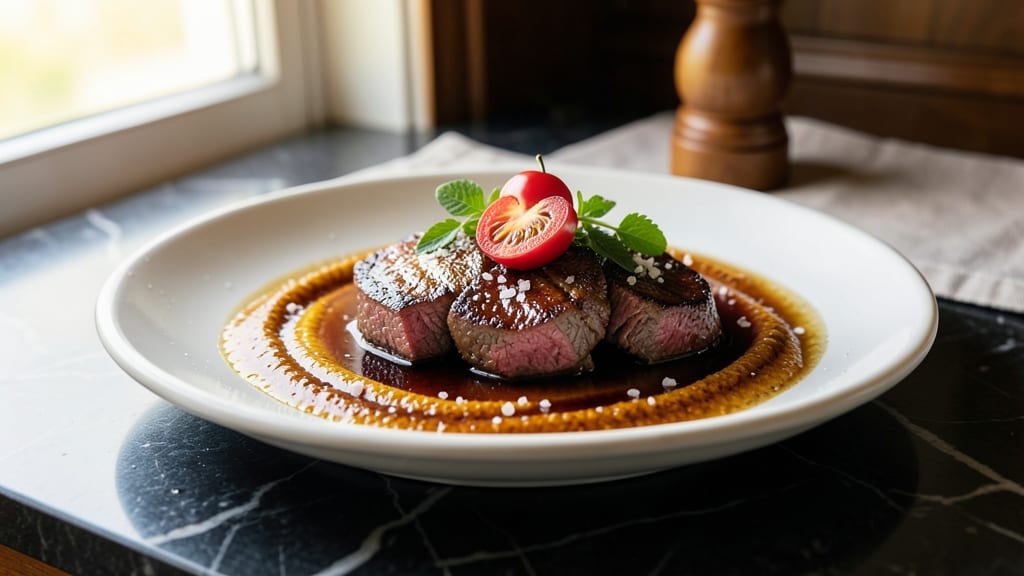
This Albert sauce recipe transforms simple roasts into luxurious centerpieces with its deep, boozy caramel richness. 🌟 What makes it special is the perfect balance of dark stock, flour, and brandy—creating a velvety glaze that clings to meat like a second skin.
The secret lies in slow reduction, where flour transforms into a glossy, flavorful paste without ever turning grainy.
Traditionally used to elevate roasted meats, this sauce delivers restaurant-quality depth with just five key ingredients. The process is straightforward: a roux builds the foundation, stock deepens the flavor, and brandy adds that signature boozy complexity.
What sets Albert sauce apart is its ability to caramelize beautifully, turning ordinary roasts into showstopping dishes.
By the time you're done, you'll have a glossy, amber sauce that drizzles effortlessly over roasted beef, lamb, or even game. The texture is silky yet substantial, with layers of caramelized flavor that linger on the palate. This isn't just a finishing touch—it's the star of the plate.
Perfect for holiday feasts or special dinners, Albert sauce keeps well in the fridge for up to five days. The rich, complex flavor makes it worth the effort, turning simple proteins into something extraordinary. Let's make it—your roasts will thank you.
Ingredients for albert sauce
Five ingredients. One luxurious sauce that turns roasts into showstopping masterpieces.
| Ingredient | Amount | Notes |
|---|---|---|
| All-Purpose Flour 🌾 | ¼ cup | Sifted for smooth texture |
| Unsalted Butter 🧈 | ½ cup | Cold, cubed for roux |
| Dark Beef Stock 🥩 | 2 cups | Homemade or high-quality jarred |
| Brandy 🍷 | ½ cup | Aged, 80-proof minimum |
| Granulated Sugar 🍬 | 1 tbsp | For caramelization |
| Salt 🧂 | ½ tsp | Kosher or sea salt |
| Freshly Ground Black Pepper 🌶️ | ¼ tsp | For finishing |
The flour and butter are your foundation—don't skimp here. Gold Medal all-purpose flour gives the best texture, and European-style butter (like Plugrá) adds richness. For the stock, homemade is ideal, but Kitchen Basics or Pacific Foods brands work for convenience. Brandy is non-negotiable—Courvoisier or Christian Brothers add depth, but any aged brandy (80-proof+) will do. The sugar isn't just for sweetness—it caramelizes beautifully during reduction, giving that signature glossy finish.
No brandy? Substitute with 2 tbsp extra dark rum or even 1 tbsp maple syrup plus 1 tbsp red wine vinegar—it won't be identical, but it'll still add complexity. Short on butter? Olive oil works in a pinch, though the flavor will shift slightly. For the stock, mushroom or lamb stock adds different but delicious depth. The sugar can be swapped for honey or brown sugar, but granulated dissolves most smoothly. Freshly ground pepper at the end is key—it brightens the rich, caramelized flavors without overpowering.
This sauce keeps beautifully—5 days refrigerated or 3 months frozen. For freezing, portion into ice cube trays, then transfer to a bag. Reheat gently on the stove, adding a splash of stock or water if it thickens too much. The sauce thickens as it cools, so don't over-reduce. Leftovers? Perfect for drizzling over roasted vegetables or mashed potatoes—it's that versatile.
Why You'll Love This Recipe
- Pantry Magic: I swear, this sauce comes together with stuff you already have—no fancy shopping required. Flour, butter, stock, a splash of brandy—honestly, it’s like my fridge is conspiring to make something special.
- Rich Without Effort: That deep, caramelized flavor from the beef stock and sugar? It develops while you’re doing other things. The brandy adds this warm, subtle kick that makes it taste like you slaved over it (but you didn’t).
- Steakhouse at Home: Drizzle it over roast beef, mashed potatoes, or even grilled veggies—suddenly, dinner feels fancy. It’s my go-to for Sunday suppers or when I want to impress guests without stressing.
- Budget Luxury: A little goes a long way, and it reheats beautifully. I make a big batch, freeze half, and pull it out whenever I need that restaurant-quality sauce without breaking the bank.
Step-by-step instructions for Albert sauce
Here's how to make this luxurious, boozy sauce that transforms roasts into showstopping centerpieces.
🍳 Step 1: Create a Perfect Roux
Melt the 0.5 cup Unsalted Butter in a medium saucepan over medium heat until it foams. Add the 0.25 cup All-Purpose Flour all at once and whisk vigorously for 2-3 minutes until the mixture turns a deep golden brown—this is your roux foundation. Here's the thing: don't walk away. The roux needs constant attention to prevent burning, and that nutty aroma means you're on the right track.
Watch for the color to transform from pale to a rich, toasty brown—this indicates the flour's raw flavor has cooked off completely. If it starts to darken too quickly, reduce the heat slightly. This roux will be the flavor backbone of your sauce, so take your time getting it right. Once it reaches that perfect golden-brown stage, immediately add the 2 cups Dark Beef Stock to halt further cooking.
🥘 Step 2: Simmer and Build Depth
Bring the mixture to a gentle simmer over medium-low heat and cook uncovered for 15-20 minutes, stirring occasionally with a wooden spoon. You're looking for the sauce to thicken noticeably—it should coat the back of a spoon but still flow smoothly. This slow reduction allows the flavors to meld and develop complexity.
Here's where the magic happens: after 10 minutes of simmering, stir in the 1 tbsp Granulated Sugar and 0.5 tsp Salt. The sugar will caramelize slightly, adding a subtle sweetness that balances the richness, while the salt enhances all the flavors. Keep stirring occasionally to prevent the sauce from sticking to the bottom of the pan.
🔥 Step 3: Incorporate the Brandy
Once your sauce has thickened to your desired consistency, remove the pan from heat and let it cool slightly for 2-3 minutes. This is crucial—adding the 0.5 cup Brandy to a hot sauce can cause it to curdle or even ignite. Slowly pour the brandy down the side of the pan while whisking constantly to distribute it evenly.
Return the pan to low heat and simmer gently for another 5-7 minutes to allow the alcohol to cook off completely. You'll notice the sauce becoming glossier and more cohesive as the brandy's sharpness mellows into a warm, boozy richness. The alcohol content in brandy is what gives Albert Sauce its distinctive character—don't skip this step, even if you're not a fan of strong flavors.
⏰ Step 4: Finish and Rest
Remove the sauce from heat once again and stir in the 0.25 tsp Freshly Ground Black Pepper. This final touch adds a subtle piquancy that cuts through the richness. Let the sauce rest at room temperature for 10-15 minutes—this allows the flavors to fully integrate and the texture to settle. The resting period also gives you time to prepare your roast or other protein that will be receiving this luxurious drizzle.
Before serving, give the sauce one final taste and adjust the seasoning if needed. It should be rich, slightly sweet, with a warm brandy note that lingers. Albert Sauce is best when served warm, so reheat gently over low heat if needed, stirring constantly to prevent skin formation. This sauce pairs beautifully with roasted meats, particularly beef, where it creates an elegant caramelized crust.
Pro Tips For Making Albert Sauce
- Bloom the Flour First: Whisk your 2 tablespoons of flour into the cold butter with a fork before adding liquid—this prevents lumps like glue in your sauce. I used to ignore this and ended up with a grainy mess that wouldn’t emulsify.
- Salt the Stock: If your beef stock isn’t already salted, add ½ teaspoon of salt per cup while warming it—this balances the butter’s richness without overpowering the sauce later. Trust me, unsalted stock here is a flavor disaster waiting to happen.
- Deglaze with Brandy Last: Wait until the roux is fully cooked and the stock is simmering before adding the brandy—flaming it too early burns the alcohol and leaves a harsh, boozy aftertaste. Let the sauce build first, then ignite.
- Simmer, Don’t Boil: Keep the sauce at a gentle simmer (tiny bubbles, occasional swirls) for 10–15 minutes—boiling turns it gluey and dulls the brandy’s depth. Sounds boring, but this is the thing that makes Albert sauce actually taste like it belongs on steak.
Regional styles of this dish
British Classic
Albert sauce originated in 19th-century England as a luxurious accompaniment to roasted meats, particularly beef and game. It became a staple in British pubs and upscale restaurants, often served with Yorkshire pudding or roast potatoes.
The sauce's signature boozy depth comes from brandy, which was readily available in Victorian England. 🍷
What makes this version special is its silky texture—unlike traditional gravies, Albert sauce has a glossy, caramelized finish that clings beautifully to meat. It was traditionally made with dark stock and a touch of sugar, creating that perfect balance between richness and subtle sweetness.
The name itself is somewhat mysterious—some say it was named after Prince Albert, while others believe it was created by a chef named Albert in a London restaurant.
French Influence
The technique behind Albert sauce has clear French roots, particularly from sauce bordelaise and sauce espagnole. The roux-based foundation and slow reduction are classic French methods, though the British version is typically less wine-forward and more brandy-infused.
French chefs often use red wine in their reductions, while Albert sauce relies on brandy for depth. 🍷
In France, similar sauces like sauce au poivre (pepper sauce) or sauce aux champignons (mushroom sauce) share the same rich, glossy texture, but Albert sauce stands out for its bold, caramelized sweetness.
The French might call it a "sauce caramelisée au brandy"—a nod to its dual identity as both British and French-inspired.
American Pub Twist
When Albert sauce crossed the Atlantic, it found a home in American pubs and steakhouses, where it became a signature drizzle for prime rib and roast beef.
The American version often includes a touch of Worcestershire sauce (about 1 tsp) to add umami depth, which wasn’t traditional in Britain but became popular in the U.S. This adaptation makes the sauce even more complex and savory, perfect for hearty American roasts. 🥩
In places like New York and Chicago, you’ll find Albert sauce served with corned beef hash or roast beef sandwiches, giving it a comfort-food twist.
The sauce’s glossy finish also makes it a favorite for holiday roasts, especially during Thanksgiving and Christmas dinners, where it elevates simple meats into something extraordinary.
Modern Fusion
Today, chefs around the world are putting their own spin on Albert sauce. In Japan, you might find a version with mirin and soy sauce for an umami-rich twist, while in Australia, some add Vegemite for a savory depth.
Even vegetarian adaptations exist, using mushroom or lentil stock instead of beef, with smoked paprika for a smoky kick. 🌶️
For a quick modern shortcut, some cooks blend the finished sauce with a splash of heavy cream for extra richness or stir in crushed hazelnuts for texture. The key is keeping that caramelized sweetness and brandy depth—even if you’re experimenting with global flavors.
The sauce’s versatility makes it a blank canvas for creativity while staying true to its roots.
Nutrition facts
Frequently asked questions about Albert sauce
What's the difference between Albert sauce and regular gravy?
Albert sauce is richer and glossier than traditional gravy, thanks to its brandy reduction and caramelized sugar. While gravy is typically made from pan drippings and stock, Albert sauce uses a roux foundation that creates a silky, almost paste-like consistency when reduced. The brandy adds depth that gravy lacks, making it perfect for drizzling over roasts rather than just pouring.
Can I make Albert sauce without brandy?
Yes, but the flavor will be different. For a substitute, use 2 tbsp dark rum or mix 1 tbsp maple syrup with 1 tbsp red wine vinegar to mimic the depth. The sauce will still work, but the signature boozy richness will be missing. If avoiding alcohol completely, a 1 tsp vanilla extract can add subtle warmth to compensate.
How do I fix Albert sauce if it's too thick or too thin?
For too thick sauce, thin with 1-2 tbsp warm stock or water while stirring constantly. For too thin sauce, simmer uncovered for 5-10 more minutes to reduce further. If it separates, whisk in 1 tsp cold butter to help emulsify. The ideal consistency should coat the back of a spoon but still flow smoothly when drizzled.
What meats pair best with Albert sauce?
Albert sauce is traditionally served with beef roasts, especially prime rib or ribeye, but it also works beautifully with lamb, pork, or even game meats. For poultry, try it with roasted duck or chicken thighs. The sauce's rich, caramelized flavor complements hearty proteins, while its glossy texture makes it perfect for drizzling over Yorkshire pudding or mashed potatoes.
How long can I store homemade Albert sauce?
Store in an airtight container in the fridge for up to 5 days or freeze for 3 months. For freezing, portion into ice cube trays first to make reheating easier. When reheating, warm over low heat and stir frequently to prevent skin formation. The sauce thickens as it cools, so you may need to thin it slightly with stock when reheating.