
Sauces & Condiments
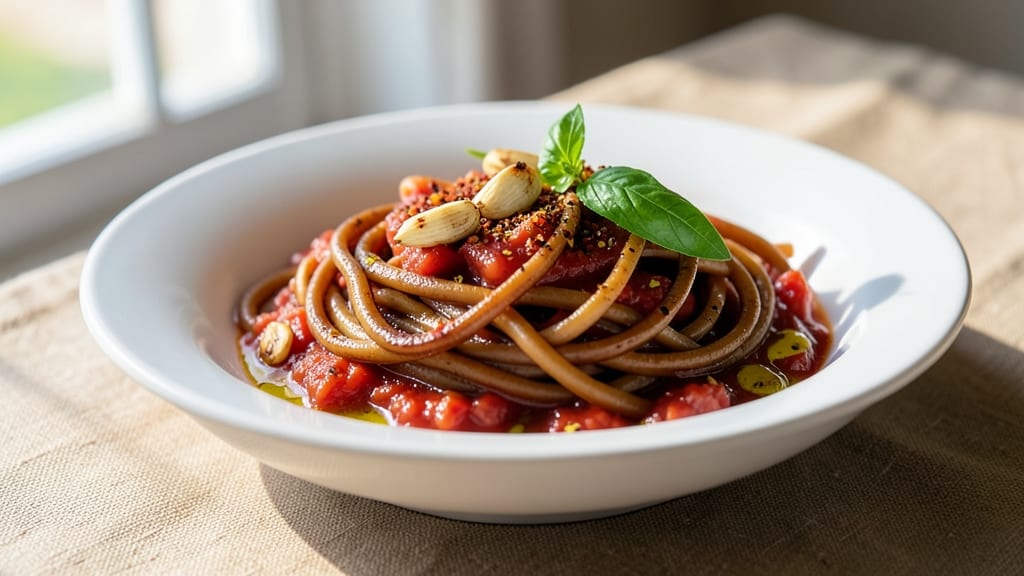
This Calabrese pasta sauce recipe transforms simple ingredients into a bold, aromatic sauce that captures the essence of Southern Italian cooking. The secret lies in Calabrian chili flakes, which add a subtle heat and depth that elevates every spoonful.
I developed this sauce after years of perfecting the balance between sweet tomatoes, fresh basil, and the signature peppery kick of Calabria—it’s the kind of sauce that turns ordinary pasta into a restaurant-worthy meal.
The process is straightforward but essential for flavor development: simmering crushed tomatoes with garlic and olive oil until thickened, then blending in fresh basil and Calabrese chili for that signature brightness.
This isn’t just a quick sauce—it’s a versatile, storable condiment that improves with time, making it perfect for meal prep or gifting. The result is a sauce that’s rich yet light, with layers of flavor that cling to every strand of pasta or drizzle over pizza.
What makes this sauce truly special is its adaptability—it works as a marinade, a pizza topping, or a simple weeknight dinner base. The Calabrese chili flakes provide a gentle warmth without overpowering, while the basil adds freshness that keeps the sauce vibrant.
Whether you’re tossing it with spaghetti or using it as a dip for crusty bread, this sauce delivers authentic Italian flavor with minimal effort.
Ready in just 30 minutes, this sauce requires only a handful of ingredients and a little patience. The key is letting the flavors meld during the simmer, so don’t rush it. Once you taste the difference between this homemade version and store-bought, you’ll never go back. Let’s get cooking!
Ingredients for calabrese pasta sauce
Nine simple ingredients create a sauce bursting with Calabrese chili warmth and basil brightness—no shortcuts needed.
| Ingredient | Amount | Notes |
|---|---|---|
| Extra-Virgin Olive Oil 🫒 | ½ cup | High-quality, fruity variety |
| Garlic Cloves 🧄 | 4 cloves | Freshly minced for depth |
| San Marzano Crushed Tomatoes 🍅 | 28 oz | Canned, no salt added |
| Calabrese Chili Flakes 🌶️ | 1 tbsp | For signature peppery heat |
| Fresh Basil Leaves 🌿 | ½ cup | Packed, stems removed |
| Dried Oregano 🍃 | 1 tsp | Mediterranean variety preferred |
| Red Wine Vinegar 🍷 | 1 tbsp | For brightness and acidity |
| Diamond Crystal Kosher Salt 🧂 | 1 tsp | Adjust to taste |
| Freshly Ground Black Pepper 🌶️ | ½ tsp | For subtle heat |
| Granulated Sugar 🍬 | 1 tsp | Balances acidity |
The Calabrese chili flakes are non-negotiable—look for them at Italian specialty stores like Eataly or Whole Foods, where they’re sold in small jars. If you can’t find them, crushed red pepper flakes work in a pinch, but the flavor won’t be the same. San Marzano tomatoes are worth the splurge: their sweetness and low acidity make all the difference. Trader Joe’s and Costco carry them reliably, and they keep for months in your pantry. Fresh basil is ideal, but if you’re using dried, reduce to one-third the amount—it’s potent stuff. Toast the garlic in the olive oil until golden for extra depth, but don’t let it burn.
No Calabrese chili flakes? Aleppo pepper or crushed red pepper flakes add heat, though they won’t replicate that signature peppery kick. Short on fresh basil? Dried basil at one-third the amount works, but the sauce will lack brightness. The red wine vinegar can be swapped for lemon juice, though it’ll taste slightly different. For a richer sauce, add a splash of pasta water when blending—it helps emulsify everything. If your tomatoes are too acidic, the granulated sugar balances it out beautifully. Pro tip: Simmer uncovered to let the flavors concentrate.
This sauce tastes even better the next day—let it rest in the fridge for at least 4 hours before serving. Store in an airtight jar with a layer of olive oil on top to preserve freshness. Keeps for 5-7 days in the fridge or 3 months frozen. I like to freeze it in ice cube trays for easy portioning—just thaw and toss with pasta. The sauce thickens as it cools, so you can always loosen it with a splash of water or pasta water when reheating.
Why You'll Love This Recipe
- Here’s the truth: I always make extra. The flavors deepen overnight, and reheating it? It’s like it was just made. Plus, the San Marzano tomatoes keep it from turning into sad, watery mush—because nobody deserves sad pasta.
- Five-Ingredient Magic: I swear by this—just oil, garlic, tomatoes, chili flakes, and basil. That’s it. No fancy prep, no hidden pantry raids, just pure, unfussy flavor that still feels like you put in effort.
- Garlic-Basil Bomb: The moment those garlic cloves hit the oil and sizzle until golden, then get kissed by fresh basil? My mouth waters just thinking about it. That bright, herby punch cuts through the richness of the tomatoes like a breath of fresh air.
- Weeknight Workhorse: Between us, this sauce is my go-to for busy nights. Toss it with pasta, drizzle over grilled chicken, or even slather it on toast—it’s the kind of thing that makes me look like a hero without actually trying.
Step-by-step instructions for Calabrese pasta sauce
This sauce delivers vibrant, restaurant-quality Calabrese flavor with minimal effort.
Bloom the Chili Flakes and Aromatics
Heat the 0.5 cup extra-virgin olive oil in a large, heavy-bottomed saucepan over medium-low heat. Add the 1 tablespoon Calabrese chili flakes and stir constantly for 30 seconds until fragrant and slightly darkened—this releases their signature peppery aroma without burning. Immediately add the 4 cloves minced garlic and cook for another 30 seconds until just golden.
Watch the heat carefully here—garlic burns faster than you think. You want it to perfume the oil but not darken into bitterness. The chili flakes should create a subtle red haze in the oil, signaling they're ready to work their magic in the sauce. Remove from heat briefly if it starts to smoke.
Develop the Tomato Base
Return the pan to medium heat and add the 28 oz San Marzano crushed tomatoes, stirring to combine. Bring to a gentle simmer, then reduce heat to low and let it cook uncovered for 15 minutes. This slow reduction allows the tomatoes to concentrate while developing depth of flavor.
During this time, you'll notice the sauce transform from bright red to a deeper, richer hue as the tomatoes break down. Stir occasionally to prevent sticking, and resist the urge to rush—this is where the sauce builds its foundation. The texture should thicken noticeably but still be saucy enough to coat the back of a spoon.
Balance Flavors with Acid and Sweetness
Add the 1 tablespoon red wine vinegar, 1 teaspoon dried oregano, 1 teaspoon granulated sugar, 1 teaspoon Diamond Crystal kosher salt, and 0.5 teaspoon freshly ground black pepper. Stir well and let the sauce simmer for another 10 minutes at low heat. The vinegar brightens the tomatoes while the sugar mellows their acidity, creating perfect balance.
Taste the sauce at this stage—it should be tangy, slightly sweet, and deeply tomatoey. If it needs more salt (unlikely with San Marzano), add it now. The oregano should add earthy depth without overpowering. This is where the sauce comes together—trust your palate and adjust if needed.
Finish with Fresh Basil
Remove the pan from heat and stir in the 0.5 cup fresh basil leaves. Let the sauce sit off the heat for 5 minutes—this allows the basil's oils to infuse without wilting. The leaves will soften slightly, releasing their bright, sweet aroma into the sauce.
Give it one final taste and adjust seasoning if necessary. The sauce should be vibrant, complex, and perfectly balanced—bright from the vinegar and basil, rich from the tomatoes, and with just a hint of spicy heat from the chili flakes. Serve immediately over your choice of pasta for the ultimate Calabrese experience.
Pro Tips For Making Calabrese Pasta Sauce
- Bloom the Garlic Slow: Let those minced cloves sizzle in olive oil for 30 seconds before adding anything else—just until they’re fragrant and just starting to turn golden. I learned this the hard way: rushing this step makes the whole sauce taste raw and bitter, no matter how long you simmer after.
- Crush Tomatoes by Hand: Skip the canned crushed tomatoes if you can—use a fork to break up whole San Marzano tomatoes right in the pot. The extra skin and pulp caramelize into a deeper, richer sauce. (Yes, it’s messier, but your sauce will taste like it came from a trattoria.)
- Salt the Oil First: Toss a pinch of flaky salt into the olive oil before garlic hits the pan. It seasons the oil itself, which means every layer of your sauce gets that bright, balanced flavor from the start. I used to add salt later, and the dish always felt flat.
- Toast the Chili Flakes: Bloom the Calabrese flakes in the oil for 10 seconds before garlic—just until they smell like smoke, not burnt. This brings out their heat and depth without overpowering. (And no, a quick sprinkle later doesn’t cut it.)
Creative variations of this calabrese pasta sauce
Spicy Calabrese Twist
Double the Calabrese chili flakes to 2 tablespoons for a fierier kick, then balance with 1 extra teaspoon of sugar to prevent overpowering heat. I love adding 1 teaspoon of smoked paprika for depth—it mimics the charred flavors of grilled Calabrese peppers.
For a spicy-sweet finish, stir in 1 tablespoon of honey during the final simmer. This variation works perfectly with rigatoni or fresh penne for extra texture contrast. 🌶️
White Wine Reduction
Replace the red wine vinegar with ¼ cup dry white wine (like Pinot Grigio) and reduce it by half before adding to the sauce. This adds a bright, citrusy complexity that pairs beautifully with seafood pasta or grilled shrimp.
Simmer the wine in the pan for 3-4 minutes until reduced to 2 tablespoons, then proceed with the recipe. The alcohol cooks off, leaving behind a delicate acidity that elevates the sauce’s brightness. 🍷
Herb-Infused Oil Base
Infuse the olive oil with 2 sprigs of rosemary and 1 sprig of thyme while heating it (remove before adding garlic). This adds an earthy, aromatic depth that complements the Calabrese flavors.
For a garlic-forward twist, use 6 cloves of minced garlic instead of 4, but toast them for only 20 seconds to avoid bitterness. This variation shines with roasted vegetables or as a dipping sauce for crusty bread. 🌿
Slow-Cooked Version
Transfer the sauce to a slow cooker after Step 2 and cook on low for 4-5 hours for a deeply concentrated flavor. The long simmer caramelizes the tomatoes and intensifies the chili flakes’ heat. Finish with fresh basil as directed.
This method is ideal for meal prep—store in airtight containers for up to 7 days in the fridge. The sauce thickens further over time, so thin with pasta water before serving. ⏳
Creamy Calabrese
Stir in ½ cup heavy cream or mascarpone cheese during the final 5 minutes of simmering for a luxurious, velvety texture. The cream softens the chili’s heat while adding richness. This version pairs perfectly with fettuccine or gnocchi.
For extra decadence, top with crispy pancetta or grated Parmesan before serving. The contrast of creamy and spicy is pure comfort food magic. 🧀
Nutrition facts
Frequently asked questions
What makes Calabrese chili flakes different from regular red pepper flakes?
The Calabrese chili flakes come from dried Calabrian chili peppers, which have a unique peppery, slightly sweet flavor with less heat than regular red pepper flakes. They're milder but more aromatic, adding depth rather than just spice. Regular red pepper flakes are hotter and have a sharper, more one-dimensional heat.
Can I make this sauce without fresh basil?
Yes! Use 1 teaspoon dried basil instead, but reduce the amount by one-third since dried herbs are more concentrated. For extra brightness, add ½ teaspoon lemon zest when finishing the sauce. The flavor won't be identical, but it'll still be delicious—just slightly less vibrant.
How do I adjust the spice level if I can't find Calabrese chili flakes?
Start with ½ teaspoon Aleppo pepper or crushed red pepper flakes for a milder heat, then add more to taste. For a different flavor profile, try ½ teaspoon smoked paprika—it adds depth without the same peppery kick. Always balance with 1 extra teaspoon sugar if increasing spice.
Will this sauce work with other types of pasta?
This sauce pairs beautifully with spaghetti, penne, or linguine, but it also works well with gluten-free pasta or whole wheat varieties. For extra texture, try tossing it with chickpea pasta or using it as a marinade for grilled chicken. The sauce's versatility makes it perfect for any Italian-inspired meal.
How long can I store this sauce, and how do I reheat it?
Store in an airtight container in the fridge for up to 7 days or freeze for 3 months. To reheat, warm gently on the stove over low heat with a splash of water or pasta water to restore its smooth texture. Never microwave—it can make the sauce watery. The flavors actually improve after resting overnight!