
Sauces & Condiments
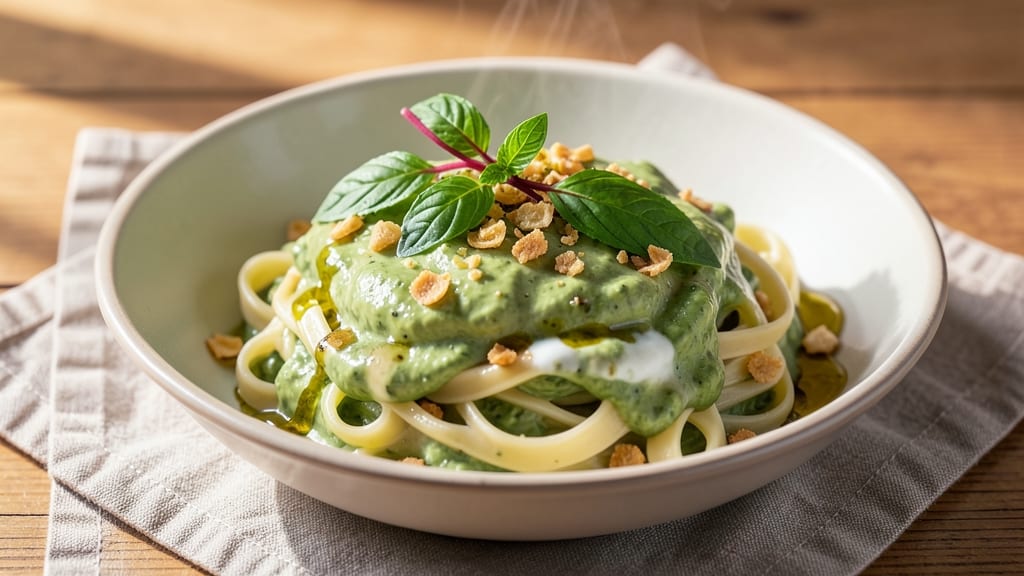
This avocado cream pasta sauce transforms ordinary noodles into a luxurious, vibrant dish in just 15 minutes.
The secret lies in blending ripe avocados with tangy lemon, fresh herbs, and a touch of cream (or dairy-free alternative) to create a velvety sauce that clings beautifully to pasta while maintaining a bright, fresh flavor profile.
I developed this recipe during a particularly busy week when I needed a quick yet restaurant-worthy sauce that didn't require simmering or complicated techniques.
The beauty of this sauce is its versatility—it works equally well with al dente spaghetti, penne, or even gluten-free noodles. The avocado provides natural creaminess without the need for heavy dairy, while garlic and lemon add depth and brightness.
What makes it special is how the sauce maintains its vibrant green color and fresh taste, even after chilling. It's the kind of sauce that elevates simple pasta into something extraordinary with minimal effort.
What you'll end up with is a silky, green-hued sauce that's rich yet light, with a perfect balance of creamy avocado and zesty lemon. The texture is smooth and velvety, coating each strand of pasta evenly without being overly thick.
This sauce is also incredibly forgiving—it tastes best fresh but holds up well in the fridge for up to 3 days, making it perfect for meal prep or last-minute dinners.
Pair it with grilled chicken, shrimp, or roasted vegetables for a complete meal, or serve it as a stand-alone sauce with crusty bread. The possibilities are endless, and the process couldn't be simpler. Let's make this sauce!
Ingredients for avocado cream pasta sauce
Eight ingredients transform into this dreamy, vibrant green sauce in record time.
| Ingredient | Amount | Notes |
|---|---|---|
| Ripe Avocados 🥑 | 2 whole | Firm but yielding, no brown spots |
| Extra-Virgin Olive Oil 🫒 | ½ cup | High quality, fruity variety |
| Fresh Lemon Juice 🍋 | 2 tbsp | Freshly squeezed, seedless |
| Fresh Garlic Cloves 🧄 | 3 cloves | Peeled, minced finely |
| Fresh Basil Leaves 🌿 | ½ cup | Packed, stems removed |
| Heavy Cream 🥛 | ¼ cup | Full-fat preferred |
| Vegetable Broth 💧 | ¼ cup | Low-sodium preferred |
| Salt 🧂 | ½ tsp | Kosher or sea salt |
| Black Pepper 🌶️ | ¼ tsp | Freshly ground preferred |
| Creamy Vegan Alternative 🥥 | ¼ cup | Silken tofu or coconut cream (optional) |
The avocados are non-negotiable—ripe but firm ones blend smoothly without turning mushy. Trader Joe's or local farmers markets usually have the best selection. If your avocados are too soft, chill them first to firm up slightly. The olive oil should be extra-virgin—it's what gives this sauce that luxurious finish. I always grab a small bottle of California extra-virgin from the store's olive oil section, and it makes all the difference. Fresh basil is ideal, but if you're using dried, reduce to one-third the amount—it's a game-changer for that fresh flavor.
No heavy cream? Silken tofu or coconut cream works perfectly for a vegan version—just blend it in at the end. Short on garlic? Garlic powder at half the amount is a decent swap, but fresh is always better. The vegetable broth adds depth without overpowering, so don't skip it. If you're using a pre-made sauce or dressing, look for one with no added salt—you'll be adding your own. The lemon juice is what keeps this sauce vibrant and tangy, so make sure it's freshly squeezed. If you're prepping ahead, squeeze the lemon last to keep the sauce bright.
This sauce is a dream to store—just pour a thin layer of olive oil on top before sealing to keep it green. It keeps for 3-4 days in the fridge, and the flavor actually improves after chilling. For meal prep, I portion it into small jars—perfect for tossing with pasta or drizzling over salads. If it thickens in the fridge, just stir in a splash of water or broth to loosen it up. Freezing isn't recommended, as the texture can get grainy, but it's worth making extra for the week.
Why You'll Love This Recipe
- No Blender Needed: I swear by this trick—just mash the avocado right in the saucepan with a fork after sautéing the garlic. The texture comes out velvety smooth without any extra gadgets, and honestly? It’s half the cleanup.
- Bright & Creamy Magic: That lemon juice cuts through the richness of the avocado, while the garlic and basil make every bite sing with freshness. It’s the kind of sauce where you take the first forkful and immediately think, “Why didn’t I do this sooner?”
- Lunchbox Hero: Pack this for work or school—it holds up beautifully in containers (just add pasta separately to keep it from getting soggy). My kids actually eat their veggies when it’s hidden in this sauce, and I’ll take that win any day.
- Budget Bright Spot: Avocados stretch this sauce further than you’d think, especially when you pair it with affordable pasta. I’ve made this for 6 people for under $12, and the leftovers? Still delicious reheated the next day.
Step-by-step instructions for avocado cream pasta sauce
This velvety green sauce comes together faster than you can boil water—creamy, tangy, and packed with fresh flavor.
Halve and Pit the Avocados
Cut the 2 whole ripe avocados lengthwise around the pit, twist to separate, then remove the pits with a spoon. Scoop the flesh directly into a food processor or blender—no need to peel. The skins stay behind, but the creamy texture comes from the fruit itself. I like to leave the avocados whole until the last minute to prevent browning.
If your avocados are particularly soft, you might want to add 1-2 ice cubes to the processor to help prevent melting during blending. The goal is to create a smooth, lump-free base that will form the heart of your sauce.
Blend the Avocado Base
Add the 0.5 cup extra-virgin olive oil, 2 tablespoons fresh lemon juice, 3 minced garlic cloves, 0.5 teaspoon salt, and 0.25 teaspoon black pepper to the food processor. Pulse a few times to break everything down, then blend continuously for 1-2 minutes until completely smooth. You're looking for a vibrant green, almost custard-like consistency.
Here's the thing—don't rush this step. A smooth blend is everything. If it looks too thick, add 1-2 tablespoons of vegetable broth to help emulsify. The sauce should be silky, not grainy. Taste it now—it should be rich, tangy, and slightly garlicky.
Add Cream and Broth for Depth
Transfer the avocado mixture to a medium saucepan set over medium-low heat. Stir in the 0.25 cup heavy cream and 0.25 cup vegetable broth. The heat will gently warm the sauce, allowing the flavors to meld. Keep stirring occasionally—you don't want anything to stick or burn.
Simmer the sauce for 3-4 minutes until it reaches 160°F, just until it's warmed through. It should coat the back of a spoon with a velvety texture. If you're using the 0.25 cup creamy vegan alternative, add it now and stir until fully incorporated. This is where the sauce gets its luxurious mouthfeel.
Finish with Fresh Basil
Remove the sauce from heat and stir in the 0.5 cup fresh basil leaves. Let it steep for 1-2 minutes, then taste and adjust seasoning if needed. The basil adds a bright, herbal note that cuts through the richness of the avocado and cream. If the sauce is too thick, thin it with a splash more broth or water.
This sauce is best used immediately, but if you need to store it, transfer to an airtight container and refrigerate for up to 2 days. Give it a quick stir before using—it may thicken slightly when chilled. For extra richness, add a pinch more salt or a squeeze of lemon juice before serving.
Toss with Cooked Pasta
Cook your pasta according to package instructions until al dente, reserving 1 cup of pasta water. Drain the pasta, then toss it directly in the saucepan with the avocado cream sauce. Add 2-3 tablespoons of pasta water at a time, stirring vigorously, until the sauce clings smoothly to the noodles.
Serve immediately while warm. The sauce should coat the pasta in a glossy, velvety layer. For a restaurant-worthy touch, garnish with extra basil leaves, a drizzle of olive oil, or a sprinkle of flaky sea salt. This sauce pairs perfectly with penne, fettuccine, or even gluten-free noodles!
Pro Tips For Making Avocado Cream Pasta Sauce
- BLEND IN BATCHES: Mix your avocado sauce in small portions—don’t dump all the avocado into the blender at once. I learned this after ending up with a grainy mess that wouldn’t smooth out, no matter how long I pulsed. Start with half, blend until silky, then add the rest while keeping the motor running.
- SALT THE GARLIC: Toss your minced garlic into a tiny bowl with a pinch of salt before cooking. This stops it from turning bitter and ensures it softens evenly without sticking to the pan. (Yes, even if you’re impatient like me—wait the 30 seconds it takes.)
- STOP AT GREEN: When adding lemon juice, taste as you go—you’ll need less than you think. Overdoing it makes the sauce taste flat and dull. I used to squeeze the whole lemon, then wonder why the dish lacked richness. Aim for brightness, not sourness.
- CHILL THE BASIL: Tear your basil leaves and let them sit in cold water for 2 minutes before adding to the sauce. This mutes the bitterness and keeps the color vibrant longer. (Does it look weird? Yes. Does it work? Every single time.)
Storing and reheating your leftovers
Fridge Storage Tips
Transfer your sauce to an airtight glass container—I love using mason jars with snap-on lids for easy portioning. Pour a thin layer of extra-virgin olive oil (about 1 tablespoon) over the top to create a protective seal against oxidation.
This keeps the vibrant green color and prevents browning. Store at 40°F or below for up to 3 days, but trust me, it tastes even better the next day as flavors meld. 🥫
Thawing and Rewarming
When ready to use, let the sauce sit at room temperature for 10-15 minutes before reheating. For best texture, warm it gently in a saucepan over low heat with 1-2 tablespoons of water or broth to prevent sticking.
Stir constantly until it reaches 160°F—this ensures the sauce remains silky, not grainy. If it thickens too much, add another splash of liquid and stir until smooth. 🔥
Avoid Freezing Pitfalls
This sauce isn't ideal for freezing because the avocado can turn mushy and the texture becomes grainy. However, if you must, portion it into ice cube trays, freeze, then transfer to a freezer bag.
Use within 1 month and thaw only in the fridge overnight. For best results, make fresh batches weekly—it's that good! ❄️
Meal Prep Strategy
Prep ahead by making a double batch and storing in small glass jars (like 8-ounce mason jars). These are perfect for tossing with pre-cooked pasta or drizzling over salads. Label with the date and store in the fridge.
When ready to serve, simply stir in a splash of water or lemon juice to revive the texture. I keep one jar in my fridge at all times for quick weeknight dinners. 📅
Reviving Thickened Sauce
If your sauce thickens in the fridge, don't toss it! Stir in 1-2 tablespoons of warm water or vegetable broth and whisk vigorously. The sauce should return to its creamy consistency almost instantly.
For extra richness, add a pinch of salt or a squeeze of lemon juice. This trick works every time—no waste, just delicious results. ✨
Pasta Water Hack
When reheating, add 2-3 tablespoons of reserved pasta water directly to the sauce. The starch in the water helps emulsify the sauce, making it cling beautifully to noodles.
This is especially helpful if you're reheating a thicker portion. Pro tip: Keep a small jar of pasta water in the fridge for this exact purpose. 💡
Nutrition facts
Frequently asked questions
Can I make this sauce without avocado?
The avocado is key for that signature creamy texture and vibrant green color, but you can substitute with 1/2 cup silken tofu or 1/4 cup cashew butter for a similar richness. For best results, blend the substitute with the same amount of liquid (olive oil, broth) to maintain consistency. The flavor will be slightly different but still delicious!
How do I prevent the sauce from turning brown?
Avocado oxidizes quickly, so work fast and keep everything cold. Store the sauce in an airtight container with a thin layer of olive oil on top to create a barrier. If browning occurs, mix in 1/2 teaspoon lemon juice—it helps preserve the color while adding brightness. For prep-ahead meals, make the sauce fresh daily or store only the blended base without cream.
What pasta works best with this sauce?
This velvety sauce clings beautifully to penne, fettuccine, or gluten-free noodles. For extra texture, try rigatoni or gemelli. Avoid long, thin strands like spaghetti—the sauce may slide off. If you're using a heartier pasta, reduce the sauce slightly to ensure proper coating.
Can I add protein to this sauce?
Toss in grilled shrimp, chicken breast, or white fish (like cod or tilapia) after cooking. For a vegetarian option, stir in white beans or crumbled tofu for extra protein. Keep proteins separate until the last minute to prevent overcooking. The sauce's mild flavor pairs perfectly with lean proteins.
Why did my sauce separate?
Separation happens when the sauce sits too long or isn't emulsified properly. Fix it by whisking in 1 tablespoon of warm water or broth while blending on low. For a smoother texture, add 1/2 teaspoon of mustard powder (it acts as a natural emulsifier). Stirring constantly while reheating also helps prevent separation.