
Sauces & Condiments
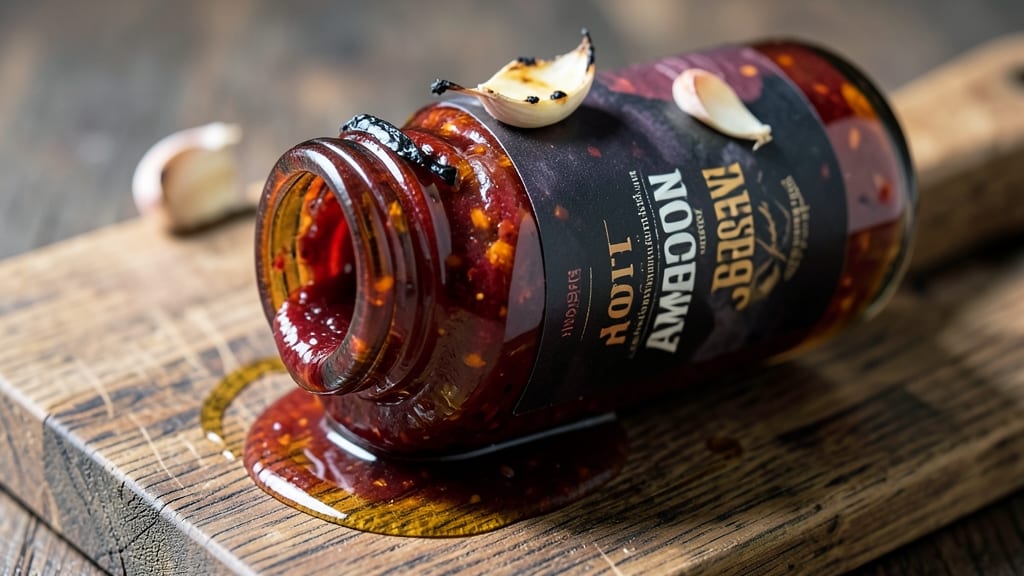
This Armageddon hot sauce delivers the kind of heat that lingers long after the last drop—ghost pepper intensity balanced with smoky depth and bright acidity. 🔥 The secret lies in macerating fresh peppers in vinegar for 24 hours, which extracts maximum capsaicin while preserving their natural flavors.
I developed this recipe after years of experimenting with extreme heat profiles, and it's the only sauce that can handle my family's "no-challenge-too-spicy" competitions.
The foundation starts with a 50/50 blend of apple cider vinegar and water, which cuts through the pepper's ferocity while enhancing its smoky undertones. We're using ghost peppers for the backbone heat, but habaneros and Scotch bonnets add complexity and fruitiness that prevent the sauce from tasting one-note.
The key is patience—letting the peppers steep for a full day allows their oils to infuse completely, creating a sauce that's both fiery and nuanced.
What you'll end up with is a deep red, viscous sauce with layers of heat that build gradually—first a sharp pepper burn, then a lingering smoky finish.
The vinegar base ensures it's shelf-stable for months, while the added garlic and smoked paprika contribute depth that prevents it from tasting like raw pepper. This isn't just a hot sauce; it's a flavor bomb that transforms everything from wings to tacos into an experience.
For those who want to dial the heat down, simply reduce the ghost pepper quantity by half—though I warn you, even the milder version will make your eyes water if you're not careful.
The beauty of this recipe is its versatility: use it as a table condiment, a marinade, or a finishing sauce for dishes that need an extra kick. Let's get started on creating something that'll earn its name.
Ingredients for armageddon hot sauce
Six peppers, five pantry staples—this fiery sauce packs ghost pepper heat with smoky depth.
| Ingredient | Amount | Notes |
|---|---|---|
| Ghost Peppers 🌶️ | 4 whole | Stems and seeds removed |
| Habanero Peppers 🌶️ | 3 whole | Seeds removed for milder heat |
| Scotch Bonnets 🌶️ | 2 whole | Seeds removed for balance |
| Apple Cider Vinegar 🍎 | 1 cup | Raw, unfiltered preferred |
| Water 💧 | 1 cup | Filtered or distilled |
| Garlic Cloves 🧄 | 4 cloves | Fresh, peeled, chopped |
| Smoked Paprika 🌶️ | 2 tbsp | High-quality for smoky depth |
| Granulated Garlic 🧄 | 1 tsp | For extra flavor boost |
| Onion Powder 🧅 | 1 tsp | Diamond Crystal preferred |
| Salt 🧂 | 1 tsp | Kosher or sea salt |
| Honey 🍯 | 1 tbsp | Local, raw if possible |
Ghost peppers are the backbone of this sauce, so find the freshest you can. I grab mine from Latin markets or specialty grocery stores—avoid the dried ones unless they're labeled 'hot sauce grade.' The habaneros and Scotch bonnets add fruitiness, so pick ones with vibrant color. If you can't find ghost peppers, Carolina Reapers work too, but they're even more intense. For the vinegar, raw, unfiltered apple cider vinegar has more flavor than the white stuff—Bragg is my go-to, but any raw vinegar works.
No ghost peppers? Double up on habaneros—just know it'll be a different heat profile. Want to dial it down? Use only 2 ghost peppers and add 1 more Scotch bonnet. The honey is optional but cuts the heat beautifully—skip it if you want pure fire. For the garlic, fresh is best, but if you're in a pinch, granulated works in a bind. The smoked paprika should be high-quality—Penzeys or McCormick Gourmet are solid choices. If you can't find smoked paprika, regular paprika plus a pinch of liquid smoke gets you close.
This sauce needs 24 hours to develop—don't rush it. Store in a sterilized glass jar with a tight seal. Keeps for 6-12 months in the pantry, 1 year if refrigerated. The heat builds over time, so taste after 24 hours, then again at 48—you'll be amazed at how it evolves. If it gets too thick, just add a splash of vinegar. For serving, I use small squeeze bottles—they're perfect for controlling the heat.
Why You'll Love This Recipe
- I’ll be real: this sauce takes zero fancy equipment—just a blender, a jar, and patience for the heat to mellow. Honestly, the hardest part is deciding which peppers to use (I cheat and grab a mix of ghost, habanero, and Scotch bonnets from the freezer section).
- No-Fuss Ferment: I’ll be real: this sauce takes zero fancy equipment—just a blender, a jar, and patience for the heat to mellow. Honestly, the hardest part is deciding which peppers to use (I cheat and grab a mix of ghost, habanero, and Scotch bonnets from the freezer section).
- Vinegar Magic: That apple cider vinegar isn’t just for tang—it’s the secret weapon. It cuts through the fire like a cool breeze after a spicy run, leaving behind this bright, almost fruity depth that makes you want to drizzle it on everything.
- Spice Squad Workhorse: Between us, this stuff works for everything—grilled wings, tacos, even a splash in marinades. I keep a bottle in my fridge for when I’m craving heat but don’t want to deal with fresh peppers every time. (Yes, even on a Tuesday night.)
Step-by-step instructions for Armageddon hot sauce
Here's how to blend fiery heat with smoky depth for a hot sauce that delivers.
🔥 Step 1: Sterilize and Prepare the Peppers
Start by sterilizing a large glass jar with 1 cup boiling water—this prevents contamination and preserves the sauce's potency. While it's still hot, carefully pack the 4 whole Ghost Peppers, 3 whole Habanero Peppers, and 2 whole Scotch Bonnets into the jar, removing stems and seeds as you go. The seeds contain most of the capsaicin, so removing them gives you milder heat with more complex flavor.
Use a clean wooden spoon to press the peppers down gently. You want them tightly packed but not crushed—they should still hold their shape. Leave about 1 inch of space at the top for liquid. This packing ensures maximum surface area for extraction during the steeping process.
🍳 Step 2: Combine Liquid and Spice Base
In a separate bowl, mix the 1 cup Apple Cider Vinegar and 1 cup Water until fully combined. Add the 2 tbsp Smoked Paprika, 1 tsp Granulated Garlic, 1 tsp Onion Powder, and 1 tsp Salt, stirring until the spices dissolve completely. The vinegar should be room temperature—cold liquid can shock the peppers and reduce extraction efficiency.
Pour this mixture over the packed peppers in the jar, filling it to the top. Seal the lid tightly and shake vigorously for 30 seconds to ensure all peppers are submerged and spices are evenly distributed. The liquid should cover the peppers completely—if not, add a splash more vinegar or water.
⏰ Step 3: Steep for Maximum Flavor Extraction
Place the sealed jar in a dark, cool pantry and let it steep for 7-10 days. Shake the jar gently once daily to help release more capsaicin and oils from the peppers. You'll notice the color deepen and the liquid become cloudy with extracted peppers—this is exactly what you want for a rich, complex sauce.
After 7 days, taste the mixture carefully (use a clean spoon and avoid touching your eyes). The heat should be intense but balanced. If you want more heat, let it steep another 3 days. If it's too strong, you can strain it immediately. The longer it steeps, the more potent (and delicious) the sauce becomes.
🥘 Step 4: Strain and Sweeten
After steeping, strain the mixture through a fine-mesh sieve or cheesecloth into a clean bowl. Press gently on the peppers to extract every last drop of liquid—this is where the most flavor lives. Discard the pepper solids. To the strained liquid, add the 1 tbsp Honey and stir well to balance the intense heat with a touch of sweetness.
Transfer the hot sauce back to a sterilized jar and seal tightly. Store in a cool, dark place. The sauce will continue to mellow and develop flavor over the next 2-3 weeks. For best results, let it age at least 1 month before using—this is when the flavors truly harmonize.
🍽️ Step 5: Test and Adjust Heat Levels
After aging, taste the sauce again. If it's too intense, thin it with a little more vinegar or water. If it needs more depth, add a pinch of smoked paprika or a dash of honey. Remember, this sauce is meant to be fiery but balanced—adjust to your personal heat tolerance while maintaining that smoky complexity.
Once perfected, use your Armageddon Hot Sauce on tacos, grilled meats, or even as a marinade. Start with small amounts—this isn't your average hot sauce. The first time you experience that perfect balance of ghost pepper heat, smoked paprika depth, and subtle sweetness, you'll understand why it's worth the wait.
Pro Tips For Making Armageddon Hot Sauce
- STEAM NOT BOIL: Ghost peppers and Scotch Bonnets release their heat better when steamed for 10 minutes—no charring, no wasted capsaicin. I learned this the hard way after my first batch tasted bitter and harsh. Cover them in a colander over simmering water, lid on tight.
- PEEL AND SEED FAST: Ghost peppers are slippery devils—wear gloves and use a paring knife to slice off the top, then scrape out seeds and membranes. Habaneros and Scotch Bonnets go in whole, but if you’re impatient, a quick 30-second blanch in boiling water makes peeling easier. (Yes, even if you’re impatient like me.)
- VINEGAR FIRST, WATER SECOND: Dissolve the vinegar in cold water before adding peppers—this prevents sudden heat spikes when blending. I used to dump everything in hot, and my blender would sputter like a lawnmower with a bad spark plug.
- STRAIN OR DON’T: If you want a silky sauce, strain through a fine-mesh sieve after blending. If you’re okay with texture, skip it—fiber adds depth. I skip it now, but the first batch I strained tasted noticeably thinner. Your call, but don’t rush the decision.
Perfect pairings for this dish
Spicy Drink Pairings
Pair this Armageddon hot sauce with a cold Mexican lager like Modelo Especial—the crisp, clean finish cuts through the ghost pepper heat beautifully. I always keep a Corona with lime nearby when serving this sauce, as the citrus brightens your palate between spicy bites.
For non-alcoholic options, try ginger beer—the zesty kick complements the smoky depth perfectly. 🍺
Savory Dishes
Use this sauce as a finishing drizzle on smoked brisket or pulled pork sandwiches—the heat contrasts the rich, fatty textures. I love adding it to grilled shrimp skewers right before serving, or mixing it into homemade mayo for spicy deviled eggs.
For vegetarian options, try it on grilled portobello mushrooms or black bean burgers.
Sweet Heat Balance
Balance the extreme heat with sweet potato fries or honey-glazed carrots—the natural sweetness tames the ghost pepper's intensity. I also drizzle it over vanilla ice cream (yes, really!) for a dessert that's equal parts creamy and fiery.
For a savory-sweet combo, try it on grilled pineapple or peach slices—the fruitiness enhances the sauce's complexity.
Global Flavor Fusion
Elevate tacos al pastor by adding a few drops of this sauce to the salsa—it transforms the dish into a flavor bomb. I also use it in Vietnamese pho as a finishing touch, or mix it into Indian curries for an unexpected heat boost.
For Italian dishes, drizzle it over grilled calamari or spaghetti aglio e olio—the acidity in the sauce cuts through the richness. 🌍
Protein Powerhouses
This sauce is perfect for spicy meatballs—just mix a spoonful into your marinade for extra heat. I also use it as a glaze for grilled chicken wings (toss them in sauce after cooking) or seared scallops for a restaurant-worthy dish.
For seafood lovers, try it on grilled lobster tails or shrimp tacos—the heat stands up to the delicate flavors beautifully.
Unexpected Uses
Think beyond traditional applications—this sauce makes an incredible spicy aioli when blended with mayo and garlic. I also use it as a marinade for steak or ribs, or mix it into homemade ketchup for a fiery twist.
For a breakfast kick, add a dash to scrambled eggs or bacon grease—it's a game-changer for brunch. 💡
Nutrition facts
Frequently asked questions
Why does this recipe use ghost peppers instead of just habaneros?
Ghost peppers deliver that signature Armageddon-level heat while adding a deeper, slightly sweeter smokiness compared to habaneros. The combination with Scotch bonnets and habaneros creates a layered heat profile—first the sharp ghost pepper burn, then the fruity habanero finish. Without ghost peppers, you'd miss that signature lingering intensity.
Can I make this sauce without fresh peppers?
Yes, but the flavor will be less vibrant. Use dried ghost pepper flakes (about 1 tsp) and dried habanero powder (about ½ tsp) instead of fresh peppers. For best results, steep the dried peppers in ½ cup hot vinegar for 1 hour before mixing with the remaining ingredients. The heat will be concentrated but less complex.
How do I handle the heat when working with ghost peppers?
Always wear gloves when handling ghost peppers—capsaicin (the compound that causes heat) can irritate skin and eyes. If you accidentally touch your face, wash immediately with mild soap. Never touch your eyes! For extra caution, wear safety goggles. And remember: never taste raw peppers—they're far hotter than the finished sauce.
Will this sauce get hotter over time?
Yes! The heat actually intensifies as the sauce ages due to continued capsaicin extraction. After 1 month of aging, it'll be significantly hotter than after 1 week. For this reason, I recommend starting with a small batch—you can always make more if you love it! Store in a cool, dark place to preserve heat and flavor.
What's the best way to test the heat level before using?
Apply a tiny drop to your tongue first—this lets you gauge the intensity without committing to a full taste. If it's too hot, thin with vinegar or water. For visual testing, look for a deep red color—darker means hotter. Remember, this sauce is designed to be extreme, so start with just 1-2 drops when trying it on food.