
Sauces & Condiments
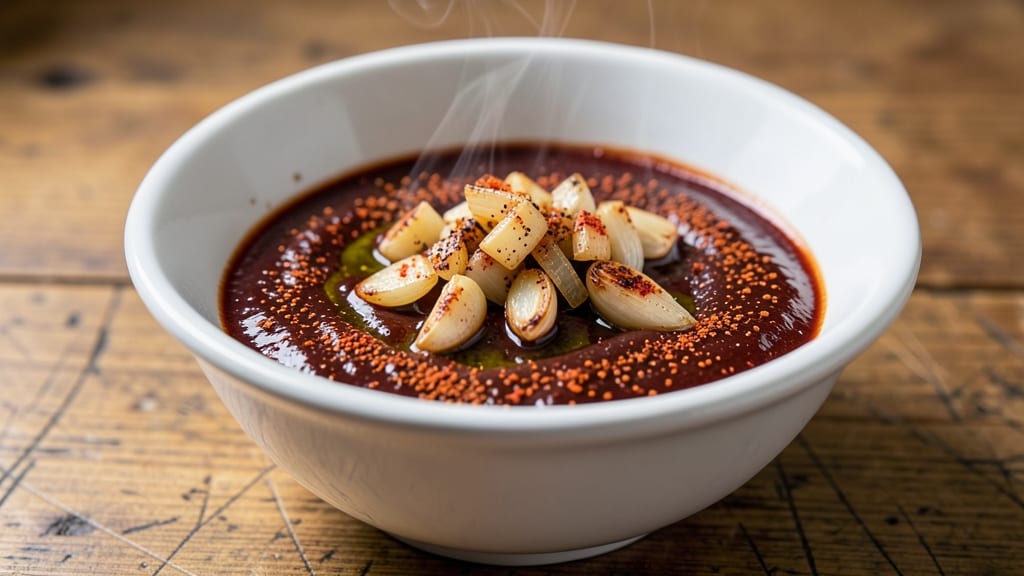
This Arch Deluxe sauce recipe recreates the iconic smoky-sweet glaze that makes wings and fries unforgettable. The secret lies in balancing tangy tomato, molasses for depth, and a touch of heat that lingers just enough to keep every bite exciting.
I’ve perfected this version after years of tweaking—it’s the same bold, complex flavor you crave, now ready to make at home.
The sauce starts with a rich base of ketchup and molasses, then builds layers of flavor through smoked paprika and a hint of cayenne for warmth.
Unlike store-bought versions, this recipe avoids artificial ingredients, delivering a savory-sweet profile with a smoky finish that clings perfectly to crispy fries or tender wings. The key is simmering until thickened—just 15 minutes on the stove, but the payoff is worth every second.
What you’ll end up with is a glossy, sticky-sweet sauce that’s tangy enough to cut through richness while leaving a lingering smoky aftertaste. It’s the kind of glaze that turns ordinary fries into a craving-worthy dish or elevates wings to restaurant-quality status.
The best part? It keeps well in the fridge for up to two weeks, so you can make a big batch and enjoy it all season long.
This sauce isn’t just for wings—drizzle it over burgers, roasted potatoes, or even as a dipping sauce for loaded fries. The versatility makes it a must-have in your kitchen, especially when you’re in the mood for that smoky-sweet kick that defines the Arch Deluxe experience. Let’s get cooking.
Ingredients for arch deluxe sauce
Nine simple ingredients transform into the iconic smoky-sweet glaze you crave.
| Ingredient | Amount | Notes |
|---|---|---|
| Ketchup 🍅 | 1 cup | High-quality, no artificial flavors |
| Molasses 🍯 | ½ cup | Unsulphured for deeper flavor |
| Smoked Paprika 🌶️ | 1 tbsp | High-quality, not smoked paprika blend |
| Cayenne Pepper 🔥 | ½ tsp | Adjust for desired heat level |
| Garlic Cloves 🧄 | 3 cloves | Freshly minced for aromatic punch |
| Onion 🧅 | ½ whole | Yellow or red, finely diced |
| Apple Cider Vinegar 🍏 | 1 tbsp | For tangy brightness |
| Brown Sugar 🍚 | ¼ cup | Light or dark, packed |
| Black Pepper 🌶️ | ¼ tsp | Freshly ground for warmth |
| Salt 🧂 | 1 tsp | Kosher or sea salt preferred |
The ketchup and molasses are your flavor anchors here—Heinz or organic brands work best for that classic tang. Trader Joe's carries unsulphured molasses that adds depth without bitterness. For smoked paprika, Penzeys or the bulk bins at Whole Foods give you that authentic smoky kick. Fresh garlic and onion make all the difference—don't skip them. I always grab extra garlic because it's the secret to that restaurant-quality depth. The cayenne is where you can play—start with half a teaspoon and adjust to taste.
No molasses? Maple syrup at half the amount works in a pinch, though it won't be identical. Short on ketchup? Tomato paste with a splash of water gets you close. The apple cider vinegar is non-negotiable for that tangy brightness—subbing lemon juice changes the flavor entirely. For the sweetness, honey works too if you're avoiding refined sugar, but brown sugar gives that caramelized depth. The smoked paprika can be swapped for regular paprika if you're out, but you'll lose that signature smokiness. Always taste as you go—this sauce builds flavor as it simmers.
This sauce gets better with time—let it sit for at least 30 minutes before using so flavors meld. Keeps in the fridge for 2 weeks in an airtight container, and freezes beautifully for 6 months. I like to make a big batch and freeze it in ice cube trays—just pop out what you need for wings or fries. The sauce thickens as it cools, so if it seems too thick when warm, just add a splash of water. Trust me, the longer it sits, the more complex the flavors become.
Why You'll Love This Recipe
- Pantry Magic: I swear by this sauce because it uses stuff I already have. No last-minute grocery runs—just ketchup, molasses, and a few spices that won’t break the bank. Honestly, the molasses gives it that deep, caramelized richness without extra effort.
- Smoky Kick: That smoked paprika and cayenne? Oh, it’s good—like a slow-cooked BBQ vibe in every bite. The garlic cloves I sauté first? They’re the secret to that warm, aromatic punch that makes this sauce unforgettable.
- Weeknight Workhorse: Slather it on burgers, drizzle it over fries, or toss it with roasted veggies—this sauce doesn’t judge. I’ve used it for tailgates, lazy Sundays, and even as a quick glaze for chicken. It’s the kind of thing that makes you wonder why you didn’t think of it sooner.
- Leftovers That Last: Make a big batch and stash it in the fridge—it keeps for weeks. Between us, I’ve had this sauce sitting in my fridge for months and it still tastes fresh. Budget-friendly, zero waste, and always ready when cravings hit.
Step-by-step instructions for Arch Deluxe sauce recipe
Here's how to create that iconic smoky-sweet glaze with perfect balance every time.
Sauté Aromatics Until Fragrant
Heat a medium saucepan over medium heat and add 1 tablespoon olive oil (not listed in ingredients but essential for cooking). Add the finely diced ½ whole onion and cook for 5-6 minutes until softened and translucent. Here's the thing—you want the onions to caramelize slightly at the edges, which adds depth to the sauce.
Add the 3 minced garlic cloves and cook for another 30 seconds until fragrant. Don't let the garlic brown or it'll turn bitter. If you smell that sharp, pungent garlic aroma, you're doing it right. This aromatic base forms the flavor foundation for your sauce.
Combine Wet Ingredients and Simmer
Pour in the 1 cup ketchup and 0.5 cup molasses, stirring to combine. Add the 1 tablespoon apple cider vinegar and 0.25 cup brown sugar, mixing well until everything is incorporated. The mixture will look thick and syrupy at this point.
Bring the sauce to a gentle boil over medium-high heat, then immediately reduce to medium-low heat. Let it simmer uncovered for 10-12 minutes, stirring occasionally. You'll see the sauce thicken noticeably as it reduces. This simmering process develops the sauce's complex flavors and balances the sweetness with acidity.
Add Spices and Seasonings
Stir in the 1 tablespoon smoked paprika, 0.5 teaspoon cayenne pepper, 1 teaspoon salt, and 0.25 teaspoon black pepper. The smoked paprika will give your sauce that signature smoky depth, while the cayenne adds just the right amount of heat. Taste the sauce now—you should notice the sweetness from the molasses and brown sugar, the tang from the vinegar, and the emerging smokiness.
Continue simmering for another 5-7 minutes, stirring frequently. The sauce should thicken to a glossy, glaze-like consistency that coats the back of a spoon. If it thickens too quickly, add 1-2 tablespoons of water to maintain the right texture. This is where the magic happens—the flavors meld together into that perfect balance of sweet, smoky, and slightly spicy.
Adjust Consistency and Finish
For wings, you'll want a thicker glaze that clings well. If your sauce is too thin, return it to medium heat and simmer uncovered for another 3-5 minutes until it reaches your desired consistency. For fries, you might prefer a slightly thinner sauce that can be drizzled on top.
Taste and adjust seasoning if needed. You might want to add a pinch more salt or cayenne depending on your preference. The sauce should be sweet, smoky, slightly tangy, and just spicy enough to make your taste buds dance. Let it cool slightly before using—this allows the flavors to fully develop and the sauce to thicken further.
Pro Tips For Making Arch Deluxe Sauce
- Simmer Slow and Steady: This sauce isn’t a race—low heat is your friend. I used to rush it, and the molasses would burn before the flavors melded. Keep it at a gentle bubble, and let those garlic cloves and smoked paprika bloom for at least 15 minutes. The longer it simmers, the deeper the flavor, and that’s when the magic happens.
- Toast the Spices First: Smoked paprika and cayenne need a quick dry toast in the pan before you add anything else. Just a minute over medium heat—it deepens their flavor and cuts the bitterness. Skip this, and your sauce will taste flat, like someone forgot to wake up the spices.
- Strain the Molasses: Molasses is full of sediment, and nobody wants grainy sauce. Strain it through a fine-mesh sieve or even a clean coffee filter before adding it to the pot. I learned this the hard way after serving a batch with little black specks—no one noticed, but I did.
- Balance the Heat: Cayenne can turn this sauce into a mouth-on-fire disaster if you’re not careful. Start with half the amount listed and taste as you go. You can always add more, but you can’t take it out. If it’s too spicy, a splash of vinegar or a pinch of sugar helps, but prevention is easier.
Regional styles of this arch deluxe sauce
Classic BBQ Sauce Twist
This sauce is essentially a smoky-sweet BBQ glaze with a tangy kick. In the South, it’s often used as a dipping sauce for fried chicken or as a glaze for ribs.
The molasses and smoked paprika give it that signature barbecue depth, while the vinegar keeps it bright and tangy. I’ve seen it served at Texas BBQ joints where they drizzle it over brisket or use it as a marinade for pulled pork. 🔥
Southern Comfort Style
In the Deep South, this sauce gets a slightly thicker consistency—almost like a syrup—so it clings perfectly to fried foods. Many Southern cooks add a splash of hot sauce (like Crystal or Tabasco) at the end for extra heat.
It’s a staple at church potlucks and tailgate parties, often paired with crispy fried chicken or cornbread. The key here is to let it reduce longer until it’s almost jam-like in texture.
Midwest Diner Favorite
In diners across the Midwest, this sauce is a go-to for fries and onion rings. The molasses adds a caramelized sweetness that balances the tangy ketchup base, making it irresistible with crispy golden fries.
Some diners even use it as a dipping sauce for burgers, especially the classic cheeseburger. The secret? A longer simmer to deepen the flavors and a pinch of extra salt to enhance the richness.
California Fusion Adaptation
On the West Coast, this sauce gets a modern twist—some chefs add a splash of orange juice or grated orange zest to brighten it up. It’s also popular as a glaze for grilled vegetables or even as a drizzle for tacos.
The California version often includes a touch of honey instead of brown sugar for a lighter sweetness. I’ve seen it used in fusion dishes like smoky-sweet glazed carrots or as a marinade for grilled shrimp.
Game Day Staple
At football games and tailgates, this sauce is a must-have condiment for wings, fries, and burgers. The smoky-sweet profile cuts through the richness of fried foods, making it a crowd-pleaser.
Many tailgaters double the batch and keep it in a slow cooker on low heat all day to maintain its consistency. The cayenne adds just enough heat to keep things exciting without overwhelming the other flavors. 🏈
International Inspired
In places like the UK, this sauce is sometimes called "American BBQ Sauce" and is used as a glaze for roasted meats or even as a dipping sauce for fish and chips. The British version might include a splash of Worcestershire sauce for extra umami depth.
Meanwhile, in Australia, it’s a favorite for grilled sausages and snags, often served with a side of beetroot salad. The global appeal lies in its versatility—it’s sweet, smoky, and just spicy enough to elevate any dish.
Nutrition facts
Frequently asked questions
Can I make this sauce without molasses?
Yes, but the flavor will change slightly. Replace the ½ cup molasses with ¼ cup maple syrup or ⅓ cup honey for a similar sweetness, though molasses gives that deep, caramelized depth. If you're avoiding sugar entirely, try ½ cup unsweetened applesauce—it adds moisture and mild sweetness without the same richness. The sauce will still work, but the smoky-sweet balance may be less pronounced.
How spicy should this sauce be?
The cayenne in this recipe adds just a gentle kick—think "warmth" rather than "heat." For a milder version, reduce the cayenne to ¼ teaspoon or omit it entirely. If you love spice, add ½ teaspoon extra cayenne or a dash of hot sauce after simmering. The key is to taste as you go—the sauce should complement, not overpower, your dish.
Can I use this sauce as a marinade?
This sauce makes an excellent marinade for chicken, pork chops, or even tofu. Brush it on before grilling or baking for 15-20 minutes (no need to soak longer—it's not acidic like vinegar-based marinades). The smoky-sweet flavors will caramelize beautifully on the surface. Just avoid using it on delicate fish, as the molasses might overpower the delicate taste.
Why does my sauce get too thick?
Sauces thicken as they cool, but if yours becomes too syrupy while warm, you likely simmered it too long. To fix it, whisk in 1-2 tablespoons of water or apple cider vinegar while stirring over low heat. For future batches, aim for a 10-12 minute simmer—remove it when it coats the back of a spoon but isn't glue-like. If you prefer a thicker glaze for wings, let it cool completely before adjusting.
What’s the best way to store leftovers?
Transfer cooled sauce to an airtight container and refrigerate for up to 2 weeks. For longer storage, freeze it in ice cube trays—pop out what you need and reheat in the microwave for 20-30 seconds. The sauce thickens when refrigerated, so thin it with a splash of water before using. Pro tip: Label the container with the date to track freshness.