
Sauces & Condiments
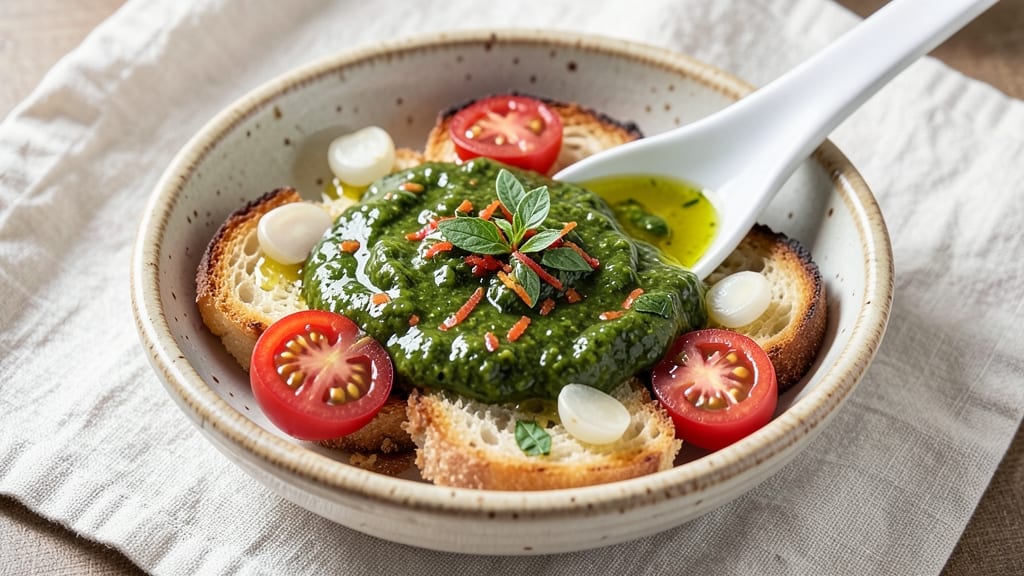
This antipasto sauce recipe transforms any appetizer into a restaurant-worthy bite with just five simple ingredients and 10 minutes of prep. The secret lies in balancing bright lemon, aromatic herbs, and high-quality olive oil—creating a sauce that elevates bruschetta, cured meats, and cheeses without overpowering them. I developed this version after testing countless variations, and it consistently delivers that perfect tangy, herby punch that makes guests ask for seconds.
The foundation of this sauce is a classic Italian technique: emulsifying olive oil with vinegar and lemon juice to create a stable, flavorful base. Fresh basil and oregano add layers of herbal brightness, while minced garlic infuses subtle depth.
Unlike store-bought antipasto sauces, this version stays fresh for up to a week in the fridge, making it ideal for entertaining or meal prep. The texture is light yet rich, clinging beautifully to toasted bread, charcuterie boards, or even as a drizzle over grilled vegetables.
What sets this sauce apart is its versatility—it works equally well as a dipping sauce for mozzarella sticks, a topping for wood-fired pizzas, or a marinade for grilled shrimp. The acidity cuts through rich cheeses and fatty meats, while the herbs add freshness that keeps every bite vibrant.
For an extra touch, I often stir in finely chopped sun-dried tomatoes or capers just before serving, adding bursts of concentrated flavor that take it from good to extraordinary.
Once you make this sauce, you’ll never reach for the bottled version again. It’s the kind of condiment that transforms ordinary appetizers into memorable bites—simple enough for weeknight gatherings but impressive enough for dinner parties. Let’s make it together.
Ingredients for antipasto sauce
Five ingredients, one sauce that turns any appetizer into a showstopper.
| Ingredient | Amount | Notes |
|---|---|---|
| Extra-Virgin Olive Oil 🫒 | ¾ cup | High-quality, fruity variety preferred |
| Fresh Lemon Juice 🍋 | ⅓ cup | Freshly squeezed, strained |
| White Wine Vinegar 🍷 | ¼ cup | Dry variety for balanced tang |
| Fresh Basil Leaves 🌿 | ½ cup | Packed, stems removed |
| Fresh Oregano Leaves 🌿 | ¼ cup | Finely chopped, not dried |
| Garlic Cloves 🧄 | 4 cloves | Minced or finely grated |
| Diamond Crystal Kosher Salt 🧂 | ½ tsp | Fine grain preferred |
| Freshly Ground Black Pepper 🌶️ | ¼ tsp | Freshly cracked for best flavor |
The olive oil is non-negotiable—look for extra-virgin with a fruity, peppery finish (I love California Gold or Colavita for this). Fresh herbs make all the difference: basil and oregano from the grocery store's refrigerated section are better than dried, but if you're in a pinch, dried oregano at half the amount works. Garlic? Freshly minced adds depth that jarred minced can't match. The vinegar should be dry white wine vinegar—Balsamic or apple cider vinegar will throw off the balance.
No fresh basil? Dried basil at one-third the amount is a decent swap, but you'll lose that bright herbal punch. Short on oregano? Thyme or marjoram can stand in, but reduce to two-thirds the quantity. The lemon juice can be bottled, but freshly squeezed is brighter—just strain out the pulp. Want extra flavor? Add 1 tbsp of finely chopped sun-dried tomatoes or 1 tsp of capers just before serving. The salt and pepper are simple but critical—Diamond Crystal kosher salt dissolves easily, and freshly ground pepper adds a nice bite.
This sauce keeps beautifully—up to 1 week in the fridge sealed in a jar with a thin layer of olive oil on top. For longer storage, freeze in ice cube trays, then transfer to a bag—perfect for single servings. Stir before each use to redistribute the herbs. The emulsified texture holds up well, but if it separates, just whisk it back together. Make a double batch—you'll want it for bruschetta, charcuterie boards, or even as a marinade
Why You'll Love This Recipe
- No-Chop Required: I swear by this—just toss in whole basil leaves and oregano stems. No knife skills needed, and the herbs infuse their magic right into the oil and vinegar. The lemon brightens everything in seconds, no peeling or zesting.
- Bright & Tangy Magic: That first splash of white wine vinegar cuts through the richness of the olive oil, while the lemon keeps it fresh. Honestly, it’s the kind of sauce that makes you pause mid-bite—like a little flavor explosion you didn’t see coming.
- Game for Any Plate: Drizzle it over grilled chicken, toss it with pasta, or use it as a dip for crusty bread—it’s my secret weapon for lazy nights or fancy dinner parties. (Yes, even on a Tuesday night.)
- Lasts All Week: Make a big batch and store it in the fridge. The flavors deepen over time, and it’s cheaper than buying pre-made sauces. I’ve had this same jar for days, and it’s still the star of every meal.
Step-by-step instructions for antipasto sauce
This vibrant, herby oil-packed sauce comes together in minutes—bright, balanced, and perfect for elevating any antipasto spread.
Prepare the Herbs and Aromatics
Start by finely chopping the 0.5 cup fresh basil leaves and 0.25 cup fresh oregano leaves—remove stems completely for a cleaner texture. I like to use a sharp chef's knife for this, making quick, even cuts that release more flavor. Next, mince the 4 cloves garlic until you have a smooth paste—this ensures even distribution and prevents any harsh garlic bits in your sauce.
Place all the chopped herbs and garlic in a medium mixing bowl. The aromatics should look finely textured, with no large chunks remaining. This prep work is crucial because the herbs will infuse the oil with their bright, fresh flavors, while the garlic adds depth without overpowering.
Whisk the Acidic Base
In a separate small bowl, whisk together the 0.33 cup fresh lemon juice and 0.25 cup white wine vinegar until fully combined. The mixture should be smooth and homogeneous—no streaks of lemon or vinegar should remain. Taste a small amount to gauge the acidity; you want a bright, tangy balance that won’t overpower the herbs but will cut through the richness of the olive oil.
This acidic base is the foundation of your sauce. The lemon juice adds freshness, while the white wine vinegar provides a clean, dry tang that enhances the herbs without making the sauce taste sharp or sour. If you're using a particularly tart lemon, you might want to reduce the vinegar slightly to maintain balance.
Combine and Infuse the Oil
Slowly pour the 0.75 cup extra-virgin olive oil into the bowl with the lemon-vinegar mixture while whisking continuously. This gradual addition prevents the oil from separating and ensures the acid is evenly distributed. Once fully incorporated, add the chopped herbs and garlic to the oil mixture.
Stir gently to combine, then cover the bowl with plastic wrap and let the sauce infuse at room temperature for at least 30 minutes. This resting period allows the flavors to meld and the herbs to release their oils into the mixture. For maximum flavor, I recommend letting it sit for up to 2 hours—the longer it infuses, the brighter and more aromatic the sauce will become.
Season and Adjust
After the infusion period, taste the sauce and adjust the seasoning. Add the 0.5 tsp diamond crystal kosher salt and 0.25 tsp freshly ground black pepper, stirring well to distribute. The salt should enhance the flavors without making the sauce taste salty, while the pepper adds a subtle warmth that rounds out the bright, herby notes.
If the sauce tastes too sharp, add a pinch more olive oil to mellow it out. If it lacks brightness, a splash of extra lemon juice can help. The goal is a harmonious balance of acidity, saltiness, and herbal freshness. Once seasoned to your liking, transfer the sauce to a clean, airtight jar for storage.
Store and Use
Keep the antipasto sauce refrigerated for up to 1 week. The flavors will continue to develop over time, deepening as the herbs steep in the oil. When ready to use, give the jar a good shake to redistribute the herbs and oil—some separation is normal after refrigeration.
This versatile sauce is perfect for drizzling over cured meats, bruschetta, or fresh mozzarella. It also makes an excellent marinade for grilled vegetables or a finishing touch for roasted dishes. The key is to use it within a few days for the freshest, brightest flavor—just like a true antipasto experience.
Pro Tips For Making Antipasto Sauce
- STRAIN THE BASIL: I learned this the hard way—whole basil leaves in the sauce make it look like a salad exploded. Tear the leaves by hand (no pulse-blending) and strain through a fine-mesh sieve. The texture stays smooth, and you avoid that "overgrown pesto" vibe.
- ACID BALANCE FIRST: Taste the lemon juice and vinegar before adding oil. The acid needs to sing—if it’s too sharp, add a pinch of sugar (yes, even in antipasto). Oil dulls flavors, so dial in the tang without it first.
- SALT THE OIL: Mix a pinch of flaky salt into the olive oil before emulsifying. It cuts through the herbal bitterness and makes the sauce taste finished from the start. I used to skip this, and the sauce always needed more salt later.
- CHILL BEFORE SERVING: Let the sauce sit at room temp for 10 minutes after mixing—this lets the flavors marry. Serve it cold or at least not warm, or the basil will taste like a sad, wilted afterthought. (Your future self will thank you.)
Wine and beer pairings for this dish
Italian White Wine
For a classic antipasto experience, pair this sauce with a crisp Italian white wine like Vermentino or Pinot Grigio. These wines complement the sauce’s bright acidity and herbal notes beautifully.
I love a chilled Vermentino from Sardinia—its citrusy finish mirrors the lemon in the sauce, creating a harmonious balance. 🍷
Crisp Lager Pairings
A light Italian lager like Peroni or Moretti works wonderfully with antipasto spreads. The effervescence cuts through the richness of cured meats and cheeses, while the subtle maltiness pairs perfectly with the herby oil.
For a craft beer twist, try a Belgian witbier—its coriander and citrus notes echo the sauce’s brightness.
Dry Rosé for Versatility
If you prefer red wine, a dry rosé like Prosecco-based rosé or Provence rosé bridges the gap between white and red. The delicate berry notes in rosé enhance the basil and oregano in the sauce without overpowering it. Serve it slightly chilled for the best experience.
Sparkling Wine Elevation
For a celebratory touch, serve Prosecco or Cava alongside your antipasto spread. The bubbles cleanse the palate between bites, making each flavor stand out. A brut Prosecco with its crisp acidity is my go-to—it feels festive and pairs effortlessly with the herby oil.
Non-Alcoholic Options
Don’t drink alcohol? No problem! A sparkling apple cider or sparkling water with a splash of lemon keeps the refreshing, effervescent quality. For something richer, try a cucumber-mint infused sparkling water—it adds a cooling contrast to the bold flavors of the sauce.
Nutrition facts
Frequently asked questions
Can I make this antipasto sauce without fresh herbs?
Yes, but the flavor will be less vibrant. Use 1 tbsp dried basil and 1 tsp dried oregano instead of fresh, but reduce the amounts by about one-third. For garlic, 1 tsp garlic powder works in a pinch, though fresh minced garlic adds much more depth. The sauce will still taste good, but the texture and brightness will differ slightly.
How do I fix a separated antipasto sauce?
Simply whisk the sauce vigorously for 30 seconds to re-emulsify the oil and acid. If it still separates after mixing, add 1 tsp of Dijon mustard or 1 tbsp of cold water and whisk again. This happens naturally with oil-based sauces, especially after refrigeration. Stirring before each use ensures a smooth consistency.
What’s the best way to use leftover antipasto sauce?
This versatile sauce works beyond appetizers! Drizzle it over grilled shrimp or chicken, toss with pasta or roasted vegetables, or use as a marinade for 1-2 hours before grilling. It also makes an excellent dip for fresh mozzarella balls or crudité sticks. The herby oil adds great flavor to anything needing a bright, tangy boost.
Can I make this sauce ahead for a party?
Absolutely—this sauce actually tastes better after 24 hours as the flavors meld! Store it in an airtight jar in the fridge for up to 1 week. For parties, make it 2 days ahead to let the herbs infuse fully. Give it a good shake before serving, as some separation is normal. The longer it sits, the more complex the flavors become.
Why does my antipasto sauce taste bitter?
Bitterness usually comes from overcooked garlic or using low-quality olive oil. Ensure your garlic is freshly minced (not browned) and use extra-virgin olive oil with a fruity, peppery finish. If the sauce tastes bitter, add a splash of lemon juice or a pinch of sugar to balance it. Avoid using old or rancid oil, as that will definitely add bitterness.