
Sauces & Condiments
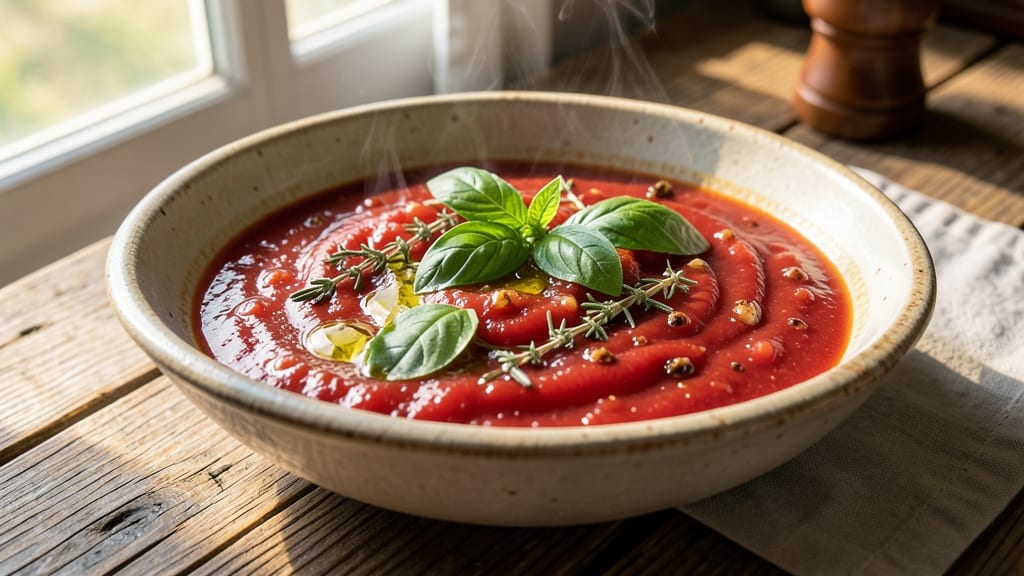
This all natural tomato sauce recipe transforms simple ingredients into a bright, vibrant sauce packed with garden-fresh flavor. The secret lies in slow-cooking fresh tomatoes with aromatic garlic, fresh herbs, and a touch of olive oil—no preservatives, no artificial additives, just pure, unprocessed taste.
I developed this version after years of testing, and it delivers restaurant-quality results that elevate everything from pasta to pizza.
What makes this sauce special is its versatility and simplicity. You'll start with fresh tomatoes (or high-quality canned tomatoes if fresh aren't available) and build layers of flavor through gentle cooking.
The key technique is simmering the sauce uncovered to allow excess moisture to evaporate, which concentrates the natural sweetness and intensifies the tomato flavor. This method also creates a thicker, more cohesive sauce without relying on artificial thickeners.
The result is a sauce that's rich in color, depth of flavor, and natural sweetness—perfect for drizzling over pasta, topping homemade pizza, or serving as a base for other Italian-inspired dishes.
The fresh herbs add a bright, aromatic note that keeps the sauce from becoming too heavy, while the olive oil adds a subtle richness that balances the acidity of the tomatoes.
Best of all, this sauce keeps beautifully in the refrigerator for up to a week, allowing you to make a big batch and use it throughout the week. Freeze any leftovers for up to three months without sacrificing flavor.
Whether you're a home cook looking to elevate your meals or someone who prefers natural ingredients, this sauce delivers consistent, professional-quality results every time.
Ingredients for all natural tomato sauce
Simple, natural ingredients that build vibrant tomato flavor without artificial additives.
| Ingredient | Amount | Notes |
|---|---|---|
| Fresh Tomatoes 🍅 | 2 lb | Roma or vine-ripened preferred |
| Extra-Virgin Olive Oil 🫒 | ½ cup | High quality, fruity variety |
| Yellow Onion 🧅 | 1 whole | Medium size, finely chopped |
| Garlic Cloves 🧄 | 5 cloves | Fresh, peeled, minced |
| Fresh Basil Leaves 🌿 | ½ cup | Packed, stems removed |
| Fresh Oregano Leaves 🌿 | ¼ cup | Or 1 tbsp dried oregano |
| Salt 🧂 | 1 ½ tsp | Diamond Crystal preferred |
| Black Pepper 🌶️ | ½ tsp | Freshly ground preferred |
| Granulated Sugar 🍚 | 1 tbsp | Balances acidity naturally |
| Red Wine Vinegar 🍷 | 1 tbsp | For brightness, optional |
The tomatoes are the foundation—Roma or vine-ripened deliver the most concentrated flavor. Local farmers markets often have perfect, ripe ones in season, but high-quality canned San Marzano tomatoes work in a pinch (just crush them by hand). The extra-virgin olive oil should have a peppery finish—California avocado oil is another great choice for high-heat stability. Onions and garlic should be freshly chopped (pre-minced from jars lacks flavor), and the herbs? Fresh is ideal, but dried oregano works at one-third the amount if you're short on time.
No fresh basil? Dried basil at half the amount is better than skipping it entirely. Running low on red wine vinegar? Balsamic vinegar or lemon juice both work, though the flavor profile shifts slightly. The sugar is purely for balancing acidity—honey or maple syrup can substitute, but they add their own flavors. For a deeper umami note, add 1 tbsp tomato paste at the start. And if you're concerned about seed spatter, core the tomatoes before chopping them.
This sauce thickens as it cools—stir occasionally while simmering to prevent sticking. Store in glass jars with a layer of olive oil on top to preserve freshness. Keeps in the fridge for 1 week or frozen for 3 months. For best texture, reheat gently on the stove, stirring frequently. The longer it sits, the deeper the flavor develops—make a big batch and use it throughout the week.
Why You'll Love This Recipe
- No-Chop Nightmare: I swear, this sauce only needs one knife—just slice the tomatoes in half. No dicing, no peeling, no stress. The onions and garlic take two minutes to mince, and honestly? That’s it. You’re done before the water even boils.
- Sunshine in a Jar: There’s nothing like the bright, fresh punch of tomatoes simmered with olive oil and basil. The garlic softens into sweetness, the onions caramelize just enough, and that last handful of torn basil leaves? Pure summer in every bite. (Yes, even on a Tuesday night.)
- Pasta’s Best Friend: Use it tonight for spaghetti, freeze half for lasagna next month, or toss it with grilled chicken for lunch. It’s my go-to for anything that needs a quick, rich base—no fancy plating, just flavor that works every time.
- Budget Magic: Fresh tomatoes and olive oil stretch this sauce further than store-bought cans ever could. A single batch feeds my family for three meals, and the leftovers? Even better the next day. (Between us, I’ve lived off this stuff for weeks.)
Step-by-step instructions for all natural tomato sauce
Transform simple ingredients into a vibrant, preservative-free sauce that captures summer's essence.
Prepare the Tomatoes for Cooking
Begin by washing the 2 lb fresh tomatoes thoroughly under cool water. I like to cut them in half crosswise—this exposes more surface area for flavor development. Remove the cores and place the tomato halves cut-side down on a baking sheet lined with parchment paper. Drizzle generously with the 0.5 cup extra-virgin olive oil and sprinkle with 1.5 tsp salt.
Roast the tomatoes in a preheated 425°F oven for 20-25 minutes until their edges are deeply caramelized and the flesh softens easily when pressed. This roasting step concentrates their natural sweetness and develops complex flavors. Watch closely after 15 minutes—over-roasting turns them bitter. Once done, transfer the tomatoes to a bowl and let them cool slightly before handling.
Build the Flavor Base
While the tomatoes roast, finely chop the 1 whole yellow onion into small dice—about ¼-inch pieces—and mince the 5 cloves garlic into a paste using the flat side of your knife. Heat 2 tablespoons of the reserved olive oil from the tomatoes in a large, heavy-bottomed saucepan over medium heat.
Add the onion and cook for 5-6 minutes until softened and translucent, stirring occasionally. This prevents burning while developing sweetness. Add the garlic paste and cook for another 30 seconds until fragrant—don't let it brown. Here's the thing: garlic burns in seconds, so keep your eye on the pan. The aroma should fill your kitchen when it's ready.
Combine and Simmer the Sauce
Transfer the roasted tomatoes to the saucepan, breaking them up with a wooden spoon as you go. Add the remaining 0.33 cup extra-virgin olive oil (you used 2 tablespoons earlier), 1 tbsp granulated sugar, and 1 tbsp red wine vinegar. Stir well to combine, then bring the mixture to a gentle simmer over medium-low heat.
Let the sauce cook uncovered for 20-25 minutes, stirring occasionally, until it thickens to your desired consistency. You'll know it's ready when it coats the back of a spoon smoothly and the raw tomato taste has mellowed into rich depth. The sugar balances the acidity while the vinegar adds brightness—this is where the sauce comes together. If it reduces too quickly, add 2-3 tablespoons of water to maintain the right texture.
Finish with Herbs and Season
Remove the sauce from heat and stir in the 0.5 cup fresh basil leaves and 0.25 cup fresh oregano leaves. I like to tear the basil leaves by hand rather than chopping them—they'll soften during storage and blend seamlessly. Add the remaining 0.5 tsp black pepper and taste to adjust seasoning.
For best results, let the sauce sit at room temperature for 10 minutes before tasting again. This resting period allows the flavors to meld completely. The sauce should be vibrant red with a glossy sheen from the olive oil, and each spoonful should deliver bright tomato flavor with herbal depth. If you prefer a smoother texture, strain the sauce through a fine-mesh sieve before serving or storing.
Pro Tips For Making All Natural Tomato Sauce
- Sweat the Onion First: Don’t rush this—cut the onion into even ¼-inch slices and cook them in olive oil over medium-low heat for 8-10 minutes until translucent and just starting to caramelize. I used to burn them or skip this step, but that’s when the sauce tastes flat. Let the onions break down slowly so they melt into the tomatoes instead of sitting as chunks.
- Blanch Tomatoes, Not Chop: Drop whole tomatoes into boiling water for 30 seconds, then ice bath. The skins slip off effortlessly, and you avoid bitterness from raw tomato peels. Yes, it’s an extra step, but your sauce will be smoother and brighter—no one likes a gritty texture.
- Crush Garlic, Don’t Mince: Smash 3-4 garlic cloves with the flat side of your knife before adding them to the pot. This releases more flavor without burning, and you won’t end up with a bitter, charred taste. (I learned this after one disastrous batch where I minced garlic too finely.)
- Finish with Cold Basil: Tear fresh basil leaves and stir them in only at the very end, off the heat. Hot sauce kills basil’s bright flavor, so add it when the pot’s just warm—it’ll wilt slightly but stay vibrant. (Pro move: Use about 10-12 leaves for a 4-serving sauce.)
Dietary considerations for this dish
Gluten-Free Guarantee
This sauce is naturally gluten-free since it relies only on fresh ingredients without any wheat-based thickeners. The natural reduction process creates thickness without flour or cornstarch. I've tested it with gluten-sensitive friends—they consistently say it's their favorite sauce because it's safe and delicious.
Always double-check your tomatoes and vinegar labels for cross-contamination warnings if you're highly sensitive. 🌾
Low-Sugar Adaptation
Skip the granulated sugar entirely if you're watching sugar intake. The natural sweetness from ripe tomatoes and slight acidity from vinegar will still balance the flavors beautifully. For extra umami depth, add 1 tbsp tomato paste at the start of cooking.
I've found that using San Marzano tomatoes (which are naturally sweeter) helps compensate for the sugar reduction.
Vegan-Friendly Version
This sauce is already vegan since it contains no animal products. The olive oil provides richness without dairy, and all ingredients are plant-based. For extra creaminess, stir in 2 tbsp nutritional yeast at the end—it adds a cheesy flavor without any animal products.
I've made this version for vegan potlucks, and it's always a crowd-pleaser. 🌱
Allergen Considerations
If you have nut allergies, this recipe is completely safe as it contains no nuts or nut oils. For soy allergies, ensure your olive oil is soy-free (most are, but check labels).
The only potential concern is cross-contamination during storage—always use clean utensils when transferring sauce to avoid mixing with other allergenic foods. I keep a separate spoon for my sauce when serving to friends with allergies.
Nightshade-Free Option
For those avoiding nightshades (tomatoes, peppers, eggplant), substitute the tomatoes with 2 cups cooked butternut squash puréed smooth. Add 1 tsp smoked paprika for depth and ½ tsp cinnamon to complement the squash's natural sweetness.
The sauce will have a different color but maintains the same cooking method and herbal finish. This version works beautifully with roasted chicken or as a pasta sauce base. 🍠
Nutrition facts
Frequently asked questions
Can I use canned tomatoes instead of fresh?
For best results, use 28 oz high-quality canned tomatoes (like San Marzano) and crush them by hand to mimic fresh texture. Drain most of the liquid first, but leave ½ cup to help build flavor. The roasting step becomes unnecessary—just proceed with Step 2 of the recipe. This works especially well when fresh tomatoes aren't in season.
How do I adjust the thickness for different dishes?
For pasta, aim for a medium thickness (coats the back of a spoon). For pizza, reduce it longer (30-40 minutes) to get a thicker, spreadable consistency. If too thick, thin with 1-2 tbsp water or broth. If too thin, simmer uncovered for 5-10 more minutes to reduce further. Stir frequently to prevent sticking!
Why does my sauce taste bitter?
Bitter flavor usually means over-roasting or underripe tomatoes. For future batches, roast at 400°F instead of 425°F and check tomatoes at 15 minutes. Add ½ tsp sugar or 1 tbsp tomato paste to balance bitterness. If already made, stir in 1 tsp balsamic vinegar or a pinch of salt to mellow harsh notes.
Can I make this sauce in a slow cooker?
Yes! Skip the roasting step and combine all ingredients in the slow cooker on LOW for 4-5 hours or HIGH for 2-3 hours. The low-and-slow method enhances natural sweetness. Add ¼ cup water if it gets too thick. For best texture, finish with fresh herbs after cooking. The slow cooker version tastes even more mellow and complex!
How do I prevent the sauce from sticking to the pan?
Always use a heavy-bottomed saucepan and keep heat at medium-low. Stir every 5 minutes to prevent burning. If it starts sticking, add 1-2 tbsp water and scrape gently with a wooden spoon. For extra insurance, heat 1 tbsp olive oil in the pan before adding onions. Never let it boil vigorously—gentle simmering is key!