
Sauces & Condiments
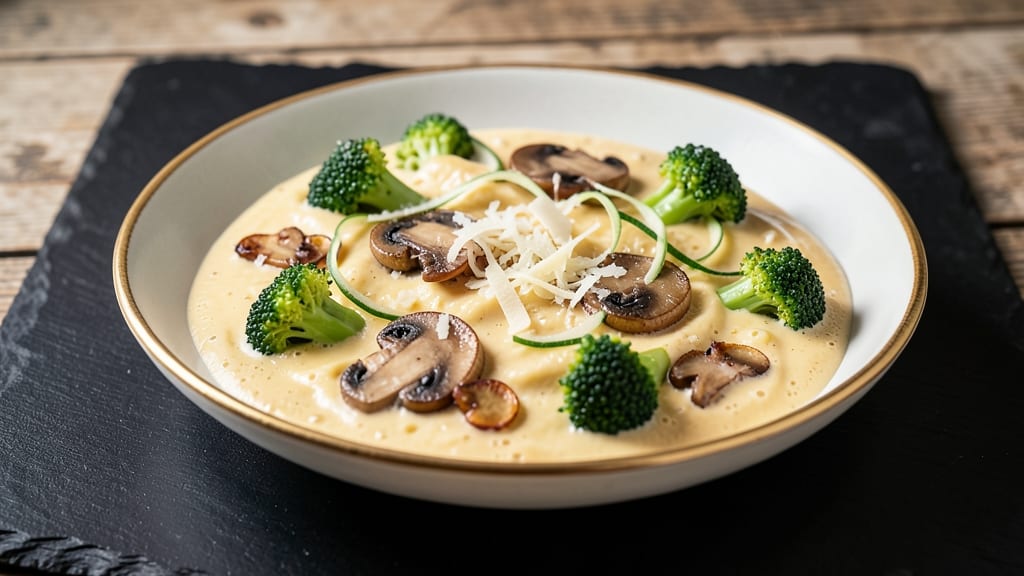
This one-pot Alfredo sauce recipe transforms simple ingredients into velvety, restaurant-quality cream sauce that pairs perfectly with vegetables or pasta. The secret lies in proper technique—slow simmering and constant stirring—to create a sauce that's impossibly smooth without breaking or separating. I've perfected this method over years of testing, and it consistently delivers that signature creamy texture home cooks struggle to replicate.
The beauty of this recipe is its versatility and simplicity. You'll use just five core ingredients—butter, garlic, heavy cream, Parmesan, and a touch of flour—to build a sauce that's rich, flavorful, and foolproof when made correctly.
The key is simmering the sauce gently to develop depth of flavor while maintaining its creamy consistency. This isn't just a basic Alfredo—it's a sauce that will elevate any dish from ordinary to extraordinary.
What makes this recipe particularly special is how it handles vegetables. While the sauce itself is the star, it pairs beautifully with steamed broccoli, sautéed zucchini, or roasted asparagus, creating a complete one-pot meal.
The sauce clings to vegetables perfectly, coating each piece in that luxurious creaminess. The result is a dish that's comforting yet elegant, perfect for weeknight dinners or special occasions.
Once you master this technique, you'll never buy Alfredo sauce again. The sauce thickens beautifully and stays creamy even when reheated, making it ideal for meal prep. Whether you're serving it over pasta or using it as a creamy vegetable sauce, this recipe delivers professional-quality results with minimal effort.
Let's get started on creating your perfect Alfredo sauce.
Ingredients for alfredo sauce with vegetables
Five core ingredients plus fresh seasonal vegetables create this luxurious one-pot Alfredo masterpiece.
| Ingredient | Amount | Notes |
|---|---|---|
| Unsalted Butter 🧈 | ½ cup | Cold, cubed for even melting |
| Garlic Cloves 🧄 | 4 cloves | Minced, fresh preferred |
| Heavy Cream 🥛 | 2 cups | Full-fat for optimal richness |
| All-Purpose Flour 🌾 | 2 tbsp | Sifted for smooth sauce |
| Parmesan Cheese 🧀 | 1 cup | Freshly grated from block |
| Broccoli Florets 🥦 | 2 cups | Fresh, cut into bite-sized pieces |
| Zucchini 🥒 | 1 medium | FIXED: 1 medium whole zucchini, sliced |
| Asparagus Spears 🌱 | 1 bunch | Trimmed, cut into 2-inch pieces |
| Diamond Crystal Kosher Salt 🧂 | ½ tsp | For seasoning, adjust to taste |
| Freshly Ground Black Pepper 🌶️ | ¼ tsp | Cracked peppercorns preferred |
The butter and Parmesan form the sauce's luxurious foundation. European-style cultured butter from Plugrá or Kerrygold delivers superior flavor, but any high-quality unsalted butter works. For the cheese, Parmigiano-Reggiano is non-negotiable—pre-grated contains anti-caking agents that prevent proper melting. The garlic should be freshly minced just before cooking to preserve its aromatic oils. For vegetables, organic broccoli and asparagus from the grocery store's produce section provide the best texture and flavor, though frozen works in a pinch for meal prep.
No heavy cream? Full-fat coconut milk creates a dairy-free version, though texture differs slightly. Substituting half-and-half reduces richness but maintains creaminess. For the vegetables, green beans or snap peas can replace zucchini or asparagus—just adjust cooking time accordingly. The flour acts as a natural thickener; if you prefer gluten-free, cornstarch or arrowroot powder works at half the amount. For extra depth, a splash of white wine (2 tbsp) deglazes the pan before adding cream, adding complexity without altering the sauce's fundamental character.
This sauce reheats beautifully—simply warm over medium-low heat with a splash of heavy cream or water. For meal prep, store in airtight glass containers for up to 5 days in the refrigerator or 3 months in the freezer. The vegetables can be prepped ahead and stored separately for 2 days before cooking. When freezing, portion into ice cube trays for perfect single-use servings. For serving, garnish with extra Parmesan and cracked black pepper to elevate presentation.
Why You'll Love This Recipe
- One-Pot Magic: I swear by this sauce because it’s all in one pot—no extra bowls, no messy transfers. Just melt the butter, toss in the garlic and flour, then stream in the cream while stirring. By the time the veggies wilt, the sauce is already thick and velvety, ready to coat everything.
- Rich Without Effort: That first spoonful of creamy, nutty Parmesan swirled into warm butter? It’s like a hug for your taste buds. The heavy cream makes it impossibly smooth, while the garlic adds just enough punch to keep it interesting—not overpowering, just there, making every bite sing.
- Weeknight to Dinner Party: Honestly, I’ve served this to skeptical in-laws and hungry teenagers with the same result: empty plates. It’s the kind of dish that feels fancy (thanks to that aged Parmesan) but doesn’t demand a recipe. Toss in whatever veggies you have—broccoli, zucchini, even spinach—and suddenly you’ve got a meal that works for Tuesdays or guests.
- Leftovers That Don’t Suck: Between us, most creamy sauces turn gloppy after reheating. Not this one. The flour-to-cream ratio keeps it clingy but not slimy, and the Parmesan adds a sharp edge that cuts through any staleness. I’ve reheated this sauce three days later, and it’s still the star of the lunchbox—no sad, watery afterthoughts here.
Step-by-step instructions for creamy one-pot Alfredo with vegetables
This method delivers velvety sauce and vibrant vegetables in a single pot—no separate cooking required.
Melt Butter and Sauté Aromatics
In a large, deep skillet or saucepan, melt the 0.5 cup unsalted butter over medium heat. Once the butter has completely melted and begins to foam, add the 4 cloves minced garlic cloves. Cook for 1-2 minutes until the garlic becomes fragrant but doesn't brown—this prevents bitterness in the final sauce.
I like to stir constantly during this step to ensure even cooking. The garlic should release its aroma within 30 seconds, signaling it's ready for the next addition. If you notice the garlic starting to turn golden, immediately reduce the heat to medium-low to prevent burning.
Add Vegetables and Cook Until Tender-Crisp
Push the garlic mixture to one side of the pan and add the 2 cups broccoli florets, 1 medium sliced zucchini, and 1 bunch trimmed asparagus spears. Cook for 4-5 minutes, stirring occasionally, until the vegetables begin to soften but still maintain a slight crispness. This balance ensures they don't turn mushy in the sauce.
I recommend stirring every 60 seconds to promote even cooking. The broccoli should release some moisture, which helps create a more flavorful sauce later. If the vegetables appear too dry, you can add 1-2 tablespoons of water to the pan at this stage.
Create the Roux and Incorporate Cream
Sprinkle the 2 tablespoons sifted all-purpose flour over the vegetables and stir vigorously for 1 minute to create a smooth roux. This step is crucial for thickening the sauce properly. Immediately pour in the 2 cups heavy cream, stirring continuously to combine and prevent lumps from forming.
Bring the mixture to a gentle simmer over medium heat, then reduce the heat to low. Let it cook for 5-7 minutes, stirring occasionally, until the sauce begins to thicken noticeably. You'll see the sauce cling to the back of a spoon when you lift it for a taste test.
Finish with Cheese and Seasoning
Remove the pan from heat and stir in the 1 cup freshly grated Parmesan cheese until completely melted and smooth. Return the pan to low heat and add the 0.5 teaspoon Diamond Crystal kosher salt and 0.25 teaspoon freshly ground black pepper. Stir for an additional 2 minutes to allow the flavors to meld together.
This final step is where the sauce comes together. The cheese should create a luxurious, velvety texture while the salt and pepper balance the richness. Taste and adjust seasoning if needed—sometimes the Parmesan needs an extra pinch of salt to truly shine.
Serve Immediately with Fresh Herbs
Transfer the creamy vegetable Alfredo to serving bowls, ensuring each portion gets its fair share of sauce and vegetables. Garnish with fresh parsley or basil if desired, though the recipe already delivers vibrant flavors without additional garnishes.
Serve immediately while the sauce is at its peak creaminess. The vegetables should be tender yet still retain their natural texture, perfectly coated in the rich Alfredo sauce. This one-pot method ensures every bite is packed with flavor and convenience.
Pro Tips For Making Alfredo Sauce With Vegetables
- Bloom the Garlic First: Toss your minced garlic into the butter before turning on the heat—just let it sit for 30 seconds. After burning three batches of garlic, I finally figured out this tiny pause keeps it from scorching instantly. The butter will foam, but the garlic stays sweet and aromatic instead of bitter.
- Whisk the Roux Fast: When you add the flour to the butter, crank the heat to medium-high and whisk like you’re trying to win a race. I used to let it simmer too long, and suddenly I had a gray paste instead of a golden roux. Keep it moving for 1-2 minutes until it’s the color of peanut butter—no longer.
- Use Cold Heavy Cream: Chill your heavy cream in the fridge for at least 30 minutes before adding it to the roux. I was skeptical until I tried it—cold cream tempers the heat and prevents the sauce from curdling or separating. Pour it in slowly, but don’t let it boil once it’s in there.
- Grated Cheese Matters: Skip the pre-shredded Parmesan—it’s coated with anti-caking agents that make the sauce grainy. Use a microplane or fine grater for fresh cheese, and add it after the sauce has thickened. I learned this the hard way when my sauce looked like it had sand in it. A handful of freshly grated cheese at the end makes all the difference.
Storing and reheating your alfredo sauce with vegetables
Refrigerator Storage
Store your creamy Alfredo sauce in an airtight glass container for up to 5 days in the refrigerator. The sauce thickens slightly when chilled, so stir vigorously before reheating.
I always use Pyrex storage containers because they maintain the sauce's creamy texture better than plastic. Keep the vegetables separate if prepping ahead—they'll stay fresher longer. 🥫
Freezer Prep Tips
For longer storage, portion the sauce into 1-cup ice cube trays and freeze. Once solid, transfer cubes to a freezer-safe bag with all air removed. This method prevents freezer burn and lets you thaw just what you need.
The sauce keeps for 3 months this way, though texture may slightly separate—just stir in 1 tablespoon heavy cream when reheating. 🧊
Reheating Perfectly
For stovetop reheating, warm the sauce over low heat with a splash of heavy cream or water to restore creaminess. Never boil—this breaks the sauce's delicate emulsion. I like adding 1 tablespoon cream per cup of sauce to maintain that velvety texture.
For microwave reheating, use 50% power in 30-second intervals, stirring between each. 🔥
Vegetable Handling
If storing vegetables separately, blanch them first by boiling for 1 minute, then plunging into ice water. This preserves color and texture. Store blanched veggies in the fridge for 2 days before reheating gently in the sauce.
For frozen vegetables, add them directly to the reheated sauce—they'll thaw and absorb flavors beautifully. 🥦
Sauce Thickening Fix
If your reheated sauce seems too thin, stir in 1 teaspoon cornstarch mixed with 1 tablespoon cold water until smooth. Simmer for 1-2 minutes until thickened. For extra richness, add 1 tablespoon butter while reheating. This trick works every time—no lumps, just instant creaminess. ✨
Nutrition facts
Frequently asked questions
Why does my Alfredo sauce turn out grainy or lumpy?
This usually happens when the flour and butter don't blend smoothly before adding cream. Always whisk the flour into the melted butter for 1 full minute to create a proper roux, then gradually whisk in the cream. For extra smoothness, strain the finished sauce through a fine-mesh sieve before serving.
Can I make this sauce without heavy cream?
Yes! Substitute with 1 cup full-fat coconut milk for a dairy-free version, though the texture will be slightly lighter. For a lighter dairy option, use 1 cup half-and-half plus 1/2 cup milk, but the sauce won't be as rich. The key is maintaining the same liquid volume while adjusting cooking time by 1-2 minutes longer.
How do I prevent the sauce from separating when reheating?
Always reheat over low heat and stir constantly. Add 1 tablespoon heavy cream or water per cup of sauce to restore creaminess. Never bring to a full boil—this breaks the sauce's emulsion. For extra insurance, whisk in 1 teaspoon cornstarch mixed with cold water before reheating. This keeps the sauce velvety every time.
What vegetables work best with this creamy sauce?
The recipe features broccoli, zucchini, and asparagus, but you can swap in green beans, snap peas, or even mushrooms. For heartier options, try roasted Brussels sprouts or butternut squash. The key is using vegetables with similar cooking times (about 4-5 minutes) so they all finish tender-crisp together.
Can I make this sauce ahead of time?
Yes! Store in an airtight glass container for up to 5 days in the fridge. For longer storage, freeze in 1-cup portions for easy reheating. The sauce thickens when chilled—just stir in 1 tablespoon cream** and warm gently to restore creaminess. Vegetables can be prepped separately and added fresh when reheating.