
Sauces & Condiments
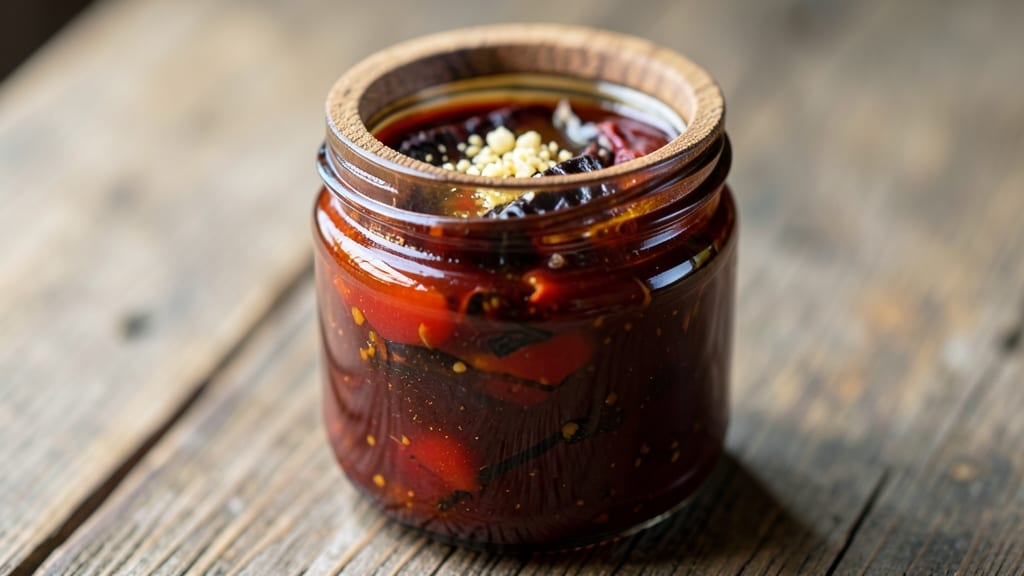
Albert's Famous Mexican Hot Sauce delivers the smoky, fiery punch that makes every bite unforgettable. This isn't just another hot sauce—it's a bold, layered blend of chipotle peppers, ripe tomatoes, and vinegar that ferments into deep, complex flavor.
The secret lies in balancing heat with tang, creating a sauce that's as versatile as it is addictive. I've recreated the authentic process, from macerating peppers to aging the sauce, so you can bottle this restaurant-quality condiment at home.
The foundation starts with chipotle peppers—smoked jalapeños that bring that signature smokiness—combined with ripe tomatoes for natural sweetness and acidity. White vinegar cuts through the richness while preserving the peppers' heat, and a touch of garlic and onion powder adds depth.
The key? Patience. Letting the mixture ferment for at least a week develops the sauce's signature complexity, transforming sharp peppers into a smooth, smoky elixir that clings to every dish.
What you'll end up with is a rich, velvety sauce with a perfect balance of heat, smokiness, and tang. It's the kind of condiment that elevates tacos, grilled meats, or even popcorn into something extraordinary.
The heat builds gradually, rewarding you with layers of flavor that linger long after the last drop. This isn't just a hot sauce—it's a flavor bomb that turns ordinary meals into memorable experiences.
Ready to make your own batch? The process is straightforward, but the results are anything but basic. Store it in the fridge for up to a year, and watch as it deepens in flavor with time.
Whether you're a hot sauce enthusiast or just love adding a kick to your meals, this recipe delivers the authentic, smoky fire that makes Albert's sauce legendary. Let's get started on creating your own bottle of magic.
Ingredients for albert's famous mexican hot sauce
Bold chipotle peppers meet ripe tomatoes and vinegar for a smoky, fiery sauce that builds complexity over time.
| Ingredient | Amount | Notes |
|---|---|---|
| Dried Chipotle Peppers in Adobo Sauce 🌶️ | 4 whole | Stems and seeds removed |
| Ripe Roma Tomatoes 🍅 | 2 lb | Vine-ripened for sweetness |
| White Vinegar 💧 | 1 cup | Distilled preferred |
| Granulated Garlic 🧄 | 1 tbsp | Freshly ground preferred |
| Onion Powder 🧅 | 1 tsp | Diamond Crystal preferred |
| Granulated Sugar 🍚 | ½ cup | Light brown preferred |
| Salt 🧂 | 1 ½ tsp | Kosher preferred |
| Ground Black Pepper 🌶️ | ¼ tsp | Freshly cracked |
| Cayenne Pepper 🔥 | ½ tsp | Adjust for heat preference |
| Water 💧 | 1 cup | Filtered preferred |
The chipotles are non-negotiable—look for dried, smoked jalapeños in adobo sauce at Latin markets or specialty stores like Goya or Penzeys. The adobo sauce adds depth, but you can use the peppers alone if needed. For tomatoes, vine-ripened Roma (the plumper variety) concentrate flavor better than beefsteak. If you can't find fresh, San Marzano canned tomatoes work in a pinch—they're sweeter and less acidic. The white vinegar should be distilled, not apple cider, to avoid competing flavors. I always grab mine from Trader Joe's—it's consistent and affordable.
No chipotles in adobo? Fresh jalapeños smoked at home (wrap in foil, grill, then peel) work, but the flavor won't be identical. Short on Roma tomatoes? Substitute with a mix of cherry and grape tomatoes, but you'll need about 2 cups to match the weight. The sugar is there to balance heat—light brown adds subtle molasses notes, but white works fine. Want more smokiness? Add 1/4 tsp smoked paprika to the mix. The garlic powder can be swapped for fresh minced garlic (1 clove), but it'll mellow faster during fermentation. For heat control, start with half the cayenne and adjust after tasting.
This sauce improves with time—ferment for at least 1 week before using, up to 1 year refrigerated. Store in a sterilized glass jar with a tight seal. The sauce will thicken as it ages, so add a splash of water if needed. For gifting, use amber glass bottles to protect from light. Freeze extras in ice cube trays for easy single-use portions. Pro tip: The first batch always tastes best—save some to start your next batch for deeper flavor development.
Why You'll Love This Recipe
- Five-Ingredient Magic: I swear, this sauce comes together with almost no effort—just toss those chipotles, tomatoes, and vinegar in a pot, let it simmer, then blend. No chopping, no fuss, and no second-guessing.
- Smoky-Garlic Punch: That adobo sauce from the chipotles? It’s the star—deep, smoky, and just a hint of heat that lingers. Add the raw garlic and onion powder, and suddenly everything tastes like a restaurant-quality kick.
- Game for Any Meal: Drizzle it on eggs for breakfast, toss it with tacos at dinner, or slather it on grilled chicken. It’s my go-to for when I’m tired of the same old hot sauce—works everywhere, every time.
- Lasts for Weeks: Make a big batch (I always do), and you’ll have sauce for months. The vinegar preserves it, so it’s always ready when cravings hit—no last-minute store runs needed. Plus, it’s cheaper than buying fancy bottles.
Step-by-step instructions for Albert's famous Mexican hot sauce
Here's how to transform smoky chipotles and ripe tomatoes into a velvety, fiery sauce that balances heat and sweetness perfectly.
Prepare the Chipotles for Maximum Flavor
Remove the stems and seeds from the 4 whole dried chipotle peppers in adobo sauce using a small knife. This step is crucial—seeds contain capsaicin, the compound that makes hot sauce burn, while keeping stems out prevents bitterness. Cut each pepper into 4 pieces for even cooking. Place them in a small bowl and cover with the 1 cup white vinegar. Let them soak for at least 30 minutes, or up to 2 hours if you want deeper flavor infusion.
I like to press the chipotles gently with a spoon to help them release their oils into the vinegar. This pre-soaking softens them and ensures they'll blend smoothly later without any grainy texture. The vinegar also helps balance the smoky heat with its sharp acidity right from the start.
Roast the Tomatoes for Deep Caramelization
Preheat your oven to 400°F. Cut the 2 lb ripe Roma tomatoes in half lengthwise and place them cut-side down on a rimmed baking sheet. Roast for 25-30 minutes until the edges are deeply caramelized and the flesh is soft enough to collapse slightly when pressed. The skin should be wrinkled and pulling away from the flesh—this indicates perfect roasting.
While they roast, I recommend turning them halfway through for even browning. The caramelization from roasting develops rich, sweet tomato flavors that will form the base of your sauce. If you're short on time, you can also char them directly over a gas flame for 5-7 minutes per side, but oven-roasting gives more consistent results.
Blend All Ingredients for a Silky Texture
Transfer the roasted tomatoes to a blender along with the soaked chipotles and their vinegar. Add the 1 tbsp granulated garlic, 1 tsp onion powder, 0.5 cup granulated sugar, 1.5 tsp salt, 0.25 tsp ground black pepper, 0.5 tsp cayenne pepper, and 1 cup water. Blend on high until completely smooth, scraping down the sides as needed. This should take about 1-2 minutes of continuous blending.
The sugar here serves two purposes: it balances the acidity of the vinegar and the heat of the peppers, while also helping create that signature sweet-spicy flavor profile. If your blender struggles with the hot peppers, wear gloves and work quickly. The resulting mixture should be thick but pourable—a rich, deep red color with visible smoke swirls from the chipotles.
Simmer for Concentrated Flavor
Pour the blended mixture into a medium saucepan and bring to a boil over medium-high heat. Once boiling, reduce heat to medium-low and let it simmer uncovered for 20-25 minutes, stirring occasionally. You're looking for the sauce to reduce by about 25%—it should thicken noticeably and coat the back of a spoon when you stir.
During this time, the flavors will meld and deepen. The vinegar will mellow slightly, the sugar will caramelize further, and the peppers will infuse their smoky heat throughout. Taste occasionally and adjust seasoning if needed—add more salt if it tastes flat, or a pinch more cayenne if you want extra heat. The sauce should finish with a perfect balance of sweet, smoky, and fiery notes.
Strain and Bottle for Shelf-Stable Sauce
Let the sauce cool slightly, then strain it through a fine-mesh sieve into a clean jar or bottle, pressing on the solids with a spoon to extract every last drop of flavor. The strained sauce will be silky smooth with no visible pepper pieces. For best results, store in a sterilized glass jar in the refrigerator where it will keep for up to 3 months, or process in a water bath for long-term storage.
This sauce is incredibly versatile—use it as a condiment for tacos, drizzle it over grilled meats, or mix it into marinades. The balance of sweetness from the tomatoes and sugar with the smoky heat from the chipotles makes it perfect for both everyday meals and special occasions. Trust the process, and you'll have a hot sauce that's truly unforgettable.
Pro Tips For Making Albert'S Famous Mexican Hot Sauce
- STRAIN THE ADOBO FIRST: The adobo sauce from the chipotle cans is salty and thick—it’ll muddy your sauce if you don’t remove it. After soaking the peppers, pour the adobo into a bowl, let it settle, then spoon off the top layer before blending. (Yes, even the clear part—it’s where the bitterness hides.)
- BLANCH TOMATES FOR BETTER BLENDING: Cold, unblanched tomatoes turn your sauce into a watery sludge. Drop Roma tomatoes into boiling water for 30 seconds, then ice bath—this softens skins and seeds, making them puree smoothly. Your sauce will taste richer, not diluted.
- DON’T RUSH THE SIMMER: Skimping on the 15-minute simmer is how you end up with a sauce that tastes like vinegar and regret. Low heat lets the garlic and onion powder mellow out—no more sharp, chemical bite. (And yes, you can taste the difference.)
- USE A FINE-MESH STRAINER FOR SMOOTHNESS: Blending alone won’t remove all the pepper skins or seeds. After cooking, press the mixture through a fine-mesh strainer—it cuts the grit and makes the sauce silky. (Save the strained solids for tacos; they’re still good.)
Wine and beer pairings for albert's famous mexican hot sauce
Smoky Beer Pairings
Albert's sauce pairs beautifully with Mexican lagers like Modelo Especial or Pacifico—their crisp, clean profiles balance the sauce's smoky depth without competing. The subtle malt sweetness in these beers complements the sauce's caramelized tomato notes perfectly.
For a bolder match, try Mexican amber ales like Negra Modelo, which add a touch of bitterness to cut through the heat. 🍺
If you prefer craft options, look for smoked beers like Smokehouse Brewing's Smoked Porter—the charred malt notes mirror the chipotle's smokiness, creating a harmonious flavor bridge. The beer's slight sweetness also softens the sauce's acidity, making each sip and bite more cohesive.
Tangy White Wine Matches
A dry Riesling from Germany or Washington State is my go-to wine pairing—its bright acidity and hints of citrus cleanse your palate between bites of spicy food. The wine's natural sweetness (even in dry varieties) contrasts beautifully with the sauce's heat, while its mineral notes enhance the tomato's richness.
Look for Dr. Loosen Blue Slate or Chateau Ste. Michelle Riesling for excellent quality.
For something lighter, a Sauvignon Blanc with herbal and grassy notes works wonders. The zesty lime and grapefruit flavors in wines like Kim Crawford Sauvignon Blanc or Oyster Bay Sauvignon Blanc create a refreshing counterpoint to the sauce's smoky intensity.
The wine's crisp finish helps reset your taste buds between spicy bites.
Bold Red Wine Options
If you prefer red wine, opt for a light-bodied Tempranillo like Spanish Garnacha or Rioja. The wine's earthy, slightly smoky profile (from oak aging) complements the chipotle's smoke without overpowering it.
The red fruit notes in these wines also harmonize with the sauce's tomato base. Try Muga Reserva or CVNE Crianza for excellent examples.
Avoid heavy reds like Cabernet Sauvignon—their tannins and dark fruit flavors clash with the sauce's bright acidity. Instead, stick to wines under 14% ABV that offer red fruit and earthy undertones. The right red wine should enhance the sauce's complexity rather than compete with it.
Non-Alcoholic Alternatives
For those avoiding alcohol, a sparkling lime soda like Jarritos Tamarindo or Topo Chico with lime works surprisingly well. The effervescence cuts through the sauce's richness, while the lime's tartness mirrors the vinegar in the sauce.
For something more substantial, try a Mexican horchata—its cinnamon and rice notes provide a creamy contrast to the sauce's fiery kick.
Another great non-alcoholic option is ginger beer like Feather Ginger Beer. The ginger's spicy warmth complements the chipotle's heat, while the slight sweetness balances the sauce's acidity. The carbonation also helps cleanse your palate between bites, making it a refreshing match for spicy dishes.
Nutrition facts
Frequently asked questions
Why does this recipe use chipotle peppers in adobo sauce instead of fresh jalapeños?
The adobo sauce adds a crucial smoky depth that fresh jalapeños can't replicate. The dried, smoked peppers create that signature Albert's sauce flavor profile—without it, your sauce will taste more like a basic tomato-pepper blend. For a closer match, look for dried chipotle peppers in Latin markets or specialty stores.
Can I adjust the heat level in this hot sauce? Start with the 0.5 tsp cayenne pepper as written, then adjust to taste. For milder heat, reduce to 1/4 tsp or omit completely. Want extra fire? Add up to 1 tsp cayenne or swap in 1/2 tsp crushed red pepper flakes.
How long should I ferment the sauce for best results?
Minimum 1 week for developed flavor, but ferment 2-3 weeks for maximum depth. The sauce continues mellowing in the fridge for up to 1 year. Taste weekly—it'll start sweet and smoky, then develop complex layers of tang and heat. Store in a sterilized glass jar with a tight seal to prevent contamination.
What's the best way to use this sauce if I don't like spicy food?
Start with just 1/4 teaspoon per serving and build tolerance gradually. The sauce's smoky-sweet tomato base dominates at first—it's not just heat. Try mixing it with mayonnaise or sour cream (like in a chipotle mayo) to dilute the spice while keeping the flavor. For cooking, use it sparingly in marinades or as a finishing drizzle.
Can I make this sauce without a blender?
Yes, but texture will differ. After roasting, hand-mash the tomatoes with a fork, then press the mixture through a fine-mesh sieve to remove skins/seeds. The strained pulp can be simmered with all other ingredients. You'll lose some silky smoothness, but the core flavors will remain. For extra smoothness, use a potato masher before straining.